Is an Anne Klein Gold Necklace Worth It? 2026 Guide
Is an Anne Klein gold necklace worth your budget? We analyze materials, plating thickness, pricing, and longevity to determine its true 2026 value.

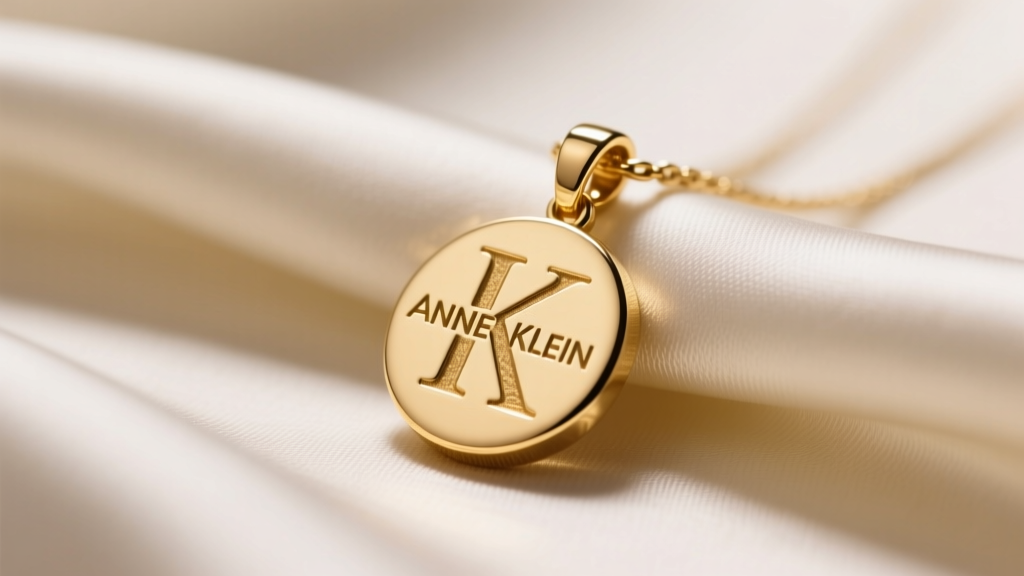
When navigating the crowded landscape of affordable luxury, the Anne Klein gold necklace frequently appears in department store displays and online shopping carts. Known for its classic, utilitarian-chic aesthetic, the brand has been a staple of American fashion since 1968. However, as consumers in 2026 become increasingly educated about metallurgy, intrinsic value, and sustainable purchasing, the line between 'designer fashion jewelry' and 'disposable costume pieces' requires careful scrutiny.
If you are considering an Anne Klein gold necklace, you are likely asking a fundamental question: Are you paying for enduring quality, or simply for the iconic lion logo? This comprehensive budget and value assessment breaks down the exact materials, manufacturing realities, and cost-per-wear metrics to help you make an informed decision.
The Material Reality: Decoding 'Gold' in Fashion Jewelry
The most critical factor in assessing the value of an Anne Klein necklace is understanding what the term 'gold' actually means in this context. Anne Klein jewelry is classified as fashion or costume jewelry. It is not crafted from solid gold. Instead, these pieces rely on surface finishes to achieve their aesthetic.
According to the Federal Trade Commission's Jewelry Guides, terms like 'gold plated' and 'gold tone' have strict legal definitions that dictate how jewelry can be marketed. Anne Klein necklaces predominantly fall into two distinct material categories:
1. Gold-Tone (No Actual Gold)
Many entry-level Anne Klein pieces are described as 'gold-tone.' This means the base metal—typically a brass (copper-zinc alloy) or zinc alloy—is chemically treated or coated with a PVD (Physical Vapor Deposition) layer that mimics the color of gold. There is zero actual gold content in these pieces. The value here is purely aesthetic.
2. Gold Electroplated
Higher-tier pieces within the Anne Klein catalog may feature actual gold electroplating. This involves using an electrical current to bond a microscopic layer of gold to the brass base. However, the thickness of this plating is usually in the 'flash' category (less than 0.175 microns) or standard electroplate (around 0.5 microns). For context, the Gemological Institute of America (GIA) notes that heavy gold electroplate must be at least 2.5 microns thick to be considered highly durable. Anne Klein's plating is designed for seasonal fashion, not generational longevity.
2026 Value Matrix: Anne Klein vs. The Market
To truly assess the budget value of an Anne Klein gold necklace, we must compare it against both direct competitors in the fashion space and entry-level solid gold alternatives. The table below illustrates where your money actually goes in the current market.
| Metric | Anne Klein (Fashion) | Gorjana (Bridge) | Mejuri (Entry Solid) |
|---|---|---|---|
| Base Material | Brass / Zinc Alloy | Brass | 14k Solid Gold |
| Plating Thickness | Flash (<0.175μm) or Tone | Standard (0.5μm - 1.0μm) | N/A (Solid) |
| Average Price (2026) | $25 - $65 | $45 - $95 | $150 - $280 |
| Daily Wear Lifespan | 3 - 9 Months | 1 - 2 Years | Lifetime |
| Intrinsic Resale Value | $0 | $0 | 40% - 60% of Retail |
As the data reveals, an Anne Klein necklace offers a very low barrier to entry for achieving a specific designer look. However, the cost-per-wear over a five-year period heavily favors solid gold alternatives if you intend to wear the piece daily.
The Licensing Factor: Who Actually Makes It?
A common misconception among buyers is that Anne Klein jewelry is designed and manufactured by the same in-house atelier that produces the brand's clothing. In reality, the accessories and jewelry divisions are managed through third-party licensing agreements. Companies like Marcraft Apparel Group have historically held the licenses to produce Anne Klein jewelry.
This licensing model significantly impacts the value proposition. When you purchase an Anne Klein gold necklace, a substantial portion of the retail price covers the licensing royalty paid to the brand name, rather than premium metallurgical sourcing. You are investing in the heritage of the Anne Klein aesthetic—characterized by bold hardware, interlocking links, and the signature lion motif—rather than proprietary jewelry craftsmanship.
Common Failure Modes and Metallurgical Weaknesses
Because these necklaces are constructed from base metals with superficial finishes, they are susceptible to specific environmental and chemical failure modes. Understanding these vulnerabilities is key to managing your expectations regarding the necklace's lifespan.
- Copper Migration and 'Green Skin': Brass is an alloy of copper and zinc. When the thin gold plating wears away from friction, the exposed copper reacts with the lactic acid, sebum, and salts in your sweat. This chemical reaction creates copper chloride, which manifests as a green or black residue on your skin and the jewelry.
- Plating Porosity: At the sub-micron level, flash plating is porous. Environmental pollutants, humidity, and sulfur in the air can penetrate the microscopic pores and reach the brass base, causing the piece to tarnish from the inside out.
- Clasp Spring Degradation: The internal springs of lobster clasps on fashion jewelry are often made of steel or base metal. Once exposed to moisture, these springs rust and fail, rendering the necklace unwearable even if the chain itself is intact.
Maintenance Protocol: Extending the Lifespan
If you have determined that the Anne Klein gold necklace fits your budget and aesthetic needs, implementing a strict maintenance protocol can extend its wearable life from a few months to several years. The golden rule of fashion jewelry care is to avoid abrasives and harsh chemicals.
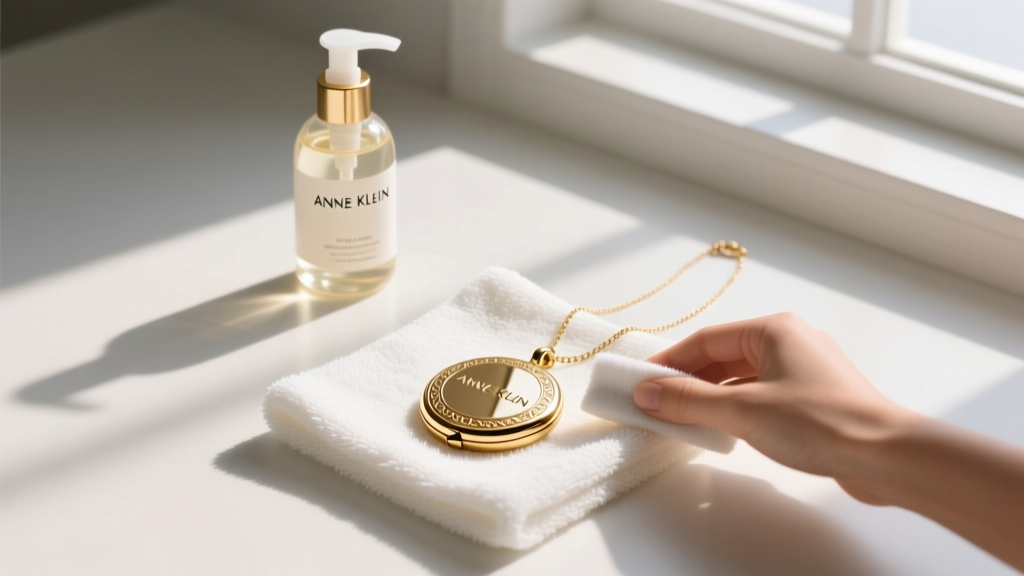
Never use commercial silver dips, ultrasonic cleaners, or treated polishing cloths (like Sunshine cloths) on gold-plated or gold-tone fashion jewelry. These products contain micro-abrasives that will instantly strip the sub-micron gold layer, leaving you with raw, tarnished brass. Instead, follow this gentle cleaning framework:
- Mix a few drops of phosphate-free dish soap with lukewarm distilled water.
- Submerge the necklace for no more than 60 seconds.
- Gently agitate with a baby-hair toothbrush to remove sebum buildup from the chain links.
- Rinse thoroughly with distilled water (tap water contains chlorine and minerals that accelerate tarnishing).
- Pat completely dry with a lint-free microfiber cloth before storing in an airtight ziplock bag with an anti-tarnish silica gel packet.
Final Verdict: How to Allocate Your Jewelry Budget
So, is an Anne Klein gold necklace worth your hard-earned money in 2026? The answer depends entirely on your purchasing intent.
If you are seeking a trendy, statement-making piece to complement a specific wardrobe, attend a seasonal event, or test out a new silhouette (like a chunky paperclip chain or a bold pendant) without committing to a high price tag, the Anne Klein necklace offers excellent aesthetic value. It delivers the designer look for the price of a few coffees.
However, if your goal is to build a capsule jewelry wardrobe, seek a piece that will survive daily showers, gym sessions, and decades of wear, or if you want an item with intrinsic resale value, you should bypass the fashion jewelry aisle. Redirect that $50 budget toward a savings fund for a 14k solid gold chain, or explore alternative materials like surgical-grade titanium or solid sterling silver, which offer vastly superior longevity at a similar price point.


