Looking for Another Word for Necklace? The Ultimate Neckwear Glossary
Searching for another word for necklace? Explore our expert glossary of neckwear terms, from sautoirs to torcs, and master jewelry styling.

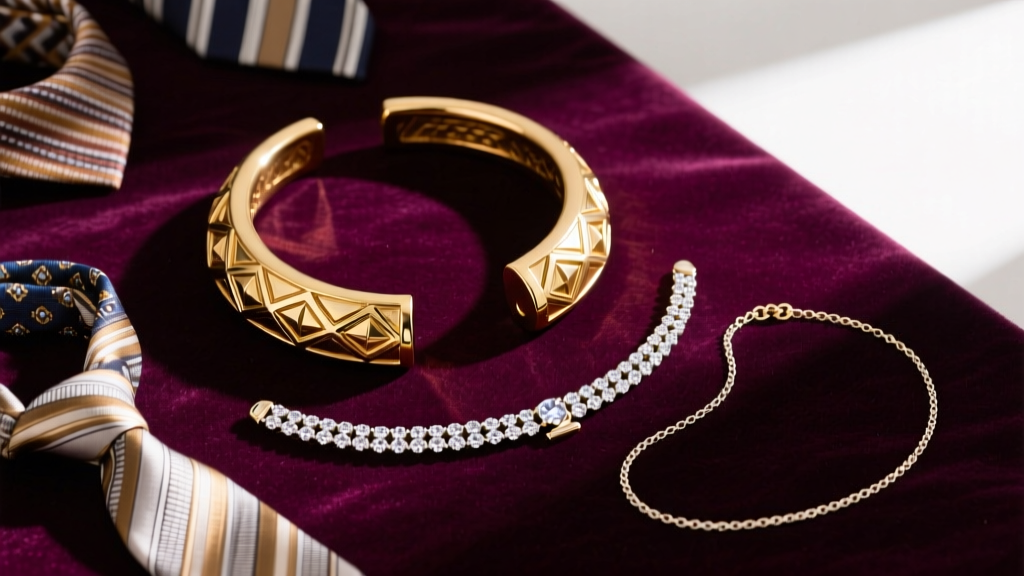
When browsing fine jewelry or searching for the perfect accessory, the term "necklace" often feels too broad. Whether you are solving a crossword puzzle, trying to describe a specific vintage piece to a jeweler, or simply expanding your styling vocabulary, you might find yourself asking: what is another word for necklace?
The truth is, "necklace" is merely an umbrella term. In the professional jewelry industry, neckwear is categorized by precise lengths, structural anatomy, and historical design origins. Using the correct terminology not only helps you communicate effectively with gemologists and goldsmiths but also ensures you purchase exactly what you envision. Below, we decode the definitive glossary of neckwear.
The Anatomy of Neckwear: Beyond the Basics
Before diving into synonyms, it is crucial to understand the foundational anatomy of neckwear. According to the Gemological Institute of America (GIA), a complete piece of neck jewelry is often a combination of distinct components:
- Chain/Strand: The foundational link or string of beads that wraps around the neck.
- Pendant: A decorative drop or motif that hangs from the chain.
- Bail: The small metal loop that connects the pendant to the chain.
- Clasp: The mechanism securing the piece (e.g., lobster claw, spring ring, or toggle).
When someone searches for "another word for necklace," they are usually looking for a term that describes a specific style or length rather than the anatomical components.
Precise Synonyms Based on Length
In the jewelry trade, neckwear is strictly classified by its measurement in inches. Using these specific terms will instantly elevate your jewelry literacy.
Collar (12 to 13 Inches)
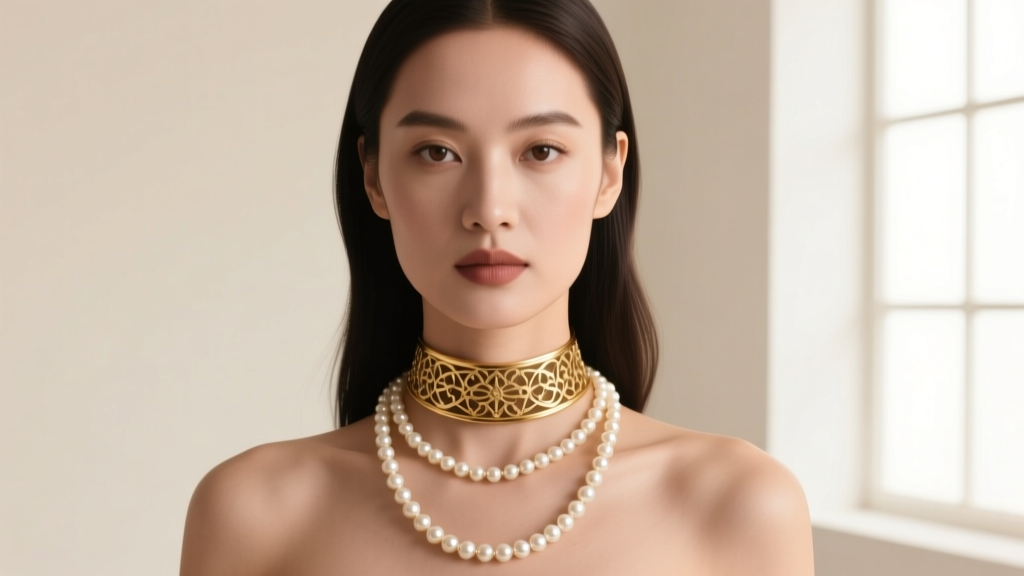
A collar sits tightly against the base of the neck, resting directly on the collarbone. Often made of rigid metal, multi-strand pearls, or woven fabric, collars are highly structured. They pair best with V-neck or scoop-neck tops to avoid visual crowding.
Choker (14 to 16 Inches)
The choker wraps snugly around the center of the neck. Popularized in the Victorian era and revived in the 1990s, modern chokers range from delicate 1mm 14k gold cable chains to thick velvet ribbons. For daily wear, a 15-inch 18k gold box chain (weighing at least 3 grams) offers the perfect balance of durability and comfort.
Princess (17 to 19 Inches)
This is the most common and universally flattering length, resting just below the collarbone. When you buy a standard pendant necklace, it is almost always a princess length. It sits perfectly over crew necks and high boat necks.
Matinee (20 to 24 Inches)
Falling to the top of the bust, the matinee is a staple for business and semi-formal wear. A 22-inch strand of 7mm Akoya pearls is a classic matinee configuration that draws the eye downward, elongating the torso.
Opera (28 to 36 Inches)
Opera-length pieces rest below the bust line. Traditionally worn at formal evening events, an opera strand can be doubled over to create a layered choker effect, offering two distinct looks in one piece.
Rope or Sautoir (36+ Inches)
Any neckwear exceeding 36 inches is classified as a rope. A sautoir (a French term) is a specific type of ultra-long rope necklace that typically finishes with a tassel, a heavy pendant, or a detachable brooch, allowing it to be worn doubled or knotted.
Historical and Cultural Terms for Necklaces
If you are researching antique jewelry or exploring the Victoria & Albert Museum's historical archives, you will encounter specialized terminology that describes the structural design of the piece.
Expert Insight: When shopping for antique jewelry, using the correct historical term can help you filter out modern reproductions. For example, asking for an "Edwardian sautoir" signals to dealers that you are looking for a specific early-20th-century silhouette, not just any long chain.
The Torc (or Torque)
Originating from Celtic and ancient European cultures, a torc is a rigid, non-flexible neck ring. It is typically forged from a single piece of twisted metal (often gold or bronze) and features an opening at the front or decorative terminal ends. Modern fine jewelers occasionally craft 18k yellow gold torcs with diamond-set terminals for high-fashion editorial pieces.
The Rivière
Derived from the French word for "river," a rivière is a continuous strand of identically cut and sized gemstones, usually diamonds, with no visible metal links between them. The stones flow seamlessly around the neck like a river of light. A true diamond rivière requires precise color and clarity matching, making it one of the most expensive necklace styles to produce.
The Lariat
A lariat is a Y-shaped piece of neckwear that lacks a traditional clasp. Instead, it features a long drop that threads through a loop or simply hangs loosely. Lariats are highly adjustable and offer a relaxed, bohemian aesthetic, often crafted in sterling silver or oxidized metals.
The Festoon
Popular during the Georgian and Victorian eras, a festoon features multiple draping chains or gemstone drops that hang in swags or garlands between two main shoulder points. It is an intricate, highly ornamental style that requires precise engineering to ensure the drapes lay flat against the décolletage.
Quick-Reference Neckwear Terminology Chart
Use this structured guide to quickly identify the exact term you need based on your styling goals and measurements.
| Term / Synonym | Standard Length | Best Neckline Pairing | Common Material / Style |
|---|---|---|---|
| Collar | 12" - 13" | V-Neck, Scoop, Strapless | Multi-strand pearls, rigid gold |
| Choker | 14" - 16" | Off-shoulder, Boat neck | Velvet, 1mm-2mm gold chains |
| Princess | 17" - 19" | Crew, High Boat, Collared | Solitaire pendants, lockets |
| Matinee | 20" - 24" | Business suits, Sweetheart | Akoya pearls, chunky chains |
| Opera | 28" - 36" | High necks, Evening gowns | Beaded strands, long ropes |
| Sautoir / Rope | 36"+ | Deep V, Open cardigans | Tassels, long pearl strands |
| Torc | Rigid (Fitted) | Minimalist, Architectural | Twisted 18k gold, bronze |
How to Use These Terms When Shopping
Walking into a boutique and asking for "a gold necklace" leaves too much to the imagination. To ensure you get exactly what you want, combine the terminology above with specific metallurgical and structural details.
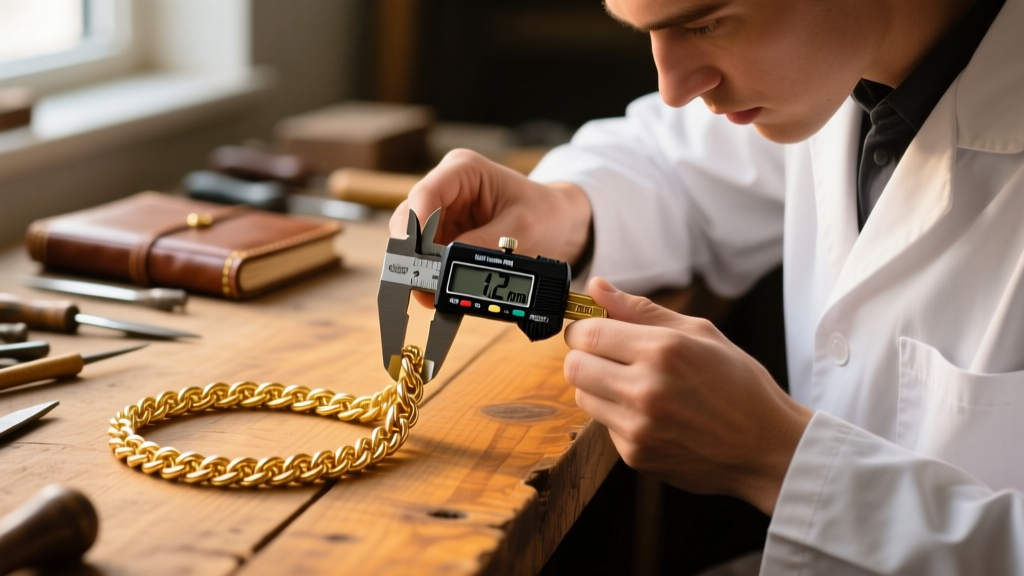
For instance, instead of asking for a "thick gold chain," specify: "I am looking for an 18-inch princess-length chain, crafted in 14k yellow gold, featuring a 4mm curb link with a secure lobster clasp."
Key Specifications to Always Mention:
- Karatage: 14k gold offers superior durability for daily-wear chains due to its higher alloy content, while 18k gold provides a richer, warmer hue but is softer and more prone to scratching.
- Link Style: Specify the link type. Cable and box links are excellent for holding heavy pendants, while rope and Figaro links are designed to be worn solo as statement pieces.
- Gram Weight: A high-quality 18-inch chain meant for daily wear should weigh a minimum of 4 to 6 grams. Anything lighter (often sold as "whisper chains") is highly susceptible to snapping under the weight of a pendant.
Final Thoughts
Language shapes how we perceive and purchase fine jewelry. By moving beyond the generic term and exploring the rich vocabulary of neckwear—from the structured elegance of a collar to the historical romance of a sautoir—you empower yourself to make informed, precise styling choices. The next time you find yourself searching for another word for necklace, refer back to this glossary to find the exact terminology that matches your vision.


