The Ultimate 2026 Gift Guide: Choosing an Antique Paste Necklace
Discover how to choose, authenticate, and gift an antique paste necklace. Our 2026 guide covers Georgian vs. Victorian styles, pricing, and occasions.

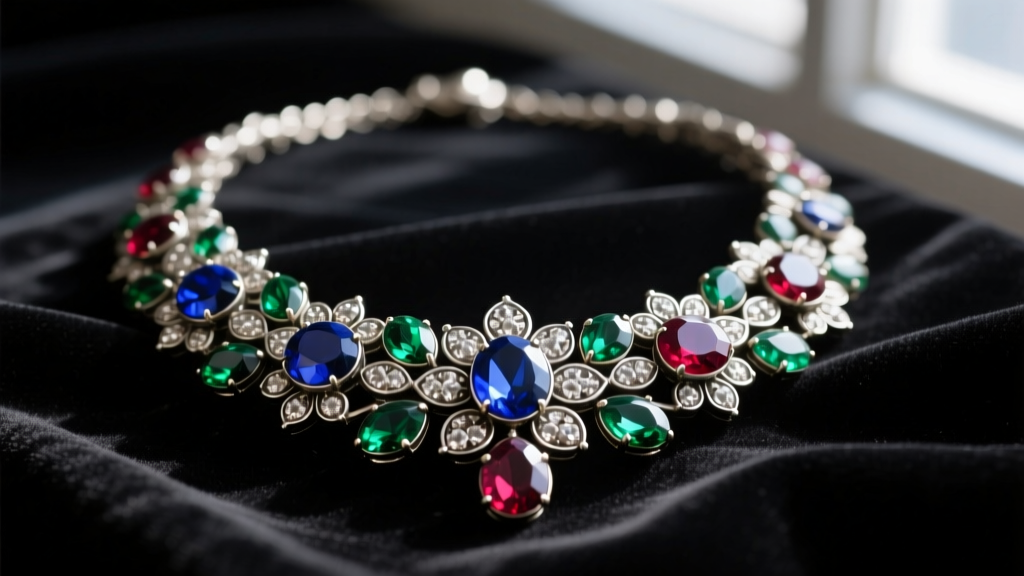
Gifting jewelry is an intimate act, but gifting an antique paste necklace elevates the gesture into the realm of historical curation. Far from being mere costume jewelry, antique paste represents a pinnacle of 18th and 19th-century lapidary art. In 2026, as collectors and vintage enthusiasts increasingly prioritize sustainability and historical provenance over newly mined gemstones, a well-chosen paste necklace stands out as a sophisticated, deeply meaningful gift.
Whether you are shopping for a milestone anniversary, a historian, or a lover of Georgian aesthetics, this comprehensive guide will help you navigate the nuances of antique paste, ensuring your gift is both authentic and perfectly matched to the occasion.
What Exactly is Antique Paste?
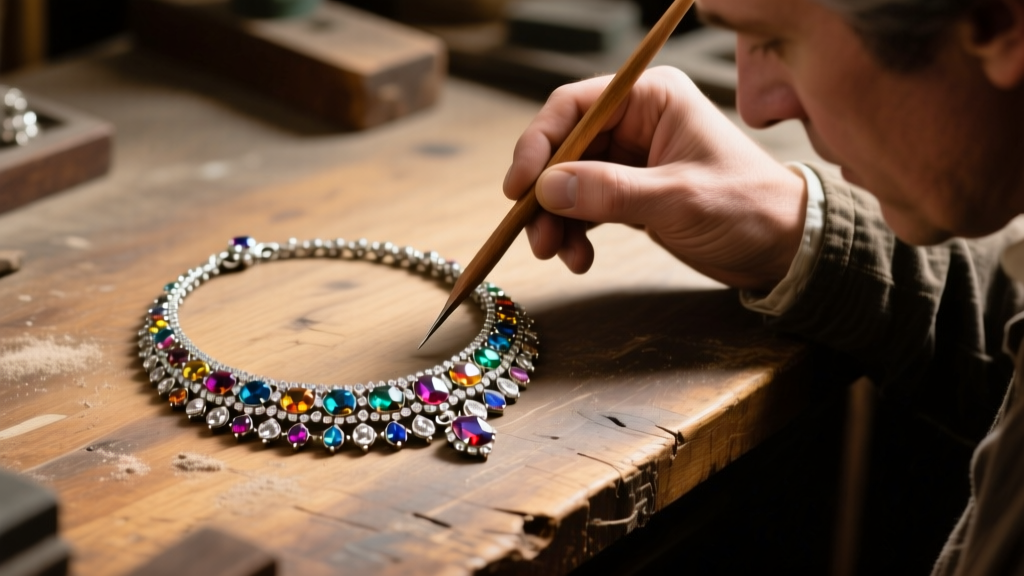
To gift an antique paste necklace with confidence, you must first understand its pedigree. 'Paste' refers to a highly refractive, lead-oxide glass invented and perfected by Georges Frédéric Strass in the early 18th century. Unlike modern cubic zirconia or rhinestones, true antique paste was hand-cut and hand-polished on a lapidary wheel, treating the glass with the exact same reverence as a diamond.
Because lead glass is softer than quartz or diamond, lapidaries were able to cut it into complex, custom shapes that perfectly fit intricate silver settings, leaving zero gaps. This bespoke cutting technique is a hallmark of genuine antique pieces and a key selling point when presenting the necklace to your recipient.
Georgian vs. Victorian Paste: A Gifting Comparison
The era from which the necklace originates drastically alters its aesthetic, price point, and the type of recipient who will cherish it most. Below is a structural and stylistic breakdown to help you decide which era suits your gift.
| Feature | Georgian Paste (1714–1837) | Victorian Paste (1837–1901) |
|---|---|---|
| Setting Material | Sterling silver, Pinchbeck (copper-zinc alloy) | Silver, low-karat gold (9k, 12k), gold-backed silver |
| Stone Cutting | Hand-cut, irregular facets, custom-shaped to fit bezel | More uniform, early machine-assisted cutting, standard shapes |
| Backing Technique | Closed-back with metallic foil to enhance brilliance | Often open-back or closed-back with painted/foil backing |
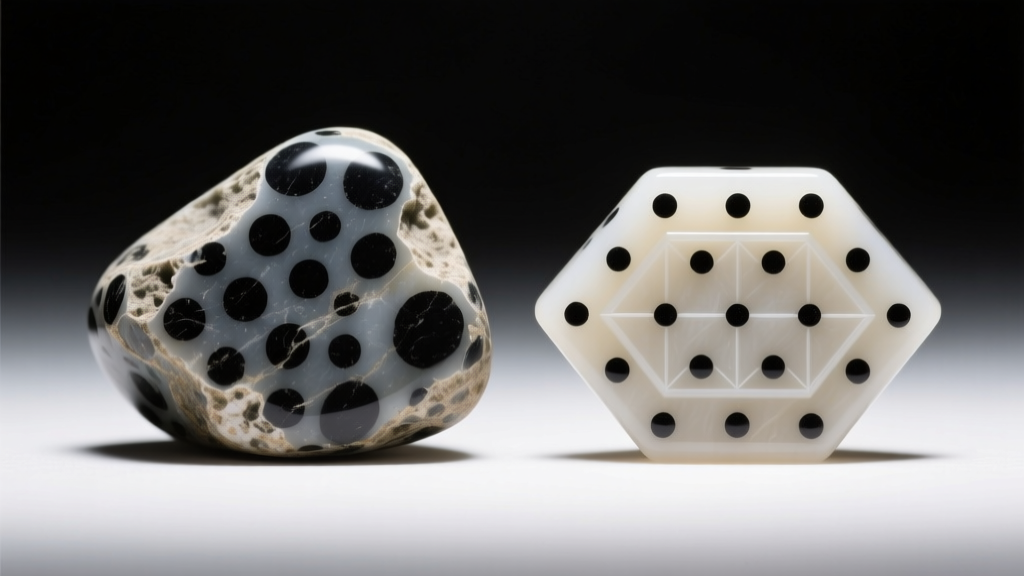
| Signature Detail | The 'Black Dot' (painted culet to mimic diamond depth) | Pressed glass elements, chatons, and festoon drops |
| 2026 Market Price | $3,500 – $15,000+ (Riviere styles) | $800 – $4,500 (Festoon and locket styles) |
Matching the Necklace to the Occasion & Recipient
An antique paste necklace is not a one-size-fits-all gift. Its historical weight requires a recipient who appreciates narrative and craftsmanship.
For the Milestone Anniversary (Silver or Diamond Equivalents)
If you are celebrating a 30th (Pearl) or 60th (Diamond) anniversary, a Georgian paste riviere necklace is a breathtaking alternative to modern diamonds. The hand-cut stones offer a romantic, candlelit sparkle that modern brilliant-cuts lack. Presenting a piece that has survived over 200 years serves as a powerful metaphor for enduring love.
For the Vintage Enthusiast or Historian
For the recipient who frequents museums or collects historical garments, a Victorian paste festoon necklace or a Georgian cross pendant is ideal. These pieces often feature motifs like acorns (symbolizing strength), snakes (eternity), or floral garlands, allowing you to gift a piece with a specific, researched meaning.
Sizing and Length Considerations for Antique Pieces
One of the most critical aspects of gifting antique necklaces is understanding historical sizing. Necklines in the 18th and 19th centuries were generally higher, and women's frames were often smaller.
- Chokers and Collars (14–15 inches): Extremely common for Georgian rivieres. If your recipient prefers modern, longer drapes, you must factor in the cost of a period-correct extension.
- Princess Length (17–18 inches): More typical of late Victorian pieces.
- The Extension Rule: Never allow a jeweler to cut the original clasp to add length. A skilled antique jeweler can fabricate a custom silver or gold extension chain that attaches to the existing barrel or push-in clasp, preserving the necklace's structural integrity and resale value.
Authentication: What to Look For Before Buying
The 2026 market is flooded with 'vintage-style' reproductions masquerading as antiques. When sourcing an antique paste necklace as a high-value gift, you must verify its authenticity through specific physical markers.
The Black Dot Culet
In the 18th century, diamonds were cut with a flat bottom (the culet) rather than a point. To mimic this, paste makers painted a tiny black dot on the back of the glass stone or the foil beneath it. If you examine a Georgian necklace with a 10x jeweler's loupe and see perfectly uniform, laser-sharp black dots, be cautious—hand-painted 18th-century dots are often slightly asymmetrical or faded.
Foil Deterioration and Moisture Damage
Genuine antique paste relies on foil backing to reflect light. Over centuries, moisture can seep into the closed-back settings, causing the foil to oxidize, turn black, or flake. While slight tarnish is expected and proves age, 'dead' stones that have completely lost their reflective backing will look dull and gray. As a gifting standard, aim for stones with at least 80% of their original foil intact.
Where to Source Authentic Pieces in 2026
Avoid general online marketplaces where misattribution is rampant. Instead, source your gift from established antique jewelry dealers who provide provenance and condition reports. Reputable sources include specialized dealers like Lang Antiques or auction houses with dedicated jewelry departments such as Bonhams and Christie's. According to the Victoria and Albert Museum, the preservation of Georgian and Victorian jewelry requires specialized archival knowledge, making dealer expertise invaluable when making a significant purchase.
Gifting Etiquette: Presentation and Care Instructions
When you present an antique paste necklace, the unboxing experience should reflect its historical significance. Avoid modern, chemically treated jewelry boxes which can off-gas and damage the silver or foil. Instead, present the necklace in an archival-quality, acid-free box lined with unbleached cotton.
Never clean an antique paste necklace with water, ultrasonic cleaners, or commercial silver dips. Moisture will instantly destroy the foil backing. Clean only with a dry, soft-bristled baby brush and store with anti-tarnish strips.
Include a handwritten note detailing the necklace's estimated era, the meaning behind its motifs, and a printed care guide. By providing this context, you transform a beautiful object into an heirloom, ensuring your gift is cherished for the next century of its existence.


