Antique Sapphire Necklace Value: 2026 Buyer's Guide
Discover the true value of an antique sapphire necklace in 2026. Learn pricing tiers, era identification, and certification tips before you buy.

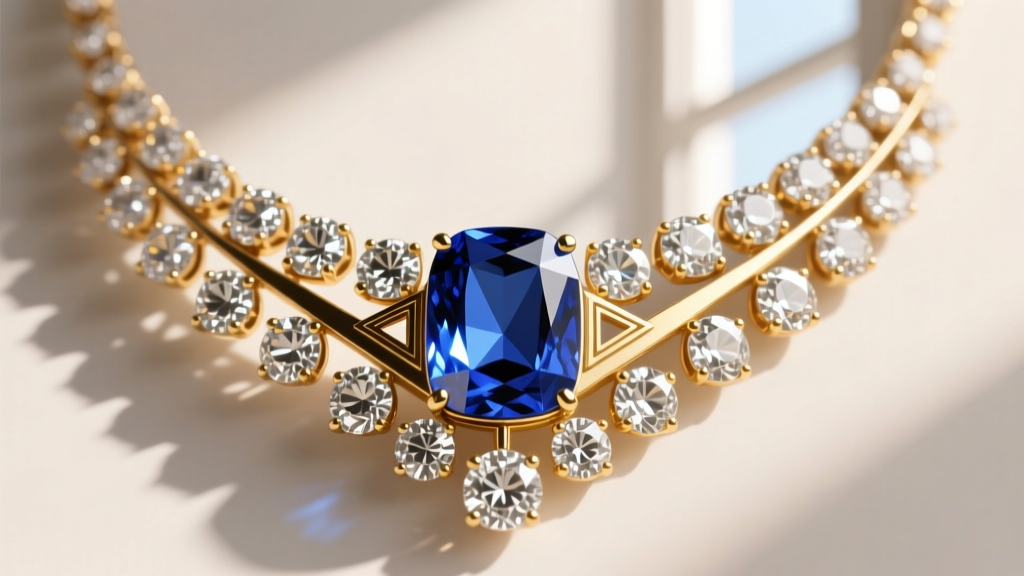
The Allure and Investment Reality of Antique Sapphires
Navigating the estate jewelry market requires more than an appreciation for beauty; it demands a rigorous understanding of gemology, historical metallurgy, and current market liquidity. As we move through 2026, the market for an antique sapphire necklace has bifurcated sharply. Museum-quality, unheated specimens from legendary locales continue to appreciate, acting as alternative asset classes, while commercial-grade, heavily treated, or synthetic pieces have stagnated in value. Whether you are evaluating a Victorian foil-backed pendant or an Art Deco platinum sautoir, assessing true value means looking past the sparkle and examining the microscopic and historical evidence.
Unlike modern jewelry, where value is largely dictated by the 4Cs and brand premiums, antique necklaces are priced on a matrix of era-specific craftsmanship, sapphire origin, treatment history, and provenance. This guide provides a definitive, data-driven framework for appraising and budgeting for antique sapphire necklaces in today's market.
Decoding Eras: How Age Dictates Necklace Value
The era in which a necklace was crafted fundamentally dictates its metallurgical composition, setting style, and baseline market value. Understanding these historical markers is your first line of defense against misattributed (and overpriced) pieces.
Victorian (1837–1901): Foil-Backed & Rose Cut
Early Victorian sapphire necklaces were predominantly set in 15k or 18k yellow gold, or silver-topped gold. Because platinum was not yet commercially viable for jewelry, silversmiths used a silver top over a gold base to achieve a white metal look for diamond accents. Failure Mode Alert: The silver tops on these antique pieces are highly prone to heavy tarnish and oxidation. Furthermore, sapphires from this era were often foil-backed in closed-back settings to enhance color. Moisture trapped behind the foil can cause it to degrade, turning the sapphire dull or gray. A closed-back Victorian necklace with intact, untarnished foil commands a 20% premium over one with compromised backing.
Edwardian (1901–1915): Platinum & Milgrain
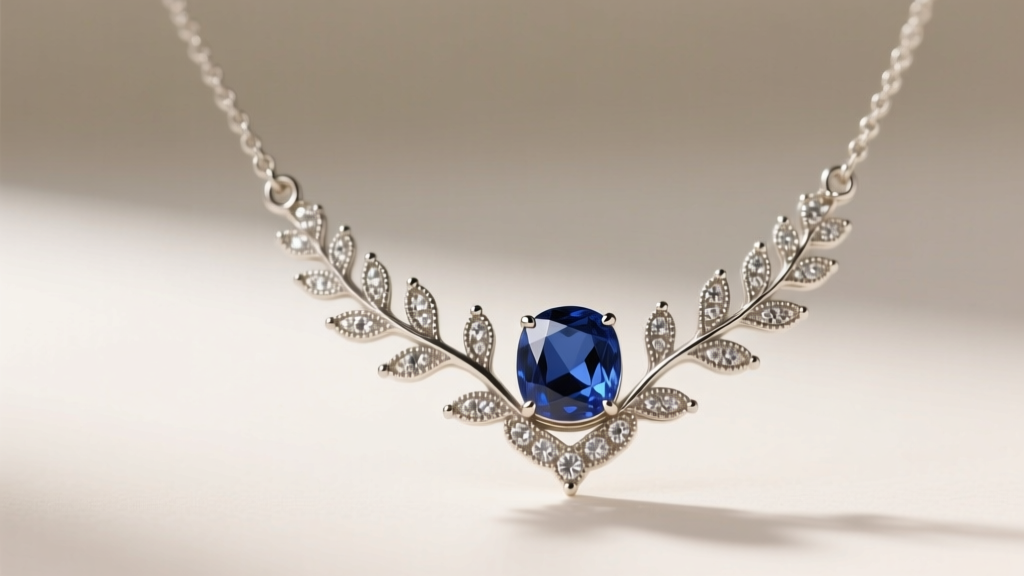 The introduction of the oxyhydrogen torch allowed jewelers to work with platinum, revolutionizing necklace design. Edwardian sapphire necklaces feature impossibly delicate, lace-like piercing, millegrain edges, and garland motifs. The value here lies in the structural integrity of the platinum. Because platinum is highly durable, these pieces survive well, but look for worn or rebuilt prongs, which are common in 110-year-old pendants and can cost $300–$600 to restore properly.
Art Deco (1920–1935): Geometric & Calibré-Cut
Art Deco necklaces are currently the most liquid and highly sought-after category in the 2026 auction market. Characterized by bold geometric contrasts, these pieces frequently feature calibré-cut sapphires—stones custom-cut to fit seamlessly into a channel or mosaic alongside old European cut diamonds. The precision required for calibré cutting means that replacing a lost or chipped stone is exceptionally difficult and expensive, severely impacting the necklace's value if the original stones are missing.
The 2026 Pricing Matrix: What You Should Actually Pay
Budgeting for an antique sapphire necklace requires aligning your expectations with the realities of origin and treatment. Below is a baseline pricing matrix for necklaces featuring a central sapphire pendant (approx. 3.00 to 5.00 carats) with standard diamond accents, reflecting Q1 2026 market data.
| Era | Metal | Sapphire Origin | Treatment Status | 2026 Market Value Range |
|---|---|---|---|---|
| Victorian | 15k Gold / Silver-Top | Ceylon (Sri Lanka) | Heated (Traditional) | $4,500 – $9,000 |
| Edwardian | Platinum | Burma (Myanmar) | Unheated | $18,000 – $35,000 |
| Art Deco | Platinum | Kashmir | Unheated | $85,000 – $250,000+ |
| Art Deco | 18k White Gold | Montana (USA) | Unheated | $6,000 – $12,000 |
| Victorian | 9k Gold | Lab-Created (Verneuil) | Synthetic | $400 – $900 |
Note: Prices assume excellent condition, original clasps, and verifiable period authenticity. Pieces with high-end auction provenance (e.g., Cartier, Boucheron) will carry a 50-100% brand premium.
Origin and Treatment: The Hidden Value Multipliers
In the colored gemstone market, origin and treatment are the ultimate arbiters of value. According to the GIA Sapphire Quality Factors, two sapphires that look identical to the naked eye can have a 1,000% price disparity based on their geological birthplace and human intervention.
- Kashmir: The holy grail. Mined primarily between 1881 and 1887, these stones possess a velvety, "sleepy" appearance due to microscopic rutile silk inclusions. An authentic, unheated Kashmir sapphire in an antique necklace is a museum-tier investment.
- Burma (Mogok Valley):strong> Known for intense saturation and high clarity. Unheated Burmese stones command massive premiums, often graded as "Royal Blue" by top labs.
- Ceylon (Sri Lanka):strong> Typically lighter, brighter, and more brilliant. While less expensive per carat than Burmese stones, antique necklaces featuring unheated Ceylon sapphires offer exceptional value and wearability.
- Montana (USA): Gaining massive traction in the 2020s. Often featuring teal, green-blue, or metallic hues, Montana sapphires are almost always unheated and appeal to buyers seeking ethical, traceable origins in antique-style settings.
The Treatment Trap
Heat treatment has been practiced for centuries and is generally accepted in the antique market, provided it is traditional (low heat, no flux). However, beryllium diffusion and lead-glass filling are modern treatments that completely destroy the antique value of a sapphire. If a dealer cannot produce a lab report explicitly stating "No indications of heating" or "Only traditional heat treatment," walk away. You can read more about how labs detect these treatments via AGL's Color Grading and Treatment Reports.
Red Flags: Synthetics, Glass, and Composite Traps
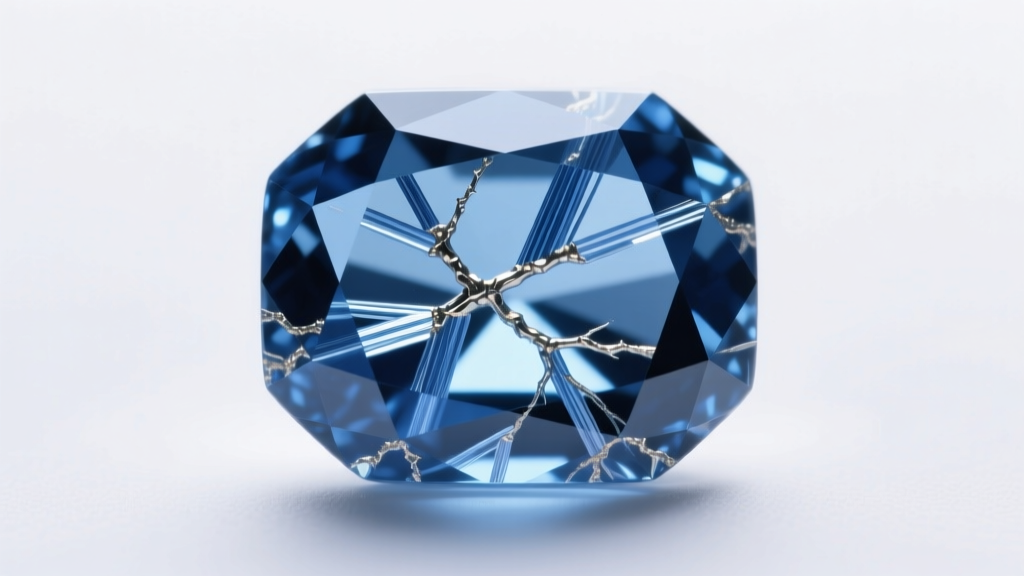 The late 19th and early 20th centuries saw the invention of the Verneuil process, which created synthetic flame-fusion corundum. Many genuine antique Victorian and Edwardian necklaces were set with synthetic sapphires, as they were considered a marvel of modern science at the time and were actually quite expensive. While these necklaces are still "antique," their value is a fraction of those set with natural stones.
"Always examine the sapphire under 10x magnification. Natural sapphires will show angular color zoning and intersecting rutile silk (often at 60 or 120-degree angles). Synthetic Verneuil sapphires will show curved striae and microscopic gas bubbles. If you see bubbles, you are looking at glass or a synthetic, not a natural earth-mined gem."
Additionally, inspect the setting for doublets or triplets—composite stones where a thin slice of natural sapphire is glued to a synthetic or glass pavilion. In antique pieces, the glue can dry out and crack over a century, leading to stone separation.
The Certification Imperative
When budgeting over $5,000 for an antique sapphire necklace, never rely solely on an in-house jeweler's appraisal. You must demand a report from a top-tier, independent gemological laboratory. For colored stones, the industry gold standards are:
- AGL (American Gemological Laboratories): Widely considered the premier lab for colored stone origin and treatment analysis in the US. Their "Classic" origin designations (e.g., "Classic Burma") add significant market liquidity.
- Gübelin or SSEF: The Swiss laboratories of choice for high-end auction houses like Sotheby's and Christie's. Essential for Kashmir or top-tier Burmese specimens.
- GIA (Gemological Institute of America): Excellent for identifying synthetics and treatments, though some dealers prefer AGL for nuanced origin determination.
Factor the cost of certification ($300–$1,500 depending on the lab and stone size) into your initial budget if the piece is currently uncertified.
Final Verdict: Budgeting for Your Heirloom
Purchasing an antique sapphire necklace is an exercise in historical preservation and gemological detective work. To maximize your budget in 2026, target Edwardian or early Art Deco pieces featuring unheated Ceylon or Montana sapphires. These offer the best intersection of historical craftsmanship, durable platinum settings, and natural, untreated gemstones without crossing into the stratospheric pricing of Kashmir or Burmese origins. Always prioritize structural integrity and independent lab verification over sheer carat weight, ensuring your investment remains as enduring as the eras that inspired it.


