Turquoise Puka Shell Necklace Trends: 2026 Style Guide
Discover 2026 trends for the turquoise puka shell necklace. Learn to spot genuine materials, prevent stringing failure, and master coastal layering.

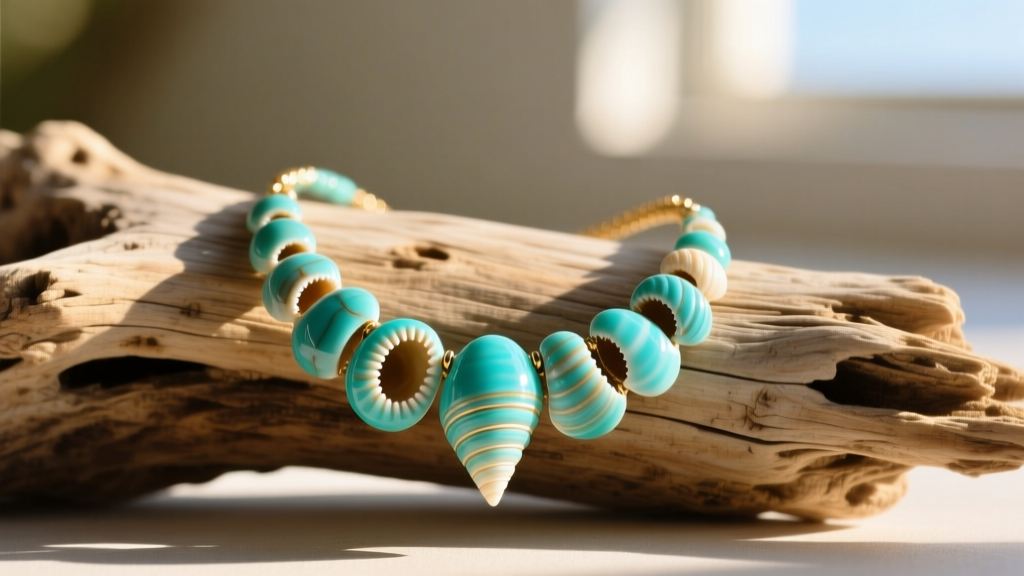
The 2026 Shift: From Surf Souvenir to Elevated Coastal Staple
The trajectory of men's and women's coastal jewelry has undergone a radical transformation as we move through 2026. Once relegated to beachside gift shops and categorized as fleeting surf souvenirs, the turquoise puka shell necklace has been reclaimed by artisan jewelers and high-end contemporary brands. Today, this iconic silhouette sits at the intersection of the 'Quiet Coastal' and 'Elevated Bohemian' aesthetics. However, this surge in popularity has also flooded the market with sophisticated imitations. Understanding the nuanced differences between genuine artisan craftsmanship and mass-produced costume jewelry is essential for any serious collector or style enthusiast.
In 2026, the focus is entirely on material provenance and structural longevity. Consumers are no longer satisfied with dyed howlite and brittle nylon; they demand ethically sourced gemstones, authentic Hawaiian cone shells, and stringing materials engineered to withstand the harsh realities of coastal living, including saltwater, sweat, and chemical sunscreens. This comprehensive guide breaks down the material forensics, structural engineering, and advanced styling frameworks required to master the turquoise puka shell necklace this year.
Material Forensics: Identifying Genuine Turquoise and Puka Shells
The term 'puka' translates directly to 'hole' in Hawaiian. Historically, authentic puka shells were gathered from the beaches of Hawaii, where the ocean naturally tumbled the apex of the Conus litteratus (cone shell) until it created a smooth, naturally occurring hole. Today, the demand for the turquoise puka shell necklace far exceeds the natural supply of these specific shells, leading to widespread manufacturing shortcuts.
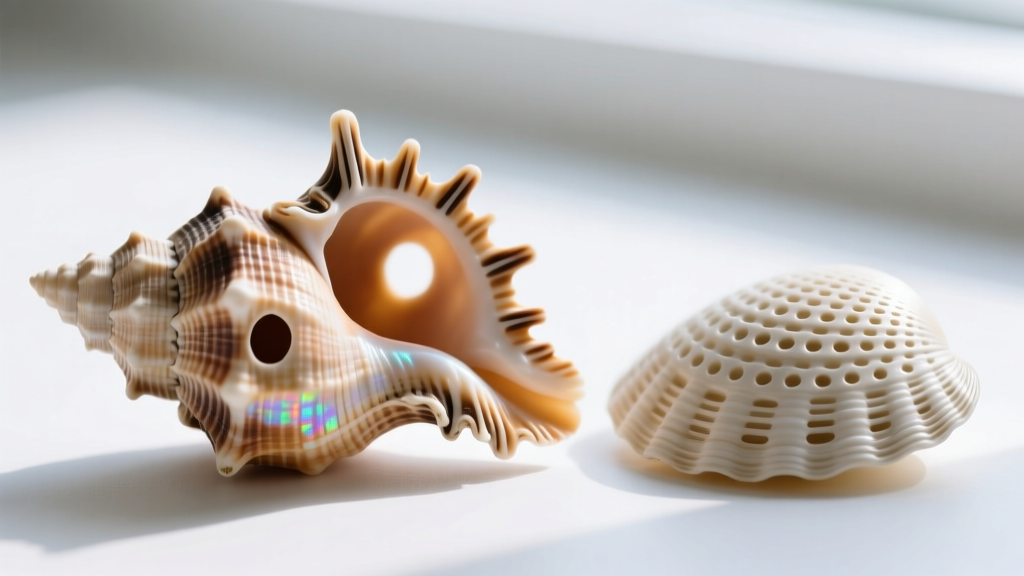
When evaluating the shell component of your necklace, examine the hole and the thickness. Genuine cone shell pukas are naturally convex on one side and concave on the other, with a hole that is often slightly off-center and smoothly worn. Imitations are typically stamped or drilled from flat clam shells or mother-of-pearl. These fakes are uniformly flat, feature sharp, machine-drilled holes, and lack the organic asymmetry of true pukas.
The turquoise component requires equal scrutiny. According to the Gemological Institute of America (GIA), turquoise is a porous, relatively soft gemstone (ranging from 5 to 6 on the Mohs scale) that is routinely treated to enhance its durability and color. In the context of a puka shell necklace, which is worn close to the skin and exposed to oils, stabilization is not just acceptable—it is often necessary. However, there is a vast difference between legitimate stabilization and outright fraud.
| Material Component | Authentic Indicator | Common Imitation | Market Impact |
|---|---|---|---|
| Puka Shells | Asymmetrical, convex/concave profile, smooth natural holes | Flat stamped clam shell, sharp drilled holes, uniform thickness | Authentic shells command a 40% premium in artisan markets |
| Turquoise Beads | Epoxy or Zachery stabilized natural turquoise with visible matrix | Dyed howlite, magnesite, or reconstituted turquoise dust | Dyed stones degrade and bleed color onto skin and clothing |
| Stringing Cord | C-Lon Tex 400 nylon or 49-strand micro-wire | Degradable silk or cheap elastic cord | Proper cord prevents catastrophic failure and loss of stones |
Structural Integrity: Stringing Materials and Failure Modes
The most common point of failure in any beaded necklace is the stringing material. For decades, traditionalists insisted on using natural silk cord (such as Griffin silk) for knotting turquoise and shell beads. While silk offers a beautiful drape, it is a protein-based fiber that is highly susceptible to environmental degradation. In 2026, any jeweler stringing a turquoise puka shell necklace with natural silk is setting the piece up for catastrophic failure.
The Sunscreen and Sweat Factor
Modern chemical sunscreens contain active ingredients like avobenzone and octocrylene, which, when combined with human sweat and the natural acidity of the skin, create a highly corrosive environment for organic fibers. Silk will rot, stretch, and eventually snap under the weight of stone and shell beads. Furthermore, the American Gem Society notes that harsh chemicals can alter the surface chemistry of porous stones, meaning the very sunscreen destroying your silk cord might also be discoloring your untreated turquoise.
Expert Troubleshooting: If you inherit or purchase a vintage turquoise puka shell necklace strung on silk, do not wear it in the sun or water. Have it professionally restrung using C-Lon Tex 400 bonded nylon or Beadalon 49-strand stainless steel wire coated in nylon. Ensure the jeweler uses French wire (bullion) at the clasp connection points to prevent the nylon from fraying against the metal jump rings.
For the authentic 'knotted' look between each turquoise and shell bead, synthetic bonded nylon is the undisputed standard. It mimics the appearance of silk but offers complete resistance to UV degradation, saltwater, and cosmetic chemicals. When purchasing, always inspect the knots. They should be tight, uniform, and seated flush against the beads to prevent excessive movement that can lead to bead-on-bead abrasion.
The 2026 Layering Framework: Proportions and Pairings
Styling a turquoise puka shell necklace in 2026 requires moving beyond the single-strand, surf-bro stereotype. The current trend relies on meticulous layering, contrasting the organic, matte textures of shell and stone with the high-polish precision of precious metals. The key to a successful stack is strict adherence to proportional spacing and varying visual weights.
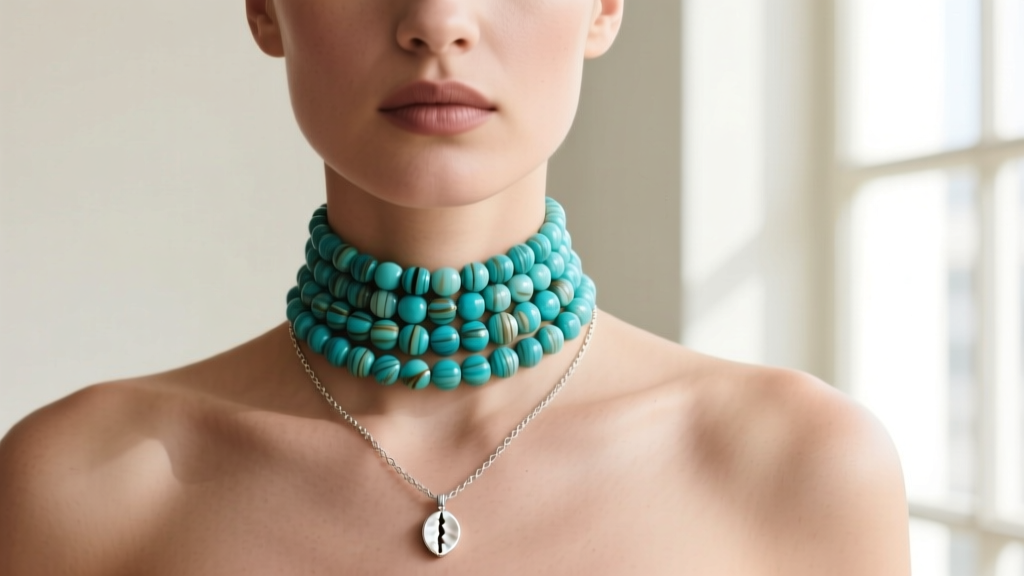
The Three-Tier Coastal Stack
- Tier 1: The Anchor (15 to 16 inches). This is where your turquoise puka shell necklace lives. It should sit snugly at the base of the neck, functioning almost as a choker. A 6mm to 8mm bead diameter is ideal here, providing enough visual presence without overwhelming the collarbone.
- Tier 2: The Focal Point (18 to 20 inches). Pair the organic puka strand with a structured metal chain. An oxidized sterling silver rope chain or a 14k yellow gold Figaro chain featuring a single, substantial pendant (such as a silver compass, a turquoise squash blossom naja, or a simple geometric medallion) creates a necessary contrast in texture.
- Tier 3: The Terminator (22 to 24 inches). For a complete bohemian stack, add a longer, lighter chain featuring a minimalistic bar pendant or a solitary, high-grade turquoise teardrop. This draws the eye downward and elongates the torso.
When it comes to clothing pairings, the turquoise puka shell necklace excels against textured, neutral fabrics. Think unbleached linen camp-collar shirts, heavy-weight white cotton tees, or earth-toned corduroy. Avoid busy, high-contrast patterns that will compete with the intricate matrix of the turquoise and the organic shapes of the puka shells.
Investment and Pricing Guide: What Should You Pay?
Navigating the pricing landscape of turquoise jewelry requires an understanding of the raw material costs and the labor intensity of hand-knotting. Use this tiered framework to evaluate market offerings in 2026.
Tier 1: The Tourist Trap ($15 - $45)
These pieces feature dyed howlite or magnesite beads, flat stamped clam shells, and are strung on cheap elastic or thin, unknotted nylon. The 'turquoise' will likely bleed color when exposed to sweat, and the stringing will fail within a single summer season. Avoid these if you are seeking longevity.
Tier 2: The Artisan Standard ($85 - $180)
At this price point, you should expect genuine stabilized turquoise (often from recognized mines like Kingman or Royston) with a visible, natural matrix. The shells should be genuine cone shells, and the piece must be hand-knotted on high-quality bonded nylon with a secure sterling silver or gold-filled clasp. This is the sweet spot for daily wear and authentic coastal style.
Tier 3: The Collector's Grade ($250 - $600+)
These necklaces feature rare, high-grade natural turquoise (such as Lander Blue or Number 8) that has been carefully matched for color and matrix pattern. The puka shells are hand-selected for uniformity and natural polish, and the piece may feature custom-fabricated metalwork, such as hand-stamped sterling silver spacers or a bespoke artisan clasp. These are investment pieces that appreciate in value as high-grade turquoise deposits continue to deplete globally.
Final Thoughts on Coastal Elegance
The turquoise puka shell necklace has successfully graduated from a casual beach accessory to a cornerstone of sophisticated, nature-inspired jewelry styling. By prioritizing authentic cone shells, properly stabilized turquoise, and modern synthetic stringing materials, you ensure that your piece will survive the elements and remain a staple in your wardrobe for decades. In 2026, true style is not just about the aesthetic; it is about the integrity of the materials and the story they tell.


