The Beginner's Guide to Buying Pink Diamond Necklaces
Discover how to buy pink diamond necklaces. Learn about natural vs. lab-grown stones, GIA color grades, pricing, and the best metal settings.

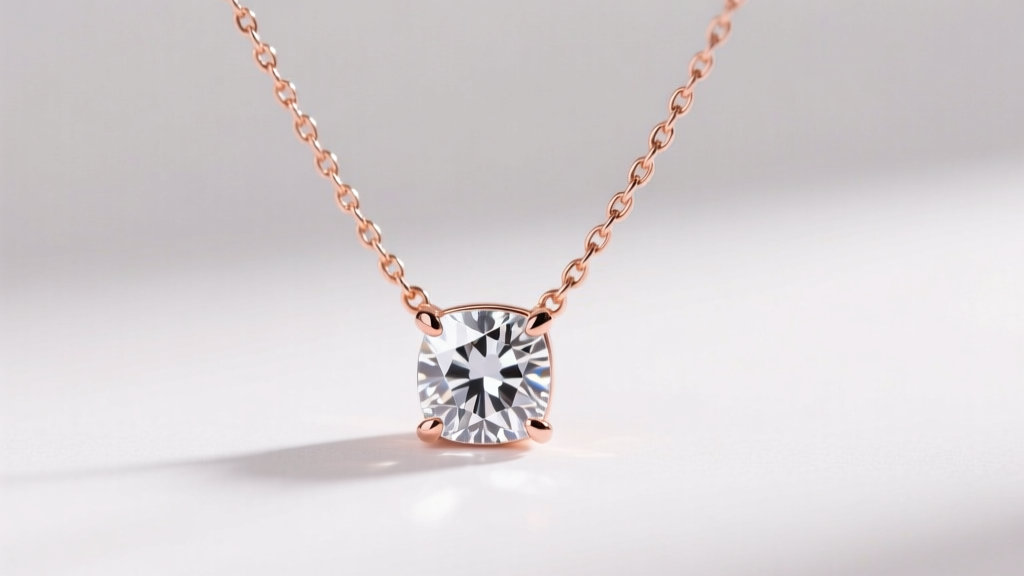
The Allure and Rarity of the Pink Diamond
When it comes to luxury jewelry, few items command the reverence and awe of pink diamond necklaces. Unlike yellow or blue diamonds, which owe their hues to trace elements like nitrogen or boron, natural pink diamonds are a geological miracle. Their color is the result of plastic deformation—a phenomenon where the diamond's crystal lattice is扭曲 (distorted) under immense pressure deep within the Earth's mantle, altering how the stone absorbs light. This rare structural anomaly, often visible under magnification as parallel graining lines, is what gives these gems their breathtaking blush tones.
For beginners stepping into the world of colored diamonds, the market can feel intimidating. Prices vary wildly, terminology is dense, and the line between natural and treated stones is heavily guarded by gemological laboratories. This guide will demystify the process, giving you the exact frameworks needed to purchase a pink diamond pendant or necklace with absolute confidence.
Natural vs. Lab-Grown: The 2026 Market Reality
The most critical decision you will make is choosing between a natural, earth-mined pink diamond and a lab-grown alternative. The market dynamics for these two categories have diverged dramatically in recent years.
The Argyle Mine Effect
Historically, the Rio Tinto Argyle mine in Western Australia produced over 90% of the world's natural pink diamonds. When the mine permanently ceased operations in late 2020, the supply of new natural pink diamonds effectively vanished. Today, natural Argyle pinks are considered investment-grade assets. According to the Gemological Institute of America (GIA), natural fancy pink diamonds routinely auction for hundreds of thousands of dollars per carat, making them largely inaccessible for the average jewelry buyer seeking a wearable necklace.
Lab-Grown Alternatives
For 99% of modern buyers, lab-grown pink diamonds offer the exact same chemical, physical, and optical properties as their natural counterparts, but at a fraction of the cost. These stones are typically created using Chemical Vapor Deposition (CVD) and then subjected to post-growth irradiation and annealing to achieve stable, vibrant pink hues. A high-quality lab-grown pink diamond pendant can be acquired for between $1,200 and $3,500 per carat, allowing beginners to own a stunning, durable gemstone without taking out a second mortgage.
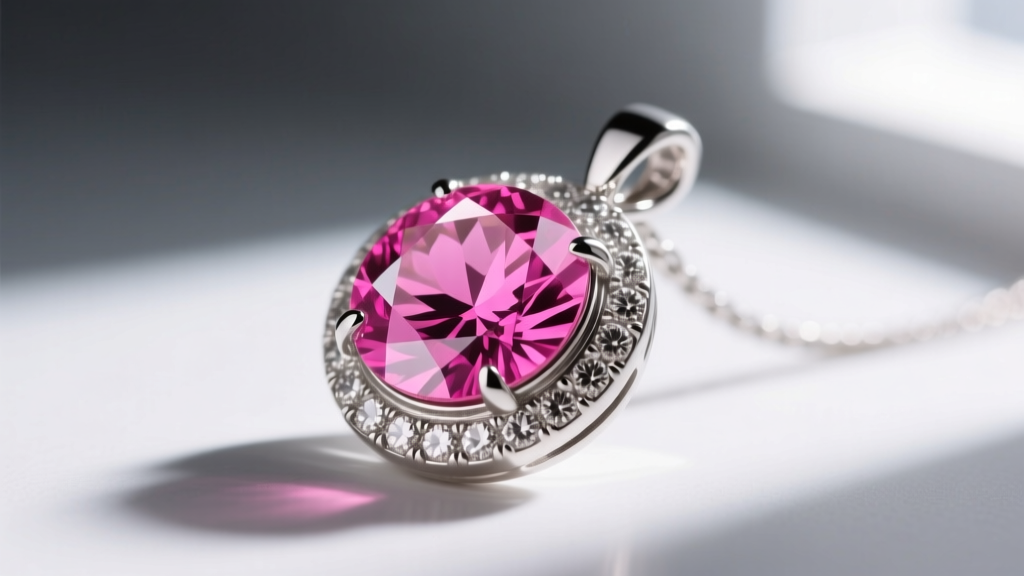
Decoding the GIA Color Grading Scale
Color is the single most important value factor for any pink diamond necklace. The GIA uses a strict grading scale to evaluate the hue, tone, and saturation of colored diamonds. Understanding this scale is your best defense against overpaying for a stone with weak color.
| GIA Color Grade | Visual Description | Market Impact & Pricing Tier |
|---|---|---|
| Faint / Very Light | Barely perceptible blush; often looks like a slightly warm white diamond. | Most affordable; excellent for subtle, everyday pendants. |
| Light / Fancy Light | Clear pastel pink hue; highly visible but soft and romantic. | Mid-tier pricing; the sweet spot for budget-conscious buyers wanting obvious color. |
| Fancy / Fancy Intense | Rich, saturated pink with strong visual impact and brilliance. | Premium pricing; highly sought after for luxury statement necklaces. |
| Fancy Vivid / Deep | Maximum saturation; electric, neon-like pink that dominates the stone. | Ultra-premium; rare even in lab-grown markets, commanding top dollar. |
Expert Tip: Pay close attention to secondary hues. A "Fancy Purplish Pink" diamond will generally command a higher price and exhibit a more desirable, cooler tone than a "Fancy Brownish Pink," which can look muddy or dull in certain lighting conditions.
Choosing the Right Metal Setting
The metal you choose for your necklace setting will drastically alter the perceived color of your pink diamond. Jewelers use specific alloys to either enhance or contrast the stone's natural hue.
- 14k or 18k Rose Gold: The most popular choice for pink diamonds. The copper alloys in rose gold reflect pink light back into the stone, making a "Fancy Light" diamond appear closer to a "Fancy" grade. This is a highly effective, budget-friendly trick used by expert jewelers.
- Platinum or 18k White Gold: These white metals provide a stark, neutral contrast. While they won't amplify the pink color, they allow the diamond's true, unadulterated hue to stand out. Platinum is also significantly more durable than gold, making it ideal for securing expensive, high-carat stones in prong settings.
- 18k Yellow Gold: A traditional choice that adds warmth. Yellow gold can sometimes make lighter pink diamonds look slightly peachy or orangy, which is a highly desirable trait for buyers seeking a "champagne-pink" aesthetic.
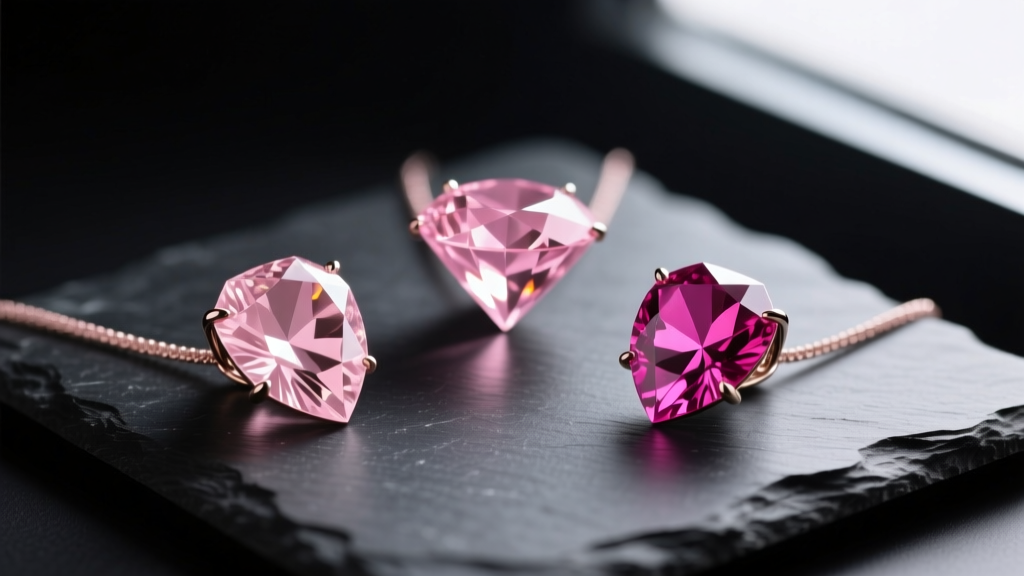
3 Red Flags to Avoid When Shopping Online
The internet is flooded with misleading jewelry listings. When shopping for pink diamond necklaces on e-commerce platforms, keep your guard up for these common deceptive practices:
1. The "Enhanced" Natural Diamond Trap
Some retailers sell natural diamonds that have been subjected to artificial irradiation and heat treatment to turn them pink, marketing them simply as "Natural Pink Diamonds." While the stone is earth-mined, the color is not. These treated stones are worth a fraction of untreated natural pinks. Always demand a GIA or AGS report that explicitly states the origin of color is "Natural." If the report says "Irradiated" or "Color Treated," walk away unless the price reflects a heavily discounted, treated stone.
2. Vague Terminology and Missing Certifications
Never buy a pink diamond pendant based solely on a retailer's in-house appraisal or a generic certificate of authenticity. According to Diamonds.pro, independent grading from a tier-one laboratory (GIA, AGS, or IGI for lab-grown stones) is non-negotiable. If a listing uses terms like "pink hue," "pink-tinted," or "champagne pink" without a corresponding lab report detailing the exact GIA color grade, you are likely looking at a low-grade brown diamond with a slight pinkish tint.
3. Suspiciously Low Pricing on "Natural" Stones
If you see a 1-carat "Natural Fancy Pink Diamond" necklace listed for $4,000, it is a scam or a gross misrepresentation. Natural fancy pinks start in the tens of thousands per carat at the absolute minimum. Prices that seem too good to be true almost always involve undisclosed color treatments, synthetic stones passed off as natural, or diamond simulants like pink sapphires or cubic zirconia.
Final Tips for First-Time Buyers
Buying your first pink diamond necklace should be an exciting milestone, not a stressful gamble. Start by deciding whether you want the investment prestige of a natural stone (which will likely require buying a smaller, lower-color-grade diamond) or the sheer visual impact of a lab-grown stone (which allows you to maximize carat weight and color saturation on a standard budget).
Always prioritize the cut quality. A poorly cut pink diamond will suffer from "windowing" (where light leaks out the bottom, creating a dead, transparent spot in the center of the stone), which completely destroys the color saturation. Insist on high-resolution 360-degree videos before purchasing any pendant online, and ensure the setting includes a secure halo or bezel to protect the delicate girdle of your rare gemstone.


