Aquamarine Diamond Necklace Troubleshooting: Care & Repairs
Discover expert troubleshooting for your aquamarine diamond necklace. Learn how to fix loose stones, clean safely, and prevent chain damage.

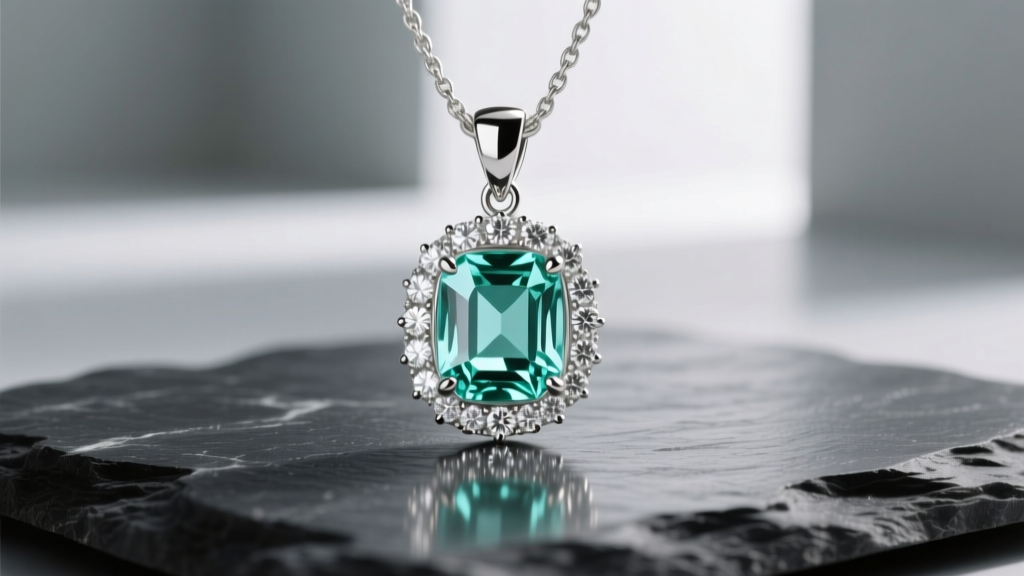
An aquamarine diamond necklace is a breathtaking investment, combining the serene, icy blue of beryl with the unmatched brilliance of diamonds. However, pairing these two distinct gemstones in a single piece of jewelry creates unique structural and chemical vulnerabilities. As we navigate the jewelry care landscape in 2026, advanced diagnostic tools and a deeper understanding of gemological stress points have changed how we approach maintenance. Whether you are dealing with a loose stone, a tangled chain, or mysterious color fading, this comprehensive troubleshooting guide will help you diagnose, fix, and prevent the most common issues plaguing your aquamarine diamond necklace.
The Hardness Disparity: Why Diamonds Damage Aquamarine
The most fundamental problem with an aquamarine diamond necklace stems from the Mohs scale of mineral hardness. Diamonds sit at a perfect 10, while aquamarine (a variety of beryl) ranks between 7.5 and 8. While an 8 might sound hard, the Mohs scale is logarithmic; a diamond is exponentially harder and more abrasive than aquamarine.
The Halo Setting Hazard
In popular halo or cluster settings, small pave diamonds are placed in close proximity to the center aquamarine. Over time, normal wear causes the necklace to flex. If the prongs holding the diamonds shift even a fraction of a millimeter, the sharp girdle of a diamond can grind against the aquamarine, causing micro-abrasions, scratching, or severe chipping along the facet junctions.
Troubleshooting Fix: Inspect the spacing between the diamond halo and the center stone using a 10x jeweler's loupe. If the stones are touching or the metal gallery between them is worn away, you must have a jeweler install a microscopic platinum bezel wall or re-seat the diamonds lower into the gallery to create a physical buffer zone.
Troubleshooting Prong Wear and Stone Looseness
Prong failure is the leading cause of lost gemstones. Because diamonds are so hard, they can actually act like a saw against the metal holding them, especially if the necklace is worn daily and subjected to friction from clothing.
| Prong Metal Type | Durability vs. Diamond | Common Failure Mode | Troubleshooting Fix |
|---|---|---|---|
| 14k White Gold | High (Rhodium plated) | Plating wears off; prongs thin and snap after 5-7 years of daily wear. | Re-tipping with a laser welder; rhodium replating. |
| 18k Yellow Gold | Moderate (Softer alloy) | Diamond girdle cuts deep grooves into the gold, leading to sudden prong failure. | Upgrade to platinum heads or transition to a bezel setting. |
| Platinum | Very High (Dense, malleable) | Prongs bend, flatten, or pull away from the stone rather than snapping. | Burnishing and polishing to restore the metal's grip on the girdle. |
Diagnostic Tip: Perform the 'tap test.' Gently tap the aquamarine and the surrounding diamonds with a wooden toothpick. If you hear a faint clicking or rattling sound, the stone is loose in its setting. Stop wearing the necklace immediately and take it to a professional for prong tightening.
Chain and Clasp Malfunctions: Diagnosing the Weak Links
The pendant is only as secure as the chain and clasp holding it. Aquamarine diamond pendants are often heavy due to the density of the center stone and the metal required to secure it, putting immense stress on delicate chains.
Fixing a Stiff or Broken Lobster Clasp
If your lobster clasp is stiff, sticky, or fails to snap shut completely, the internal spring mechanism is likely compromised by debris or corrosion. Never use household oils (like WD-40 or olive oil) to lubricate jewelry clasps; these oils attract dust and create an abrasive paste that will permanently jam the spring.
Troubleshooting Fix: Use a mechanical pencil to apply a tiny amount of graphite powder directly into the clasp lever. Graphite is a dry lubricant that will free the spring without attracting grime. If the clasp still fails to close securely, the internal tension spring is fatigued, and the entire clasp must be soldered and replaced.
Untangling and Straightening Delicate Chains
Box chains and omega chains are notorious for kinking. If a box chain kinks, the structural integrity of the interlocking links is compromised, making it highly susceptible to snapping under the weight of an aquamarine pendant.
Troubleshooting Fix: Lay the tangled or kinked chain on a flat, hard surface. Apply a single drop of baby oil to the knot or kink. Using two fine sewing needles, gently work the links apart from the outside in. Once untangled, clean the chain with a mild degreaser to remove the oil, which can otherwise dull the diamonds.
The Ultrasonic Cleaner Trap: Avoiding Catastrophic Fractures
One of the most devastating mistakes jewelry owners make is using ultrasonic cleaners on multi-gemstone pieces. While ultrasonic waves are generally safe for diamonds, they are incredibly dangerous for aquamarine.
Expert Warning: Never place an aquamarine diamond necklace in an ultrasonic cleaner. The high-frequency vibrations can cause cavitation inside the beryl's liquid inclusions, leading to catastrophic internal fracturing that cannot be repaired. Furthermore, the vibrations can shake the diamonds loose from their pave settings. Always refer to the Gemological Institute of America (GIA) guidelines for safe beryl maintenance.
The Safe Cleaning Protocol
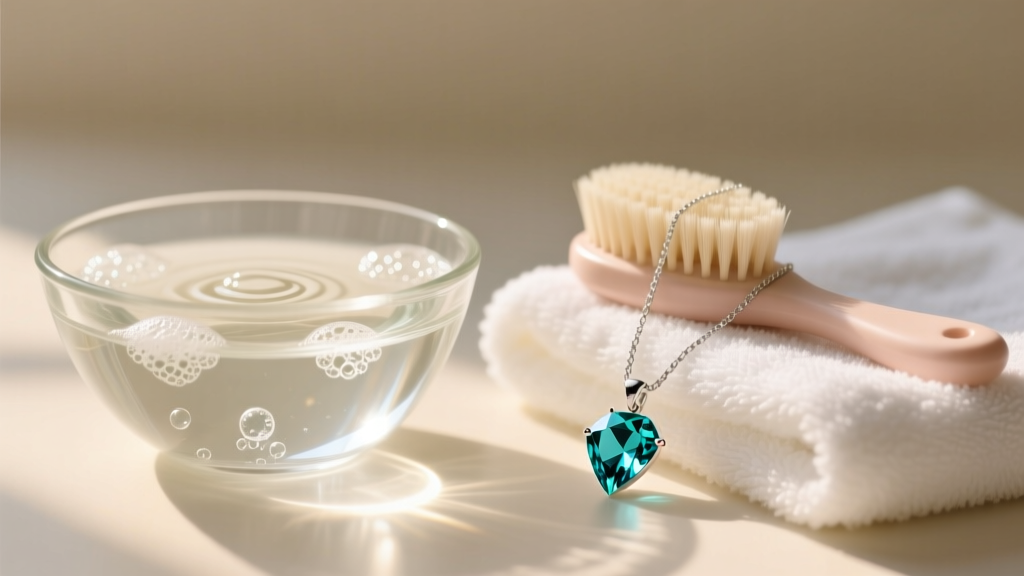
To safely restore the brilliance of your aquamarine diamond necklace without risking structural damage, follow this manual cleaning method:
- Prepare the Solution: Mix lukewarm distilled water with a few drops of ammonia-free, phosphate-free dish soap in a shallow glass bowl.
- Soak: Submerge the necklace for exactly 10 to 15 minutes. Do not exceed this time, as prolonged exposure to water can weaken the silk or nylon threads if the necklace features any knotted elements or mixed media.
- Agitate Gently: Use a brand-new, ultra-soft baby hairbrush to gently sweep behind the diamond pavilions and the culet of the aquamarine, where skin oils and lotions accumulate and block light return.
- Rinse and Dry: Rinse under a gentle stream of lukewarm water. Pat dry with a lint-free microfiber cloth. Never use paper towels, as the wood fibers can scratch the gold settings and leave micro-lint trapped in the prongs.
Heat Damage During Resizing and Repairs
Aquamarine gets its desirable blue hue from trace amounts of iron, and many stones on the market have been heat-treated to remove green or yellow secondary tones. However, beryl is highly sensitive to sudden thermal shock and excessive heat.
If you take your necklace to a jeweler for a repair—such as soldering a broken chain link near the pendant or resizing an attached ring component—the jeweler must use a laser welder or apply heat-absorbing paste to the gemstones. A traditional jeweler's torch can easily exceed 400°C in the immediate vicinity. This intense heat can cause the aquamarine to fracture instantly due to thermal shock, or worse, alter its chemical structure, causing the beautiful blue color to fade to a dull, lifeless gray.
Troubleshooting Fix: Always explicitly instruct your jeweler to remove the aquamarine and diamond stones from their settings before applying any torch heat to the metal mount, or insist on the use of a precision laser welder, which localizes heat to a microscopic area. For more on diamond and gemstone thermal limits, consult the GIA Diamond Care Guide and related gemological literature.
When to Seek Professional Jewelry Repair
While minor tangles and surface cleaning can be managed at home, certain troubleshooting scenarios require immediate professional intervention. Use this decision framework to determine when to stop your DIY efforts:
- Visible Light Under the Stone: If you can see a gap between the gemstone's girdle and the metal seat, the stone is at imminent risk of falling out.
- Cloudy or Milky Aquamarine: If the stone suddenly looks cloudy, it may have suffered a chemical reaction from harsh cosmetics or a fracture has developed inside the stone, scattering light.
- Chain Stretching: If the links near the clasp appear oval rather than round, the metal has work-hardened and is weeks away from snapping under the pendant's weight.
By understanding the unique metallurgical and gemological interactions within your aquamarine diamond necklace, you can troubleshoot issues before they result in permanent damage. Proactive care, combined with an awareness of the hardness disparities and thermal vulnerabilities of beryl, ensures your necklace remains a flawless, sparkling heirloom for decades to come.


