Roberto Coin Coin Necklace: 18K Gold & Diamond Material Guide
Explore the metallurgy and gemology of the Roberto Coin coin necklace. We compare 18k gold alloys, diamond grades, and long-term wear properties.

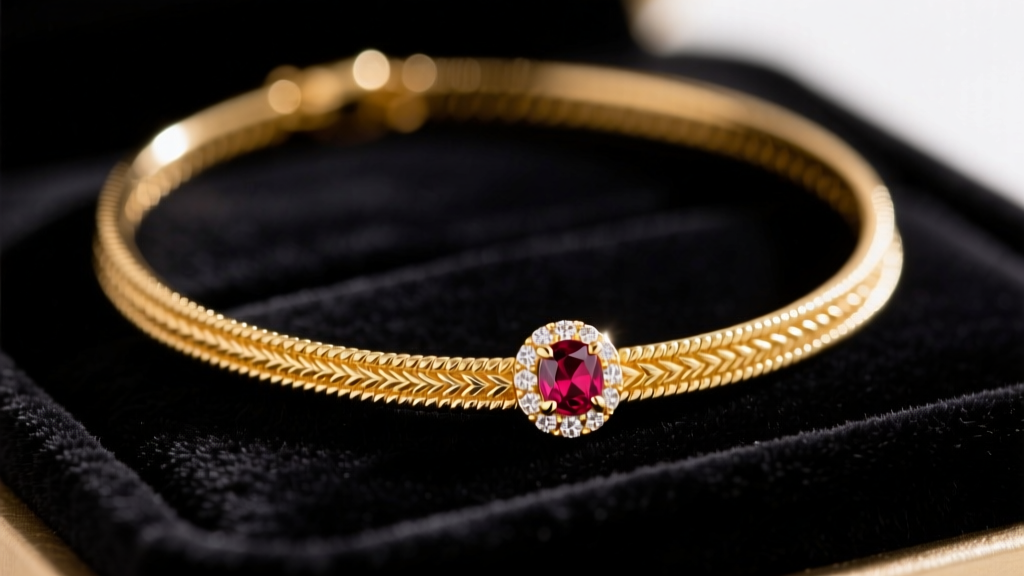
When evaluating luxury medallion jewelry, the Roberto Coin coin necklace stands out not just for its Italian craftsmanship, but for the rigorous material science engineered into every link, prong, and pavé setting. While mass-market coin pendants often rely on thin gold plating or low-karat alloys, Roberto Coin’s medallion and coin-inspired collections utilize premium 18k gold, precision-cut melee diamonds, and the brand's signature ruby. For collectors and daily wearers alike, understanding the specific metallurgical and gemological properties of these materials is essential for assessing long-term value, wearability, and structural integrity.
The Metallurgy of Roberto Coin: 18K Gold Alloys Explained
At the core of any Roberto Coin coin necklace is 18-karat gold, an alloy consisting of exactly 75% pure gold and 25% trace metals. Pure 24k gold is far too malleable (with a Vickers Hardness of roughly 60 HV) to hold the intricate milgrain detailing or diamond pavé found on Roberto Coin medallions. By alloying the gold, the brand achieves a Vickers Hardness of approximately 125–140 HV, striking the perfect balance between luxurious weight and structural durability.
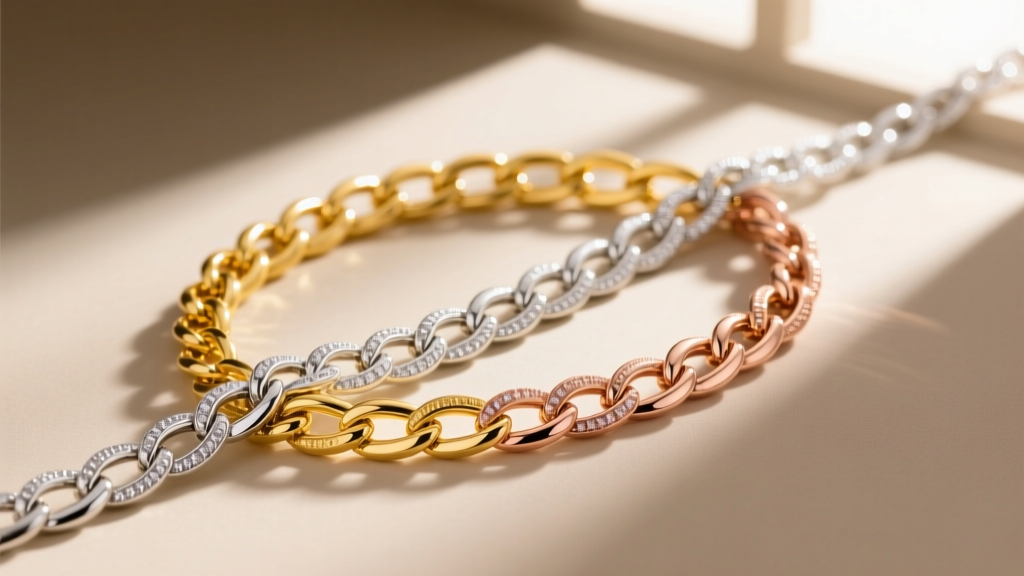
Yellow, Rose, and White Gold Compositions
- 18k Yellow Gold: Alloyed with a precise ratio of copper (approx. 12.5%) and silver (approx. 12.5%), this mixture yields Roberto Coin’s signature warm, rich hue while resisting the oxidative tarnishing seen in lower-karat golds.
- 18k Rose Gold: The copper content is increased to roughly 20-22%, with silver reduced. This not only creates the distinct pinkish-copper color but also slightly increases the tensile strength of the chain links.
- 18k White Gold: Unlike vintage or mass-market white gold that relies on nickel (a common allergen), Roberto Coin utilizes a palladium and silver alloy mix. This complies with strict EU Nickel Directives. Because palladium white gold naturally retains a faint grayish-warm undertone, it is flash-plated with a 0.1 to 0.5-micron layer of rhodium to achieve a mirror-like, bright white finish.
Gemological Breakdown: Melee Diamonds and the Signature Ruby
The perimeter of a Roberto Coin coin pendant is frequently lined with pavé-set diamonds, while the reverse side hides the brand’s iconic ruby. The material properties of these gemstones dictate how the necklace interacts with light and withstands daily friction.
Full-Cut vs. Single-Cut Melee Diamonds
Many commercial jewelers use 'single-cut' melee diamonds (featuring only 17 or 18 facets) for stones smaller than 0.05 carats to save on labor. Roberto Coin, however, predominantly utilizes 'full-cut' melee diamonds, boasting the standard 57 facets of a larger brilliant-cut stone. According to the Gemological Institute of America (GIA), full-cut melee provides vastly superior light return and scintillation, even in stones as small as 1.0mm in diameter. The diamonds typically fall in the G-H color range (near colorless) and VS-SI clarity, ensuring no visible carbon inclusions disrupt the continuous sparkle of the coin's border.
The Corundum Ruby
Roberto Coin’s signature is a small ruby cabochon set flush into the gold, designed to touch the wearer's skin. Ruby is a variety of corundum (aluminum oxide), ranking at a 9 on the Mohs scale of mineral hardness. As noted by the GIA's ruby encyclopedia, corundum is second only to diamond in hardness, meaning the hidden ruby will never scratch, cloud, or degrade from the friction of resting against the collarbone. Whether natural or lab-created for ethical consistency, its structural stability is absolute.
Material Comparison: Roberto Coin vs. Market Alternatives
How does a Roberto Coin 18k gold coin necklace compare to other popular medallion styles on the market? The table below breaks down the material realities of different luxury and mass-market alternatives.
| Material Attribute | Roberto Coin 18k Medallion | Ancient Coin Replicas (22k) | Mass-Market Gold Vermeil |
|---|---|---|---|
| Gold Purity | 75% (18k) | 91.6% (22k) | 2.5 microns over Sterling Silver |
| Vickers Hardness (HV) | 125 - 140 HV | 60 - 80 HV (Highly malleable) | Base is ~110 HV, surface is 250 HV |
| Prong / Pavé Security | High (Alloy holds tension) | N/A (Usually bezel or solid) | Low (Prongs bend easily) |
| Long-Term Wear | Generates a soft patina | Prone to deep scratches/bending | Galvanic corrosion & plating loss |
| Allergy Risk | Negligible (Nickel-free) | Negligible | Moderate (Copper/Silver oxidation) |
Chain Mechanics, Gauges, and Clasp Engineering
A heavy gold medallion requires a chain with adequate tensile strength. Roberto Coin typically pairs their coin pendants with 1.2mm to 1.5mm gauge cable or Venetian box chains. At a 1.5mm gauge, an 18k gold cable chain can withstand roughly 15 to 20 pounds of tensile force before the links begin to stretch or deform.
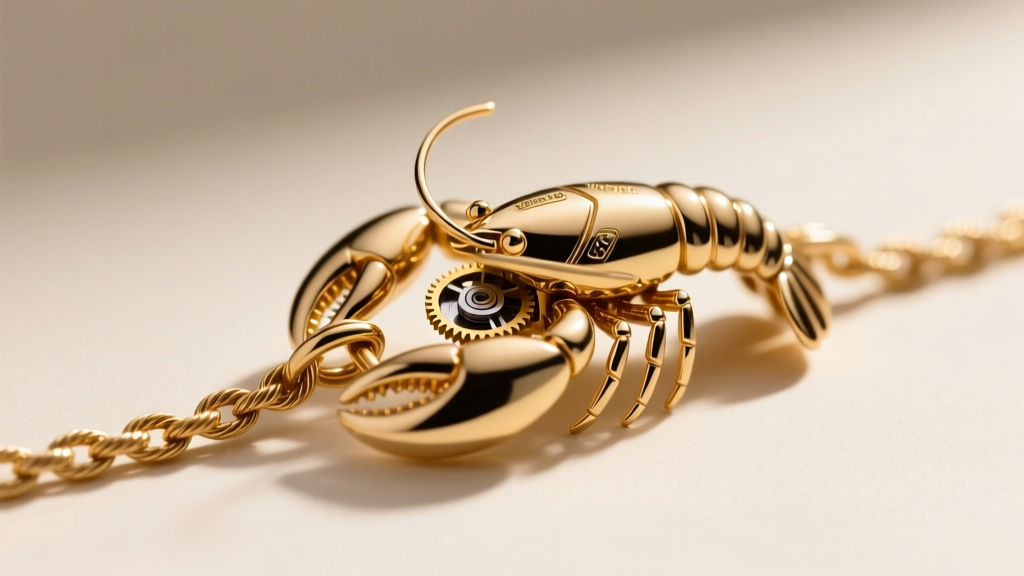
The most critical failure point on any necklace is the jump ring connecting the pendant to the chain, or the jump ring meeting the clasp. Roberto Coin utilizes laser-welded jump rings rather than soldered ones. Laser welding penetrates the metal at a microscopic level, creating a joint that is often stronger than the surrounding wire itself. The lobster clasps are engineered with high-tension internal springs, usually stamped from a single piece of 14k or 18k gold to prevent the lever from snapping under the dynamic weight of a swinging coin pendant.
Care, Patina, and Long-Term Material Degradation
Despite the durability of 18k gold, a Roberto Coin coin necklace requires specific maintenance to preserve its material integrity. Over time, the high-copper content in yellow and rose gold will react to environmental sulfur and the wearer's skin pH, developing a soft, darkened patina in the recessed milgrain edges. While some collectors appreciate this antique look, it can be reversed using a gentle, non-abrasive ultrasonic cleaning or a professional polishing cloth.
For white gold variations, the rhodium flash will inevitably wear thin on the back of the pendant and the clasp mechanism due to friction. This is not a defect in the gold, but a property of the plating. Re-rhodium plating by a certified jeweler every 3 to 5 years will restore the piece. Furthermore, as a proud member of the Responsible Jewellery Council (RJC), Roberto Coin ensures that all precious metals and gemstones are ethically sourced, meaning the material value of your necklace is backed by verifiable, conflict-free supply chain documentation. Investing in a Roberto Coin coin necklace is ultimately an investment in master-level metallurgy, designed to outlast the fleeting trends of the jewelry industry.


