The Beginner's Guide to Styling an Aquamarine Pearl Necklace
Discover how to choose, style, and care for an aquamarine pearl necklace. Learn about gemstone grades, pearl types, and perfect neckline pairings.

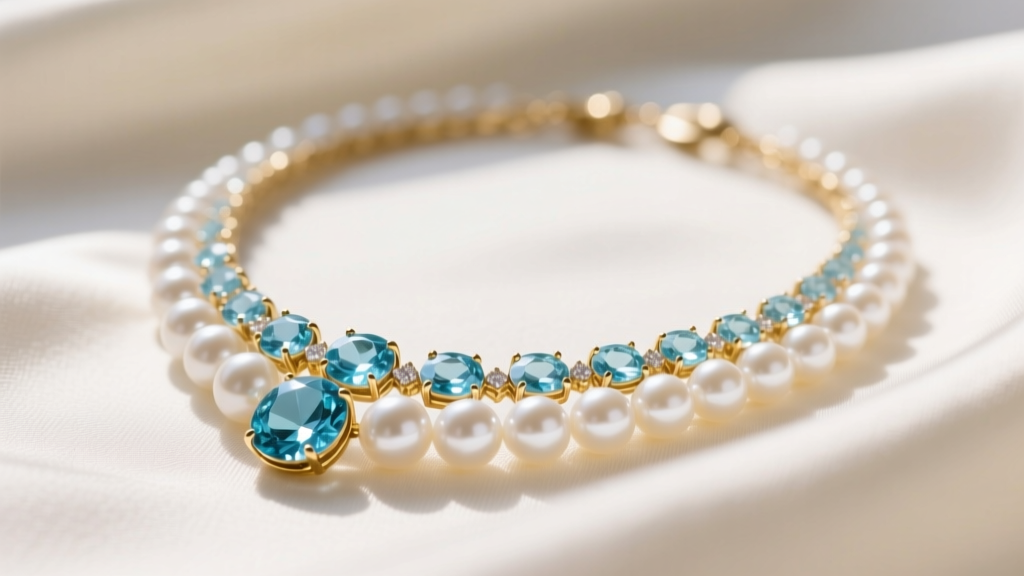
The Magic of Mixing Organic and Mineral Gems
When it comes to building a versatile and elegant jewelry collection, few combinations rival the serene beauty of an aquamarine pearl necklace. This pairing brings together the cool, crystalline depths of a beryl gemstone with the soft, iridescent glow of an organic pearl. For beginners stepping into the world of fine jewelry, understanding how to select, style, and maintain this specific combination is crucial. Unlike buying a simple gold chain, mixing a 7.5 Mohs hardness mineral with a 2.5 Mohs hardness organic gem requires specific knowledge to ensure your piece lasts a lifetime.
In this guide, we will break down everything you need to know about aquamarine and pearl jewelry, from decoding gemstone grading systems to matching your necklace with the perfect neckline. Whether you are shopping for your first fine jewelry piece or looking to expand your everyday rotation, these actionable insights will help you make a confident investment.
Decoding the Gems: What Beginners Must Know
Before you purchase an aquamarine pearl necklace, you need to understand the distinct characteristics of both stones. The value, durability, and overall aesthetic of your necklace hinge on these specific details.
Aquamarine: The 4 Cs of Beryl
Aquamarine is a blue variety of the mineral beryl. When evaluating the aquamarine pendant or beads in your necklace, color is the single most important value factor.
- Color Grades: Commercial-grade aquamarine is often very pale, almost icy white. Mid-range stones exhibit a clear, light blue. The most prized (and expensive) grade is Santa Maria, named after the Brazilian mine, featuring a deep, saturated, vibrant blue without green modifiers.
- Clarity: High-quality aquamarine should be 'eye-clean,' meaning no visible inclusions to the naked eye. If you see heavy internal fracturing, avoid the piece, as it compromises the stone's structural integrity.
- Treatments: According to the Gemological Institute of America (GIA), nearly all commercial aquamarine is heat-treated to remove yellowish or greenish tints. This is a stable, permanent, and universally accepted practice in the gem trade.
Pearls: Luster and Nacre Thickness
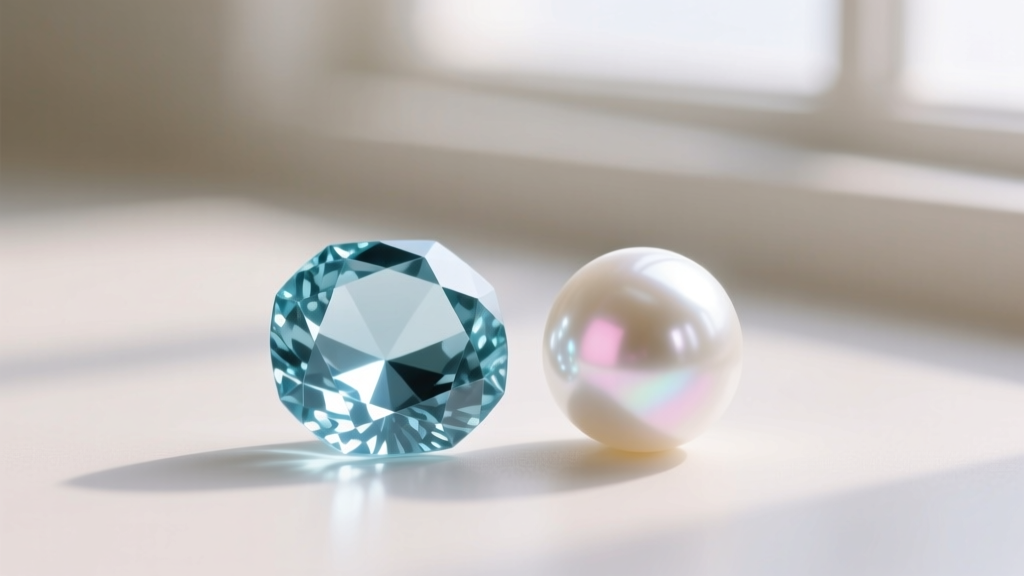
Pearls are organic gems created by mollusks, making them entirely different from earth-mined crystals. When paired with aquamarine, the pearl acts as a luminous contrast to the gem's glassy transparency.
- Akoya Pearls: Known for their perfectly round shapes and sharp, mirror-like luster. They are the premium choice for a classic, high-end aquamarine pearl necklace.
- Freshwater Pearls: More affordable and available in various baroque (irregular) shapes. They offer a softer, more romantic luster that pairs beautifully with rustic or bohemian aquamarine cuts.
- The Luster Test: Always examine the pearl's luster. You should be able to see a crisp reflection of your own eye or a light source on the surface. Chalky or dull pearls are low-grade and will not complement a sparkling aquamarine.
Metal Pairings: Setting the Stage
The metal you choose for your necklace's chain and settings dramatically alters the final look and price point. Because aquamarine is a cool-toned blue and pearls are typically white or cream, the metal acts as the framing device.
| Metal Type | Durability (Mohs) | Average Price Tier | Best Aesthetic Pairing |
|---|---|---|---|
| Sterling Silver (925) | 2.5 - 3.0 | $ (Entry Level) | Bohemian, casual, and everyday wear. Enhances the icy blue of pale aquamarine. |
| 14k Yellow Gold | 3.5 - 4.0 | $$$ (Mid-High) | Vintage and romantic. The warmth of the gold contrasts beautifully with cool blue gems and cream pearls. |
| 14k White Gold | 3.5 - 4.0 | $$$ (Mid-High) | Modern and sleek. Creates a monochromatic, icy palette that looks highly formal. |
| Platinum | 4.0 - 4.5 | $$$$ (Luxury) | Heirloom pieces. The strongest prong security for protecting your valuable gems. |
Pro Tip for Beginners: If you are buying a prong-set aquamarine pendant on a pearl strand, always ensure the prongs are made of at least 14k gold or platinum. Silver prongs can bend easily, risking the loss of your center gemstone.
Neckline Matching: Where to Wear Your Necklace
An aquamarine pearl necklace is highly versatile, but its impact depends heavily on the length of the chain and the neckline of your outfit. Here is a practical framework for styling your piece:
The Princess Length (18 Inches)
This is the most common length for a pendant necklace featuring a single aquamarine drop surrounded by a pearl halo, or a solitary aquamarine flanked by pearl stations. An 18-inch chain rests perfectly on the collarbone.
- Best Necklines: V-necks, scoop necks, and sweetheart necklines.
- Styling Advice: Allow the pendant to sit in the 'negative space' of a V-neck blouse. The geometric lines of the V will point directly to the blue gemstone, drawing the eye upward.
The Matinee Length (20 to 24 Inches)
Matinee lengths are ideal for full pearl strands that feature an aquamarine clasp or a large central aquamarine bead. This length falls just above the bust.
- Best Necklines: Crew necks, turtlenecks, and business-casual button-down shirts.
- Styling Advice: Wear a 22-inch freshwater pearl and aquamarine bead necklace over a crisp white linen button-down for a sophisticated, nautical-inspired office look.

Care and Maintenance: Protecting Your Investment
The most critical mistake beginners make is treating all jewelry equally. Because your necklace contains both a durable mineral (aquamarine) and a delicate organic gem (pearl), you must clean and store it according to the weakest link in the chain—which is the pearl.
The 'Last On, First Off' Rule
Pearls are highly porous and can be permanently damaged by the chemicals found in everyday cosmetics. Always apply your perfume, hairspray, lotions, and makeup before putting on your aquamarine pearl necklace. When you return home, take the necklace off immediately before changing clothes or washing your face.
Cleaning: What to Avoid
According to GIA's Pearl Care Guidelines, you must never use ultrasonic or steam cleaners on jewelry containing pearls. The high-frequency vibrations can shatter the pearl's nacre, and the heat can dehydrate the organic material, causing it to crack or peel. Furthermore, if your aquamarine has internal fractures (which is common in larger, untreated stones), ultrasonic waves can cause the gemstone to split entirely.
Safe Cleaning Routine
- Wipe the pearls gently with a soft, lint-free microfiber cloth after every wear to remove skin oils and acids.
- For the aquamarine gemstone, use a drop of mild, phosphate-free dish soap and lukewarm water on a soft baby toothbrush to gently scrub the back of the stone where lotion builds up.
- Rinse the gemstone carefully, avoiding soaking the pearl strand, especially if it is strung on silk thread (water will stretch and rot the silk).
- Lay the necklace flat on a towel to dry completely before storing.
Final Thoughts on Building Your Collection
An aquamarine pearl necklace is more than just a beautiful accessory; it is a study in contrasts. The geological resilience of the beryl crystal perfectly balances the fragile, organic origin of the pearl. By paying close attention to gemstone color grades, prioritizing high-luster pearls, and adhering to strict, pearl-safe cleaning protocols, you will ensure your necklace remains a breathtaking staple in your wardrobe for decades to come. Start with a mid-range 14k gold and freshwater pearl piece to test your style preferences before graduating to investment-grade Santa Maria aquamarines and Hanadama Akoya pearls.


