Aragorn Necklace Materials: Silver, Platinum & Pewter Compared
Compare sterling silver, platinum, and pewter for your Aragorn necklace. Discover the best metals and gems for an authentic Evenstar pendant replica.

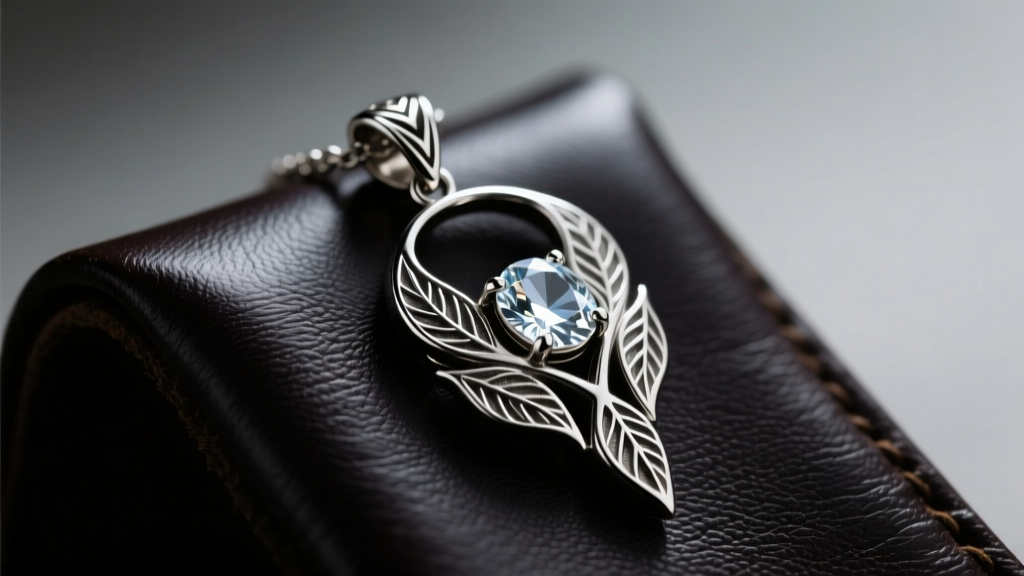
The Legacy of the Evenstar: Why Material Dictates Longevity
The Aragorn necklace, most famously recognized as the Evenstar pendant gifted to Arwen in The Lord of the Rings, has transcended its cinematic origins to become a staple of fantasy-inspired fine jewelry. However, the market is flooded with everything from $20 die-cast trinkets to $5,000 bespoke fine jewelry replicas. For collectors and daily wearers alike, understanding the metallurgy and gemology behind these pieces is critical. A replica's aesthetic might capture the Elven elegance of Rivendell, but its material composition dictates whether it will survive a decade of daily wear or turn your skin green within a month.
'The true test of fantasy jewelry is not how it looks on screen, but how its alloys and settings withstand the friction, moisture, and impacts of the real world.'
In this comprehensive guide, we break down the exact material properties, hardness scales, and structural failure points of the most common metals and gemstones used in Aragorn necklace replicas, helping you make an informed investment.
Base Metal Breakdown: Sterling Silver vs. Platinum vs. Pewter
The foundation of any pendant is its base metal. The intricate, sweeping leaf motifs of the Evenstar require a metal with excellent castability, but daily wear demands structural integrity. Below is a technical comparison of the three most prevalent metals used in these necklaces.
| Metal / Alloy | Standard Grade | Vickers Hardness (HV) | Density (g/cm³) | Tarnish Resistance | Avg. Price Range |
|---|---|---|---|---|---|
| Sterling Silver | 925 (92.5% Ag) | 60 - 75 HV | 10.36 | Low (Prone to sulfur oxidation) | $80 - $250 |
| Platinum | 950 (95% Pt) | 110 - 130 HV | 21.45 | High (Develops a soft patina) | $1,200 - $3,500+ |
| Pewter / Pot Metal | Britannia / Zinc | 15 - 30 HV | 7.10 - 8.50 | Variable (Often plated) | $15 - $50 |
The Case for 925 Sterling Silver
Sterling silver is the undisputed king of mid-tier fantasy jewelry. According to the Silver Institute, the addition of 7.5% copper to pure silver increases its tensile strength, making it suitable for detailed lost-wax casting. However, copper is highly reactive to sulfur in the air and human sweat. If you choose a silver Aragorn necklace, look for pieces that have been rhodium-plated. Rhodium is a platinum-group metal that provides a brilliant, tarnish-resistant barrier, though it will eventually wear off at high-friction points like the bail, requiring re-plating every few years.
Platinum: The Heirloom Standard
For a true heirloom piece, 950 platinum is unmatched. Its high density gives the pendant a substantial, luxurious heft that silver cannot replicate. Unlike white gold, which requires rhodium plating to maintain its bright white color, platinum's natural white luster is permanent. Over time, platinum develops a 'patina'—a satin finish caused by microscopic scratches. Crucially, platinum does not lose metal when scratched; the metal is merely displaced. A quick polish by a jeweler restores it to a mirror finish.
The Pewter Trap
Avoid pewter or zinc-alloy 'pot metal' replicas if you intend to wear the necklace regularly. These base metals are exceptionally soft and brittle. The most common failure mode in cheap Aragorn necklaces is the bail (the loop connecting the pendant to the chain) snapping under the dynamic load of a heavy chain or accidental snagging. Furthermore, unsealed pot metals often contain nickel or lead, which can cause severe contact dermatitis.
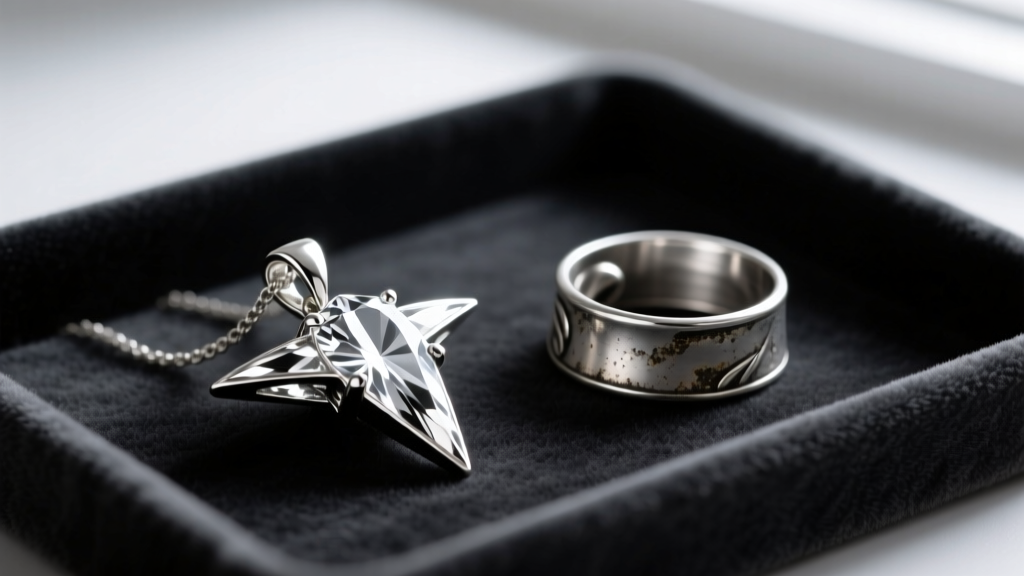
Gemstone Inlays: Diamond, Moissanite, and Crystal Alternatives
The central tear-drop or round gemstone of the Evenstar pendant is its focal point. High-end replicas utilize secure bezel or prong settings, while cheap versions rely on industrial adhesives that degrade upon contact with lotions, perfumes, and body heat. When selecting a stone, you must consider both hardness and toughness.
Mohs Hardness and Daily Wear
The Gemological Institute of America (GIA) emphasizes that hardness (scratch resistance) is only one factor in gemstone durability; toughness (resistance to chipping) is equally vital.
- Lab-Grown Diamond (10 Mohs): The ultimate choice for scratch resistance. However, diamonds have cleavage planes, meaning a hard, direct impact on the pendant's edge can still cause chipping.
- Moissanite (9.25 Mohs): An exceptional alternative. Moissanite lacks diamond's cleavage planes, giving it superior toughness for a pendant that might swing and hit a table edge. It also exhibits higher birefringence, resulting in intense 'fire' (rainbow light dispersion) that mimics the magical glow of Elven craftsmanship.
- Cubic Zirconia (8.0 - 8.5 Mohs): While initially brilliant, CZ is relatively soft and brittle. Within 12 to 18 months of daily wear, CZ will accumulate microscopic surface scratches, causing it to look cloudy and dull. It is also highly susceptible to chipping in prong settings.
Setting Mechanics
Always inspect the setting of the central stone. A bezel setting, where a rim of metal encircles the gemstone's girdle, is highly recommended for fantasy pendants. It protects the stone's vulnerable edges from impact and eliminates the risk of prongs catching on wool sweaters or hair.
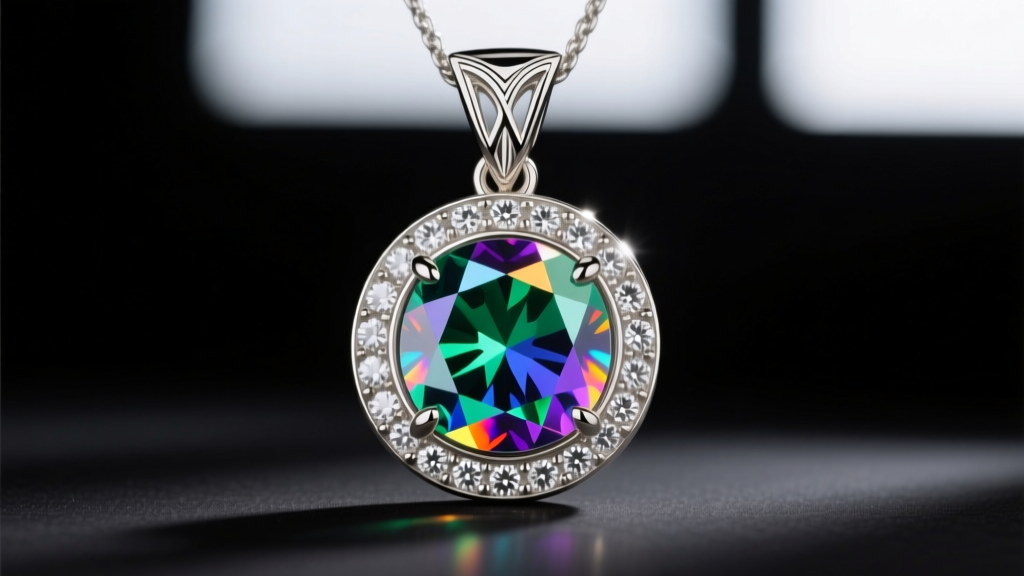
Chain Selection: Matching Weight and Elven Aesthetics
An exquisite pendant is easily ruined by an inadequate chain. The Aragorn necklace features a wide, ornate bail that requires a chain thick enough to support its weight but delicate enough to maintain the elegant, Elven aesthetic. Avoid standard 1.0mm cable chains, which will snap under the pendulum motion of a heavy silver or platinum pendant.
Recommended Chain Profiles
For a pendant weighing between 10 and 25 grams, opt for a chain width of 2.0mm to 3.0mm.
- Wheat (Spiga) Chain: The top recommendation for the Evenstar. The woven, directional links mimic the organic, nature-inspired motifs of Elven design. It is also incredibly strong due to its interlocking four-strand structure.
- Rope Chain: Excellent durability and high light reflection. The twisted links provide a vintage, rugged feel that aligns well with Aragorn's Ranger persona, though it can occasionally pull fine hair.
- Box Chain: Offers a clean, geometric contrast to the organic curves of the pendant. However, thinner box chains (under 2.0mm) are prone to kinking and crushing if bent.
Clasp Hardware
Never rely on a spring-ring clasp for a valuable pendant. The internal spring mechanism is a known point of failure. Always upgrade to a lobster clasp or a tension-backed trigger clasp, which features a larger, more robust internal spring and a wider opening to accommodate the pendant's bail.
Verdict: Which Aragorn Necklace Build is Right for You?
Choosing the right material for your Aragorn necklace depends entirely on your budget and wear frequency. For occasional cosplay or convention wear, a rhodium-plated 925 sterling silver pendant with a moissanite center stone offers the best balance of cinematic brilliance and structural longevity. For those seeking a permanent, daily-wear heirloom that honors the lore with uncompromising quality, a 950 platinum casting with a bezel-set lab diamond on a 2.5mm wheat chain is the ultimate tribute to the Evenstar. By prioritizing metallurgical integrity over cheap die-cast shortcuts, you ensure your pendant remains as enduring as the lineage of Elendil itself.


