Armour of God Necklace: Budget & Value Assessment Guide
Discover the true value of an armour of god necklace. We break down material grades, pricing tiers, and casting methods to help you buy smart.

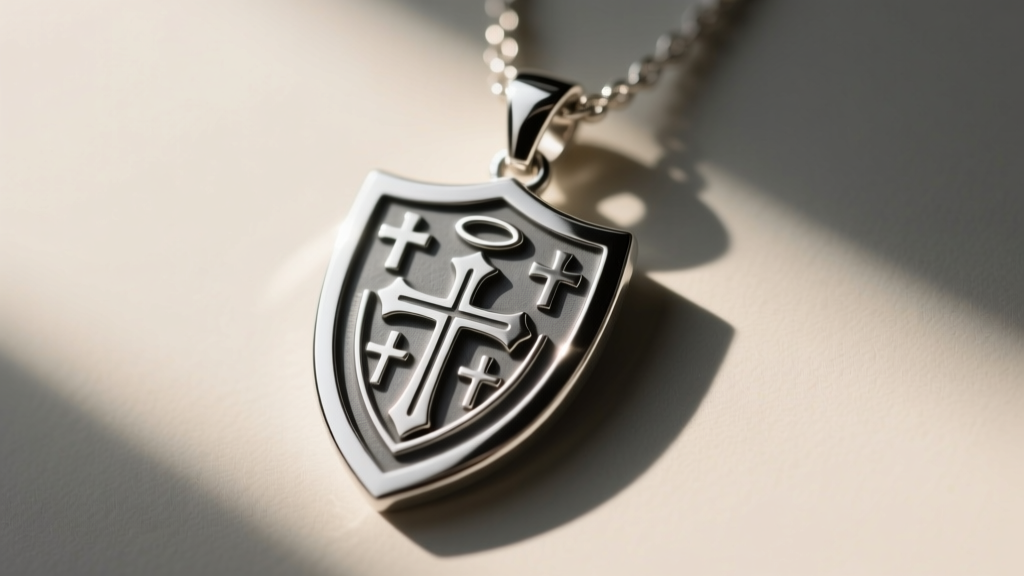
The armour of god necklace is more than just a fashion accessory; it is a profound spiritual reminder rooted in Ephesians 6:10-18. Representing the belt of truth, breastplate of righteousness, shield of faith, helmet of salvation, and the sword of the Spirit, these pendants carry deep personal significance for the wearer. However, as faith-based jewelry has surged in popularity, the market has become heavily saturated. In 2026, consumers are faced with a confusing landscape ranging from $12 dropshipped zinc alloys to $800 solid gold heirlooms. How do you determine the true value of an armour of god necklace? This comprehensive budget and value assessment breaks down material grades, casting methods, and pricing tiers to ensure your financial investment matches your spiritual one.
The True Cost of Faith-Based Jewelry: What Are You Paying For?
When evaluating any piece of religious jewelry, you are paying for three primary factors: raw material value, manufacturing precision, and brand markup. The intricate nature of an armour of god necklace—often featuring high-relief engravings of a Roman soldier's shield, a crossed sword, or a detailed breastplate—requires skilled craftsmanship to ensure the motifs do not look muddy or poorly defined. According to the Federal Trade Commission (FTC) Jewelry Guides, retailers must accurately disclose the metal composition and plating thickness of their pieces. Yet, many online marketplaces obscure these details behind vague terms like "premium silver-tone" or "gold-dipped." Understanding the metallurgy behind your pendant is the first step in assessing its true market value.
Material Breakdown: Price vs. Longevity
The base metal and finishing of your pendant will dictate its lifespan, skin compatibility, and overall cost. Below is a comparative analysis of the most common materials used for these specific pendants.
| Material Grade | Average Price Range | Durability & Wear | Tarnish & Allergy Risk | Best Use Case |
|---|---|---|---|---|
| Zamak / Zinc Alloy | $10 - $25 | Low; brittle, prone to snapping at the bail | High; often contains nickel, turns skin green | Short-term wear, budget gifts |
| 316L Stainless Steel | $30 - $65 | Very High; scratch-resistant, rigid | None; hypoallergenic, waterproof | Daily wear, active lifestyles |
| .925 Sterling Silver | $75 - $180 | Medium; soft, prone to scratching | Medium; requires polishing to remove oxidation | Heirloom gifts, formal occasions |
| 10k / 14k Solid Gold | $350 - $900+ | High; excellent longevity, can be polished | None; intrinsically valuable, safe for sensitive skin | Lifetime investment, baptism gifts |
For a definitive guide on precious metal standards, the Gemological Institute of America (GIA) notes that solid gold alloys (like 14k, which is 58.5% pure gold) offer the best balance of durability and intrinsic value, whereas silver requires regular maintenance to prevent sulfide tarnishing.
Evaluating the Pendant: Casting Methods and Detail Retention
An armour of god necklace relies heavily on visual storytelling. The tiny engravings on the shield of faith or the crossguard of the sword of the Spirit must be crisp. The manufacturing method directly impacts this detail and the pendant's structural integrity.
Lost-Wax Casting vs. Die-Striking
Most mid-range sterling silver and gold pendants are created using lost-wax casting. This method allows for deep, three-dimensional reliefs and complex undercuts, making it ideal for a detailed Roman breastplate motif. However, cast metals can sometimes be slightly porous. Die-striking, on the other hand, compresses the metal under immense pressure, resulting in a denser, stronger pendant with a smoother surface, though it is generally limited to flatter, two-dimensional shield designs. If you are purchasing a highly textured, 3D pendant, ensure it is cast by a reputable jeweler who polishes the piece by hand, rather than relying on mass tumbling which can erase fine details.
The Plating Trap: Flash vs. Vermeil
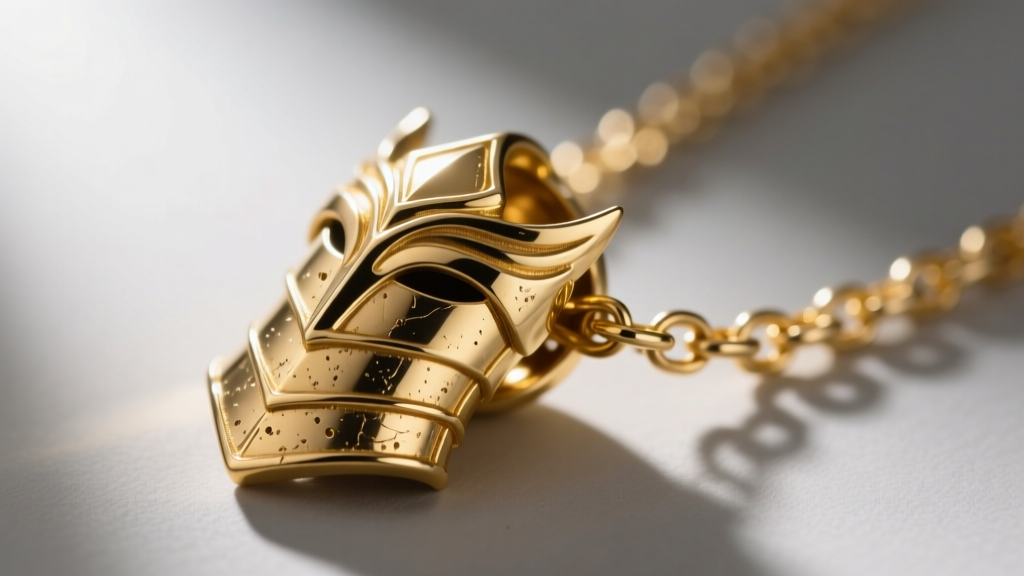
If you are buying a gold-toned armour of god necklace on a budget, you are likely looking at plated brass or silver. Be highly critical of plating thickness. "Flash plating" is a mere 0.1 to 0.3 microns thick and will rub off the high-relief edges of the shield or sword within weeks of daily friction. True gold vermeil (plated over sterling silver) must be at least 2.5 microns thick according to industry standards. Always check the product specifications for micron thickness; if it is not listed, assume it is flash-plated and adjust your budget expectations accordingly.
Chain Selection: Supporting the Weight of the Armour
A common failure point in faith-based jewelry is the chain snapping under the weight of a solid metal pendant. An armour of god necklace pendant, especially one encompassing multiple elements like a helmet, shield, and crossed swords, can easily weigh between 12 and 25 grams.
- Cable Chains: Generally too weak for pendants over 10 grams unless they are soldered and exceed 2.5mm in thickness.
- Box Chains: The optimal choice for heavy pendants. A 2.0mm to 3.0mm stainless steel or solid gold box chain distributes weight evenly and resists kinking.
- Rope Chains: Excellent for light reflection and durability, but the twisted links can occasionally catch on the pendant bail if the bail is not perfectly smooth.
Furthermore, inspect the bail (the loop that connects the pendant to the chain). A soldered, solid bail is essential. Hollow or glued bails are a hallmark of cheap manufacturing and will inevitably fail, resulting in the loss of your meaningful pendant.
Budget Tiers: Where to Spend Your Money in 2026
To help you navigate the market, we have categorized the current pricing landscape into three distinct tiers based on value and longevity.
Under $30: The Entry-Level Tier
At this price point, you are almost exclusively looking at 316L stainless steel or zinc alloys. Stainless steel is a fantastic budget option; it will not tarnish, it is waterproof, and it survives the rigors of daily wear. However, the detailing on sub-$30 steel pendants is often laser-etched or shallow-cast rather than deeply sculpted. Avoid anything labeled "zinc alloy" or "Tibetan silver," as these will degrade rapidly and cause contact dermatitis.
$75 to $180: The Sweet Spot for Daily Wear
This is where you find genuine .925 sterling silver and high-quality gold vermeil. In this tier, you can expect hand-polished lost-wax castings, crisp detailing on the biblical motifs, and sturdy soldered bails. According to the GIA Silver Guide, sterling silver is an excellent precious metal for daily wear, provided you are willing to occasionally wipe it down with a polishing cloth to remove oxidation. This tier offers the best balance of intrinsic material value and artisanal craftsmanship.
$350 and Above: Heirloom and Solid Gold Investments
For baptism gifts, confirmations, or milestone anniversaries, solid 10k or 14k gold is the standard. At this tier, you are paying for the raw gold weight (which fluctuates with the commodities market) and the artisan' labor. A solid 14k gold armour of god necklace will last generations without losing its structural integrity or requiring replating. Ensure the piece is properly hallmarked with a "14K" or "585" stamp and accompanied by a certificate of authenticity from the jeweler.
Red Flags and Overpriced Traps to Avoid
When shopping online or in mall kiosks, keep your guard up against deceptive marketing tactics that inflate the perceived value of the jewelry:
- "Gold Filled" Misnomers: True gold-filled jewelry requires a mechanical bonding process where gold constitutes at least 5% of the item's total weight. Many cheap overseas sellers illegally stamp cast brass pendants as "gold filled" when they are merely electroplated.
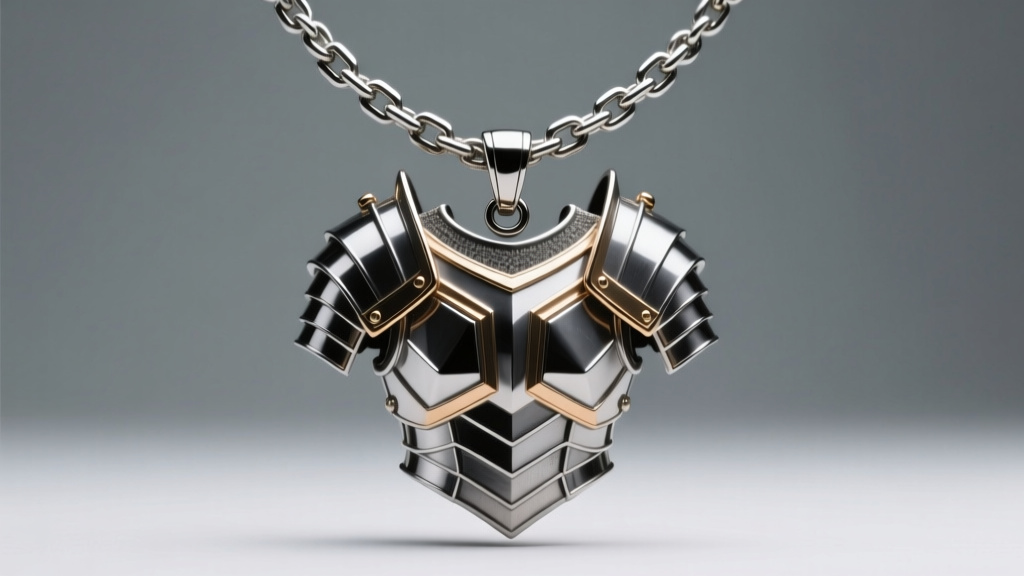
- Hollow-Back Pendants: To save on precious metal costs, some manufacturers create large, impressive-looking breastplate pendants that are completely hollow on the back. These are prone to denting if bumped against a hard surface and hold no intrinsic melt value.
- Glued Gemstones: If your pendant features a small cubic zirconia or diamond chip set into the shield, check the setting. Prong or bezel settings are secure; glued stones will fall out upon contact with warm water or ultrasonic cleaners.
Final Verdict: Maximizing Your Investment
An armour of god necklace is a deeply personal artifact meant to be worn close to the heart. When assessing your budget, prioritize material safety and structural integrity over sheer size. A modest, solid 14k gold shield pendant on a durable 2.5mm box chain holds far more long-term value and spiritual resonance than a massive, hollow, flash-plated brass piece that will turn your skin green within a month. By understanding the metallurgy, demanding transparent manufacturing details, and choosing the right chain to support the weight of the armour, you can secure a piece of faith-based jewelry that truly stands the test of time.


