Jennifer Tilly Necklace: 2026 Value & Budget Guide
Discover the true market value of the iconic Jennifer Tilly necklace style. Compare natural, lab-grown, and vintage diamond choker budgets for 2026.

The Anatomy of the Iconic "Jennifer Tilly" Diamond Choker
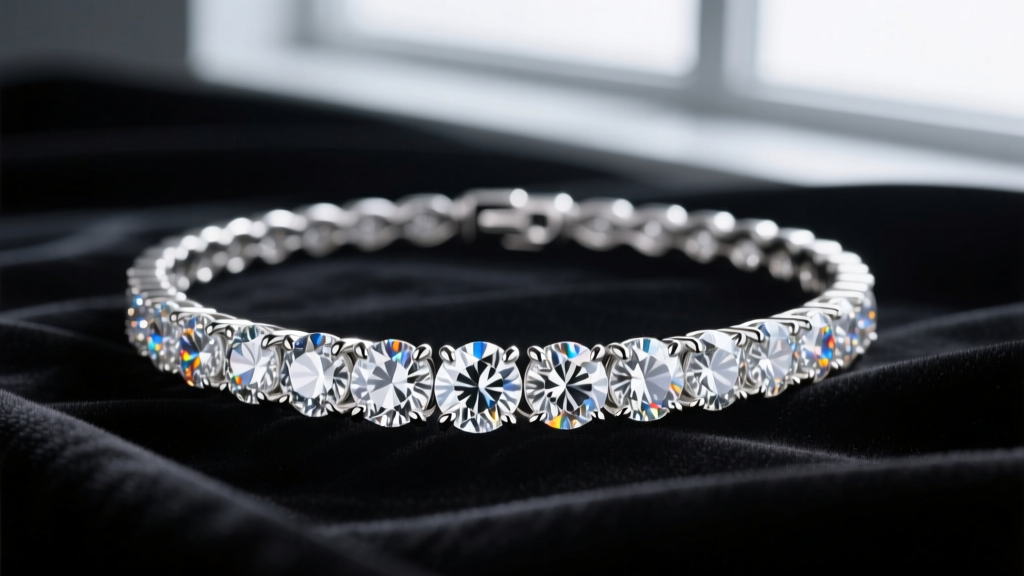
When jewelry enthusiasts and pop culture historians discuss maximalist diamond jewelry, the "Jennifer Tilly necklace" immediately comes to mind. Whether she is walking the Oscars red carpet or sitting at the final table of the World Series of Poker, Tilly’s signature look relies heavily on high-carat, icy diamond chokers and vintage Art Deco collars. However, the term "Jennifer Tilly necklace" does not refer to one single piece; rather, it defines a specific category of bold, unapologetic diamond tennis chokers that sit flush against the collarbone.
To accurately assess the budget and value of this style in 2026, we must first break down its gemological and structural anatomy. A true Tilly-style choker typically measures between 14 and 15 inches in length, designed to sit snugly above the clavicle. The total carat weight (TCW) usually ranges from a modest 15 carats to an overwhelming 45 carats. The diamonds are predominantly round brilliants, chosen for their superior light return, and are set in either four-prong or shared-prong mountings to minimize metal visibility and maximize the "icy" aesthetic.
2026 Market Value Assessment: Natural vs. Lab-Grown vs. Simulants
The diamond market has undergone a seismic shift over the last few years. According to the Gemological Institute of America (GIA), lab-grown diamonds have fundamentally altered the pricing structure of high-carat-weight jewelry. For collectors and fans looking to replicate the Jennifer Tilly necklace aesthetic, understanding the 2026 pricing tiers is critical for making an informed budget assessment.
| Material Category | Quality Specs (Color/Clarity) | Estimated 20-CTW Choker Price (2026) | Value Retention Outlook |
|---|---|---|---|
| Natural Earth-Mined | F-G Color / VS1-VS2 | $120,000 – $250,000+ | Moderate (Depends on provenance) |
| Lab-Grown Diamond (CVD/HPHT) | F-G Color / VVS1-VS1 | $6,500 – $14,000 | Low (Tech-driven price drops) |
| Moissanite (DEF Grade) | Colorless / VVS Equivalent | $1,800 – $3,500 | Low (Intrinsic material value) |
| High-End Cubic Zirconia (AAAAA) | D Color / Flawless Simulant | $300 – $800 | None (Costume jewelry tier) |
As the table illustrates, achieving the exact visual impact of Tilly’s multi-row or heavy single-row diamond chokers is now accessible at a fraction of the historical cost. However, value assessment goes beyond the initial purchase price; it requires an understanding of long-term wearability and secondary market behavior.
Strategic Budgeting: Where to Compromise and Where to Invest
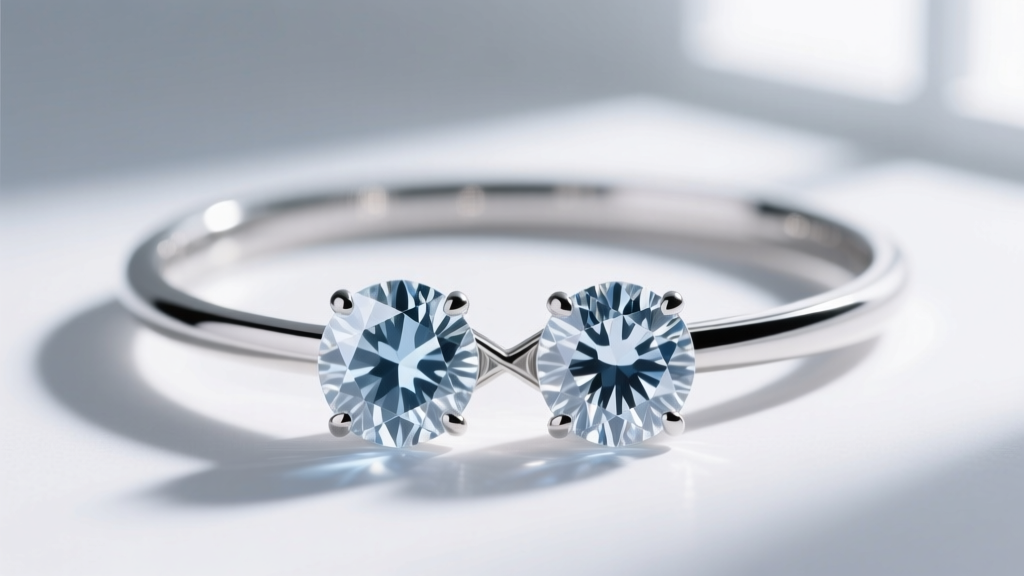
If you are allocating a budget between $5,000 and $20,000 for a lab-grown or vintage natural diamond choker, you must make strategic gemological compromises. The "Tilly look" demands an icy, colorless appearance, which dictates where your money should go.
Invest in Color, Compromise on Clarity
For a diamond tennis necklace, color is the most visible metric from a conversational distance. You should strictly target F or G color grades. Anything in the H or I range will show a faint yellow tint when laid out in a continuous 15-inch line against the skin, especially under the warm lighting of casino floors or red-carpet flash photography. Conversely, you can safely compromise on clarity. Because individual stones in a 20-carat choker are typically between 0.50ct and 1.25ct, an SI1 (Slightly Included 1) clarity grade is completely eye-clean. Paying a premium for VVS (Very Very Slightly Included) clarity in a tennis choker is a poor allocation of capital.
The Casino Lighting Factor: Fluorescence Matters
Jennifer Tilly is as famous for her poker prowess as her jewelry. Casino environments utilize complex, mixed-spectrum lighting, often with high UV components. When budgeting for a natural diamond choker, be highly cautious of stones with "Strong Blue Fluorescence." Under UV-heavy casino lights, strong fluorescence can cause natural diamonds to appear milky or oily, completely destroying the icy sparkle you paid for. Interestingly, some CVD lab-grown diamonds exhibit a subtle orange or red fluorescence under UV light, which is generally undetectable to the naked eye in well-lit rooms but worth noting for the ultra-purist collector.
Structural Integrity: The Hidden Costs of Heavy Necklaces
A 30-carat diamond choker is not just a piece of jewelry; it is a heavy, mechanical apparatus that wraps around a highly mobile part of the human body. The Federal Trade Commission (FTC) jewelry guidelines emphasize the importance of proper metal weight and setting security, yet many budget-conscious buyers overlook the structural requirements of heavy necklaces.
Platinum vs. 18k White Gold
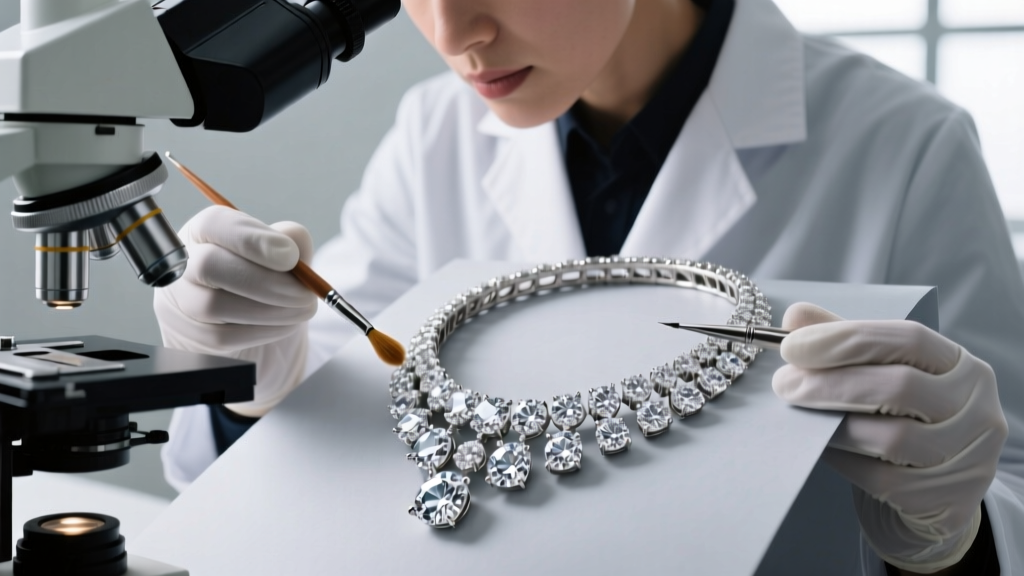
If you are purchasing a natural diamond choker valued over $50,000, Platinum 950 is non-negotiable. Platinum’s tensile strength and malleability mean that when a prong is struck, it bends rather than snaps, keeping the diamond secure. However, if you are budgeting for a lab-grown or moissanite alternative, 18k White Gold is a perfectly acceptable and more affordable choice. The caveat? White gold requires rhodium plating every 12 to 18 months to maintain that bright, "icy" white finish that matches the diamonds. Budget approximately $150 to $250 annually for this maintenance.
Insurance and Maintenance Overhead
Heavy chokers endure immense stress at the clasp and the center drape. According to Jewelers Mutual, insuring a high-value diamond necklace requires a specialized rider on your homeowner's policy or a dedicated jewelry insurance policy, typically costing 1% to 2% of the appraised value annually. For a $100,000 natural diamond Tilly-style choker, expect to pay $1,500+ per year in premiums. Furthermore, a heavy choker requires professional ultrasonic cleaning and prong-tightening every six months. Failure to do so can result in a lost center stone, a catastrophic financial failure that ruins the value of the entire piece.
Sourcing Strategies for the Budget-Conscious Collector
To capture the Jennifer Tilly necklace aesthetic without overpaying, your sourcing strategy is just as important as your gemological knowledge.
- Estate and Secondary Markets: The secondary market for natural diamond tennis necklaces is currently soft. Buyers can often acquire vintage 1990s and early 2000s natural diamond chokers at 30% to 40% below their original retail replacement value. Look for pieces with older European cut or transitional cut diamonds for a unique, vintage flair that stands out from modern round brilliants.
- Custom Lab-Grown Specialists: Rather than buying off-the-shelf, work with a custom CAD designer to create a shared-prong or U-prong setting tailored exactly to your neck circumference. A 14.5-inch custom fit ensures the choker lays perfectly flat without buckling, a common issue with mass-produced 16-inch necklaces that are artificially shortened.
- The Illusion of Multi-Row: If a 40-carat single-row choker is out of budget, consider a multi-row collar featuring smaller melee diamonds (0.10ct to 0.20ct each). Melee diamonds are significantly cheaper per carat than larger stones, allowing you to achieve a massive 50-carat total weight "bib" or collar effect that mimics Tilly’s most extravagant red-carpet moments for a fraction of the cost.
Final Verdict on the Tilly Aesthetic
The Jennifer Tilly necklace style remains the ultimate symbol of diamond maximalism. In 2026, the barrier to entry for this iconic look has never been lower, thanks to the stabilization of lab-grown diamond pricing and the softening of the secondary natural diamond market. By prioritizing F-G color over VVS clarity, insisting on platinum for heavy natural pieces, and accounting for the hidden costs of rhodium plating and insurance, you can successfully budget for and assess the true value of a diamond choker that commands the room—whether you are at a Hollywood premiere or the WSOP final table.


