2026 Art Necklace Gift Guide: Matching Styles to Occasions
Discover how to choose the perfect art necklace gift for any occasion. Our 2026 guide covers materials, artists, and styling tips.

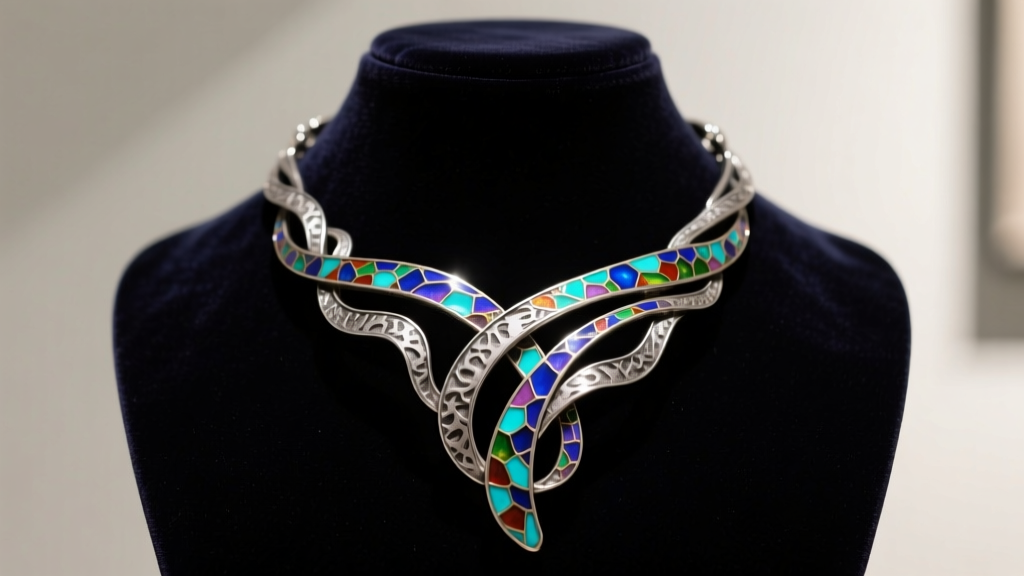
What Defines a True Art Necklace?
Gifting jewelry is a time-honored tradition, but selecting an art necklace elevates the gesture from a simple accessory purchase to the curation of wearable sculpture. Unlike mass-produced commercial jewelry, an art necklace is born from the intersection of fine art and metallurgy. These pieces are often conceptual, utilizing unconventional materials, avant-garde silhouettes, and master-level bench techniques that prioritize artistic expression over traditional gemstone carat weight.
When you gift an art necklace, you are not just giving a decorative item; you are giving a conversation piece. According to the Society of North American Goldsmiths (SNAG), contemporary art jewelry challenges the boundaries of adornment, often incorporating mixed media, kinetic elements, or historical techniques revived for modern aesthetics. For the gift-giver, this means understanding the recipient's lifestyle, wardrobe architecture, and personal philosophy to ensure the piece resonates on a deeper level.
The Occasion-Matching Matrix
Matching an art necklace to the correct occasion requires balancing the piece's visual weight with the event's dress code and the recipient's personal style. Below is our 2026 matrix for aligning artisan necklaces with specific gifting milestones.
| Occasion | Recommended Style | Material Focus | Budget Range |
|---|---|---|---|
| Gallery Opening / Premiere | Asymmetrical, bold, sculptural | Anodized titanium, mixed resin, oxidized brass | $350 - $800 |
| Corporate Milestone | Geometric, refined, modular | Mokume gane, matte 18k gold, black spinel | $500 - $1,500 |
| Romantic Anniversary | Organic, intimate, tactile | Plique-à-jour enamel, rose gold, raw pearls | $400 - $1,200 |
| Bohemian Festival | Kinetic, layered, earthy | Hammered copper, leather, raw turquoise | $120 - $300 |
| Everyday Creative | Minimalist but textural | Recycled silver, vitreous enamel, silk cord | $150 - $400 |

Material & Craftsmanship Deep Dive
To select a piece that will endure both physically and stylistically, you must understand the techniques that define high-end artisan jewelry. An informed gift-giver should look for these specific hallmarks of craftsmanship:
1. Vitreous Enamel Techniques
Enamel is not merely painted glass; it is a complex metallurgical bond. Champlevé involves carving troughs into thick metal and filling them with opaque enamel, resulting in a durable, graphic piece perfect for everyday wear. Plique-à-jour, conversely, is a master-level technique where translucent enamel is suspended in a metal framework without a backing, creating a stained-glass effect. Plique-à-jour is fragile and best gifted to collectors who understand it requires careful handling and is meant for special occasions rather than daily commuting.
2. Mokume Gane
Originating in 17th-century Japan, this technique fuses multiple layers of contrasting precious metals (like 18k gold, palladium, and sterling silver) using heat and pressure. The resulting billet is carved and flattened to reveal a stunning, one-of-a-kind wood-grain pattern. A Mokume Gane art necklace is an exceptional gift for anniversaries, as no two patterns are identical.
3. Anodized Titanium and Niobium
For the recipient with metal sensitivities or a love for avant-garde color, anodized titanium is ideal. By applying specific electrical voltages, the jeweler alters the oxide layer on the titanium's surface, producing vibrant, permanent hues of violet, teal, and gold without using dyes or plating. These pieces are incredibly lightweight, allowing for massive, dramatic sculptural necklaces that won't strain the wearer's neck.
Pricing Tiers for Artisan Necklaces
- Emerging Artists ($80 - $250): Often working in brass, copper, polymer clay, or small-scale silver. Excellent for thoughtful, budget-conscious gifts with high artistic merit.
- Established Studio Jewelers ($300 - $800): Utilizing precious metals, complex enameling, and custom-fabricated chains. This is the sweet spot for major milestones.
- Gallery / Museum Pieces ($1,000 - $5,000+): Highly conceptual, often incorporating rare gems or experimental mixed media. These are investment-grade collectibles.
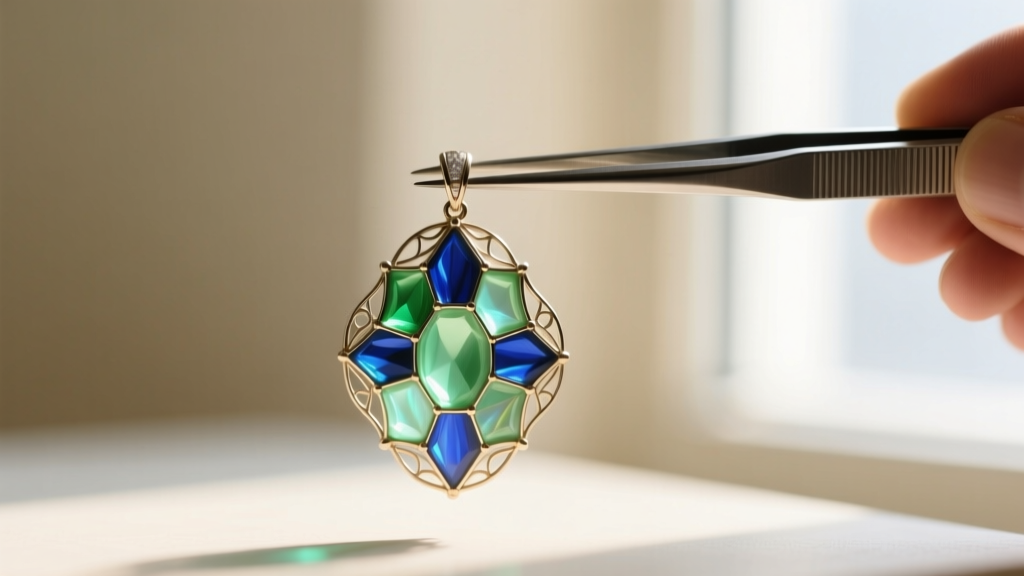
Hardware, Weight, and Wearability
The most common mistake when gifting heavy, sculptural art necklaces is overlooking the hardware. A 50-gram cast bronze pendant will quickly warp and snap a standard 1.2mm commercial cable chain. To ensure your gift is wearable and durable, you must evaluate the pendant-to-chain ratio.
Chain Gauge and Weave: For pendants weighing between 30 and 60 grams, the chain must be substantial. Opt for a 3.5mm to 5mm Spiga (wheat) chain, a heavy Rolo chain, or a multi-strand woven leather cord with reinforced silver end-caps. These weaves distribute the kinetic stress of a heavy pendant swinging against the chest, preventing metal fatigue.
The Bail and Jump Rings: Inspect the bail (the loop connecting the pendant to the chain). On a true art necklace, the bail should be cast or soldered closed. If it is merely a bent wire with a visible seam, the heavy pendant will eventually pry it open and fall off. Furthermore, any jump rings connecting the chain to the clasp must be soldered shut.
Clasp Accessibility: Heavy art necklaces often sit at the collarbone or sternum, making back-of-the-neck clasps difficult to manipulate. For older recipients or those with dexterity challenges, upgrade the piece with a high-grade neodymium magnetic clasp or a 15mm cast lobster clasp equipped with an extended pull-tab. This ensures the jewelry is actually worn, rather than left in a box due to frustration.
Sourcing Authentic Wearable Art
In an era saturated with dropshipped, mass-produced 'boho' jewelry falsely marketed as handmade, sourcing authentic art necklaces requires diligence. Avoid generic marketplaces where algorithmic duplication thrives. Instead, seek out verified artisan networks and guilds.
The American Craft Council hosts vetted shows and directories featuring jewelers who fabricate their work from raw materials. Purchasing from a council-affiliated artist guarantees that the piece was conceived and executed by a dedicated craftsperson, not assembled from imported components. Similarly, browsing the member directories of regional metalsmithing guilds or university MFA jewelry programs is an excellent way to discover emerging talent before their prices escalate.
When commissioning or purchasing directly from a studio, always request a provenance card. This small, beautifully printed document details the materials used, the techniques employed, and the specific care instructions (e.g., 'keep away from ultrasonic cleaners' for oxidized or enameled pieces). Including this card in your gift box transforms the presentation, providing the recipient with the story and context that makes an art necklace truly priceless.


