The Ultimate Mango Necklace Buying Guide: Wood, Seeds & Pendants
Discover how to choose the perfect mango necklace. Our buying guide covers sustainable mango wood beads, carved seed pendants, and enamel.

Introduction: The Renaissance of Mango Jewelry
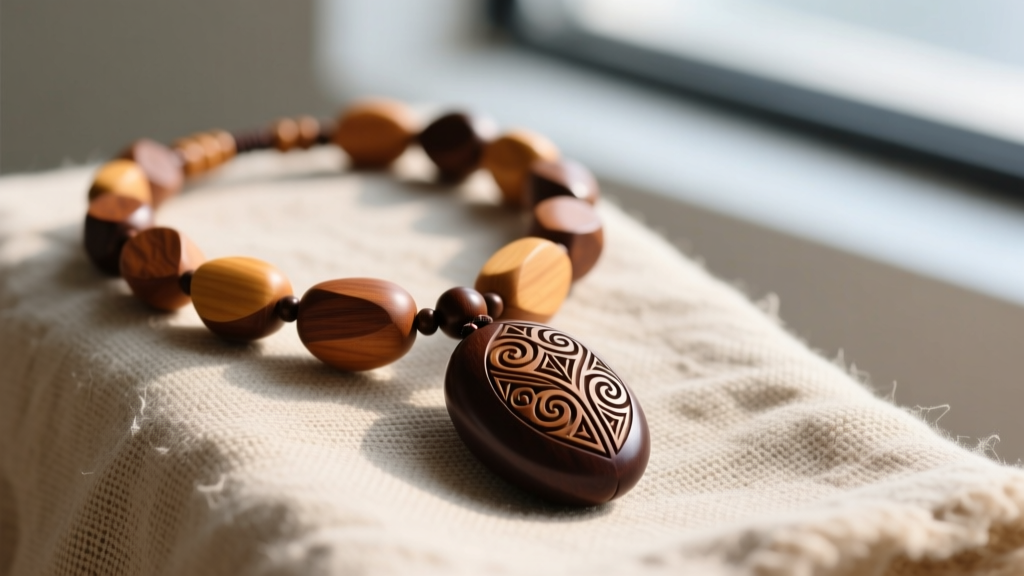
When jewelry enthusiasts search for a 'mango necklace,' they are typically navigating three distinct, highly specialized categories: sustainable mango wood bead necklaces, intricately carved mango seed (pit) pendants, and tropical mango-shaped enamel or gemstone pendants. In 2026, the demand for organic, botanical, and eco-conscious jewelry has pushed mango-derived materials into the spotlight. However, buying organic jewelry requires a completely different evaluation framework than purchasing cast metals or faceted gemstones. This comprehensive buying guide will equip you with the exact material specifications, structural red flags, and hardware requirements needed to invest in a high-quality mango necklace that lasts.
Mango Wood: Sustainability, Hardness, and Grain
Mango wood (Mangifera indica) is a byproduct of the fruit industry. Trees that have ceased producing fruit (typically after 15 to 20 years) are harvested for lumber, making it an inherently sustainable material endorsed by organizations like the Forest Stewardship Council (FSC). For jewelry makers, mango wood offers a dense, durable canvas.
Understanding the Janka Hardness Rating
According to The Wood Database, mango wood possesses a Janka hardness rating of approximately 1,077 lbf (4,790 N). This places it in the same durability tier as black walnut and teak, meaning it is highly resistant to the dents and scratches that plague softer botanical jewelry like balsa or pine. When buying a mango wood beaded necklace, look for beads that feel surprisingly heavy for their size; a low-density feel often indicates the wood was harvested prematurely or is a veneered synthetic imitation.
Grain Patterns and Finishing Oils
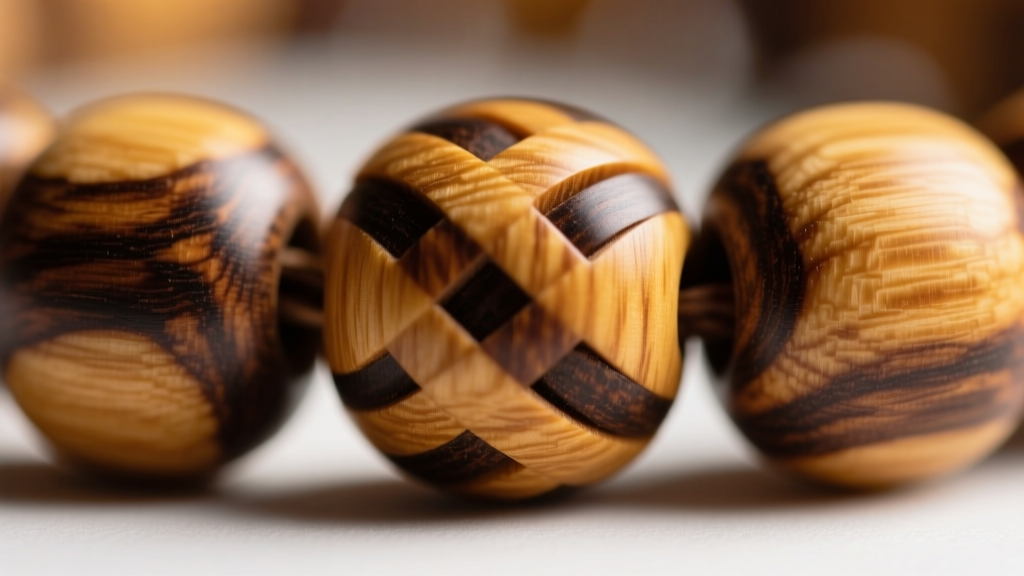
Authentic mango wood features an interlocking grain with striking color variations ranging from golden-brown to dark, almost black, mineral streaks. The finish is critical for skin safety and longevity. Avoid necklaces finished with thick polyurethane coatings, which can crack, peel, and cause contact dermatitis. Instead, seek out artisanal pieces finished with cold-pressed tung oil or raw beeswax. Tung oil polymerizes within the wood pores, providing a waterproof, skin-safe barrier that enhances the natural chatoyancy of the grain without creating a plastic-like shell.
Mango Seed Pendants: Carving and Stabilization
The mango seed, or pit, features a tough, fibrous outer husk and a hard inner kernel. Artisans carve the dried husks into intricate, lace-like pendants that mimic the texture of coral or ivory. However, buying a mango seed pendant requires strict attention to stabilization.
The Stabilization Requirement
Raw mango seed is highly hygroscopic, meaning it absorbs and releases moisture from the air. Without stabilization, a carved mango seed pendant will inevitably warp, split, or crack when exposed to the natural humidity fluctuations of human skin and outdoor environments. High-end botanical jewelers stabilize the seeds using a vacuum chamber and cyanoacrylate resin or methyl methacrylate (Cactus Juice). This process replaces the air and moisture inside the seed's cellular structure with a hardened polymer. Buying Tip: Flick the pendant lightly with your fingernail. A stabilized seed will produce a sharp, high-pitched 'clack' similar to acrylic, whereas an unstabilized seed will emit a dull, muted thud and feel slightly powdery.
Tropical Enamel Mango Pendants
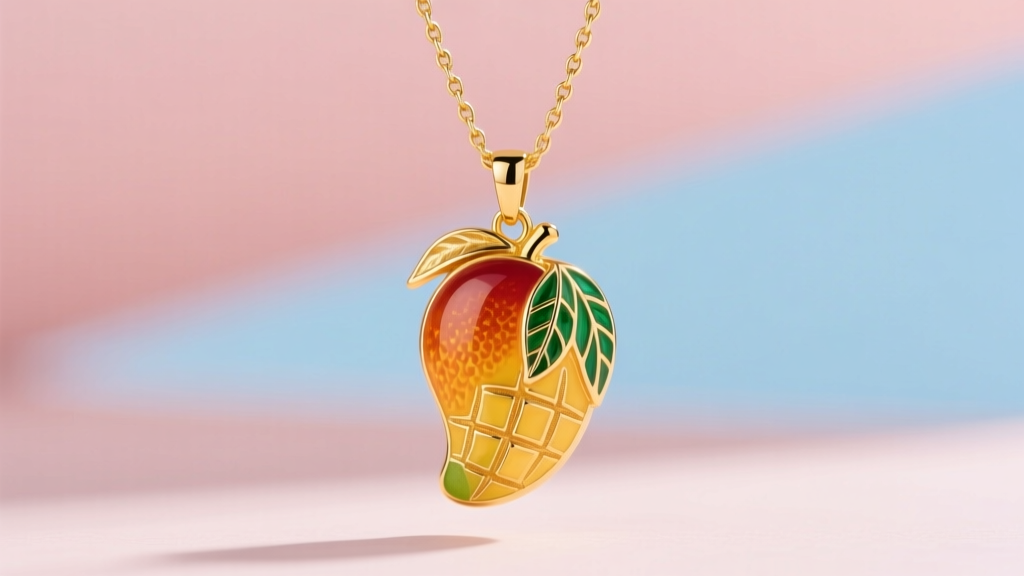
For those seeking a literal interpretation of the mango, high-end tropical pendants shaped like the fruit are a staple in statement jewelry. These are typically crafted using champlevé or guilloché vitreous enamel techniques over a sterling silver or 14k/18k gold base. When evaluating an enamel mango pendant, inspect the transition zones between the 'skin' colors (usually a gradient of green, yellow, and deep crimson). High-quality vitreous enamel will have a glass-like depth and a perfectly smooth, flush surface against the metal cloisons. Avoid cold enamel (epoxy resin) if you want a piece that resists yellowing from UV exposure over time.
Hardware, Stringing, and Red Flags
The structural integrity of a mango wood or seed necklace relies entirely on its stringing material and clasps. Organic beads have sharp, unpolished drill holes that can saw through standard cotton or cheap nylon threads over time.
- Stringing Material: Insist on Griffin silk cord (size #6 or thicker for heavy wood beads) or Beadalon 49-strand stainless steel micro-wire. Avoid monofilament or elastic cords, which degrade rapidly when exposed to the natural oils secreted by the neck.
- Clasp Selection: Heavy mango wood bead necklaces require a secure locking mechanism. A stainless steel or 14k gold lobster clasp with a soldered jump ring is mandatory. Magnetic clasps are popular for accessibility but frequently fail under the sheer weight of dense hardwood beads.
- Red Flags: Be wary of 'mango wood' necklaces priced under $25. Genuine, hand-turned, and properly stabilized botanical jewelry requires significant labor. Ultra-cheap alternatives are often dyed howlite, resin-cast molds, or plastic beads with a wood-grain hydro-dip finish.
Comparison Chart: Mango Necklace Materials
| Material Type | Durability Metric | Best Stringing Method | Estimated Price Range | Maintenance Level |
|---|---|---|---|---|
| Mango Wood Beads | 1,077 lbf (Janka) | 49-Strand Steel Wire | $45 - $150 | Low (Annual oiling) |
| Carved Mango Seed | Moderate (If stabilized) | Silk Cord w/ French Wire | $60 - $250 | High (Keep dry) |
| Vitreous Enamel Pendant | 5.5 - 6.5 (Mohs) | 14k Gold Rope Chain | $300 - $1,200+ | Low (Avoid impacts) |
Care and Maintenance for Organic Mango Necklaces
To preserve the structural integrity and visual depth of your mango necklace, you must manage its exposure to moisture and UV light. Mango wood and stabilized seeds should never be submerged in water or worn in the shower. The rapid expansion of the wood fibers can cause micro-fractures in the bead finish. Once a year, apply a micro-thin layer of pure jojoba oil or tung oil to the wood beads using a lint-free microfiber cloth to replenish the lipids lost to environmental exposure. Store the necklace flat in a breathable cotton pouch; hanging heavy wood beads for long periods can cause permanent stretching and memory-coiling in the stringing wire.


