Ultimate Care Guide: Cleaning Your Lock Necklace Gold
Learn expert techniques to clean, polish, and maintain your lock necklace gold. Discover safe solutions for 14k and 18k gold padlocks and chains.

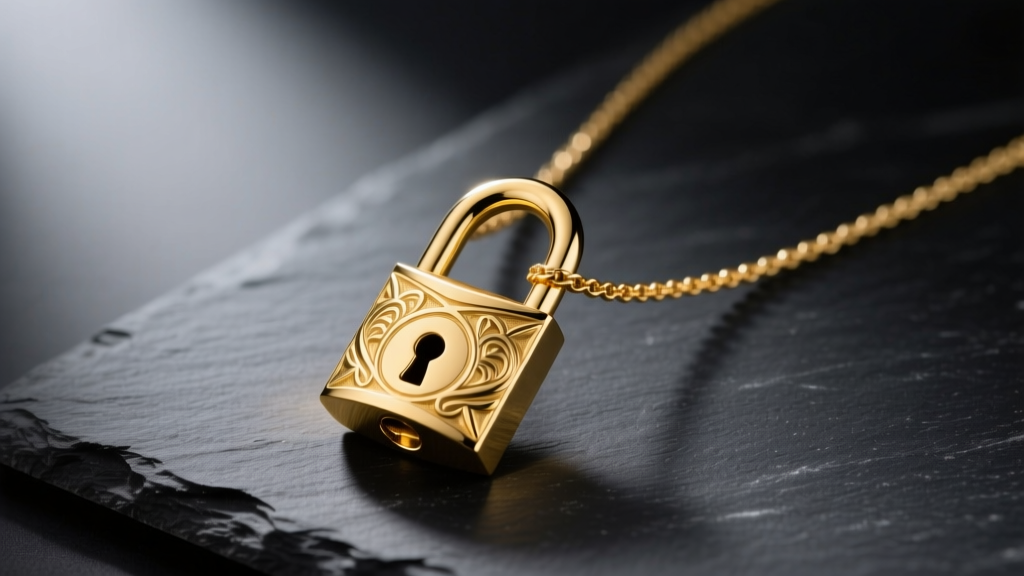
A lock necklace gold design is more than just a striking fashion statement; it is a symbolic piece of jewelry that often holds sentimental value. Whether it features a functional padlock, a vintage-inspired locket, or a modern geometric lock pendant, the intricate crevices and mechanical components require specialized care. Unlike simple chain necklaces, the anatomy of a lock pendant traps skin oils, lotions, and environmental dust, making a dedicated maintenance routine essential for preserving its luster and structural integrity.
The Anatomy of a Gold Lock Necklace: What Needs Cleaning?
To properly care for your jewelry, you must understand its physical structure. A typical lock necklace consists of the lock body (the main pendant), the shackle (the U-shaped loop at the top), the keyhole or mechanism (if functional or decorative), and the chain. The junction where the shackle meets the lock body is a primary trap for debris. Furthermore, if your lock necklace features a working keyhole or a hollow interior (common in vintage lockets), moisture and microscopic dirt can accumulate inside, leading to internal tarnishing or mechanical stiffness over time.
Understanding Your Gold Alloy: 14k vs. 18k Care Differences
Pure 24k gold is too soft for daily wear, so your lock necklace gold piece is crafted from an alloy. The karat weight dictates how you should approach cleaning and polishing.
- 14k Gold (58.5% Gold): Alloyed with higher amounts of copper, silver, and zinc. While highly durable and resistant to bending, the copper content makes 14k gold slightly more susceptible to surface oxidation (tarnish) when exposed to sweat and chlorides. It requires more frequent gentle polishing to maintain its warmth.
- 18k Gold (75% Gold): Contains a higher percentage of pure gold, giving it a richer, deeper yellow hue and superior tarnish resistance. However, it is noticeably softer. The flat faces of an 18k gold lock pendant will accumulate micro-scratches much faster than 14k, meaning you must avoid abrasive cleaning cloths entirely.
The Master Cleaning Routine: Step-by-Step
According to the Gemological Institute of America (GIA), regular maintenance using mild, non-detergent soaps is the safest method for gold jewelry. Follow this monthly deep-cleaning protocol to restore your lock necklace.
Step 1: The Soak
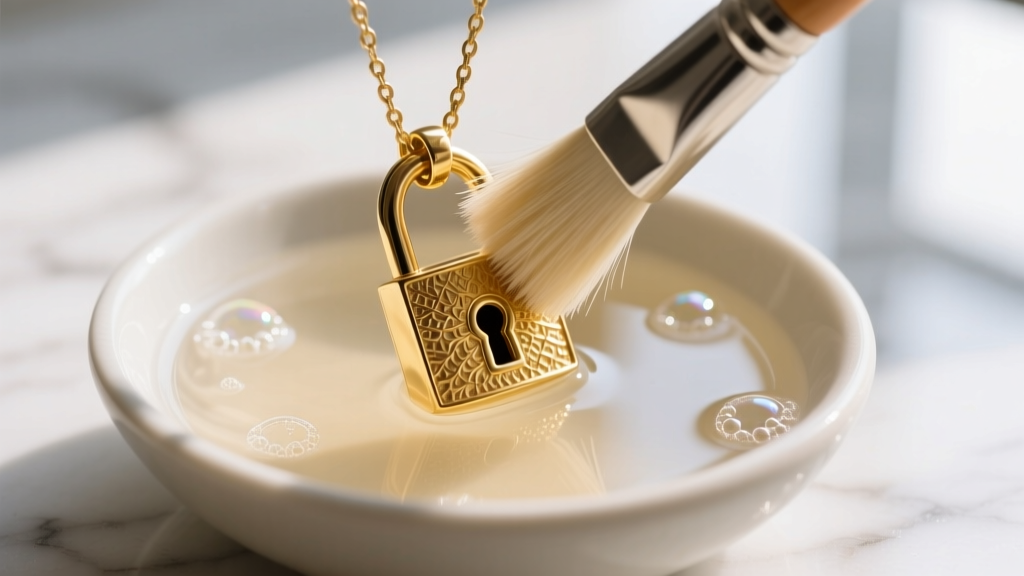
Fill a small glass bowl with lukewarm water (never hot, as extreme temperature shifts can stress the metal). Add three drops of a mild, lotion-free dish soap like Dawn. Submerge the lock necklace and let it soak for 15 to 20 minutes. This loosens the sebum and cosmetic buildup trapped in the shackle hinges and chain links.
Step 2: The Targeted Brush
Using a brand-new, extra-soft baby toothbrush, gently agitate the chain. When cleaning the lock pendant, brush away from the keyhole and mechanical hinges. Brushing toward the crevices will only push dissolved grit deeper into the mechanism.
Step 3: The Rinse and Dry
Rinse the necklace under a gentle stream of lukewarm water. Ensure the drain is securely plugged. To dry, lay the piece on a lint-free microfiber cloth. Pro Tip: Use a hairdryer on the 'cool' setting to blow air into the keyhole and shackle hinges. Trapped moisture in these hidden areas is the leading cause of chain-link degradation and internal alloy oxidation.
Chemicals to Avoid: The Enemies of Gold Lockets
Gold is a noble metal, but the alloys mixed with it are highly reactive to common household chemicals. Exposure to harsh agents can lead to 'stress corrosion cracking,' a phenomenon where the structural integrity of the gold alloy is compromised, potentially causing the shackle to snap under the weight of the lock.
| Chemical Agent | Verdict | Why It Damages Your Lock Necklace |
|---|---|---|
| Chlorine (Pools/Hot Tubs) | Highly Destructive | Causes irreversible stress corrosion cracking in gold alloys, weakening the shackle. |
| Bleach | Highly Destructive | Breaks down copper and zinc alloys, leading to pitting and permanent surface dullness. |
| Ammonia | Use with Extreme Caution | Safe for pure gold, but can strip the polish and damage gemstone inlays if your lock features pave diamonds. |
| Alcohol / Hand Sanitizer | Moderate Risk | Will not damage the gold, but leaves a cloudy, difficult-to-remove film on the lock face. |
| Mild Dish Soap | Safe & Recommended | Effectively lifts oils without reacting with copper or silver alloys. |
Mechanical Care: Maintaining the Lock Mechanism and Chain
If your lock necklace gold design features a functional clasp, a working key, or a hinged locket door, mechanical maintenance is just as critical as cosmetic cleaning. Over time, the friction of opening and closing the lock wears down the internal pins.
Never use WD-40 or liquid oils on a stiff gold lock mechanism. Liquid oils attract dust and lint, creating a thick sludge that will eventually jam the lock permanently. Instead, use a microscopic amount of dry graphite powder applied via a fine-tipped applicator. Graphite lubricates the internal pins without trapping debris. For the chain, inspect the spring-ring or lobster clasp monthly. If the clasp feels sluggish, a tiny drop of specialized jewelry hinge oil on the clasp spring—wiped clean immediately—will restore its snap.

Polishing vs. Cleaning: Know the Difference
Cleaning removes surface dirt and oils; polishing removes a microscopic layer of the metal itself to eliminate scratches. The Jewelers of America advises against over-polishing gold jewelry. Using a commercial gold polishing cloth more than twice a year on an 18k gold lock pendant will gradually wear away the crisp, engraved edges and soften the geometric lines of the design. Reserve polishing for when the micro-scratches genuinely detract from the piece's beauty, and always use a treated rouge cloth designed specifically for gold alloys.
Professional Storage Solutions to Prevent Tarnish
How you store your lock necklace when it is not being worn dictates how often you need to clean it. Gold lock pendants are heavy and prone to tangling with lighter chains, which can cause severe kinking.
- Hang, Don't Pile: Store the necklace on a velvet-lined jewelry stand or hang it from a dedicated hook. Allowing a heavy gold lock to sit in a pile of other jewelry guarantees deep scratches on the lock's polished face.
- Anti-Tarnish Strips: If storing in a drawer or box, include a 3M anti-tarnish strip. These strips absorb airborne sulfur compounds that cause the copper alloys in 14k gold to oxidize and darken.
- Clasp It Closed: Always fasten the clasp before storing. This creates a continuous loop that drastically reduces the chances of the chain knotting around the lock shackle.
By treating your lock necklace gold piece with this level of specialized care, you ensure that both its mechanical function and its brilliant finish will endure for generations, maintaining its status as a timeless staple in your jewelry collection.


