Complete Care and Cleaning for an Ash Necklace Holder
Learn how to safely clean, seal, and maintain your ash necklace holder. Expert tips on protecting memorial jewelry from tarnish, water damage, and wear.

The Unique Vulnerabilities of Memorial Jewelry
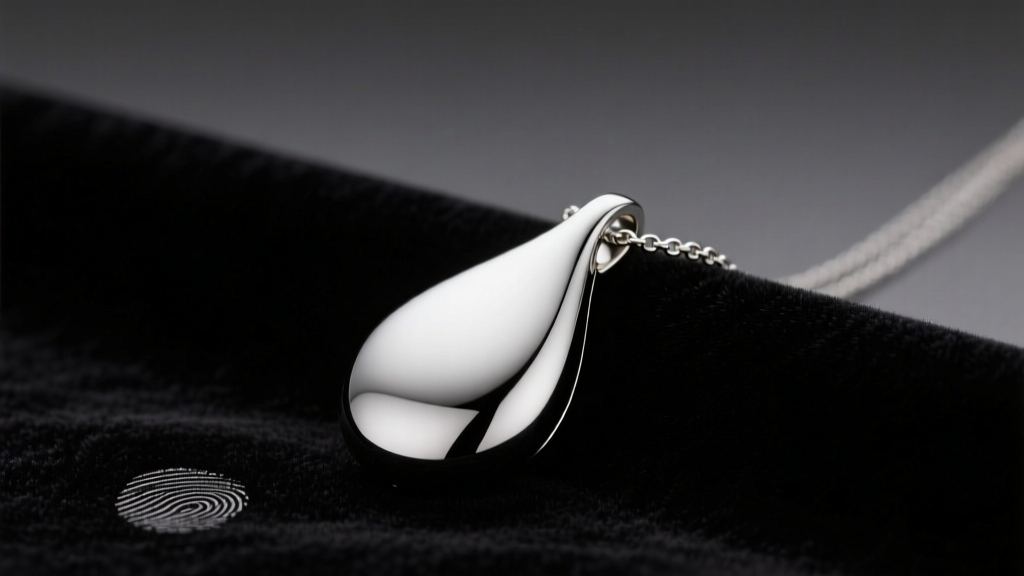
An ash necklace holder is far more than a standard piece of adornment; it is a deeply personal keepsake that safeguards irreplaceable cremains. Because these pendants are worn close to the skin, they are constantly exposed to sebum, sweat, ambient humidity, and friction. Unlike a standard gemstone pendant, the primary concern with an ash necklace holder is not just the exterior finish, but the structural integrity of the interior compartment. A compromised seal can lead to moisture ingress, which may degrade the ashes over time, or worse, result in the accidental loss of the cremains. Proper maintenance requires a dual-focus approach: preserving the aesthetic quality of the exterior metal or glass, and rigorously protecting the mechanical seal that keeps the contents secure.
Material-Specific Care Protocols
The cleaning method you employ must be strictly matched to the metallurgical or chemical composition of your pendant. Using the wrong solvent can strip protective rhodium plating or cloud glass inclusions.
316L Surgical Stainless Steel
High-quality stainless steel ash necklace holders are typically forged from 316L grade, which includes molybdenum for enhanced resistance to chlorides and industrial solvents. While highly resistant to rust, 316L steel can still accumulate a dull film of dead skin cells and lotion. Clean this metal using a few drops of pH-neutral dish soap (like Dawn) and distilled water. Avoid bleach or chlorine-based cleaners, as prolonged exposure can cause pitting corrosion in the micro-crevices of the threading.
.925 Sterling Silver
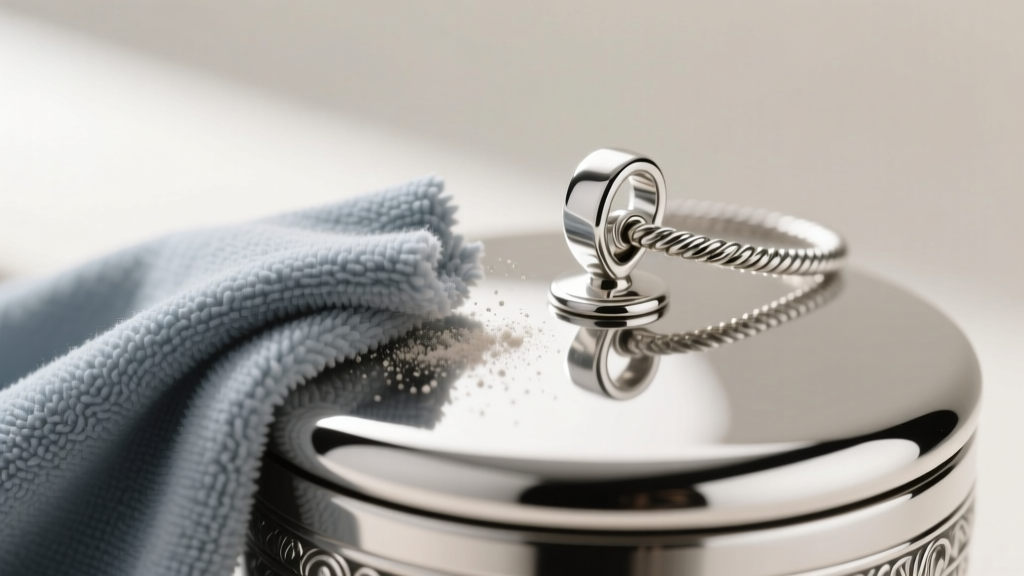
Sterling silver contains 7.5% copper, making it highly susceptible to tarnishing when exposed to sulfur compounds in the air and human sweat. According to The Silver Institute, tarnish is a surface layer of silver sulfide (Ag2S) that must be removed chemically or mechanically. Use a dedicated silver polishing cloth impregnated with jeweler's rouge for the exterior. Never use liquid silver dips on an ash necklace holder, as these harsh thiourea-based chemicals can seep into the bail threads and degrade the interior sealant.
Borosilicate Glass and Resin Inclusions
Many modern memorial pendants feature glass or resin windows where ashes are visibly suspended. Borosilicate glass is highly durable but can suffer from thermal shock. Never clean glass memorial jewelry under alternating hot and cold water, as the rapid expansion and contraction can cause micro-fractures that compromise the entire vessel.
Safe Cleaning Agents vs. Destructive Chemicals
One of the most common mistakes owners make is using ultrasonic jewelry cleaners. Ultrasonic waves create microscopic cavitation bubbles that implode against the metal. While excellent for diamond rings, these high-frequency vibrations can easily shatter glass inclusions, vibrate micro-screws loose, and destroy the adhesive bond of a sealed ash necklace holder. Below is a compatibility matrix for safe maintenance.
| Material | Safe Cleaners | Strictly Avoid | Drying Method |
|---|---|---|---|
| 316L Stainless Steel | Mild soap, distilled water, isopropyl alcohol (exterior only) | Bleach, chlorine, ultrasonic cleaners | Lint-free microfiber cloth |
| .925 Sterling Silver | Anti-tarnish polishing cloth, specialized silver foam | Liquid dips, toothpaste, baking soda pastes | Air dry in low-humidity room |
| Titanium (Grade 5) | Glass cleaner (ammonia-free), mild soap | Hydrofluoric acid, harsh abrasives | Compressed air or microfiber |
| Borosilicate Glass | Distilled water, microfiber, gentle lens cleaner | Ultrasonic cleaners, boiling water, ammonia | Optical-grade lens tissue |
The Mechanics of the Seal: Preventing Moisture and Ash Loss
The most critical component of any ash necklace holder is the closure mechanism. According to the Gemological Institute of America (GIA), the longevity of specialty jewelry relies heavily on how well its structural joints are maintained against environmental stressors.
Threaded Micro-Screws
Most premium urn necklaces utilize a threaded bail or base cap, often featuring an M2 or M2.5 metric thread pitch. These micro-threads are incredibly delicate. When opening the pendant to add or adjust ashes, never force the cap. If you feel resistance, you are likely cross-threading the metal, which will permanently strip the grooves and ruin the airtight seal. Always reverse the cap gently until you feel the threads align before tightening clockwise.
Friction Fit and O-Rings
Some designs use a friction-fit plug secured by a tiny rubber or silicone O-ring. Over time, human sweat and UV exposure cause these O-rings to dry out, crack, and lose their elasticity. If your ash necklace holder uses an O-ring, inspect it every six months. Lubricate it sparingly with a microscopic amount of food-grade silicone grease to maintain the watertight seal.
Step-by-Step Resealing Guide
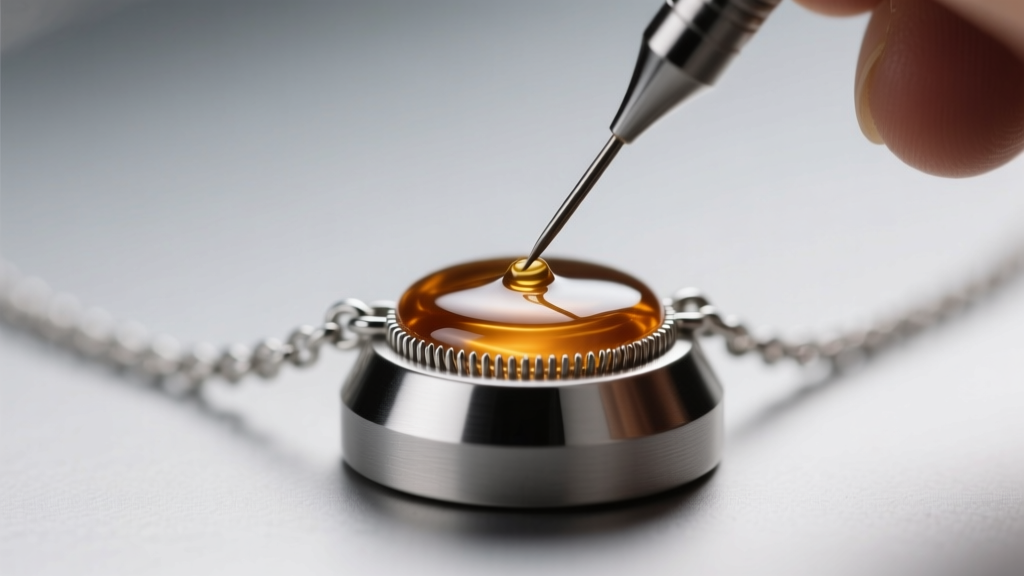
While traditional cyanoacrylate adhesives (super glue) were once the standard for sealing memorial jewelry, they cure into a brittle plastic that shatters under the torque of daily wear. As of 2026, the consensus among professional jewelers favors flexible, UV-curable jewelry resins or specialized cements like GS Hypo Cement. If you need to permanently seal your ash necklace holder, follow this protocol:
- Prep the Threads: Use a cotton swab dipped in 99% isopropyl alcohol to clean the interior threads of both the pendant body and the cap. Allow it to evaporate completely. Any residual oils will prevent the adhesive from bonding.
- Load the Ashes: Use the provided micro-funnel and static-free brush to transfer the cremains. Fill the chamber no more than 80% full to allow room for the cap to seat properly without crushing the contents.
- Apply Sealant: Using a fine needle or toothpick, apply a minuscule amount of UV jewelry resin to the exterior threads of the cap. Do not over-apply, as excess glue will squeeze into the pendant's interior.
- Cure and Clean: Screw the cap on firmly. Wipe away any extruded resin immediately with an alcohol wipe, then expose the seam to a 365nm UV flashlight for 60 seconds to cure the bond.
Common Failure Modes and Troubleshooting
The Cap is Stuck: Never use metal pliers to grip a stuck cap, as this will severely mar the finish and potentially crush the delicate threading. Instead, wrap the cap in a small piece of neoprene or use a specialized micro-jeweler's rubber grip pad to apply counter-torque safely.
Ash Discoloration: If you notice the ashes inside a glass window turning dark or clumping, moisture has breached the seal. This is a critical failure. The pendant must be opened in a low-humidity environment (under 40% RH), the ashes gently dried on a piece of parchment paper, and the pendant resealed with a fresh application of UV resin.
Chain Tarnishing at the Bail: The area where the chain meets the bail trap sweat and dead skin. Use a soft-bristled baby toothbrush dipped in soapy distilled water to gently agitate this junction weekly, ensuring you dry it thoroughly with compressed air to prevent water from pooling near the cap.
Long-Term Storage and Preservation
When you are not wearing your ash necklace holder, proper storage is essential to prevent environmental degradation. Store the pendant in an airtight polyethylene ziplock bag alongside a 3M anti-tarnish strip and a small silica gel desiccant packet. Keep the bag in a dark, temperature-stable drawer. Avoid storing memorial jewelry in bathrooms or near windows, as fluctuating humidity and UV radiation are the primary catalysts for both metal oxidation and adhesive breakdown. By adhering to these meticulous care standards, you ensure that your memorial piece remains a pristine, secure, and beautiful tribute for decades to come.


