Necklace Sofia the First: Technical Guide for Collectors
Explore the technical details, material grades, and gemology behind the iconic necklace Sofia the First fans collect, like the Amulet of Avalor.

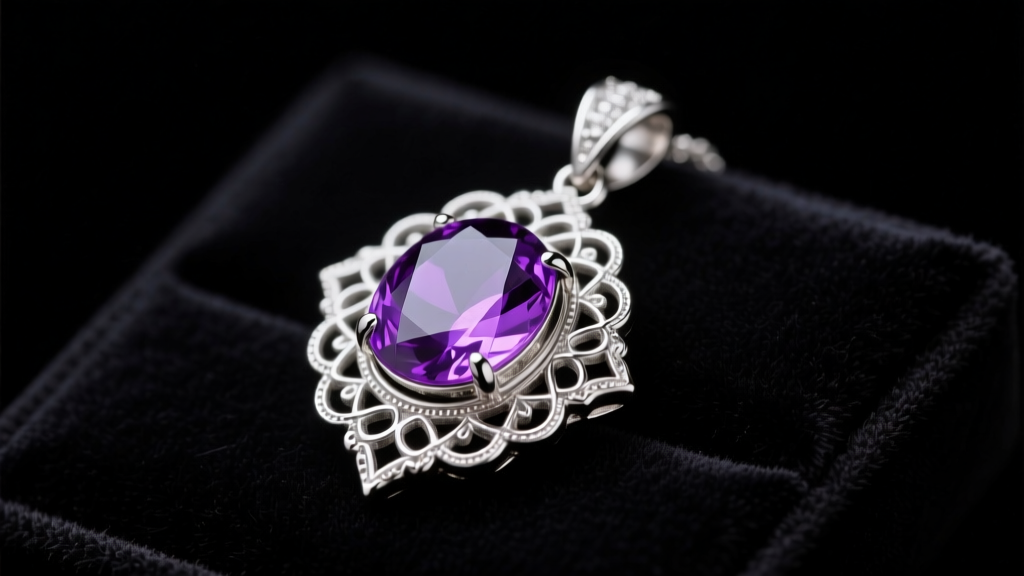
The Amulet of Avalor: Beyond the Screen
When collectors, cosplayers, and jewelry enthusiasts search for a necklace sofia the first, they are almost exclusively hunting for the iconic Amulet of Avalor. While originally designed as a magical plot device for the Disney Junior animated series, the physical replicas produced since 2012 have spawned a massive secondary collector's market. As of 2026, the demand for high-fidelity, screen-accurate reproductions has pushed custom jewelers to reverse-engineer the piece using fine jewelry manufacturing techniques. This guide bypasses the toy aisle and dives deep into the metallurgy, gemology, and structural mechanics of the Amulet of Avalor, providing a technical framework for collectors seeking authentic or master-crafted replicas.
Material Tiers and Base Metal Metallurgy
The physical iterations of the Amulet of Avalor span three distinct manufacturing tiers, each defined by its base metal composition and plating methodology. Understanding these tiers is critical for evaluating pricing and longevity.
1. Mass-Market (The Disney Store Standard)
Official mass-market releases are typically cast from Zamak (a zinc alloy containing aluminum, magnesium, and copper). Zamak is chosen for its low melting point and high fluidity, allowing for the crisp, intricate filigree details seen on the pendant's face. However, Zamak is inherently brittle and prone to pitting if exposed to moisture. These pieces are finished with a "flash" gold electroplating—usually less than 0.5 microns thick—over a nickel or copper strike layer. This plating is highly susceptible to friction wear and acidic skin pH, often degrading within six months of daily use.
2. Mid-Tier Custom (Brass and Bronze Alloys)
Independent artisans on platforms like Etsy frequently utilize cast brass or bronze. Brass offers superior tensile strength and a natural golden hue that requires less aggressive plating. Artisans often apply a heavy 2.5-micron gold vermeil or a protective clear-coat resin to prevent oxidation. According to the Federal Trade Commission (FTC) Jewelry Guides, for a piece to be legally marketed as gold vermeil in the United States, it must feature a sterling silver base with a minimum gold thickness of 2.5 microns. Many mid-tier replicas skirt this definition by using brass bases, labeling them simply as "heavy gold plated."
3. Fine Reproduction (925 Sterling Silver)
Master jewelers craft screen-accurate replicas using 925 sterling silver, utilizing CAD/CAM milling and lost-wax casting. The pendant is then plated with 18k yellow gold (minimum 3 microns) and finished with hand-applied antiquing compounds (like liver of sulfur) to darken the recesses of the filigree, creating the high-contrast, vintage aesthetic seen in the show's concept art.
Gemological Breakdown of the Centerpiece
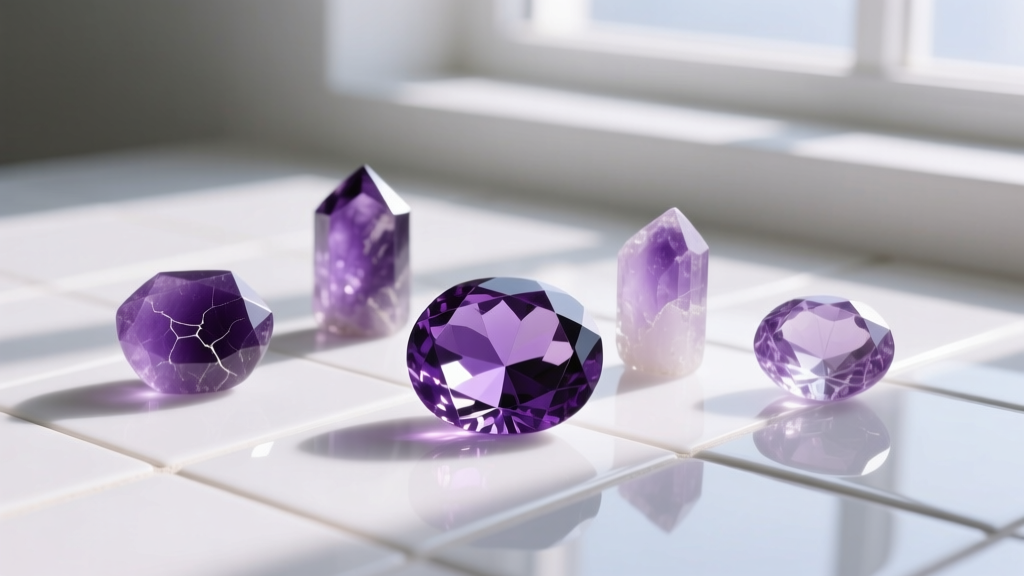
The most defining feature of the Amulet is its large, oval-cut purple centerpiece. While lore dictates it is a magical amethyst, the physical reality varies wildly depending on the manufacturer. As outlined by the Gemological Institute of America (GIA), natural amethyst is a purple variety of quartz with specific optical and physical properties. Replica makers must balance visual accuracy with cost and durability.
| Material Used | Mohs Hardness | Refractive Index | Market Tier | Failure Mode |
|---|---|---|---|---|
| Dyed Epoxy Resin | 2.0 - 3.0 | N/A (Opaque/Translucent) | Mass Market | Scratches easily, yellows under UV exposure |
| Dyed Natural Quartz | 7.0 | 1.544 - 1.553 | Mid-Tier Custom | Dye concentrates in fractures, fades in sunlight |
| Lab-Created Amethyst | 7.0 | 1.544 - 1.553 | Fine Reproduction | Chipping along the girdle if prongs are poorly set |
| Synthetic Spinel | 8.0 | 1.718 | High-End Bespoke | Too brilliant; lacks the natural color zoning of amethyst |
For the ultimate collector's piece, lab-created amethyst is the superior choice. It possesses the exact chemical composition (SiO2) and refractive index as natural amethyst but is grown in a hydrothermal autoclave to ensure a flawless, deep "Siberian" purple hue without the muddy brown undertones often found in cheap natural stones.
Chain Mechanics, Bail Friction, and Failure Modes
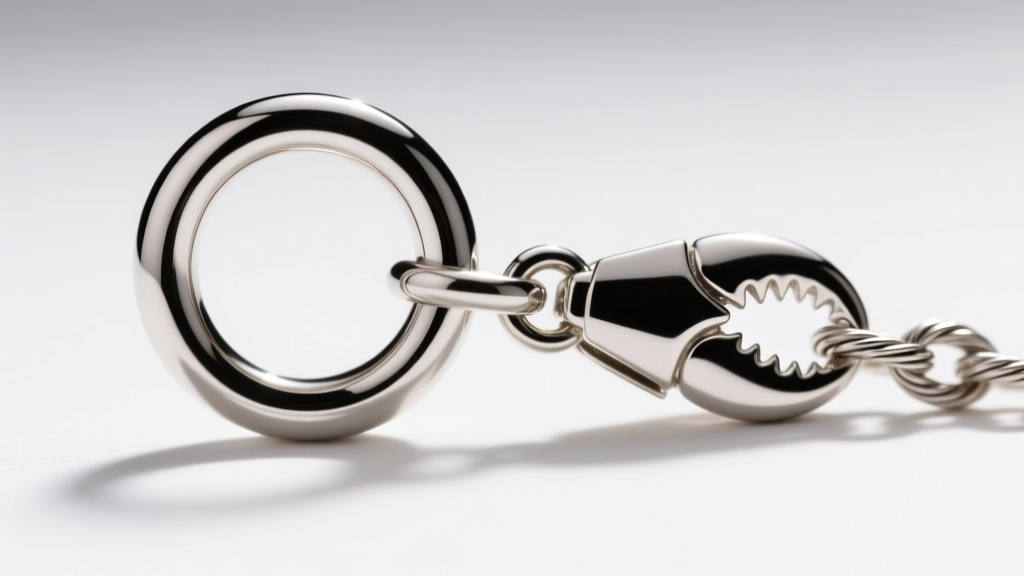
A pendant is only as secure as the chain and bail system that supports it. The official Disney Store necklace utilizes a lightweight, hollow-cable chain with a standard spring-ring clasp. From a structural engineering perspective, this is the weakest point of the entire assembly.
- The Bail Friction Problem: The Amulet features a fixed, cast-in-place loop (bail) at the top. On mass-market versions, the interior of this bail is rough and unpolished. As the pendant moves against the thin cable chain, it acts like a microscopic saw, generating shear stress that eventually snaps the chain links.
- Clasp Failure: Spring-ring clasps rely on a tiny internal tension spring. These springs are notorious for fatiguing and failing, leaving the pendant vulnerable to loss.
The Expert Solution: When commissioning a custom necklace or upgrading an existing piece, discard the hollow cable chain. Opt for a 1.2mm to 1.5mm solid box chain or curb chain crafted from sterling silver or stainless steel. Furthermore, ensure the jeweler installs a polished, soldered jump ring through the pendant's bail to act as a sacrificial wear-point, protecting both the chain and the pendant loop from friction degradation.
Authentication and Collector Valuation in 2026
The secondary market for early 2012-2014 "first edition" Disney Store releases remains highly active. However, the market is flooded with dropshipped, unauthorized knockoffs. To authenticate a genuine mass-market vintage piece, collectors must look for specific hallmarks:
- The Maker's Mark: Genuine pieces feature a laser-etched or stamped "Disney" logo and a copyright symbol (©) on the flat reverse side of the pendant.
- Weight Parameters: The official Zamak alloy pendant weighs exactly 14.2 grams (excluding the chain). Knockoffs often use cheaper, lighter hollow plastics or thinner zinc casts, weighing in under 9 grams.
- The Gemstone Setting: Official releases use a bezel setting with a glued-in resin stone. High-end fakes often attempt to use prong settings, which immediately identifies them as unauthorized third-party replicas rather than vintage park merchandise.
"The true value of an Amulet of Avalor replica isn't just in its screen accuracy, but in the horological precision applied to its metal finishing. A master-cast piece should feel heavy, cold to the touch, and feature a gemstone that catches the light with a deep, internal fire rather than a flat, painted surface." — Master Jeweler & Prop Replication Specialist, 2025 Symposium on Cinematic Jewelry.
Final Verdict for the Serious Collector
Whether you are sourcing a vintage mass-market necklace sofia the first piece for nostalgic display, or commissioning a 925 sterling silver and lab-amethyst masterpiece for daily wear, understanding the technical specifications is paramount. By prioritizing solid base metals, verifying gemological properties, and upgrading the chain mechanics, collectors can ensure their Amulet of Avalor remains a durable, stunning piece of wearable pop-culture history for decades to come.


