Ashes Glass Necklace Buying Guide: What to Look For
Discover what to look for when buying an ashes glass necklace. Learn about glass types, chain gauges, pricing, and ensuring lasting memorial quality.

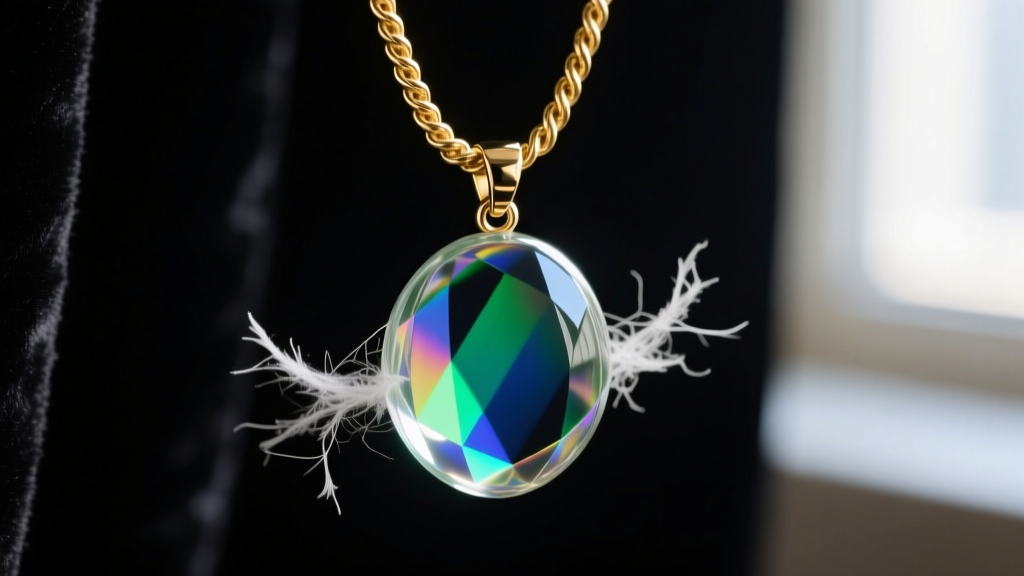
The Material Divide: True Glass vs. UV Resin Deception
When shopping for an ashes glass necklace, the most critical factor to verify is the actual material composition of the pendant. The memorial jewelry market is currently saturated with dropshippers marketing 'glass' pendants that are, in reality, cast UV resin. Understanding the material science behind these two mediums is essential for ensuring your memorial piece lasts a lifetime.
True glass—specifically borosilicate or kiln-cast soda-lime glass—has a Mohs hardness rating of 5.5 to 6.5. It is impervious to ultraviolet light, meaning it will never yellow, cloud, or degrade when exposed to sunlight. In contrast, UV resin has a Mohs hardness of roughly 2.0 to 3.0, making it highly susceptible to micro-scratches from daily wear. More importantly, resin undergoes photo-oxidation. According to material studies referenced by the Gemological Institute of America (GIA), prolonged UV exposure causes resin polymers to break down, resulting in an irreversible yellow or brown tint within 12 to 36 months. If an artisan cannot explicitly detail their glassworking torch or kiln process, you are likely purchasing resin.
Glassworking Techniques for Cremation Ash
Authentic glass memorial jewelry is crafted using one of three primary techniques. Each method dictates the visual presentation of the ashes, the structural integrity of the piece, and the final price point.
| Technique | Process Overview | Ash Visibility | Durability | Average Price Range |
|---|---|---|---|---|
| Lampwork (Torch-Wound) | Artisan melts glass rods with a torch, rolling cremation ash into the molten core before encasing it in clear glass. | High (Swirls/Bubbles) | Excellent (High thermal shock resistance) | $150 - $350 |
| Dichroic Kiln-Cast | Ash is layered between sheets of dichroic and clear glass, then fired in a kiln at 1400°F+ to fuse into a solid cabochon. | Medium (Speckled) | Very Good (Annealed for stress relief) | $200 - $500 |
| Cast Glass (Lost Wax) | A mold is created, filled with crushed glass frit and ash, and slowly melted in a kiln to form a 3D sculptural shape. | Low to Medium | Good (Thicker, but heavier) | $300 - $700+ |
The Chemistry of Ash Encapsulation
A major point of failure in poorly made cremation jewelry is structural cracking, known in glassworking as 'compatibility failure.' Cremated remains are primarily composed of calcium phosphate and trace minerals. When introduced to molten glass, these minerals can drastically alter the Coefficient of Expansion (COE) of the glass matrix.
If an artisan does not properly pre-process the ashes—washing them to remove alkaline salts and grinding them to a consistent micron size—the differing expansion and contraction rates between the ash and the glass will cause internal stress. Over time, or upon exposure to cold weather, the pendant will develop micro-fractures or shatter entirely. Always ask the artisan about their COE matching process and ash preparation protocol. Reputable glassworkers will anneal their finished pendants in a digital kiln, slowly dropping the temperature over 12-24 hours to relieve internal molecular stress.
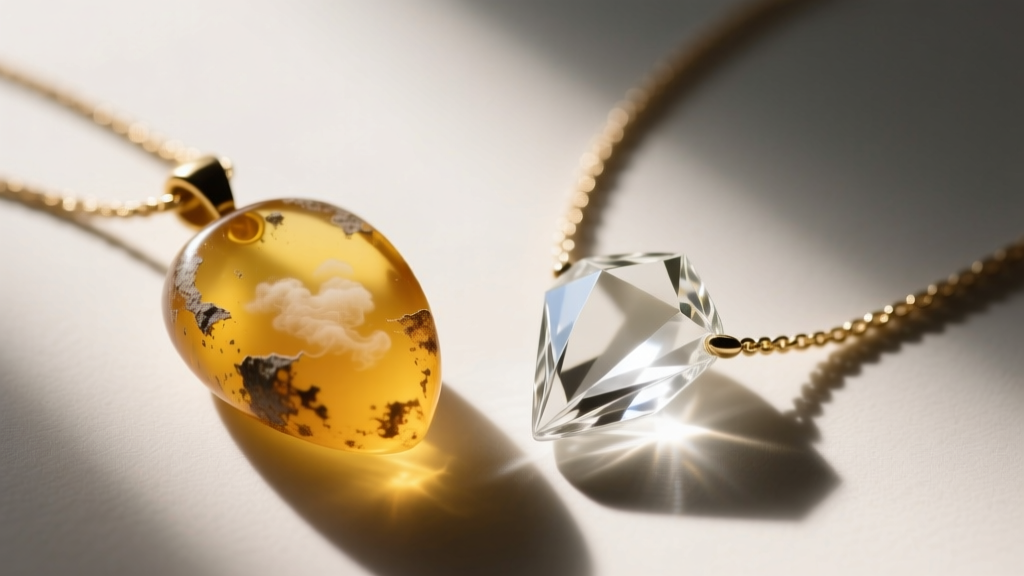
Hardware and Chain Mechanics
Glass is significantly denser than resin or hollow metals. A standard 25mm dichroic glass cabochon pendant can weigh between 8 and 15 grams, not including the metal bail. Pairing a heavy glass memorial pendant with a flimsy chain is a recipe for loss and heartbreak.
Selecting the Right Chain Gauge
Avoid standard 0.8mm to 1.0mm rolo or cable chains, which have low tensile break points and are prone to kinking. For a glass pendant weighing over 8 grams, you need a chain with a minimum thickness of 1.5mm to 2.0mm. Box chains, wheat chains, and rope chains offer superior structural integrity and distribute the dynamic stress of a swinging pendant more evenly.
Bail and Clasp Specifications
Ensure the pendant's bail (the loop connecting the glass to the chain) is soldered closed or features a heavy-duty screw mechanism. Glued bails will inevitably fail as skin oils and environmental moisture degrade the cyanoacrylate adhesive over time. Furthermore, opt for a lobster clasp or a locking carabiner rather than a spring-ring clasp, which can easily catch on clothing and snap open under the weight of glass.
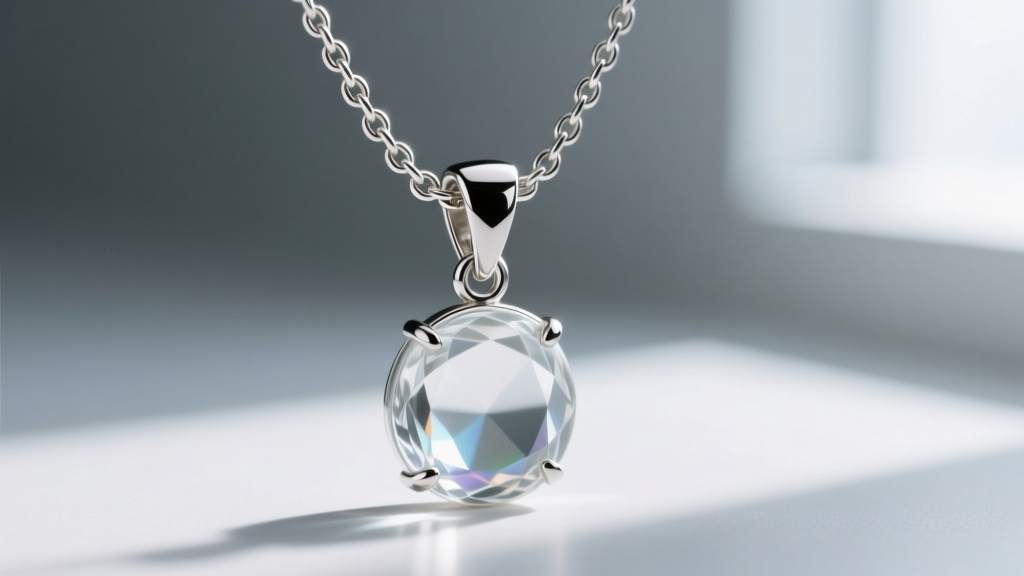
Pricing Tiers and Spotting Dropshippers
Because of the emotional nature of memorial jewelry, buyers are often vulnerable to inflated pricing or deceptive marketing. Use this framework to evaluate the legitimacy of a seller:
- The $30 - $80 Red Flag: True handcrafted glasswork requires expensive kilns, torches, and specialized ventilation. If an ashes necklace is priced under $80, it is almost certainly mass-produced UV resin cast in a silicone mold, likely shipped from an overseas factory. The Cremation Association of North America (CANA) frequently warns consumers about the mishandling of remains by unverified third-party vendors.
- The $150 - $400 Sweet Spot: This is the standard range for authentic, artisan-crafted lampwork or dichroic glass pendants set in sterling silver or 14k gold-filled hardware.
- The $500+ Premium Tier: Expect this pricing for 14k/18k solid gold bezel settings, complex 3D kiln-cast sculptures, or pendants incorporating precious gemstone frit alongside the cremation ash.
Always request a video of the artisan actually working with the glass, or ask for a certificate of authenticity that includes a photo of your specific pendant in the kiln or on the torch.
Long-Term Care and Maintenance
While true glass is highly durable, it requires specific care to maintain its optical clarity. Never clean an ashes glass necklace with ultrasonic jewelry cleaners. The high-frequency vibrations can exploit microscopic internal stress points, causing the glass to fracture. Instead, use a few drops of mild dish soap and warm water, gently wiping the glass with a microfiber cloth. When not in use, store the necklace in a soft pouch separate from diamond or sapphire jewelry, as those gemstones (Mohs 9-10) will easily scratch the glass surface.
Choosing an ashes glass necklace is a profound decision. By prioritizing true glass over resin, verifying the artisan's chemical compatibility processes, and selecting heavy-duty hardware, you ensure that your memorial piece remains a brilliant, enduring tribute for decades to come.


