Is a Large Single Pearl Necklace Worth the Investment in 2026?
Discover how to evaluate a large single pearl necklace in 2026. We break down pearl grades, size premiums, and pricing to ensure you get true value.
The Economics of the Solitaire Pearl
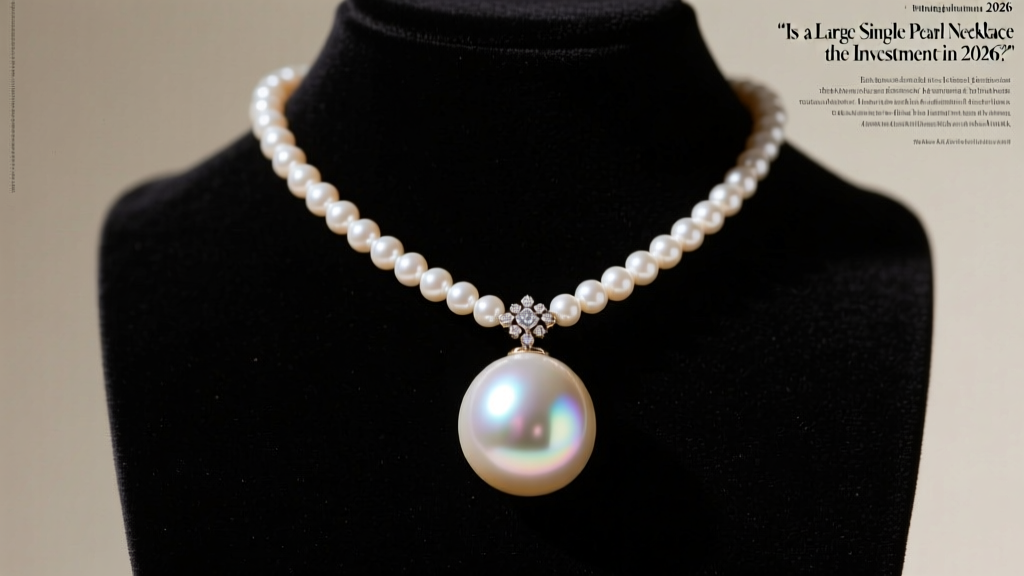
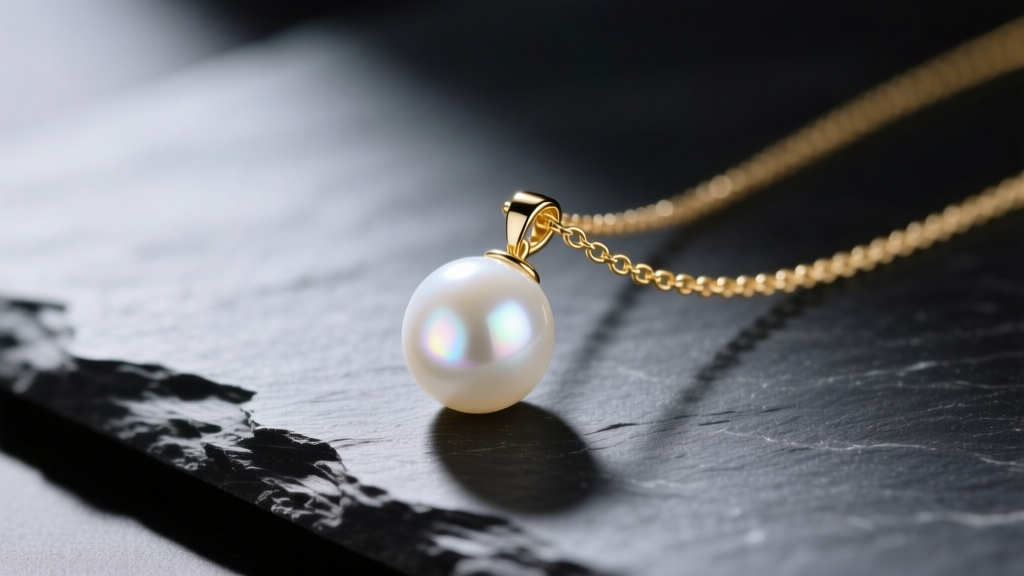
The modern jewelry landscape in 2026 has firmly embraced minimalism, and the large single pearl necklace sits at the apex of this movement. Unlike traditional multi-pearl strands that distribute cost across dozens of smaller, matched beads, a solitaire pearl pendant places the entire financial and aesthetic burden on a single gem. This makes the budget and value assessment radically different. You are no longer paying for the labor of matching; you are paying a steep premium for rarity, size, and flawless surface quality.
When evaluating a single pearl as an investment piece, buyers must shift their focus from the overall strand uniformity to the individual gem's nacre thickness, luster type, and origin. A 12mm pearl is not simply 20% larger than a 10mm pearl in terms of value; it represents an exponential leap in rarity, particularly in saltwater varieties. Understanding these economic levers is the only way to avoid overpaying in a market flooded with treated and mislabeled gems.
Decoding Size: The Non-Linear Millimeter Price Jump
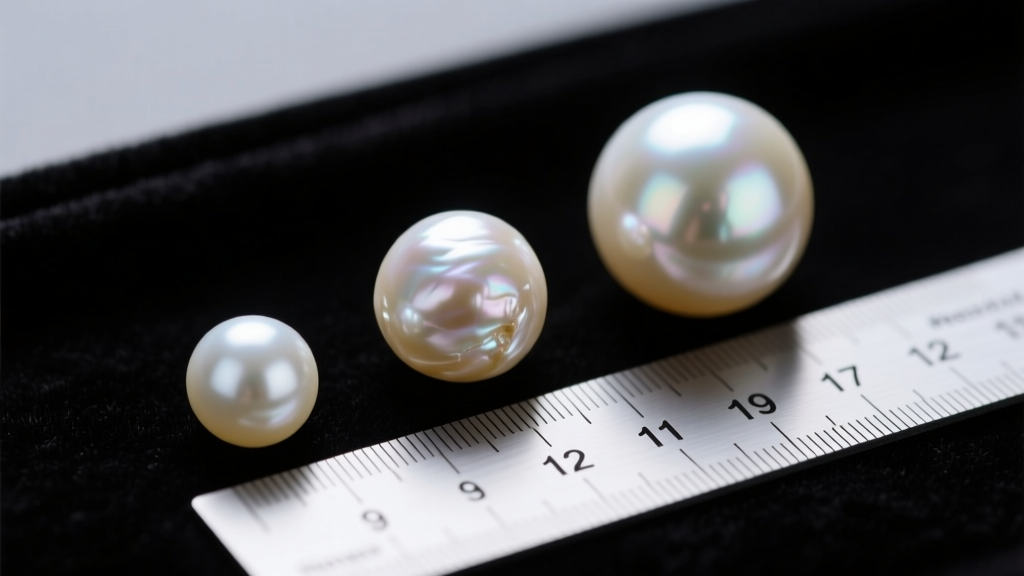
The most critical factor in pricing a large single pearl necklace is the millimeter threshold. Pearl pricing is non-linear. Once a pearl crosses specific size barriers, the price per millimeter skyrockets due to the biological limitations of the host oyster.
- The 9mm Barrier (Akoya): Akoya oysters rarely produce pearls larger than 9mm. While an 8-8.5mm Akoya pendant might retail for $400, a 9.5-10mm Akoya of equal quality will easily command $1,200 to $1,800. The scarcity of the larger nucleus and the higher mortality rate of the oyster during cultivation drive this premium.
- The 12mm Barrier (South Sea): White and Golden South Sea pearls naturally grow larger, averaging 10-13mm. However, once you demand a single, round, flawless 14mm or 15mm South Sea pearl, you enter the realm of auction-grade gems. Prices jump from the $2,000 range to well over $8,000 for a single solitaire pendant.
- The Freshwater Disruption (Edison Pearls): Bead-nucleated Edison freshwater pearls have disrupted the market by achieving 12mm-16mm sizes for under $500. While they offer immense size on a budget, their luster is often softer and more pastel than saltwater varieties, impacting their long-term heirloom value.
Value Matrix: Freshwater vs. Akoya vs. South Sea
To accurately assess your budget, you must align your expectations with the biological realities of different pearl types. The table below outlines the 2026 market realities for large solitaire pearls.
| Pearl Type | Typical "Large" Size | Nacre Thickness | 2026 Avg. Price (Solitaire) | Best Value For |
|---|---|---|---|---|
| Edison Freshwater | 11mm - 15mm | 0.8mm - 1.5mm | $150 - $600 | Budget buyers wanting massive size and pastel overtones |
| Akoya | 9mm - 10.5mm | 0.4mm - 0.8mm | $900 - $2,500 | Mirror-like luster purists seeking classic elegance |
| White South Sea | 12mm - 16mm | 1.5mm - 4.0mm | $3,500 - $12,000+ | Heirloom investment, satin luster, and ultimate rarity |
According to the Gemological Institute of America (GIA), nacre thickness is paramount for durability. A large Akoya with only 0.3mm of nacre over a bead nucleus will eventually peel and chalk, rendering your investment worthless. Always demand X-ray verification or a reputable lab report for pearls exceeding $2,000.
Evaluating the Setting: Hardware That Protects Your Investment
A common failure mode in large single pearl necklaces is the setting itself. A heavy 14mm South Sea pearl exerts significant kinetic torque on its bail. If the setting fails, the pearl will drop and likely chip or shatter on a hard floor.
The Peg-and-Cup Mechanism
Never buy a large pearl pendant that relies solely on a shallow dimple and glue. The setting must feature a peg-and-cup design. The gold or platinum post (peg) must be deeply inserted into a drilled hole in the pearl, and the base (cup) must be slightly convex to match the pearl's curvature, distributing pressure evenly.
Adhesives: Epoxy vs. Cyanoacrylate
Mass-market jewelers often use cyanoacrylate (super glue) for quick assembly. This is a massive red flag. Cyanoacrylate dries brittle, cannot withstand the thermal expansion of a large pearl against metal, and will degrade the nacre if it seeps out. High-end settings use a two-part jeweler's epoxy resin, which remains slightly flexible and bonds securely to the grooved metal post. The Cultured Pearl Association of America (CPAA) consistently warns against improper chemical adhesives that permanently stain pearl nacre.
Red Flags: Treated Cores and Bait-and-Switch Tactics
When shopping for a large single pearl necklace, unscrupulous sellers often employ treatments to make lower-quality gems appear premium. Protect your budget by watching for these specific red flags:
"If a 12mm 'South Sea' pearl pendant is being sold for $400 with a certificate that lacks specific gemological origin data, you are almost certainly looking at a bead-nucleated freshwater pearl or a heavily treated, chalky-core saltwater reject."
- Maeshori Treatment: Common in Akoya pearls, this pre-treatment involves heating and chemical baths to tighten nacre and enhance luster. While accepted in the industry, heavily treated pearls can become brittle over time. A large Akoya must have naturally thick nacre to survive Maeshori without cracking.
- The Chalky Core Drill Test: If buying in person, examine the drill hole with a 10x jeweler's loupe. If you see a stark white, chalky line separating the nucleus from the nacre, the pearl lacks sufficient nacre thickness. It will not hold its luster.
- Color Dyeing in Golden South Seas: Large, deeply saturated golden South Sea pearls command massive premiums. Many mid-tier pearls are gamma-irradiated or dyed to achieve this. Look for color concentration around the drill hole as a sign of artificial dye.
Final Verdict: Building a Budget for Your Necklace
To secure a high-value large single pearl necklace in 2026, you must align your budget with your aesthetic priorities. If your goal is sheer size and modern fashion impact, allocate $300-$500 for a high-grade, bead-nucleated Edison Freshwater pearl set in 14k gold. If you demand the sharpest, mirror-like luster for professional or formal wear, budget $1,200-$2,000 for a 9.5mm Hanadama-grade Akoya. Finally, if you are purchasing a generational heirloom with deep, satiny luster, prepare to invest $5,000+ in a certified 13mm+ White South Sea solitaire.
Ultimately, the value of a solitaire pearl necklace lies in its uncompromising focus on a single gem. By prioritizing nacre thickness, verifying the peg-and-cup setting, and understanding the non-linear pricing of millimeter jumps, you can confidently navigate the market and secure a piece that retains both its beauty and its financial worth.


