The True Value of a Necklace With Extension: Cost Guide
Discover if a necklace with extension offers real value. We break down pricing, material longevity, and hardware failure rates to guide your budget.

The Economics of the Extension Chain
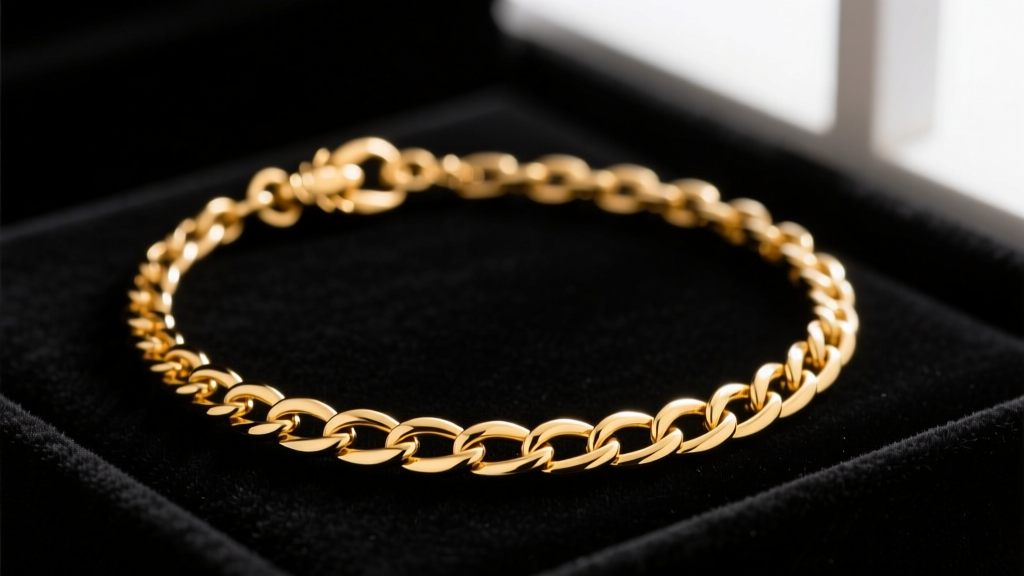
In the contemporary jewelry market, the adjustable necklace has transitioned from a niche utility to an industry standard. When you shop for a necklace with extension chains, you are typically looking at a standard 16-inch or 18-inch base chain augmented by a 2-inch to 3-inch adjustable tail. But from a strict budget and value assessment perspective, what are you actually paying for? Brands frequently apply a 15% to 25% price premium for this added adjustability. This markup is justified by the additional manufacturing steps: extra cable chain links, additional jump rings, and the labor required to ensure the terminal clasp can securely engage with multiple points along the extension. However, whether this premium translates to long-term value depends entirely on the metallurgy and hardware engineering of the specific piece.
Material Breakdown: What Are You Actually Paying For?
The true value of an adjustable necklace is dictated by its base metal and plating thickness. The friction caused by adjusting the clasp along the extension chain accelerates wear, making material quality the single most critical factor in your purchasing decision.
| Material Grade | Average Price Range | Extension Lifespan | Value Assessment |
|---|---|---|---|
| Solid 14k/18k Gold | $180 - $450+ | Lifetime | Highest upfront cost, but zero degradation at friction points. Excellent long-term value. |
| Gold Vermeil (Sterling Silver base, 2.5+ microns) | $75 - $150 | 2 - 5 Years | Strong value if maintained. The thick plating resists the friction of the lobster clasp. |
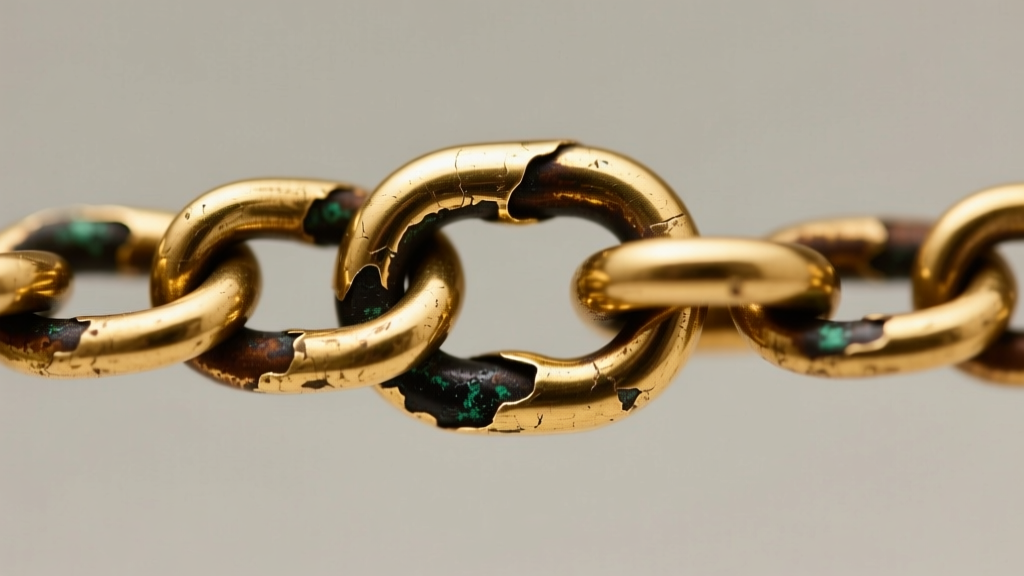
| Standard Gold Plated (Brass base, <0.5 microns) | $25 - $60 | 3 - 6 Months | Poor value. The extension chain will quickly rub down to the brass base, causing skin discoloration. |
According to the Federal Trade Commission's Jewelry Guides, gold plating must meet specific micron thickness standards to be marketed reliably. Many fast-fashion brands use flash plating (less than 0.1 microns) on their extension chains, which wears off almost immediately due to the mechanical friction of the clasp.
Hardware Failure Points: The Hidden Cost of Adjustability
A necklace with extension is only as durable as its weakest link—literally. When evaluating budget-friendly options, you must inspect the hardware connecting the extension to the main chain.
The Jump Ring Vulnerability
The extension chain is usually attached to the main chain via a jump ring. In budget manufacturing, these jump rings are often left unsoldered (meaning there is a tiny slit where the wire ends meet). When you pull the extension chain to adjust the necklace, lateral stress can pry this unsoldered jump ring open, resulting in the loss of the extension or the entire pendant. Always look for product descriptions that explicitly mention 'soldered jump rings' or inspect the connection point with a jeweler's loupe before purchasing.
Clasp Snagging and Link Deformation
Extension chains are typically delicate 1.0mm to 1.2mm cable chains. The lobster claw clasp on the opposite end is usually a standard 10mm or 12mm size. Forcing a thick clasp spring mechanism into a tiny 1.2mm link repeatedly causes work hardening in the wire. Over time, the individual links of the extension chain will become brittle and snap. Higher-value necklaces mitigate this by using a slightly heavier 1.5mm cable chain for the extension, or by utilizing a lighter, smaller 8mm spring ring clasp that glides into the links without bending them.
Cost-Per-Wear Framework for Adjustable Necklaces
To accurately assess the budget value of a necklace with extension, discard the sticker price and use the Cost-Per-Wear (CPW) framework. This is especially vital when comparing a $40 plated piece to a $160 solid gold piece.
- The Fast Fashion Trap: A $40 brass-based plated necklace with an extension might look great on day one. However, the plating on the extension links will likely rub off within 90 days of daily wear, and the unsoldered jump ring may fail shortly after. If you wear it 90 times before retiring it, your CPW is $0.44.
- The Vermeil Middle Ground: A $90 gold vermeil necklace with a 2.5-micron thickness and soldered jump rings will easily last 3 years of regular rotation (approx. 500 wears). Your CPW drops to $0.18.
- The Solid Gold Investment: A $220 solid 14k gold adjustable necklace will last a lifetime. Worn just twice a week for five years (520 wears), the CPW is $0.42, but unlike the plated version, the necklace retains intrinsic scrap and resale value, effectively driving the net CPW into the negative.
Verdict: When to Buy and When to Skip
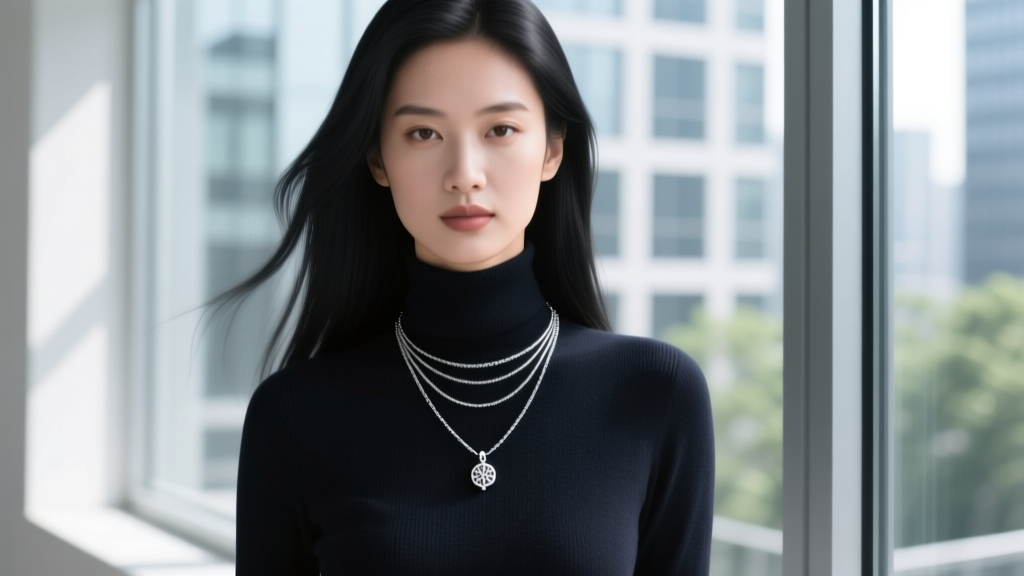
The decision to invest in a necklace with extension should be driven by your styling needs and your material budget. If you frequently switch between high crewnecks and deep V-necks, the functional utility of an adjustable chain justifies the 15% manufacturing premium. However, if you are buying a budget piece under $50, the extension chain is likely a liability rather than an asset, as it introduces structural weak points and accelerates plating loss.
Expert Tip: If you already own a high-quality pendant but the chain lacks an extension, do not buy a cheap adjustable chain to pair it with. Instead, purchase a standalone 2-inch solid gold or sterling silver 'chain extender' with secure lobster clasps on both ends. This allows you to upgrade your existing jewelry without compromising on hardware integrity.
For deeper insights into metal durability and how different alloys respond to daily friction, the Gemological Institute of America (GIA) provides comprehensive guides on gold alloy properties and wear resistance. Ultimately, a necklace with extension is a brilliant design innovation, but its true value is only realized when the metallurgy and hardware engineering match the ingenuity of the concept.


