How to Clean a Personalised Horse Necklace: Expert Guide
Discover expert tips to clean, maintain, and protect your personalised horse necklace. Learn material-specific care for silver and gold.

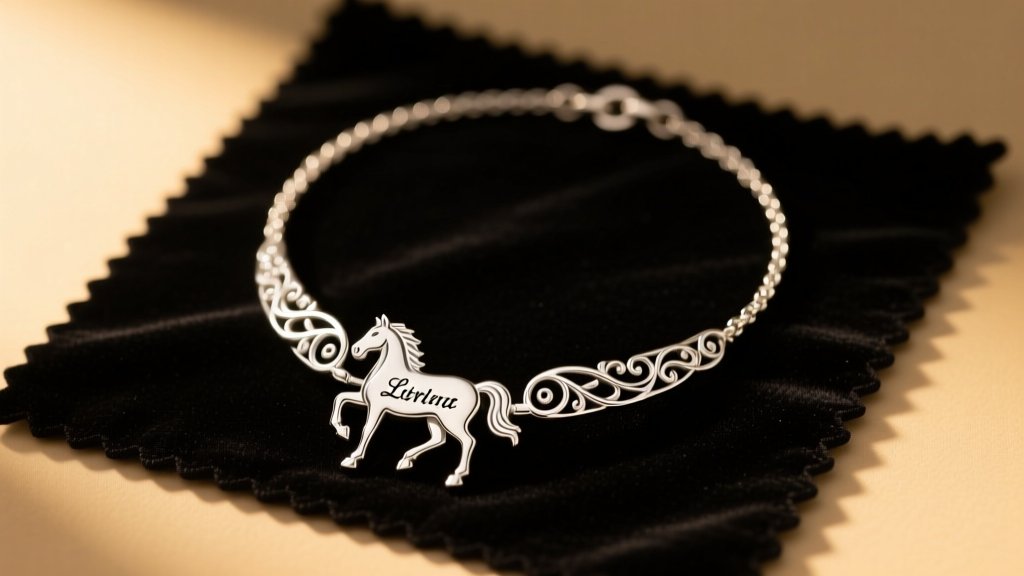
A personalised horse necklace is more than just an accessory; it is a deeply sentimental piece of equestrian jewelry. Whether it features a custom-engraved nameplate, a birthstone, or a detailed silhouette of a beloved equine companion, these pendants require meticulous care. Because custom horse necklaces often feature intricate laser engravings, delicate manes, and mixed materials like enamel or gemstones, standard jewelry cleaning methods can actually cause irreversible damage. As of 2026, advanced laser-etching techniques have made personalisation sharper than ever, but the microscopic grooves of these engravings act as magnets for skin oils, lotions, and environmental pollutants.
In this comprehensive guide, we break down the exact material science behind your necklace and provide actionable, professional-grade cleaning protocols to keep your equestrian keepsake pristine for decades.
Understanding Your Necklace's Material Composition
Before applying any cleaning solution, you must identify the base metal and the plating thickness. According to the Gemological Institute of America (GIA), using the wrong chemical agent on plated metals can strip the finish in seconds. Most high-quality personalised horse necklaces fall into one of three categories:
- Sterling Silver (925): Contains 92.5% pure silver and 7.5% alloy (usually copper). The copper is what causes silver to tarnish when exposed to hydrogen sulfide in the air.
- Gold Vermeil: By definition, vermeil must have a sterling silver base plated with at least 2.5 microns of 10k, 14k, or 18k gold. It is highly durable but vulnerable to abrasive polishing.
- Surgical Stainless Steel (316L): Highly resistant to tarnish and corrosion, often used for the chain rather than the intricate pendant itself.
The Daily Wear & Tear: Why Horse Motifs Trap Dirt
Equestrian jewelry designs are notoriously difficult to clean due to their topography. A standard geometric pendant has a flat surface that wipes clean easily. A horse motif, however, features recessed areas representing the mane, the curve of the neck, the horseshoe, and the saddle. Furthermore, the personalised text—whether it is a horse's name or a rider's initials—creates deep, narrow channels. These channels trap sebum (skin oil), dead skin cells, and cosmetic residues like foundation or sunscreen. Over time, this buildup creates a dull, grayish film that obscures the metal's natural luster and can even lead to localized corrosion if left untreated.
Step-by-Step Cleaning Protocols by Material
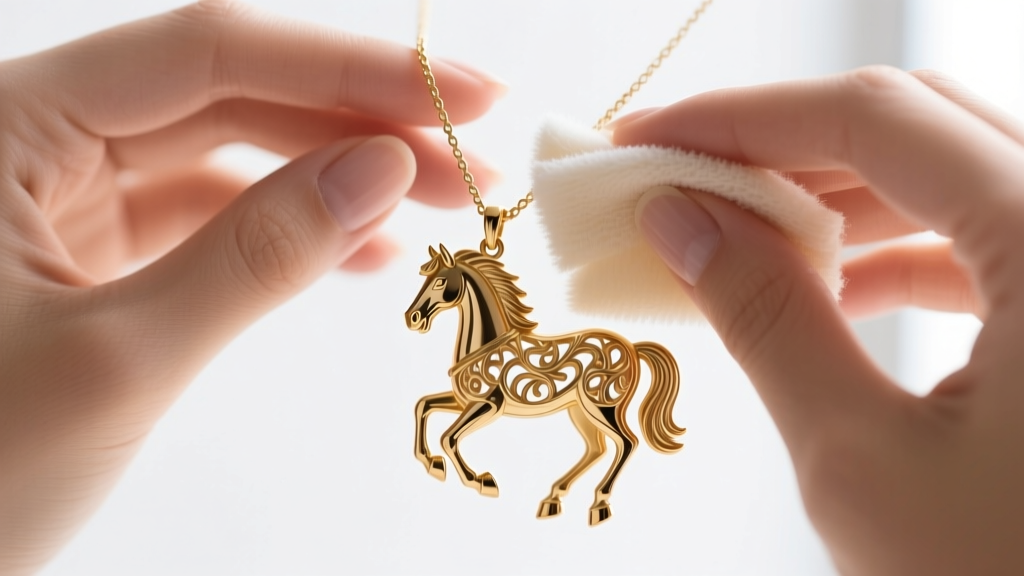
Sterling Silver (925) & Oxidized Details
If your silver horse necklace has intentionally blackened (oxidized) crevices to highlight the horse's mane or the engraved letters, never use commercial liquid silver dips. These dips contain thiourea, which will strip the intentional oxidation, leaving your pendant looking flat and unnaturally white. Instead, use the ionic transfer method for overall tarnish removal without abrasion:
- Line a glass bowl with aluminum foil, shiny side up.
- Place the silver necklace on the foil, ensuring the metal touches the aluminum.
- Sprinkle one tablespoon of baking soda over the jewelry.
- Pour boiling water into the bowl until the necklace is submerged. You will see bubbles and smell a faint sulfur odor—this is the hydrogen sulfide transferring from the silver to the aluminum.
- After 3 minutes, remove the necklace with wooden tongs, rinse in distilled water, and pat dry with a lint-free cloth.
Gold Vermeil & Plated Brass
Gold vermeil requires a much gentler touch. The Jewelers of America strongly advises against using ultrasonic cleaners or toothpaste on plated jewelry, as the microscopic abrasives will wear through the 2.5-micron gold layer, exposing the silver or brass beneath. To clean a gold vermeil horse pendant:
- Mix a few drops of pH-neutral dish soap (like Dawn) into a bowl of lukewarm distilled water.
- Soak the necklace for exactly 5 minutes. Do not exceed this, as prolonged water exposure can weaken the adhesive on any inset gemstones.
- Use a brand-new, ultra-soft baby toothbrush to gently sweep the bristles across the engraved letters and the horse's mane. Brush in one direction to avoid pushing dirt deeper into the grooves.
- Rinse under a gentle stream of lukewarm water and dry immediately.
Enamel & Gemstone Accents
Many personalised horse necklaces feature cold enamel (epoxy resin) for color, such as a black saddle or a green racing silk accent. Enamel is highly susceptible to micro-scratches and chemical degradation from alcohol-based cleaners. Wipe enamel sections only with a damp microfiber cloth. If your necklace features a birthstone (like a peridot or garnet) set in the horse's eye or saddle, avoid sudden temperature changes, which can cause thermal shock and fracture the stone.
Polishing Engraved and Personalised Elements
When polishing the personalised text on your necklace, the goal is to remove tarnish from the surface without rounding off the sharp edges of the laser engraving. Avoid standard jeweler's rouge or heavy polishing compounds, which can build up inside the letters and harden into a white, chalky residue that is nearly impossible to remove.
Pro-Tip: For deep, narrow letter engravings, wrap a piece of untreated, 100% cotton cloth around the tip of a wooden orange stick (commonly used in manicures). Dip the tip very lightly into a non-abrasive silver polish, trace the inside of the letters, and immediately wipe away the residue with a clean, dry section of the cloth.
For routine maintenance between deep cleans, invest in a treated polishing cloth, such as a Sunshine Cloth. These cloths are impregnated with micro-abrasives and anti-tarnish agents. Gently rub the flat surfaces of the horse silhouette, but avoid aggressively scrubbing the recessed personalised text.
Storage Solutions to Prevent Tarnish and Scratching
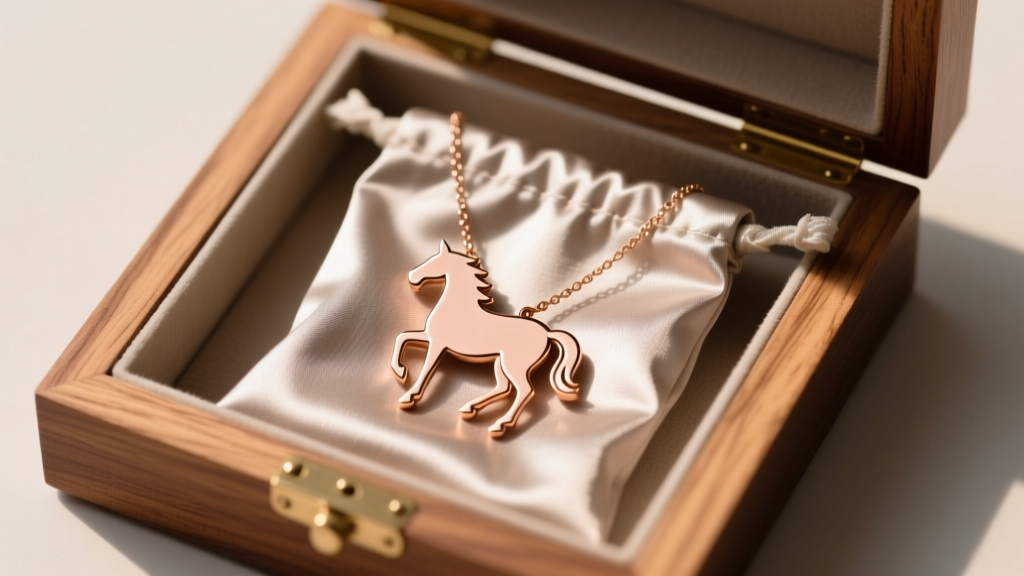
Proper storage is arguably more important than cleaning. Tarnish is a chemical reaction that requires moisture and sulfur. By controlling the storage environment, you can reduce the need for cleaning your personalised horse necklace by up to 80%. The The Assay Office notes that proper hallmarking and metal purity dictate tarnish rates, but environmental factors are the true catalyst.
- Anti-Tarnish Strips: Place a 3M anti-tarnish strip inside your jewelry box. These strips absorb airborne sulfur compounds and protect the silver for up to 6 months in a sealed environment.
- Silica Gel Packets: Moisture accelerates the copper oxidation in sterling silver. Keep a small, rechargeable silica gel desiccant in your jewelry drawer to maintain a dry micro-climate.
- Individual Polybags: Store your horse necklace in an airtight, ziplock-style polyethylene bag. Squeeze out all excess air before sealing. Never store multiple pieces in the same bag; the chains and pendants will cause micro-scratches on each other, particularly on high-polish gold vermeil.
- Hang or Lay Flat: If the necklace features a delicate cable chain (often 0.9mm to 1.2mm thick), hang it on a velvet-lined hook to prevent knotting. Tangled chains often lead to broken links when pulled.
Troubleshooting Common Issues
Even with meticulous care, issues can arise. Use this diagnostic table to address specific problems with your custom equestrian jewelry.
| Issue | Probable Cause | Expert Solution |
|---|---|---|
| White, chalky buildup in engraved letters | Residue from lotions, soap, or heavy polishing compounds trapped in the grooves. | Soak in warm water with a drop of dish soap. Gently agitate with a soft-bristled baby toothbrush. Rinse with distilled water. |
| Gold vermeil turning pink or silver | The 2.5-micron gold layer has worn away due to friction or abrasive cleaning, exposing the base metal. | Stop polishing immediately. Take the piece to a professional jeweler to have it re-plated (re-dipped) in 18k or 22k gold. |
| Chain knotting tightly near the clasp | Static electricity and the fine gauge of the chain (e.g., 0.8mm cable chain) catching on the jump ring. | Lay the chain flat on a glass surface. Apply a single drop of baby oil to the knot. Use two fine sewing needles to gently work the knot loose from the center outward. |
| Dull, cloudy enamel accent | Exposure to hand sanitizers, perfumes, or UV degradation over time. | Enamel cannot be polished back to a high gloss once chemically etched. Wipe with a damp cloth and avoid future contact with alcohol-based cosmetics. |
Conclusion
A personalised horse necklace is a wearable tribute to a passion or a beloved animal. By understanding the specific metallurgical properties of your piece and adopting a gentle, targeted cleaning routine, you ensure that the intricate manes, custom engravings, and brilliant finishes remain as vivid as the memories they represent. Ditch the harsh chemicals and ultrasonic machines; instead, rely on the precise, mindful techniques used by professional bench jewelers to protect your investment for a lifetime of wear.


