John Hardy Cross Necklace Value Guide 2026: Is It Worth It?
Is a John Hardy cross necklace worth the price? We analyze 2026 retail costs, resale value, silver grades, and Balinese craftsmanship.

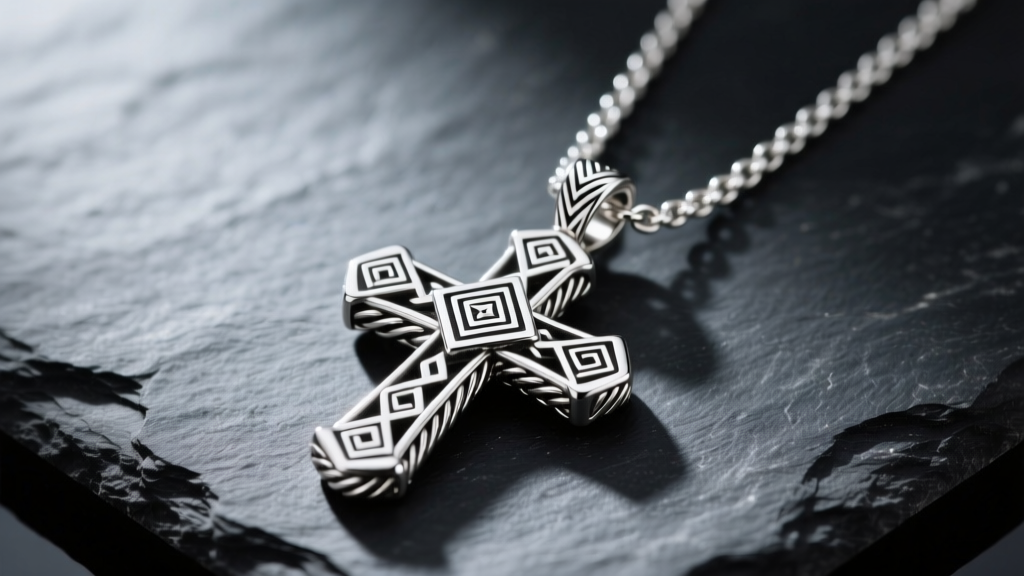
The Allure of the John Hardy Cross: Beyond the Hype
When evaluating luxury jewelry, the intersection of brand heritage, material cost, and artisanal labor dictates true value. The john hardy cross necklace remains one of the most recognizable and highly sought-after pieces in the brand’s extensive catalog. Founded in 1975, John Hardy built its reputation on traditional Balinese jewelry-making techniques, specifically the intricate hand-weaving of precious metals. But in 2026, with precious metal markets fluctuating and consumers becoming increasingly value-conscious, does a John Hardy cross pendant justify its premium price tag?
This comprehensive value assessment breaks down the exact material grades, labor costs, retail pricing tiers, and secondary market depreciation curves to help you determine if this iconic piece is a sound financial and stylistic investment.
Material Breakdown: What Are You Actually Paying For?
To assess the budget and value of any John Hardy cross necklace, you must first understand the raw materials. Unlike mass-market brands that rely on hollow-cast metals or thin vermeil plating, John Hardy utilizes high-grade, ethically sourced materials. However, the intrinsic melt value of these materials only tells a fraction of the story.
- Recycled 925 Sterling Silver: The foundation of most John Hardy crosses is recycled sterling silver. The brand employs a specialized oxidation process that darkens the recesses of their woven chains and cross motifs, creating a high-contrast, three-dimensional effect that mimics antique Balinese artifacts.
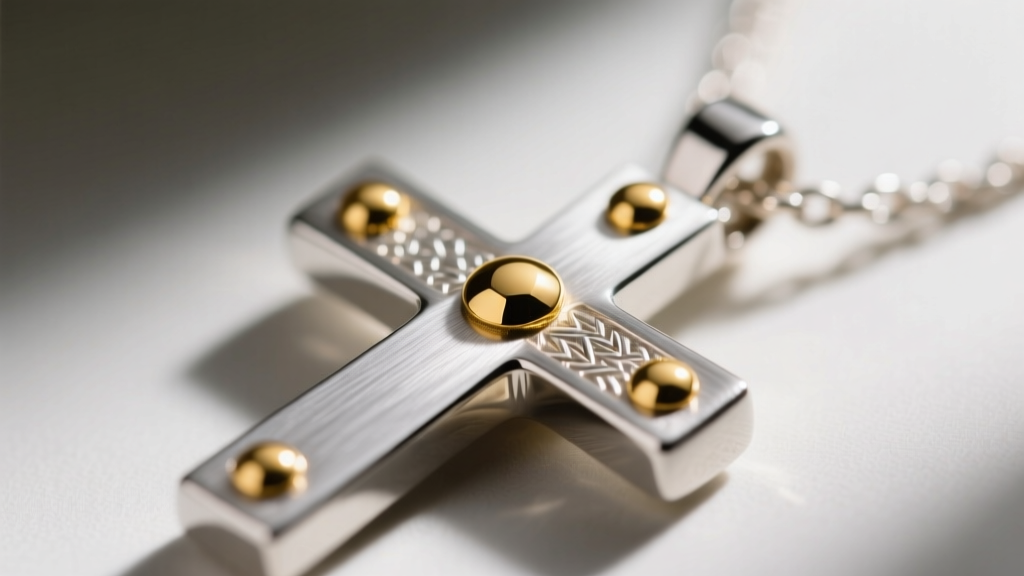
- 18k Yellow Gold Accents: In the highly popular 'Dot' collection, the gold accents are not plated. They are solid 18k gold elements meticulously applied to the silver base. This bi-metal construction significantly increases both the durability and the intrinsic value of the piece.
- Gemstones and Diamonds: Higher-tier crosses feature pavé-set diamonds or cabochon-cut semi-precious stones (like black sapphire or blue topaz). John Hardy typically uses VS-clarity, G-H color diamonds for their standard pavé work, ensuring a brilliant sparkle without the premium cost of flawless stones.
According to John Hardy's official heritage documentation, a single Classic Chain can take an artisan several hours to weave by hand. You are paying for intensive human labor, not just the spot price of silver.
The Classic Chain vs. Dot Collection Crosses
The brand generally categorizes its cross pendants into two distinct aesthetic and structural families. The Classic Chain collection features the signature woven silver or gold rope, often ending in a textured, motif-heavy cross pendant. The Dot collection, inspired by the traditional Balinese 'Jawan' technique, features smooth, polished surfaces punctuated by spherical 18k gold or silver dots. From a value perspective, the Dot collection tends to hold its structural integrity better over decades of daily wear, as the woven Classic Chain can occasionally stretch or trap debris in its links.
2026 Pricing Tiers & Retail Value Analysis
Retail prices for a john hardy cross necklace vary wildly based on size, metal composition, and the inclusion of gemstones. Below is a breakdown of the current 2026 retail landscape and what you can expect to pay for the most common configurations.
| Collection / Style | Primary Material | 2026 Est. Retail Price | Value Proposition |
|---|---|---|---|
| Small Classic Silver Cross | 925 Sterling Silver | $295 - $450 | Entry-level luxury; high brand recognition, low intrinsic metal value. |
| Medium Dot Cross Pendant | Sterling Silver & 18k Gold | $750 - $1,100 | Best balance of bi-metal aesthetics and everyday durability. |
| Large Diamond Pavé Cross | 18k Gold & Diamonds | $3,500 - $6,000+ | High intrinsic value; acts as a tangible asset store. |
| Chain Add-On (18" Classic) | 925 Sterling Silver | $400 - $800 | Labor-intensive weaving justifies the high chain-to-pendant cost ratio. |
Resale Reality: Do John Hardy Crosses Hold Their Value?
When conducting a budget assessment, the secondary market performance is critical. It is a well-known industry fact that luxury silver jewelry suffers from steep initial depreciation. Unlike gold or platinum, silver's commodity price is low; therefore, a $500 silver cross pendant is priced almost entirely on brand equity and labor, not raw materials.
Data from luxury resale platforms like The RealReal indicates that standard sterling silver John Hardy crosses typically retain between 35% and 50% of their retail value on the secondary market. A $400 silver pendant will likely resell for $140 to $200. However, the depreciation curve flattens significantly for pieces featuring solid 18k gold and diamonds. A $4,000 gold and diamond cross can retain 60% to 75% of its value, buoyed by the rising spot prices of gold and the enduring demand for diamond jewelry.
As noted by industry analysts at JCK Online, brand-recognized silver pieces are experiencing a slight resurgence in the vintage market, but buyers should still view silver crosses as emotional or stylistic purchases rather than financial investments.
Authentication Markers to Protect Your Budget
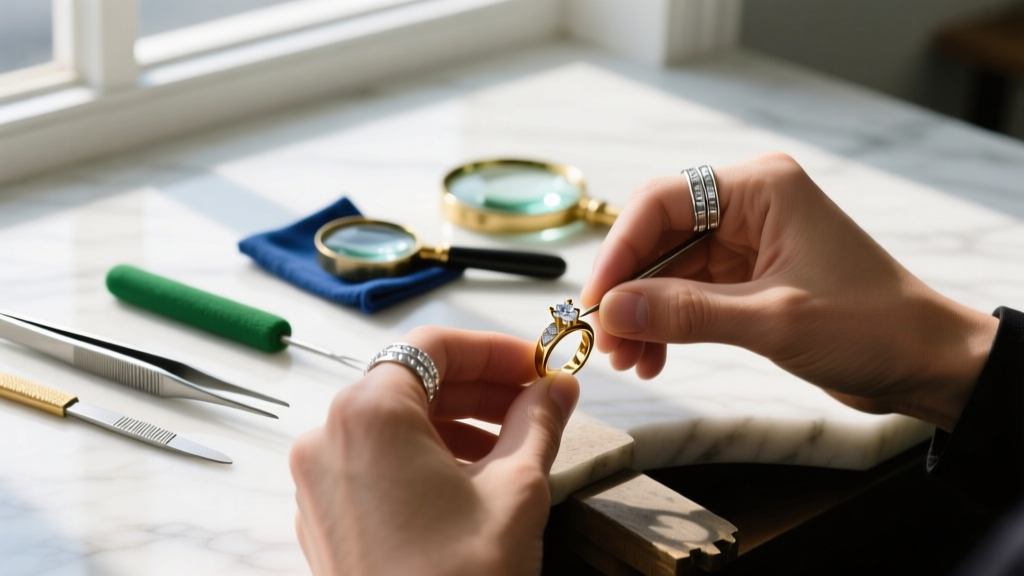
If you are exploring the pre-owned market to bypass retail depreciation, authentication is paramount. Counterfeiters frequently target the john hardy cross necklace due to its popularity. To protect your budget, verify the following markers:
- The Hallmarks: Authentic pieces will feature a clear '925' stamp for silver, '750' for 18k gold, and the 'John Hardy' or 'JH' maker's mark. These are usually located on the flat tag near the lobster clasp or stamped directly into the bale of the pendant.
- The Clasp Mechanism: John Hardy utilizes high-quality, heavy-duty lobster clasps or their signature barrel clasps. Flimsy, lightweight, or poorly finished clasps are immediate red flags.
- The Oxidation: Genuine Classic Chain crosses have deep, dark oxidation in the crevices that looks like aged metal, not painted-on black enamel. Counterfeits often use cheap paint that chips or wears off uniformly.
Layering and Styling Your Investment
To maximize the cost-per-wear of your investment, the styling versatility of the cross pendant is key. The John Hardy cross is inherently masculine and feminine, making it a staple in modern layering techniques.
"A medium-sized John Hardy Dot cross on an 18-inch chain serves as the perfect anchor piece. Layer it with a 16-inch sterling silver choker and a 20-inch plain box chain to create depth without obscuring the intricate Balinese metalwork."
For men, a larger Classic Chain cross on a 22-inch or 24-inch rope chain worn over a dark crewneck sweater highlights the oxidized silver textures. For women, the smaller pavé diamond crosses act as elegant, light-catching focal points when paired with delicate V-necklines or silk blouses.
Final Verdict: Is the John Hardy Cross Necklace Worth It?
If your definition of 'value' is strictly tied to the melt-weight of precious metals, the sterling silver options will disappoint you. You are paying a premium for the brand name and the hours of Balinese artisan labor required to weave the chains and carve the motifs.
However, if you value wearability, structural durability, and iconic design, the john hardy cross necklace is absolutely worth the investment. The bi-metal (silver and 18k gold) options offer the best compromise, providing the luxurious look of gold accents with the accessible price point of silver, all backed by a brand legacy that ensures the piece will remain a recognized staple in your jewelry wardrobe for decades.


