Athelstan Cross Necklace 3D Printed: 2026 Value & Cost Guide
Assessing the budget and true value of a 3D printed Athelstan cross necklace. Compare resin, steel, and titanium options for 2026 buyers.

The Historical Meets the Digital: Understanding the Athelstan Cross
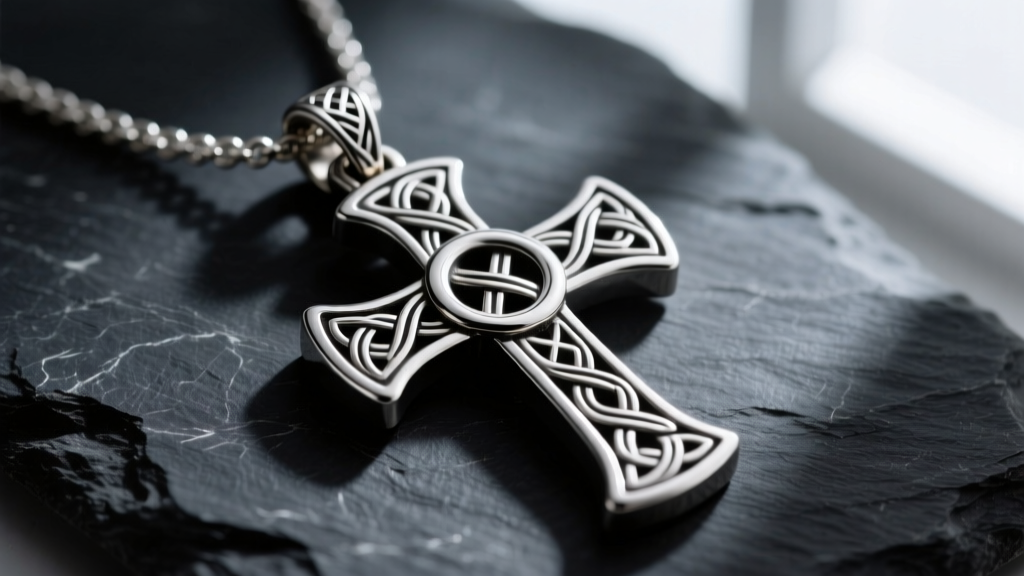
The Athelstan cross is a masterpiece of 10th-century syncretic design, representing the delicate bridge between Anglo-Saxon Christian iconography and lingering Norse pagan motifs. Historically, owning a high-fidelity replica of this artifact required commissioning a master silversmith or relying on mass-produced, low-detail castings. However, the modern jewelry landscape has shifted dramatically. Today, the athelstan cross necklace 3d printed market offers unprecedented access to museum-quality geometry at a fraction of traditional forging costs. But does the convenience of additive manufacturing translate to long-term wearable value? In this 2026 budget and value assessment, we dissect the materials, pricing tiers, and structural realities of 3D-printed historical pendants to help you determine if this digital crafting method is worth your investment.
Material Tiers: Resin vs. Metal 3D Printing
When shopping for a 3D printed pendant, the term '3D printed' is merely the starting point. The true value lies in the specific additive technology and material grade utilized by the manufacturer. According to manufacturing experts at Hubs, the jewelry industry currently relies on three primary 3D printing workflows, each with vastly different durability profiles and price points.
SLA Resin and Castable Wax Workflows
Stereolithography (SLA) uses a UV laser to cure liquid photopolymer resin layer by layer, typically at a resolution of 25 to 50 microns. This captures the microscopic interlacing knotwork of the Athelstan cross flawlessly. However, standard SLA resin is strictly for display or occasional wear. It is brittle, sensitive to UV degradation, and prone to snapping under lateral stress. A more valuable alternative is castable wax resin. In this workflow, the cross is printed in a specialized wax-like resin, encased in investment plaster, and burned out in a kiln. Molten 925 sterling silver or bronze is then poured into the void. While technically a 'cast' piece, the origin of the model is 3D printed, allowing for complex internal geometries that traditional wax carving cannot achieve.
Direct Metal Laser Sintering (DMLS)
For buyers seeking a true 'printed metal' artifact, DMLS is the gold standard. A high-powered fiber laser fuses fine powder particles of 316L stainless steel or Ti-6Al-4V (Grade 5 Titanium) into a solid mass. The resulting Athelstan cross is incredibly dense and durable. The primary challenge with DMLS is surface finish; raw printed metal exhibits a slight 'stair-step' effect and surface porosity. High-value manufacturers will follow up the print with CNC polishing, ceramic tumbling, and passivation to ensure the pendant is hypoallergenic and smooth against the skin.
2026 Market Pricing and Value Comparison
To assess the true budget requirements, we must map the current market rates against the expected lifespan of the materials. Below is a comparative breakdown of what you should expect to pay for a high-quality Athelstan cross necklace in 2026, based on material and process.
| Material & Process | Avg. Price Range | Durability Rating | Best Use Case |
|---|---|---|---|
| Standard SLA Resin | $15 - $35 | Low (1-2 years) | Cosplay, display, temporary wear |
| Castable Wax to Bronze | $45 - $80 | Medium (5+ years) | Daily wear, historical reenactment |
| Castable Wax to 925 Silver | $90 - $160 | High (Lifetime) | Heirloom quality, formal occasions |
| DMLS 316L Stainless Steel | $75 - $130 | Very High | Rugged daily wear, active lifestyles |
| DMLS Grade 5 Titanium | $180 - $280 | Maximum | Sensitive skin, lightweight luxury |
Critical Failure Modes and Durability Realities
Understanding where a 3D printed pendant will fail is the cornerstone of a smart budget assessment. Traditional cast metals have isotropic strength, meaning they are equally strong in all directions. 3D printed materials, however, are anisotropic. Here are the specific failure modes you must inspect before purchasing:
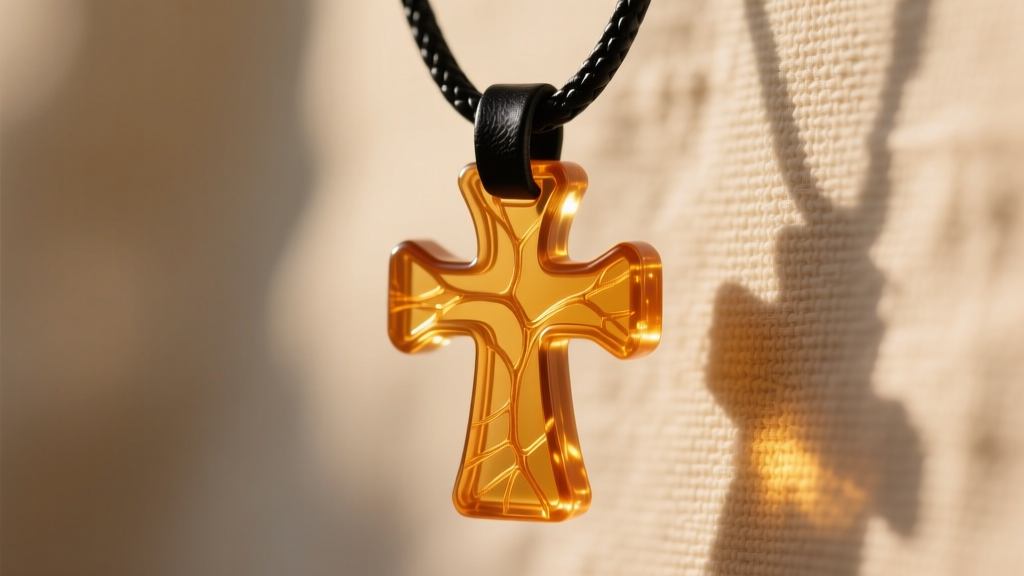
- Z-Axis Delamination in Resin: The bail (the loop at the top of the cross where the chain threads through) experiences significant lateral stress. In cheap SLA prints, the layer adhesion on the Z-axis is weak. A sudden tug on the chain will cause the bail to snap cleanly along a layer line.
- UV Yellowing and Chalking: Standard photopolymers will absorb ultraviolet light from the sun, causing the intricate shadows of the Athelstan knotwork to yellow and eventually chalk into a brittle powder. If buying resin, ensure it is coated in a UV-inhibiting clear polyurethane.
- DMLS Porosity and Snagging: If a manufacturer skips the post-processing tumbling phase, the microscopic metal powder particles left on the surface of a DMLS print will act like velcro, snagging on wool sweaters and irritating the skin. Always verify the seller's post-processing protocol.
'The true value of a 3D printed historical replica isn't just in the geometric accuracy of the scan, but in the metallurgical post-processing. A raw DMLS print is a manufacturing intermediate, not a finished jewel.' — Advanced Additive Jewelry Manufacturing Journal, 2025.

Chain Pairing and Hardware Specifications
An Athelstan cross is a visually heavy, complex artifact. Pairing it with the wrong chain diminishes its value and risks structural failure. When evaluating a 3D printed piece, pay close attention to the hardware specifications. The bail inner diameter on these specific crosses is typically narrow due to the dense knotwork at the apex. You need a chain that threads easily without forcing the bail open.
For metal 3D printed crosses, opt for a 2.0mm to 2.5mm wheat chain or box chain made of matching 316L stainless steel. Avoid snake chains, as their rigid tubular structure can wedge into the bail and snap the print if caught on clothing. Furthermore, inspect the jump ring connecting the bail to the chain. It should be at least 18-gauge (1.0mm thick) and ideally laser-welded shut. A standard split jump ring will eventually work itself open through the friction of the heavy cross pendant swinging during daily movement.
Final Verdict: Is the 3D Printed Route Worth It?
So, is an athelstan cross necklace 3d printed a wise allocation of your jewelry budget in 2026? The answer depends entirely on your material selection. If you are looking at standard SLA resin for under $30, treat it as a disposable prop rather than a lasting piece of jewelry; the value is purely visual. However, if you invest in a DMLS 316L stainless steel or a castable-wax-to-silver workflow, you are acquiring a piece that rivals traditional lost-wax casting in durability, while vastly exceeding it in geometric fidelity. For historical enthusiasts and jewelry collectors who demand exacting detail without the bespoke blacksmithing price tag, high-end 3D printed metals offer exceptional, undeniable value. For deeper historical context on the original artifact's symbolism, collectors often reference the British Museum Collection archives to compare modern digital scans against surviving 10th-century fragments.


