Athens Protasis Necklace Buying Guide: What to Look For
Discover our expert 2026 buying guide for the Athens Protasis necklace. Learn about gold purities, granulation techniques, and pricing.


The Historical Weight of the Athens Protasis Necklace
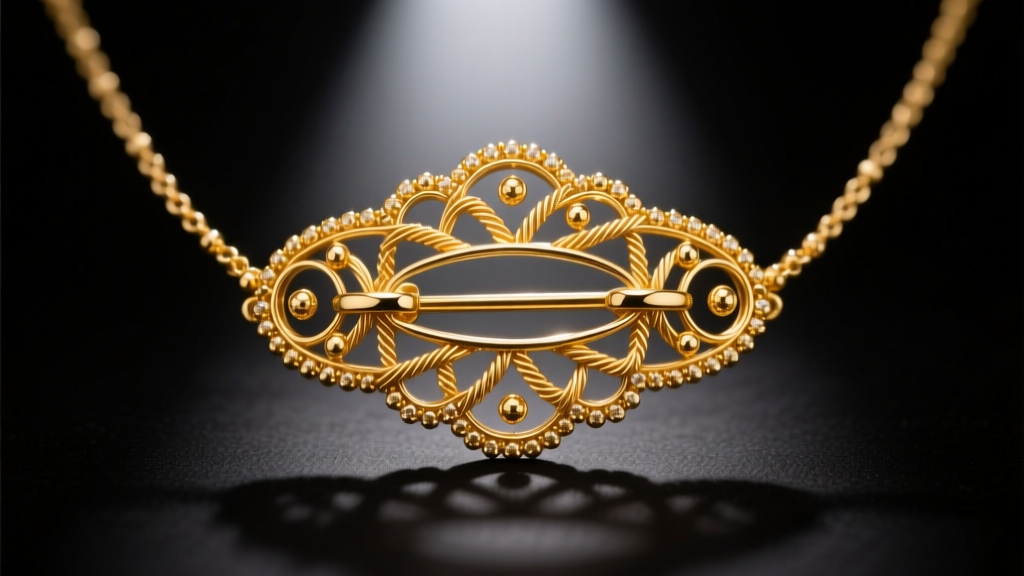
The Athens Protasis necklace represents a masterclass in Hellenistic and Classical Greek jewelry revival. Rooted in the ancient goldsmithing traditions of the Aegean, the 'Protasis' style is characterized by its dramatic use of rosettes, intricate filigree, and painstakingly applied granulation. While originally popularized by mid-century master jewelers like Ilias Lalaounis who sought to resurrect ancient techniques, the modern Athens Protasis necklace remains a highly coveted piece for collectors and enthusiasts of historical jewelry. However, the market is currently flooded with both museum-grade replicas and mass-produced cast imitations. Understanding the exact metallurgical and structural markers of an authentic piece is critical before making a significant investment.
Decoding the Metallurgy: 18K vs. 22K vs. 24K Gold
When evaluating an Athens Protasis necklace, the gold purity dictates not only the color but the structural viability of the ancient techniques used. True Hellenistic jewelry was crafted in high-purity gold, but modern wearability requires careful alloy balancing.
| Gold Purity | Color Profile | Granulation Viability | Best Use Case |
|---|---|---|---|
| 24K (99.9%) | Deep, buttery yellow | Poor (Too soft for 0.2mm granules) | Display-only museum replicas |
| 22K (91.6%) | Rich, warm yellow | Excellent (Ideal for colloidal soldering) | High-end artisan masterpieces |
| 18K (75.0%) | Muted, pale yellow | Good (Requires modern laser welding) | Commercial museum gift shop replicas |
For a piece that truly captures the essence of antiquity while surviving daily wear, 22K gold is the benchmark. The 8.4% alloy mix (usually copper and silver) provides just enough tensile strength to support the delicate filigree wires without compromising the historical color accuracy.
Evaluating Craftsmanship: The Granulation and Filigree Test
The defining feature of any genuine Athens Protasis necklace is its granulation—the application of microscopic gold spheres to a base sheet. In a master-crafted piece, these granules range from 0.2mm to 0.5mm in diameter.
The Colloidal Soldering Marker
Historically, granules were fused using a mixture of copper salts and organic glue, a process known as colloidal hard soldering. When heated, the copper reduces and creates a microscopic eutectic bond, fusing the granule to the base without leaving a visible blob of solder. When inspecting a prospective purchase with a 10x jeweler's loupe:
- Authentic: Granules appear to 'grow' directly out of the base metal. The junction is clean and seamless.
- Mass-Produced Fake: You will see dull, greyish rings of silver solder around the base of each bead, or the piece is entirely cast, meaning the 'granules' and the base are a single, slightly porous piece of metal with soft, undefined edges.
Clasp Mechanics and Structural Integrity
A heavy, multi-rosette Athens Protasis necklace can easily weigh between 25 and 45 grams. A standard lobster clasp is historically inaccurate and structurally insufficient for this weight distribution. Look for a hidden tube clasp integrated seamlessly into one of the larger decorative rosettes, or a traditional shepherd's hook backed by a discreet figure-eight safety chain. The integration of the clasp into the design motif is a hallmark of high-end Athenian ateliers.
Sourcing Authentic Pieces in 2026
Where you buy is just as important as what you buy. The most reliable sources for authentic, historically accurate Athens Protasis necklaces include:
- Museum Ateliers: Institutions like the Benaki Museum in Athens frequently commission limited-run replicas from certified master goldsmiths.
- Heritage Houses: The Lalaounis Jewelry Museum and its associated workshops remain the gold standard for Hellenistic revival pieces, though secondary market pieces from the 1970s-1990s often yield the best value.
- Plaka District Artisans: Independent master goldsmiths in the historic Plaka neighborhood of Athens still take bespoke commissions, though lead times can exceed 8 months for hand-granulated work.
2026 Pricing Matrix for Athens Protasis Necklaces
Pricing is heavily weighted toward labor rather than just the melt value of the gold. Hand-granulation adds approximately $150 to $300 per gram in labor costs compared to cast jewelry.
| Tier | Weight / Purity | Technique | Estimated Price Range (USD) |
|---|---|---|---|
| Commercial Replica | 15g - 20g / 18K | Cast with laser-welded details | $1,400 - $2,800 |
| Artisan Masterpiece | 25g - 35g / 22K | Hand-drawn filigree, colloidal granulation | $5,500 - $9,200 |
| Museum Archive Piece | 40g+ / 22K-24K | Museum-certified historical replication | $12,000 - $25,000+ |
Preservation and Wear Guidelines
The delicate nature of filigree wirework (often drawn down to 0.3mm thickness) requires specialized care. Never place an Athens Protasis necklace in an ultrasonic cleaner. The high-frequency vibrations can easily snap the microscopic solder joints holding the granules in place.

Instead, use a soft-bristled makeup brush dipped in a mild solution of warm water and phosphate-free dish soap to gently dislodge skin oils from the crevices. Pat dry with a microfiber cloth and store flat in a tarnish-resistant flannel pouch to prevent the chain links from kinking.
'To wear a true Protasis piece is to wear the culmination of three thousand years of metallurgical evolution. The gold is merely the canvas; the artisan's mastery of fire and copper salts is the true treasure.' — Dr. Elena Vassiliou, Historian of Aegean Metalwork
Final Verdict
Investing in an Athens Protasis necklace is an exercise in appreciating wearable antiquity. By demanding 22K gold, verifying the presence of true colloidal granulation under magnification, and sourcing from reputable Athenian heritage houses or museum ateliers, you ensure your acquisition is both a historically significant artifact and a lasting financial asset. Avoid cast imitations, respect the delicate wirework, and you will own a masterpiece that bridges the ancient world and the modern era.


