Attack on Titan Key Necklace: Material Guide & Buyer Tips
Discover the best materials for your Attack on Titan key necklace. Compare zinc alloy, stainless steel, and silver to avoid green skin and tarnishing.

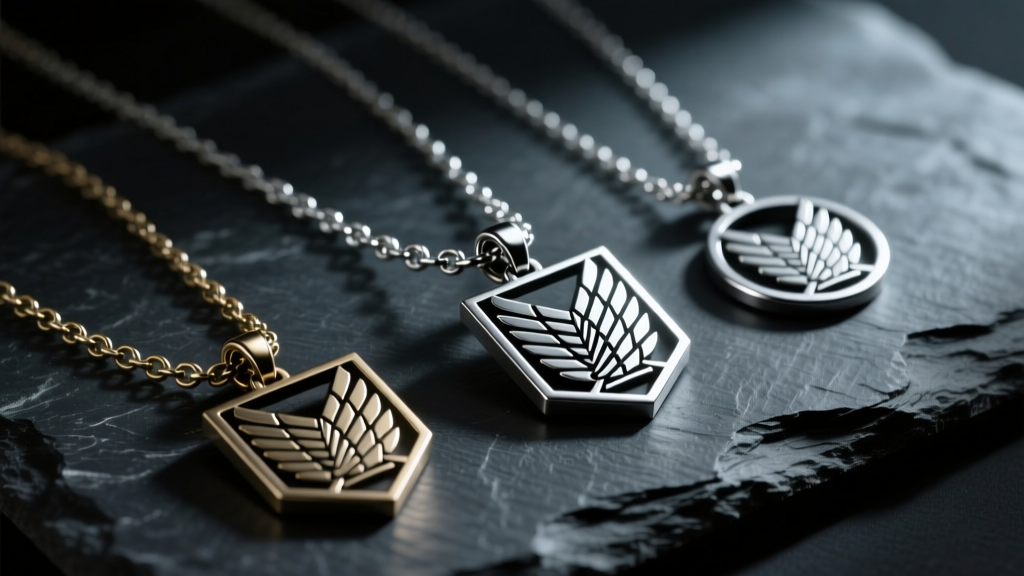
For fans of Hajime Isayama’s epic dark fantasy, few accessories carry the emotional and narrative weight of an Attack on Titan key necklace. Whether it is the iconic basement key left behind by Grisha Yeager or the intricate crest of the Survey Corps, these pendants are more than mere cosplay props; they are symbols of curiosity, freedom, and sacrifice. However, as the anime merchandise market has expanded, so too has the prevalence of low-quality, mass-produced jewelry that tarnishes, breaks, and causes skin irritation.
As we navigate the 2026 anime merchandise landscape, discerning collectors and casual fans alike must look beyond the surface design and scrutinize the metallurgical properties of their jewelry. This comprehensive guide breaks down the specific materials used in Attack on Titan key replicas, comparing their durability, hypoallergenic properties, and structural integrity to help you invest in a piece worthy of the Scout Regiment.
The Legacy of the Key: Why Material Matters in Anime Jewelry
The basement key is arguably the most recognizable prop in the series. Because of its intricate bow and heavy bit, a faithful replica requires a substantial amount of metal, often resulting in a pendant weight ranging from 15 to 35 grams. This weight introduces a mechanical challenge: the pendant must be cast or milled from a material that can withstand daily wear without snapping at the bail (the loop where the chain attaches). Furthermore, because the necklace rests directly against the sternum—an area prone to sweating and friction—the metal must resist corrosion and oxidation. Choosing the wrong material doesn't just ruin the aesthetic; it can lead to contact dermatitis and a broken chain, resulting in the loss of a cherished collectible.
Decoding the Metals: What Are Attack on Titan Key Necklaces Made Of?
When shopping for an Attack on Titan key necklace, you will typically encounter three primary material tiers. Understanding the metallurgical reality behind marketing terms like "antique silver" or "surgical steel" is crucial for making an informed purchase.
Zinc Alloy & "Tibetan Silver" (The Budget Tier)
The vast majority of budget-friendly anime necklaces (priced between $8 and $15) are manufactured using Zamak, a family of zinc alloys containing aluminum, magnesium, and copper. Marketers often disguise this as "Tibetan Silver" or "Antique Bronze."
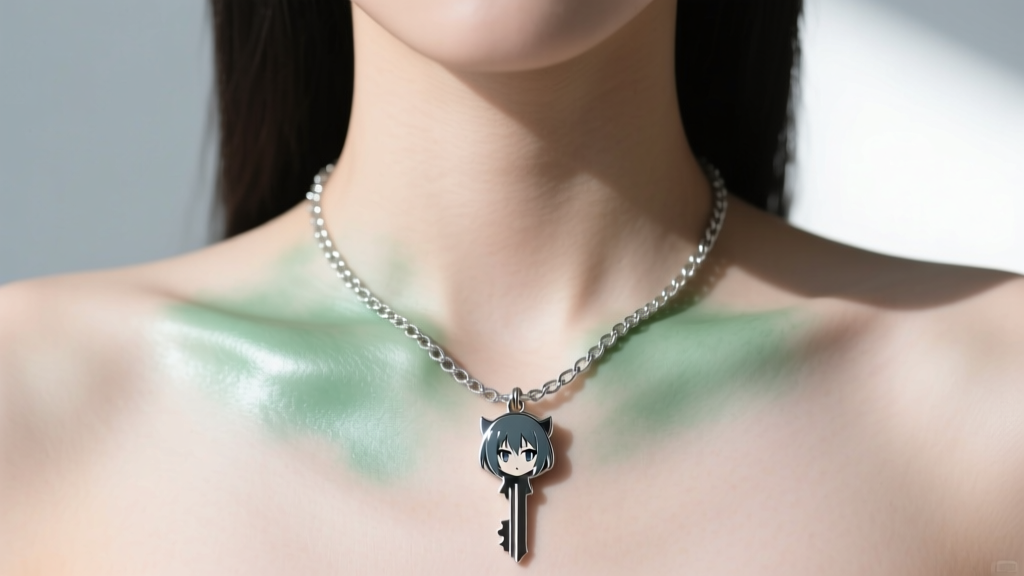
Properties & Failure Modes: Zamak has a relatively low Vickers hardness (around 100 HV) and is highly porous. While it allows for cheap, high-detail die-casting, it is notoriously brittle. If a heavy zinc alloy key pendant is dropped on a hard surface, the bail or the delicate teeth of the key can easily snap. Furthermore, zinc alloys are frequently plated with thin layers of nickel or silver. Once this plating wears off through friction, the underlying copper and zinc react with sweat, leaving a stubborn green or black stain on your skin.
316L Stainless Steel (The Scout Regiment Standard)
Priced between $25 and $45, 316L stainless steel is the gold standard for high-quality, mid-tier anime jewelry. The "L" stands for low carbon, and the alloy includes molybdenum, which drastically increases its resistance to chlorides and industrial solvents.
Properties & Failure Modes: With a hardness of 150-200 HV, 316L is incredibly durable and will not shatter if dropped. It forms a passive chromium oxide layer on its surface, making it virtually impervious to water, sweat, and tarnish. According to Rio Grande's metallurgical guides, 316L is considered hypoallergenic for the vast majority of the population because the nickel it contains is tightly bound within the crystalline structure and does not leach into the skin. It is heavy, cool to the touch, and maintains a permanent, brilliant polish.
Sterling Silver & Solid Gold (The Ackerman Premium)
For luxury collectors, licensed jewelers and independent silversmiths offer the basement key in 925 Sterling Silver ($80 - $150) or custom 14k Solid Gold ($400+).
Properties & Failure Modes: Sterling silver is 92.5% pure silver and 7.5% copper. It is softer than steel (approx. 65 HV), meaning it will acquire scratches and a patina over time. However, unlike zinc alloy, this oxidation is a natural, desirable trait for antique-style props, and it can be easily polished back to a mirror finish. It is inherently hypoallergenic and carries a premium heirloom value that mass-produced steel cannot replicate.
The Chain Mechanics: Matching Gauge to Pendant Weight
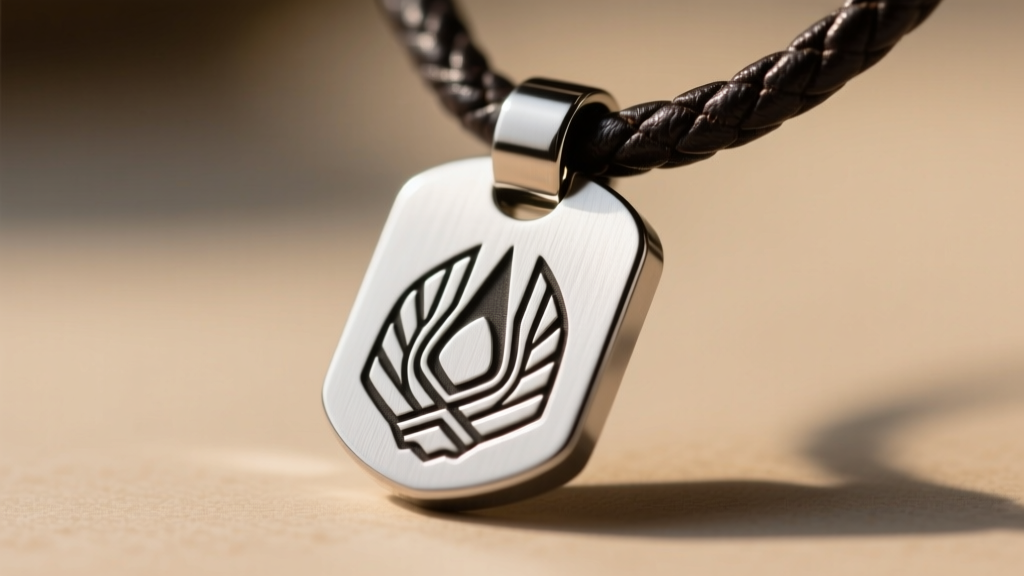
A common failure point in anime jewelry is not the pendant itself, but the chain. A solid 316L stainless steel Attack on Titan key necklace can easily weigh 30 grams. If this is hung on a standard 0.8mm cable chain with a spring-ring clasp, the chain will inevitably stretch, kink, and snap.
- Budget Chains (0.8mm - 1.0mm): Usually made of hollow steel or plated brass. Equipped with spring-ring clasps that fail under 10 grams of dynamic tension. Avoid for heavy keys.
- Standard Chains (1.2mm - 1.5mm): Solid cable or curb chains. Suitable for lighter, hollow-backed alloy pendants (under 15 grams).
- Heavy-Duty Chains (2.0mm - 3.0mm): Solid stainless steel curb, Figaro, or box chains featuring a lobster claw clasp. This is the mandatory specification for solid steel or silver basement key replicas to ensure the clasp mechanism does not pop open during movement.
Material Properties Comparison Chart
| Material | Hardness (HV) | Tarnish Resistance | Hypoallergenic? | Avg. Price Range |
|---|---|---|---|---|
| Zinc Alloy (Zamak) | ~100 | Poor (Plating wears off) | No (High nickel/copper) | $8 - $15 |
| 316L Stainless Steel | 150 - 200 | Excellent | Yes (Nickel is bound) | $25 - $45 |
| 925 Sterling Silver | ~65 | Moderate (Oxidizes) | Yes | $80 - $150 |
| Brass (Unplated) | ~110 | Poor (Oxidizes green) | No (Copper/Zinc mix) | $10 - $20 |
The Nickel Allergy Problem in Licensed Anime Merch
Nickel contact dermatitis is one of the most common allergic reactions in jewelry wearers. According to the National Institutes of Health (NIH), prolonged exposure to nickel-leaching alloys causes severe erythema, itching, and blistering. Many unlicensed, drop-shipped Attack on Titan key necklaces use cheap brass or zinc alloys that contain high levels of free nickel to achieve a bright, silvery appearance. If you have sensitive skin, you must actively avoid terms like "Tibetan Silver," "Alpaca," or "Nickel-Free Plated" (the plating will eventually wear off). Always look for explicit "316L Surgical Steel" or "925 Sterling Silver" hallmarks stamped directly into the metal bail of the pendant.
How to Verify Your Necklace's Material Before Buying
When shopping online or at anime conventions, use these practical verification frameworks to ensure you are getting the metal you paid for:
- The Magnet Test (With a Caveat): 316L stainless steel is austenitic, meaning it is generally non-magnetic. However, the cold-working process (bending and stamping the metal into the shape of a key) can induce slight magnetism. If your key is strongly attracted to a magnet, it is likely a cheaper carbon steel or iron alloy that will eventually rust.
- The Weight Test: Steel and silver are dense metals. A solid steel basement key should feel surprisingly heavy and cold to the touch. If it feels unusually light or warms to your body temperature instantly, it is likely a hollow-cast zinc alloy or plastic with a metallic spray finish.
- The Hallmark Check: Genuine sterling silver will almost always bear a "925" stamp. High-quality steel jewelry from reputable manufacturers will often laser-engrave "316L" or "STAINLESS" on the back of the pendant or the clasp.
Maintenance and Care for Different Metals
Proper maintenance ensures your Attack on Titan key necklace survives for years, passing from one fan to the next like Grisha's legacy.
- For 316L Stainless Steel: Maintenance is minimal. Simply wash with warm water and mild dish soap to remove body oils and dead skin cells. Dry with a microfiber cloth to prevent water spots. Never use bleach or chlorine-based cleaners, as halogens can break down the passive chromium oxide layer and cause pitting.
- For Sterling Silver: Store the necklace in an anti-tarnish cloth pouch or a sealed ziplock bag with a silica gel packet to prevent sulfur in the air from reacting with the copper content. Use a specialized silver polishing cloth (impregnated with jeweler's rouge) to buff away oxidation. Avoid ultrasonic cleaners if the key features painted enamel details, as the high-frequency vibrations can shatter the enamel.
- For Zinc Alloys: Keep strictly dry. Remove before showering, swimming, or exercising. If the plating begins to wear and cause skin irritation, you can apply a thin coat of clear nail polish to the back of the pendant to create a temporary barrier between the metal and your skin.
By prioritizing material integrity over cheap novelty pricing, you ensure that your Attack on Titan key necklace remains a durable, wearable tribute to a masterpiece of modern storytelling. Whether you choose the indestructible utility of 316L steel or the heirloom elegance of sterling silver, understanding the metallurgy behind the merchandise is the first step in building a jewelry collection worthy of the Survey Corps.


