The Austro Hungarian Necklace: 2026 Revival & Style Guide
Discover the 2026 revival of the Austro Hungarian necklace. Learn to authenticate antique enamel and garnet pieces, style them, and understand pricing.

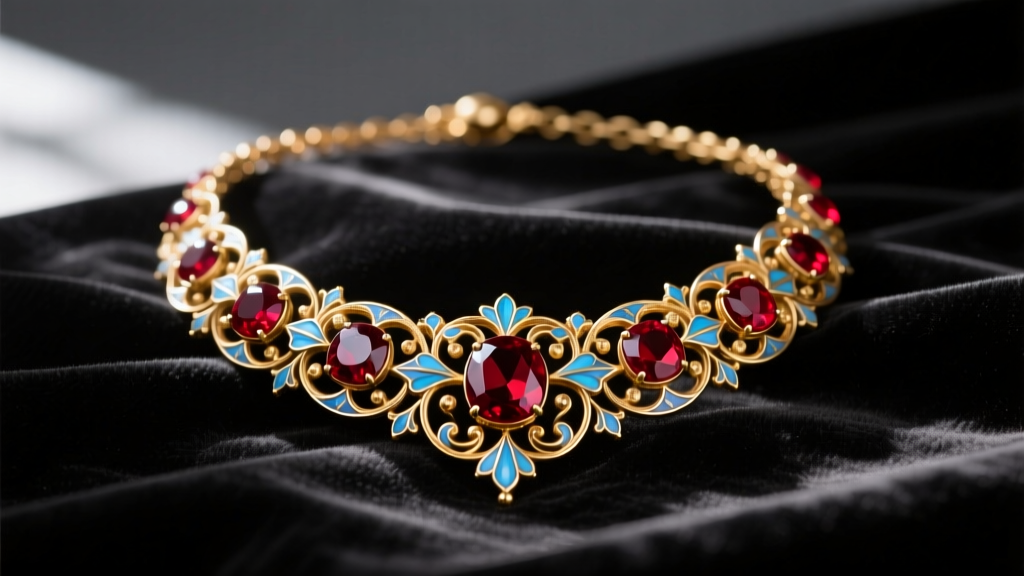
The Imperial Maximalism Trend: Why Heritage Jewelry is Surging
As we navigate the fashion landscape of 2026, the pendulum has swung decisively away from quiet luxury and understated minimalism. In its place, 'Imperial Maximalism' has taken hold, characterized by a deep appreciation for historical weight, intricate craftsmanship, and ornate storytelling. At the very epicenter of this movement is the Austro Hungarian necklace. Originating from the dual monarchy era (1867–1918), these pieces represent a breathtaking fusion of Viennese court elegance and Eastern European folk motifs. Today, collectors and style mavens are actively hunting for these artifacts, drawn to their unapologetic grandeur and the sheer impossibility of replicating their hand-finished details in modern mass production.
But acquiring and styling an authentic Austro Hungarian necklace requires more than just an eye for beauty; it demands a solid understanding of historical metallurgy, gemology, and antique hallmarking. This guide will decode the anatomy of these masterpieces, helping you authenticate, price, and style them for the modern era.
Anatomy of an Authentic Austro Hungarian Necklace
The jewelry produced within the Austro-Hungarian Empire is instantly recognizable to trained eyes. It eschews the delicate, airy lacework of the subsequent Edwardian era in favor of bold, symmetrical, and often heavy architectural designs. The most iconic pieces rely on a specific triad of materials: high-karat gold or silver-gilt, vibrant translucent enamels, and deep red gemstones.
The Magic of Guilloché and Plique-à-Jour Enamel
Enamel work is the defining characteristic of this era's jewelry. Artisans utilized two primary techniques that remain incredibly difficult to execute today:
- Guilloché: This involves engine-turning the metal base to create precise, repetitive geometric patterns, then fusing translucent enamel over the top. The light catches the grooves beneath the glass-like surface, creating a mesmerizing, shimmering moiré effect.
- Plique-à-Jour: Often described as 'stained glass for jewelry,' this technique uses a wire framework to hold translucent enamel without any metal backing. Light passes directly through the enamel, giving the necklace an ethereal, glowing quality.
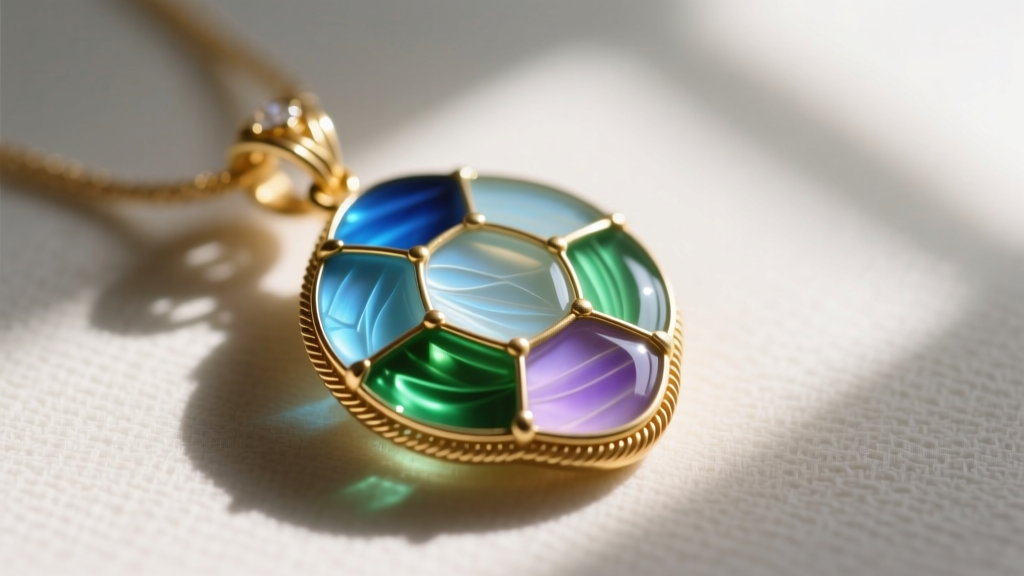
Bohemian Garnets: The Blood-Red Signature
While diamonds and pearls were used, the quintessential Austro Hungarian necklace is heavily paved with Bohemian garnets. According to the Gemological Institute of America (GIA), true Bohemian garnets are pyropes, prized for their deep, blood-red hue that lacks the brown or purple undertones found in almandine garnets. In antique pieces, these stones are typically rose-cut or faceted in shallow, flat-backed cabochons, set tightly together in closed-back silver or gold settings to maximize their fiery brilliance in low, candle-lit environments.
Decoding the Hallmarks: Authentication Essentials
The Austro-Hungarian Empire implemented a rigorous, standardized hallmarking system in 1867, which remained in effect until the empire's dissolution in 1918 (and in some successor states until 1922). If you are evaluating a piece, knowing these punches is non-negotiable for authentication.
Expert Insight: Never rely solely on the visual style of the enamel or garnets to authenticate a piece. Late 19th-century revival pieces and 1920s reproductions often mimic the aesthetic perfectly. The hallmark is your only definitive proof of origin.
Key Imperial Punch Marks
- The Diana Head (1872–1922): A profile of the goddess Diana, used to denote 14k gold (585 purity). This is the most common mark found on high-quality Austro-Hungarian gold necklaces.
- The Minerva Head (1872–1922): A profile of Minerva, indicating 18k gold (750 purity). Less common than Diana, usually reserved for the most luxurious court commissions.
- The Boar's Head: Often found on silver-gilt pieces or items combining gold and silver, indicating specific regional tax and purity standards within the empire.
- The Dog Head: Used primarily for silver items, often accompanied by a number (1, 2, or 3) indicating the silver grade (e.g., .875, .800, .750).
For a deeper dive into historical European punch marks, the Lang Antiques University offers an exceptional visual database of these specific maker and state marks.
Market Analysis: Pricing and Sourcing in 2026
The market for antique necklaces has bifurcated. Museum-quality pieces with pristine enamel and verified provenance command premium auction prices, while 'wearer' condition pieces (minor enamel chips, replaced clasps) remain accessible to dedicated collectors. Below is a breakdown of what to expect in the current market.
| Category | Era / Origin | Price Range (USD) | Key Identifiers & Condition Notes |
|---|---|---|---|
| True Antique | 1867–1918 (Austro-Hungarian Empire) | $1,800 – $8,500+ | Diana/Minerva hallmarks; original barrel clasps; minor enamel wear acceptable. High karat gold or heavy silver-gilt. |
| Early Revival | 1920s–1940s (Czechoslovakian/Austrian) | $600 – $1,500 | Lacks imperial hallmarks; often stamped 'Austria' or 'Czechoslovakia'; slightly lighter gold wash; machine-stamped elements. |
| Modern Heritage | 2020s (Contemporary Inspired) | $150 – $450 | Modern maker's marks; uses synthetic or lab-created garnets; epoxy resins instead of vitreous enamel; brass or sterling silver base. |
Styling Heritage: How to Wear Ornate Necklaces Today
The sheer scale and visual density of an Austro Hungarian necklace can easily overwhelm a modern wardrobe if not styled intentionally. The goal in 2026 is to let the jewelry act as the focal point of a structured, otherwise minimalist outfit. Here are the core styling frameworks for heritage maximalism:
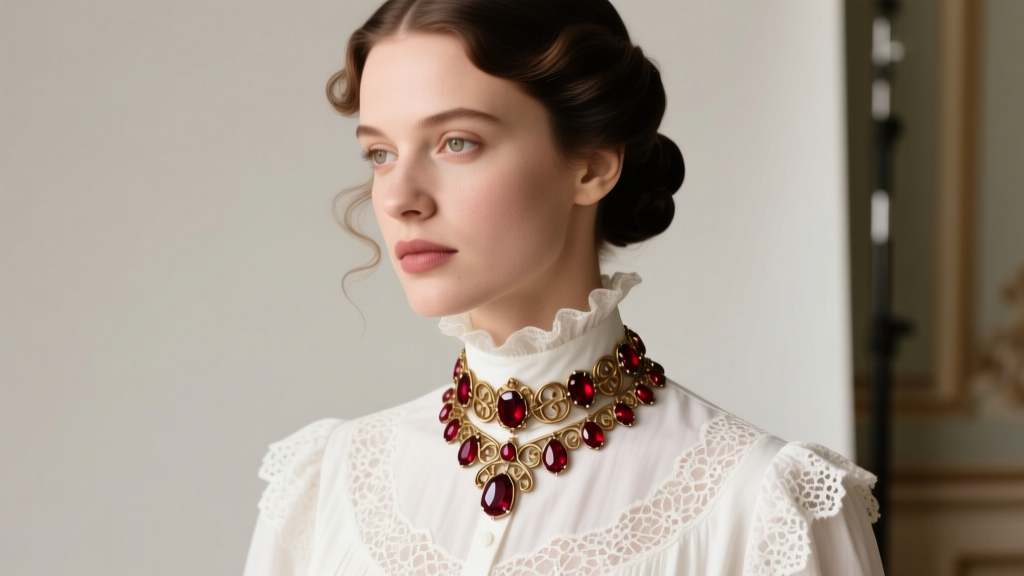
The 'One Hero Piece' Rule
Because these necklaces feature intricate enamel, dense gemstone paving, and complex metalwork, they compete for visual attention. Avoid layering an antique enamel pendant with modern chain necklaces. Instead, wear the Austro Hungarian piece solo against a high-necked, solid-color garment. A crisp white poplin blouse with a Victorian collar, or a sleek black merino wool turtleneck, provides the perfect high-contrast canvas for the deep red garnets and bright guilloché enamel to pop.
Proportional Balancing
If you are wearing a heavy, multi-strand festoon necklace that drops to the collarbone, keep your earrings minimal. Opt for simple diamond or pearl studs. If your necklace is a single, elaborate plique-à-jour pendant on a fine chain, you can balance the look with slightly more substantial drop earrings, provided they share the same metal tone and gemstone color palette.
Occasion Mapping
While traditionally reserved for evening wear, the 2026 trend of 'daytime drama' encourages wearing heritage pieces in casual settings. Pair a shorter, 15-inch Austro-Hungarian garnet choker with a tailored, oversized denim jacket and a simple silk camisole. The juxtaposition of rugged denim and imperial opulence creates a highly curated, fashion-forward silhouette.
Care and Preservation Guidelines
Antique enamel and porous gemstones require specialized care. The most common mistake new collectors make is treating these pieces like modern diamond jewelry.
- Never Use Ultrasonic Cleaners: The high-frequency vibrations will shatter plique-à-jour enamel and loosen the fragile foil backings often used behind Bohemian garnets.
- Avoid Chemical Dips: Commercial silver and gold dips will strip the patina from the metal and can cause irreversible clouding in translucent vitreous enamel.
- Proper Cleaning Method: Use a soft, dry makeup brush to gently dust the crevices of the metalwork. If the stones are heavily soiled, use a barely damp microfiber cloth with a drop of mild, phosphate-free dish soap, wiping gently without pressing on the enamel.
- Storage: Store the necklace flat in a fabric-lined box. Hanging heavy antique chains can stress the century-old solder joints, leading to chain failure.
Final Thoughts
The resurgence of the Austro Hungarian necklace is a testament to the enduring appeal of master craftsmanship. In an era increasingly dominated by disposable fashion and AI-generated designs, wearing a piece of history that was engine-turned, enameled, and set by hand over a century ago offers a profound connection to the past. By understanding the hallmarks, respecting the materials, and styling these pieces with modern intentionality, you don't just wear a necklace—you curate a wearable museum exhibition.


