Authentic Mexico Necklace Buying Guide: Taxco Silver & Styles
Discover how to buy an authentic Mexico necklace. Learn about Taxco silver grades, assay marks, traditional styles, and pricing in this expert guide.

The Legacy of Taxco: Understanding the Mexican Silver Renaissance
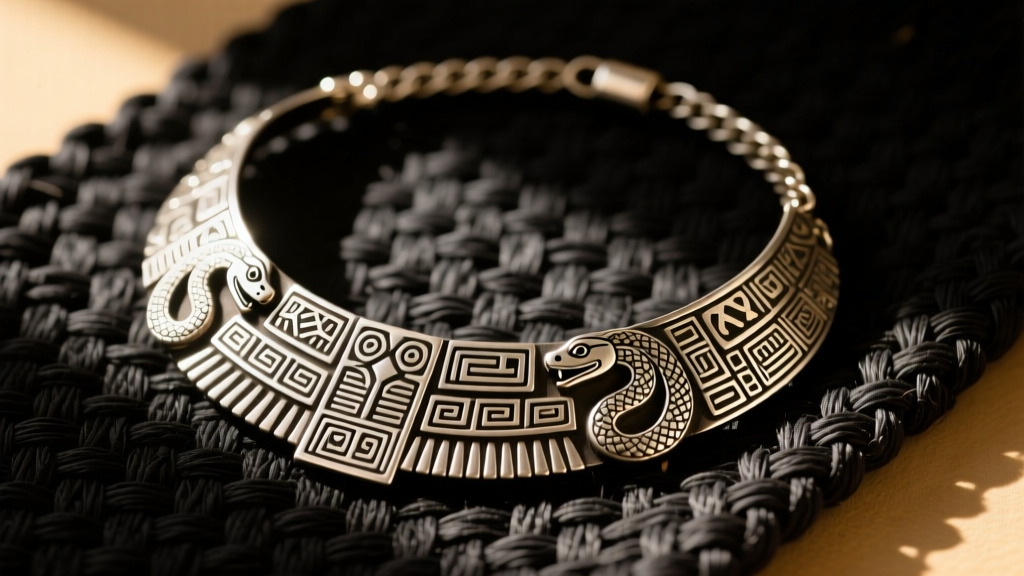
When collectors, historians, and jewelry enthusiasts search for a genuine Mexico necklace, they are almost always chasing the legendary craftsmanship born in Taxco de Alarcón. Nestled in the mountainous state of Guerrero, Taxco became the undisputed epicenter of Mexican silver jewelry in the 1930s. This transformation was largely catalyzed by William Spratling, an American architect who moved to the town and began designing silver pieces inspired by pre-Columbian artifacts and indigenous codices.
Spratling didn't just design; he established a workshop that trained a generation of master silversmiths. His most talented apprentices—often referred to as "Los Cinco Grandes" (The Great Five), including legends like Hector Aguilar and the Castillo brothers—eventually left to found their own competing workshops. This fierce, localized competition birthed a mid-century design renaissance that transformed Mexican silver from simple trinkets into globally coveted, museum-quality art. Today, buying a vintage or contemporary Mexico necklace requires a discerning eye, as the market is increasingly flooded with mass-produced imitations bearing misleading stamps.
Decoding Silver Purity: .925, .950, and .980 Grades
Unlike standard international sterling silver, which is universally recognized at 92.5% purity, authentic Mexican silver jewelry frequently utilizes higher purity alloys. This is not merely a marketing tactic to boast higher silver content; it is a deliberate metallurgical choice driven by the specific hand-forging techniques of Taxco artisans.
- .925 Sterling Silver: The global standard, containing 7.5% copper. It is harder, more rigid, and highly durable, making it ideal for modern, structured chain necklaces, secure clasps, and prong settings.
- .950 Mexican Silver: The historic and preferred Taxco standard. Containing only 5% copper, this alloy is noticeably softer. This malleability allows artisans to execute intricate repoussé (hammering the metal from the reverse side to create a raised design) and deep carving without the metal cracking or fatiguing. Additionally, the lower copper content means .950 silver tarnishes at a slightly slower rate than .925.
- .980 and .999 Silver: Rarely used for structural necklace components or chains due to extreme softness and susceptibility to denting. However, you will occasionally find .980 silver used in delicate bezel-set wirework, pure silver inlay accents, or specific Spratling-era pieces.
How to Verify Authenticity: Assay Marks and Eagle Stamps
The most critical step when evaluating and purchasing a vintage Mexico necklace is verifying the hallmark. To combat counterfeiting and protect the booming export industry, the Mexican government introduced the Eagle Assay Mark in 1948. This stamp was a legal guarantee of silver content.
If you are examining a piece from the mid-20th century, look closely for a small stamped eagle, usually located near the clasp or on the back of the main pendant. The number inside or adjacent to the eagle indicates the city of origin: Eagle 1 denotes Mexico City, while Eagle 2 (or simply an eagle without a number in later production years) typically indicates Taxco. According to the comprehensive archives at the Mexican Silver Store hallmark guide, this eagle system was eventually phased out in the late 1970s and replaced by the alphanumeric registry system still in use today.
The Modern Alphanumeric Registry System
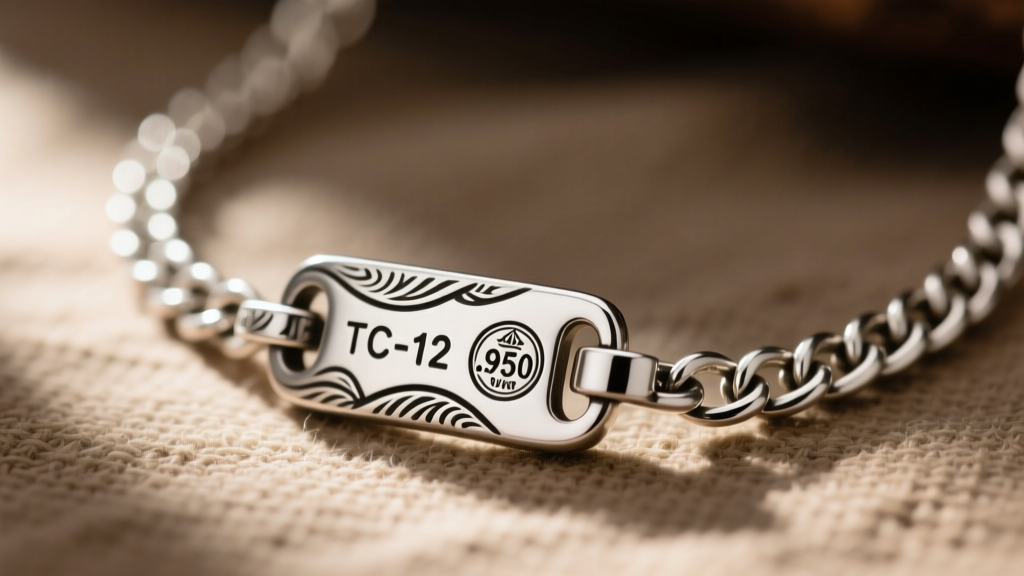
Late-vintage and contemporary pieces will feature a two-letter, one- or two-digit code. For a genuine Taxco necklace, the first letter is always T. The second letter represents the artisan's last name initial, and the number indicates their chronological registration order. For example, a stamp reading TC-12 means the piece was made by the 12th registered silversmith in Taxco whose last name begins with the letter C. Always cross-reference these alphanumeric marks with established silversmith databases to ensure they haven't been forged or stamped onto base-metal counterfeit jewelry.
Native Gemstones: Turquoise, Obsidian, and Amethyst
A defining characteristic of many traditional Mexico necklace designs is the integration of native, locally sourced gemstones. Taxco silversmiths were masters of the bezel setting, using smooth, rounded silver collars to secure irregular cabochons without the need for prongs.
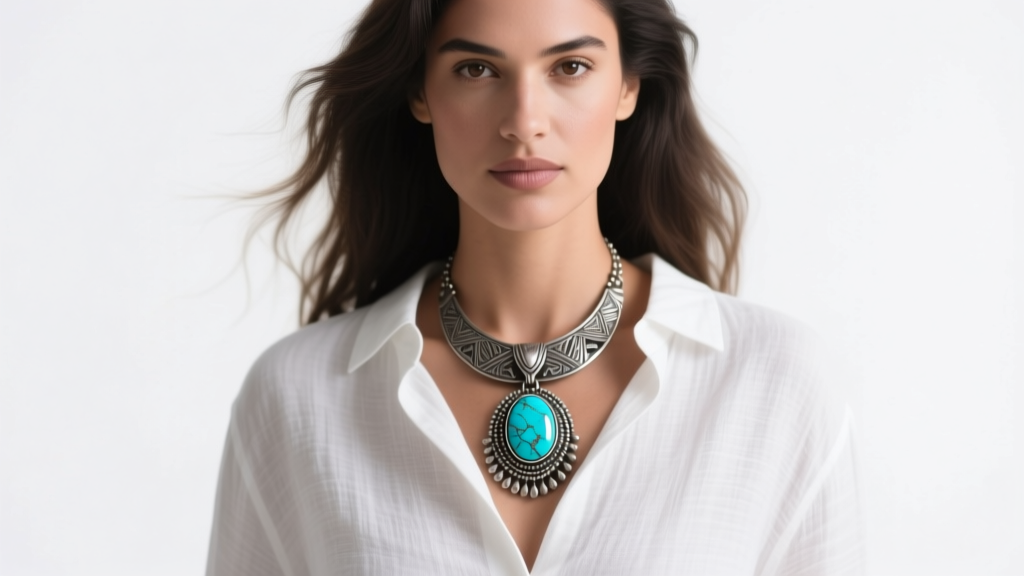
- Turquoise: Often sourced from northern Mexico or the American Southwest, Mexican turquoise frequently features heavy brown or black matrix. Artisans embraced these inclusions, viewing the matrix as a natural fingerprint that contrasted beautifully against bright .950 silver.
- Amethyst: Deep purple Veracruz amethyst was a staple of the 1950s and 60s. Look for custom-cut, faceted stones in vintage pieces, which are far more valuable than the uniformly round, machine-cut stones found in modern tourist-trade jewelry.
- Fire Obsidian: A uniquely Mexican volcanic glass that displays a rainbow iridescence beneath a dark surface. When expertly cut and set in a silver pendant, it creates a mesmerizing, moody aesthetic highly prized by collectors.
Traditional vs. Contemporary Mexico Necklace Styles
Mexican silver necklaces span a wide array of aesthetic categories. Understanding these distinct styles will help you align your purchase with your personal wardrobe needs and investment goals.
| Style Category | Key Characteristics | Best For | Average Price Range |
|---|---|---|---|
| Spratling / Early Taxco | Heavy, architectural, pre-Columbian motifs, .980 or .950 silver, rare gemstones. | Serious collectors, museum-quality investments. | $800 - $5,000+ |
| Mid-Century Eagle Mark | Woven links, floral repoussé, amethyst or turquoise cabochons, .950 silver. | Vintage lovers, statement evening wear. | $150 - $600 |
| Margot de Taxco (Champlevé) | Silver cells filled with vibrant, fired glass enamel (champlevé technique). | Colorful, retro-modern aesthetic, pop-art styling. | $200 - $900 |
| Modern Artisan Coop | Minimalist geometry, matte finishes, mixed metals, .925 silver. | Everyday wear, contemporary layering. | $80 - $250 |
Pricing Guide: What to Expect in 2026
The global spot price of silver has seen significant volatility and strong upward momentum leading into 2026. Consequently, the "melt value" of heavy Mexican silver necklaces has risen substantially, creating a much higher baseline price for authentic pieces. However, true artisan jewelry commands a massive premium over its raw material weight.
When buying, be highly suspicious of heavy, intricate "Taxco style" necklaces selling for under $50 online. Given current silver prices, a genuine 50-gram .950 silver necklace would cost more than that in raw materials alone, before factoring in the dozens of hours of hand-forging, soldering, and polishing required. According to the Gemological Institute of America (GIA), proper valuation of silver jewelry must account for craftsmanship, historical provenance, and gemstone quality, not just metal weight. If a deal seems too good to be true, it is almost certainly a base-metal casting plated in a microscopic layer of silver.
Caring for Your Artisan Silver Pendant
Mexican silver necklaces, particularly those featuring deep repoussé or complex woven links, require specific maintenance to preserve their structural integrity and visual depth.
- Preserve the Patina: Many vintage Taxco necklaces feature intentional oxidation (darkening) in the recessed areas to highlight the three-dimensional relief of the design. Never use liquid silver dips, chemical baths, or ultrasonic cleaners. These harsh methods will strip the patina completely, leaving the piece looking flat, unnaturally white, and stripped of its artistic depth.
- Polishing Technique: Use a high-quality impregnated polishing cloth (such as a Sunshine cloth). Gently rub only the raised, high-polish surfaces of the silver, carefully avoiding the dark, recessed crevices.
- Stone Care: If your Mexico necklace features porous stones like turquoise, malachite, or coral, avoid exposing them to perfumes, lotions, hairspray, or water. These stones act like sponges and can easily discolor, crack, or degrade upon contact with chemicals.
- Proper Storage: Store your necklace in an airtight Pacific cloth bag or a ziplock bag with an anti-tarnish strip. Keeping the silver away from ambient humidity and sulfur in the air will drastically reduce the need for frequent polishing.
Final Thoughts on Sourcing
Whether you are purchasing from a reputable vintage dealer, an estate auction, or directly from a modern Taxco cooperative, always demand clear, high-resolution photos of the hallmarks and the clasp mechanism. A genuine Mexico necklace is far more than just a beautiful accessory; it is a wearable piece of mid-century art and indigenous heritage. By prioritizing verified assay marks, understanding the metallurgical nuances of .950 silver, and respecting the artisan's craft, you will secure a piece that holds both profound beauty and enduring financial value.


