Monk Bead Necklace Buying Guide: Materials, Sizing & Authenticity
Discover how to choose an authentic monk bead necklace. Our buying guide covers bead materials, sizing, stringing durability, and spotting fakes.

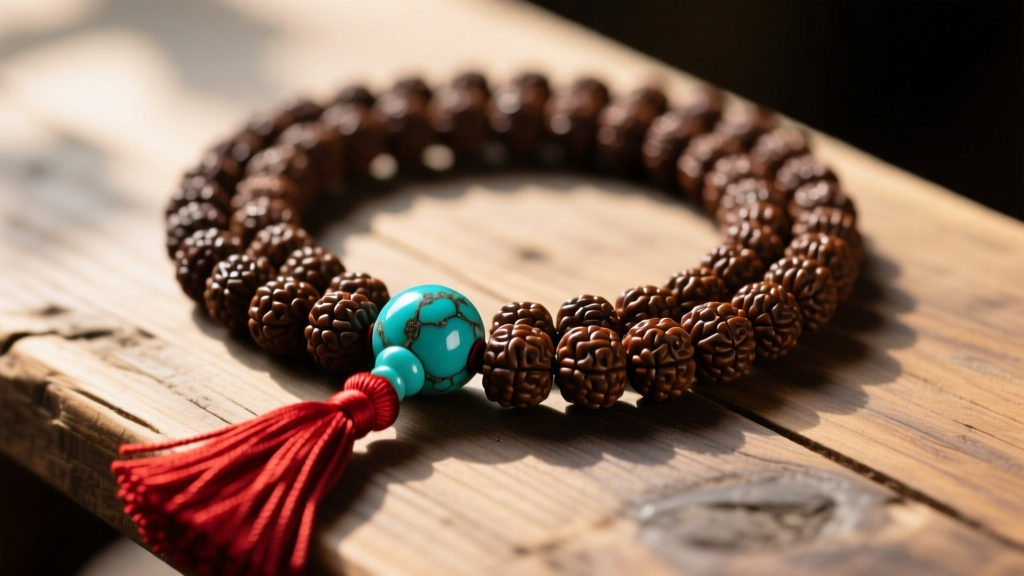
A genuine monk bead necklace—often referred to as a mala, japa mala, or prayer bead necklace—is far more than a simple fashion accessory. Rooted in centuries of Hindu and Buddhist traditions, these necklaces serve as tactile tools for meditation, mantra counting, and mindfulness. However, as the wellness and yoga markets have exploded, the influx of mass-produced, synthetic, and misappropriated beadwork has made sourcing an authentic piece increasingly difficult.
Whether you are seeking a traditional rudraksha seed mala for spiritual grounding or a polished gemstone strand for daily wear, understanding the anatomy, material grades, and structural integrity of a monk bead necklace is essential. This comprehensive buying guide will help you navigate the market in 2026, ensuring you invest in a piece that is both historically respectful and built to last.
The Anatomy of a Traditional Monk Bead Necklace
Before evaluating materials, you must understand the structural blueprint of a traditional mala. A standard monk bead necklace consists of exactly 108 counting beads, plus one distinct 'guru' bead (or meru bead), and a finishing tassel.
- The 108 Beads: Used to count mantras. The number 108 holds profound cosmological and spiritual significance across Eastern traditions, representing the universe's wholeness.
- The Guru Bead: This bead is never counted during meditation. It marks the beginning and end of a cycle, symbolizing the relationship between the student and the teacher. It is often larger or made of a contrasting material, such as turquoise or lapis lazuli.
- The Tassel: Traditionally made of silk or cotton, the tassel represents the lotus flower and the thread of spiritual connection that runs through all 108 beads.
Expert Insight: When purchasing a monk bead necklace for active meditation, ensure the guru bead is distinctly shaped or textured. This tactile cue signals your fingers to stop and reverse direction without requiring you to look down.
Core Materials: Wood, Seed, and Stone Varieties
The material of your beads dictates the necklace's weight, scent, energetic properties, and price point. Here is a deep dive into the most authentic materials used by monks and practitioners.
Rudraksha Seeds
Rudraksha (Elaeocarpus ganitrus) is the most traditional seed used in monk bead necklaces. The value and rarity of a rudraksha bead are determined by its 'mukhis' (faces or clefts). The 5-mukhi bead is the most common and represents Kalagni Rudra, making it ideal for general meditation and blood pressure regulation. Nepali rudraksha beads are generally larger (12mm-18mm) with deeper, more pronounced grooves, while Indonesian beads are smaller (5mm-8mm) and smoother. According to Britannica's historical archives, authentic rudraksha has been used for millennia, but modern buyers must be wary of glued-on faces used to fake rarer mukhi counts.
Sandalwood and Agarwood
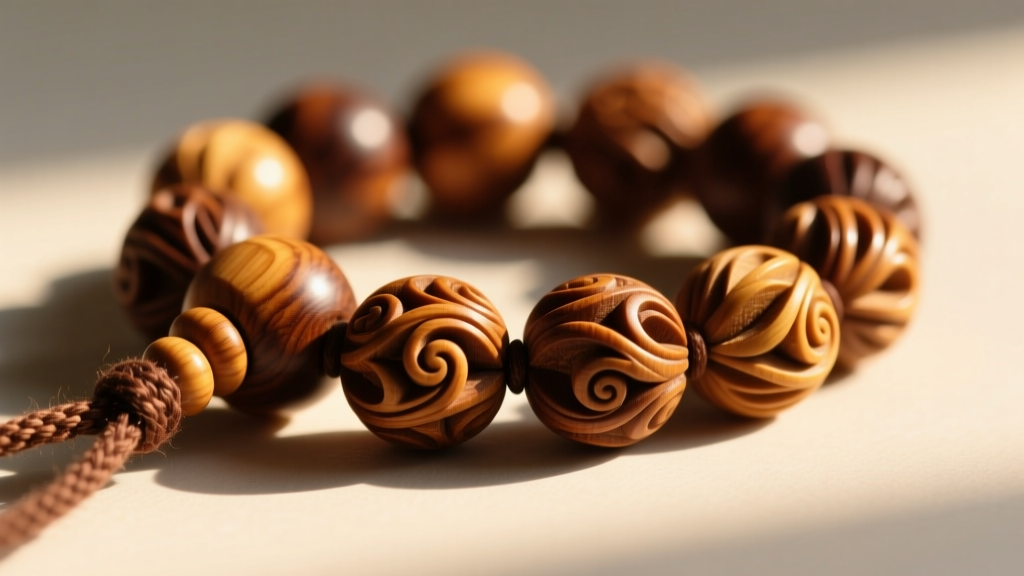
Wooden monk bead necklaces are prized for their aromatic grounding properties. Mysore Sandalwood (Santalum album) contains high levels of santalol, providing a rich, creamy, and lasting fragrance. However, as of 2026, strict CITES regulations and overharvesting have made wild-harvested Indian sandalwood incredibly rare and expensive. Ethical buyers should look for government-certified plantation sandalwood or high-grade Australian Sandalwood (Santalum spicatum), which offers a sharper, more earthy scent profile.
Semi-Precious Gemstones
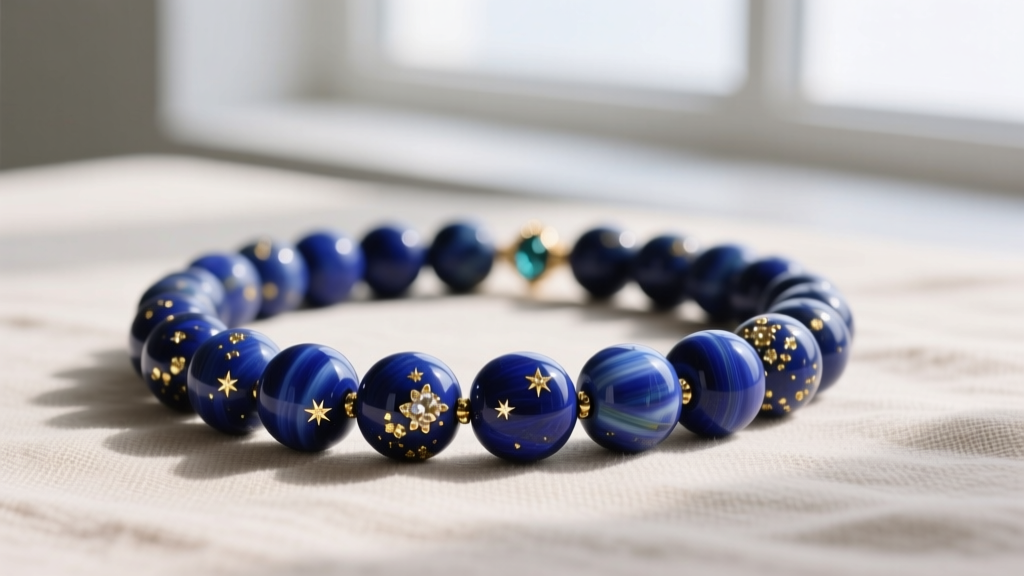
For those who prefer the cooling weight of stone, lapis lazuli, amethyst, and onyx are traditional choices. When buying a stone monk bead necklace, examine the drill holes. High-quality lapis lazuli will feature natural golden pyrite flecks and slight color variations, whereas dyed howlite or synthetic resin will show uniform coloring and unnatural dye pooling around the drill holes. The Gemological Institute of America (GIA) notes that genuine lapis lazuli should never be perfectly uniform in its blue saturation.
Sizing and Bead Diameter: What Fits Your Practice?
The diameter of the beads drastically alters the overall length, weight, and use case of the necklace. While 108 beads is the standard, the physical footprint of the mala changes based on the millimeter (mm) size of each bead.
| Bead Diameter | Total Length (Approx.) | Weight Profile | Best Use Case |
|---|---|---|---|
| 6mm | 26 - 28 inches | Lightweight | Wrist wrapping (3-4 loops), travel malas, subtle daily wear. |
| 8mm | 32 - 34 inches | Medium | Standard neck wear, active japa meditation, yoga studio use. |
| 10mm - 12mm | 38 - 44 inches | Heavy | Statement pieces, deep grounding practices, traditional ascetic wear. |
If you are buying a monk bead necklace primarily for japa (mantra repetition), an 8mm bead is the ergonomic sweet spot. It provides enough surface area for your thumb to easily grasp and advance the bead without causing finger fatigue over a 108-count cycle.
Stringing Materials and Knotting Techniques
The string is the unsung hero of a monk bead necklace. A beautiful strand of rare rudraksha is worthless if it snaps during use. Avoid necklaces strung on cheap elastic or nylon fishing line. Elastic degrades rapidly when exposed to the natural sebum (oils) from your skin and the friction of daily wear.
Instead, look for the following stringing standards:
- Macrame Cotton or Silk Cord: The gold standard is a 1.0mm to 1.5mm hand-knotted cotton or silk cord. Hand-knotting between each bead (similar to high-end pearl necklaces) prevents the beads from grinding against one another and ensures that if the cord breaks, you only lose one bead rather than the entire mala.
- Waxed Braided Cord: For heavier stone or large wooden beads, a waxed braided polyester or hemp cord offers superior tensile strength and resistance to moisture.
Authenticity Tests: Spotting Fakes in 2026
With the rise of e-commerce, the market is flooded with counterfeit wooden and seed malas. Here are three actionable tests you can perform or request from a vendor:
- The Water Test (Rudraksha): Genuine rudraksha seeds are dense and will sink in a glass of water. Fake seeds made of carved wood or resin will often float. (Note: This test is not foolproof for high-density fakes, but it is a good first filter).
- The Boiling Water Test (Sandalwood): If you suspect a wooden bead has been artificially dyed or chemically scented, drop it in boiling water. Genuine sandalwood will release a natural, subtle oil and maintain its structural integrity. Dyed wood will immediately bleed unnatural colors into the water.
- The Scent Longevity Test: Authentic sandalwood and agarwood maintain their scent for decades. If the necklace smells overwhelmingly like cheap incense or loses its scent after a few weeks of wear, it has likely been soaked in synthetic fragrance oils.
Pricing Tiers and Where to Buy
Understanding the fair market value of a monk bead necklace will protect you from both overpriced tourist traps and suspiciously cheap counterfeits.
- $15 - $40 (Entry Level): Mass-produced wooden beads, dyed howlite, or Indonesian rudraksha on elastic cords. Suitable for casual fashion, but not recommended for serious spiritual practice.
- $50 - $150 (Authentic Mid-Range): Genuine 5-mukhi Nepali rudraksha, certified plantation sandalwood, and hand-knotted silk cords. This is the tier to target for authentic, daily-use meditation malas.
- $200 - $500+ (Premium & Gemstone): High-grade natural lapis lazuli, antique or rare mukhi rudraksha (e.g., 8-mukhi or higher), and ethically sourced, vintage Mysore sandalwood.
When shopping, prioritize specialized vendors, fair-trade artisan cooperatives, or established mindfulness brands that provide certificates of authenticity and transparent supply chain data, as recommended by Yoga Journal's sourcing guidelines.
Care and Maintenance
To preserve the integrity of your monk bead necklace, remove it before showering, swimming, or applying perfumes. Chlorine and harsh cosmetics will strip the natural oils from wooden beads and degrade the stringing cord. If your sandalwood necklace loses its luster or scent over the years, gently rub it with a few drops of pure, unadulterated sandalwood essential oil and let it rest in a sealed cedar box for 48 hours to rejuvenate the wood fibers.


