925 Sterling Silver Heart Necklace: Value & Buying Guide
Discover if a 925 sterling silver heart necklace is worth your budget. We break down pricing tiers, plating value, and how to spot overpriced fakes.

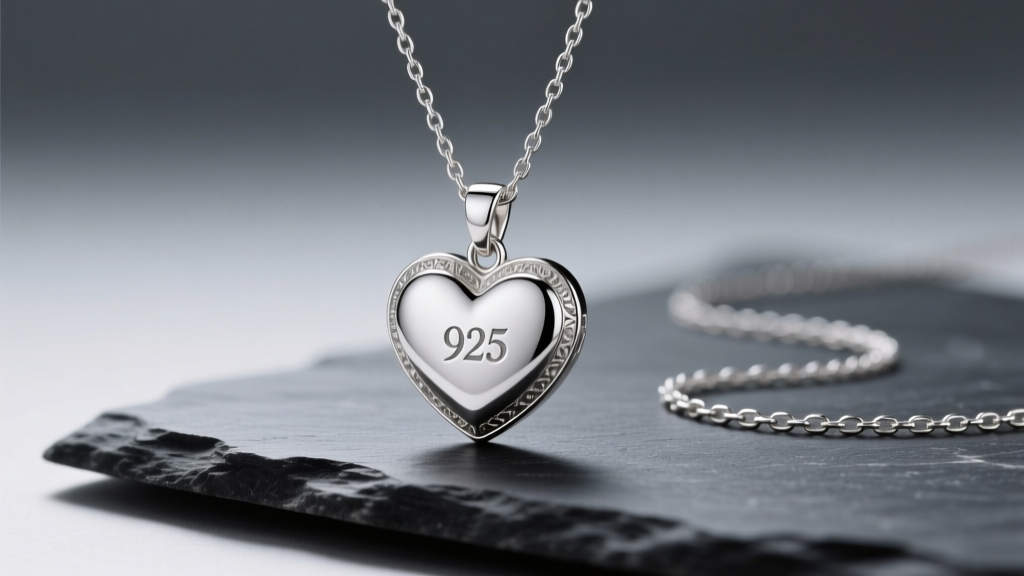
The 925 sterling silver heart necklace is arguably the most ubiquitous staple in modern jewelry boxes. Yet, the market is heavily saturated with everything from $15 dropshipped imitations to $400 designer-markup pieces. For the savvy consumer in 2026, assessing the true value of a silver heart pendant requires looking past the sparkle and understanding the metallurgy, manufacturing costs, and structural integrity of the chain. This guide strips away the marketing fluff to provide a rigorous budget and value assessment of this timeless accessory.
The True Cost: Raw Materials vs. Retail Markup
To determine if you are getting a fair deal, you must first understand the baseline cost of the materials. Sterling silver is an alloy consisting of 92.5% pure silver and 7.5% secondary metals, typically copper or zinc, which provides the necessary tensile strength for jewelry. As of early 2026, the spot price of silver fluctuates between $28 and $32 per troy ounce (31.1 grams).
Let us break down the actual manufacturing math for a standard, solid-cast 5-gram heart pendant:
- Raw Silver Cost: ~$4.50 (based on $28/oz)
- Casting & Labor: ~$6.00
- Polishing & Finishing: ~$3.00
- Chain (18-inch, 1.0mm): ~$8.00
- Total Base COGS (Cost of Goods Sold): ~$21.50
In the jewelry industry, a standard retail markup ranges from 3x to 5x the COGS to cover overhead, marketing, and packaging. Therefore, a high-quality, unbranded 925 sterling silver heart necklace should logically retail between $65 and $110. If a boutique is charging $250 for a basic, un-embellished 5-gram silver heart, you are paying for the brand name, not the intrinsic value of the metal.
Pricing Tiers: What Should You Actually Pay?
Not all silver heart necklaces are created equal. The table below categorizes the market into three distinct tiers, helping you identify where the best value lies based on your budget and quality expectations.
| Tier | Price Range | Construction & Quality | Value Verdict |
|---|---|---|---|
| Budget / Fast Fashion | $15 - $40 | Hollow-cast or silver-plated brass. Flash-rhodium plating. Spring-ring clasps. High risk of tarnishing and skin discoloration. | Poor. False economy; will degrade within months. |
| Mid-Tier / Artisan | $55 - $120 | Solid cast 925 silver. Thick rhodium or anti-tarnish e-coating. Sturdy lobster clasps. Hypoallergenic. | Excellent. The sweet spot for durability and fair pricing. |
| Luxury / Designer | $150 - $500+ | Heavyweight solid silver (>10g). Pave-set lab diamonds or enamel work. Premium branded packaging. | Fair. You pay a premium for design IP and brand prestige. |
Material Grades & Plating: Where the Value Hides
When evaluating a Gemological Institute of America (GIA) certified silver piece, the surface treatment is just as critical as the core alloy. Bare sterling silver contains copper, which reacts with sulfur and moisture in the air to create silver sulfide—commonly known as tarnish. To combat this, manufacturers use surface coatings, but their value varies wildly.
Rhodium Plating vs. E-Coating
Rhodium is a precious metal in the platinum family. A genuine rhodium-plated 925 sterling silver heart necklace will have a bright, white-gold-like luster and exceptional scratch resistance. This process adds roughly $10 to $15 to the manufacturing cost but extends the tarnish-free life of the necklace by years. Conversely, "e-coating" is a cheap, clear resin electrophoretic dip. While it prevents tarnish initially, it wears off unevenly within weeks of friction against the skin, leaving the pendant looking patchy and dull. Always verify if the piece is rhodium-plated before purchasing.
Pro Tip: If a retailer cannot explicitly confirm whether their silver is rhodium-plated, e-coated, or bare, assume it is bare or e-coated. High-end jewelers proudly advertise rhodium plating because of its intrinsic value.
Chain Anatomy: Assessing Durability vs. Price
The most common failure point of any pendant necklace is not the charm itself, but the chain and clasp. A heavy solid silver heart pendant will easily snap a delicate chain, resulting in lost jewelry and a wasted investment. When assessing value, scrutinize the chain specifications.
Gauge Thickness and Link Style
Chain gauge refers to the thickness of the wire used to make the links. For a standard 3-gram to 6-gram heart pendant, you need a chain that balances delicate aesthetics with structural integrity.
- 0.6mm - 0.8mm Cable Chain: Too fragile for daily wear. The solder points on the links will pull apart under the dynamic weight of a swinging pendant.
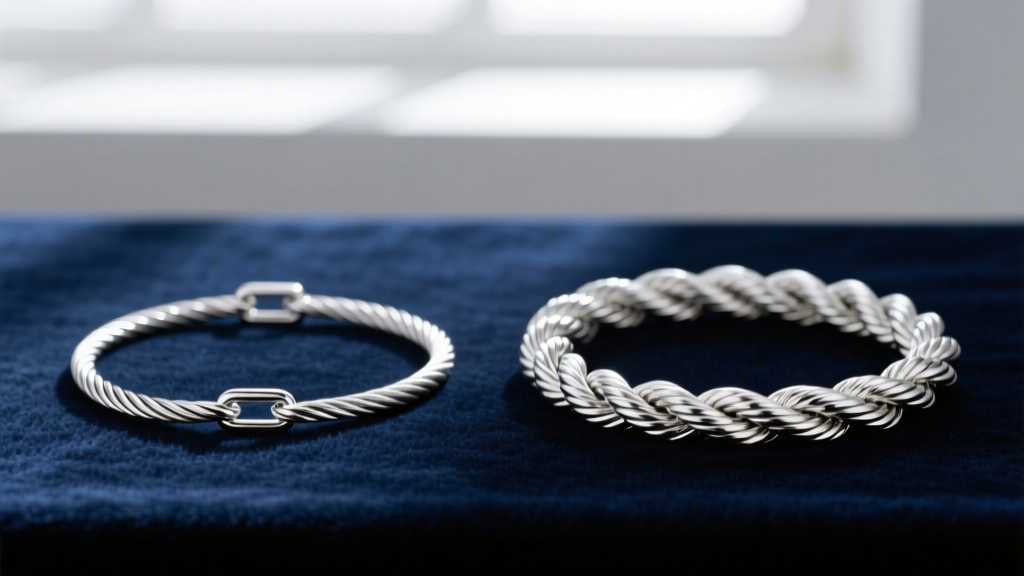
- 1.0mm - 1.2mm Box or Rope Chain: The optimal choice. Box chains feature interlocking square links that distribute weight evenly, while rope chains offer a twisted structure that resists kinking.
- 1.5mm+ Curb Chain: Highly durable but often too visually dominant for a classic, delicate heart pendant.
The Clasp Test
Never accept a spring-ring clasp on a pendant weighing more than 3 grams. Spring rings rely on a tiny, easily deformed internal spring and a minuscule soldered jump ring. A lobster claw clasp is mandatory for secure daily wear. Furthermore, ensure the jump ring connecting the clasp to the chain is soldered shut, rather than just pinched closed, to prevent the chain from slipping out.
The "Fake 925" Trap: Verification Tactics
According to the Federal Trade Commission's Jewelry Guides, it is illegal to stamp a piece of jewelry with "925" or "Sterling" unless it genuinely contains 92.5% pure silver. However, overseas e-commerce platforms are rife with counterfeit hallmarks stamped onto brass or copper alloys. Here is how to protect your budget from fraudulent listings:
- The Magnet Test: Silver is paramagnetic, meaning it exhibits only a very weak, almost imperceptible attraction to magnets. If your heart pendant firmly snaps to a neodymium magnet, it has a ferrous (iron or steel) core and is a fake.
- The Ice Test: Silver has the highest thermal conductivity of any common metal. Place an ice cube on the pendant; it should begin melting almost instantly, much faster than on glass or steel.
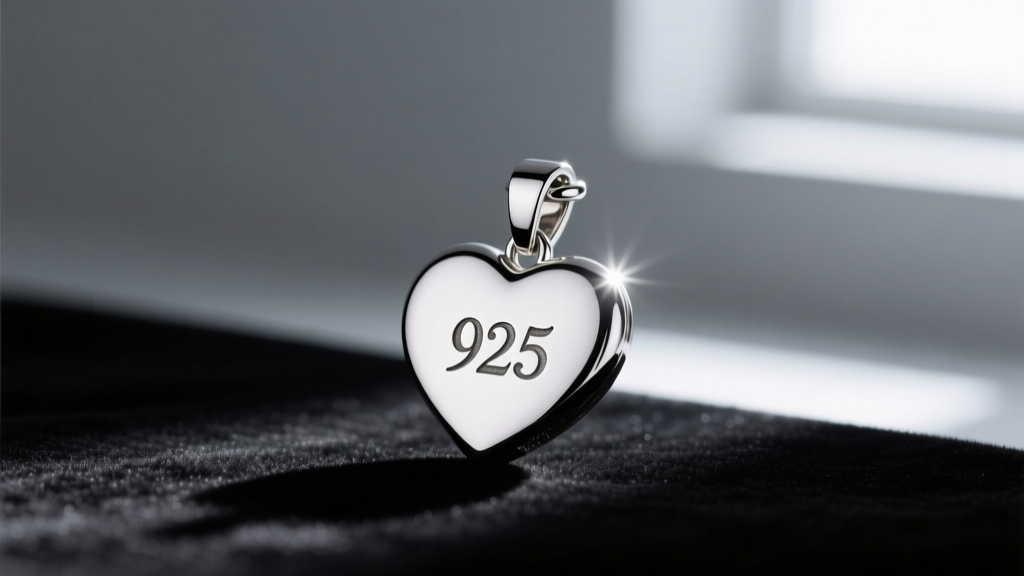
- Hallmark Placement: Authentic manufacturers stamp the "925" in discreet but verifiable areas: the back of the pendant bail, the tag near the clasp, or the interior of the clasp itself. Sloppy, deeply stamped, or misaligned numbers are a red flag for counterfeit mass-production.
Final Verdict: Maximizing Your Budget
A 925 sterling silver heart necklace remains an exceptional jewelry investment, provided you navigate the market with a critical eye. To ensure you are extracting maximum value from your purchase, adhere to this final checklist:
- Target the $60 to $110 price range for unbranded, high-quality pieces.
- Demand rhodium plating to eliminate the hassle of constant polishing and chemical tarnish removers.
- Insist on a 1.0mm to 1.2mm box or rope chain equipped with a soldered lobster claw clasp.
- Verify the 925 hallmark and perform a basic magnet test upon delivery.
By prioritizing structural integrity and accurate metallurgical grading over inflated brand prestige or suspiciously low fast-fashion prices, you will secure a timeless piece that retains its beauty and value for decades.


