How to Authenticate a Bvlgari Necklace with Diamonds
Learn how to authenticate a Bvlgari necklace with diamonds. Our expert guide covers hallmarks, diamond grading, and collection-specific details.

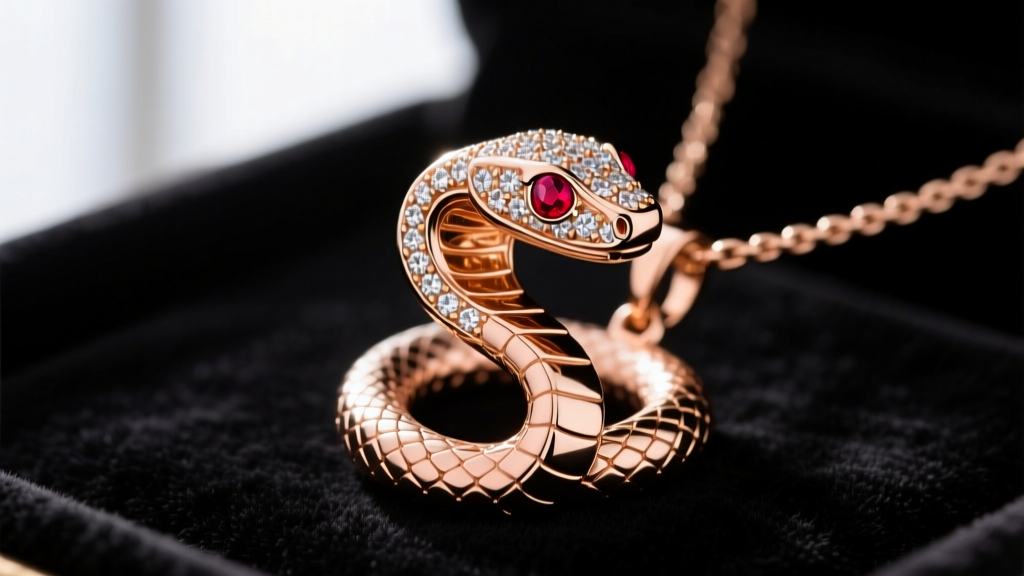
The secondary market for luxury jewelry has exploded, and finding a genuine Bvlgari necklace with diamonds requires a highly trained eye. In 2026, counterfeit manufacturing has reached unprecedented levels of sophistication. 'Super-fakes' now mimic the weight of 18k gold and even include synthetic diamonds, making casual visual inspections unreliable. Whether you are eyeing a Serpenti Viper, a B.zero1, or a Divas' Dream piece, authentication is no longer just about checking for a logo.
As a senior jewelry appraiser, I have developed a rigorous, step-by-step framework to separate authentic Bvlgari masterpieces from high-end replicas. This guide will walk you through the exact hallmarks, diamond grading standards, and structural nuances you must verify before making a purchase.
Step 1: Decoding the Hallmarks and Serial Numbers
The foundation of Bvlgari authentication lies in its precise metal stamping. Bvlgari is meticulous about its hallmarks, and any deviation in font, depth, or placement is an immediate red flag.
The 'BVLGARI' Logo Stamp
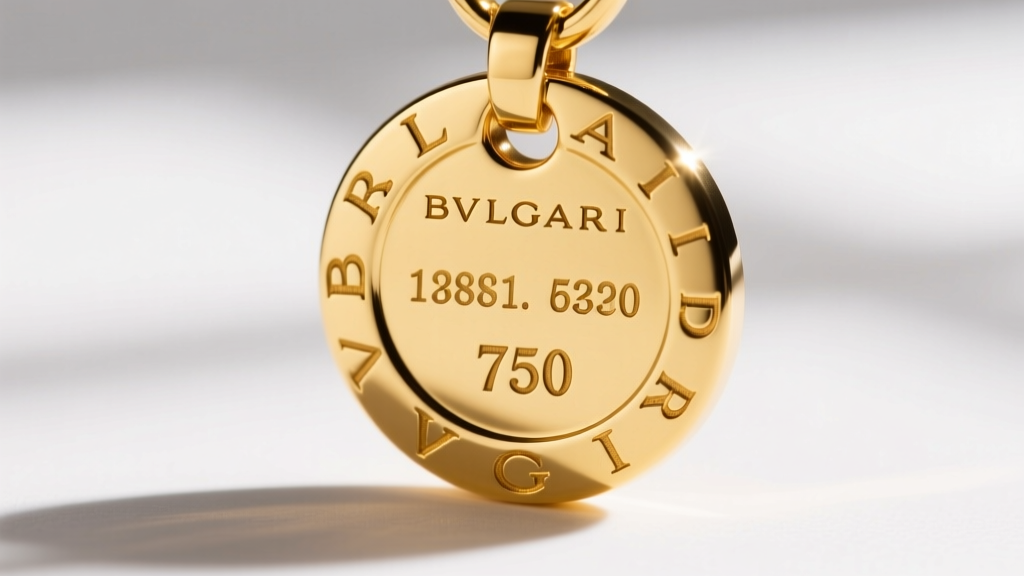
Authentic Bvlgari pieces use the classic Roman alphabet inscription where the letter 'U' is replaced by a 'V'. The stamp should read BVLGARI. On genuine pieces, this stamp is deeply and cleanly laser-engraved or struck into the metal. The edges of the letters will be sharp, with no metal burrs or blurred lines. Replicas often feature shallow etching that looks stamped by a low-pressure machine, resulting in rounded, uneven lettering.
Metal Purity and Serial Numbers
Look for the 750 stamp, which denotes 18k gold (75% pure gold). Bvlgari also stamps MADE IN ITALY on the clasp tag or the pendant bail. Crucially, every authentic modern Bvlgari necklace features a unique serial number, typically consisting of two letters followed by a sequence of numbers (e.g., BN123456). This serial number is registered in Bvlgari's internal database. Fakes often reuse the same serial number across thousands of units; if a reverse image search of the serial number yields multiple listings on different resale sites, the piece is counterfeit.
Step 2: Evaluating Diamond Quality and Pavé Settings
When examining a Bvlgari necklace with diamonds, the gemological standards are exceptionally high. Bvlgari does not use commercial-grade melee diamonds. According to the Gemological Institute of America (GIA), high-end luxury houses typically adhere to strict color and clarity parameters for their pavé work.
Diamond Color and Clarity
Authentic Bvlgari diamond pavé is generally set with stones in the F-G color range (colorless to near-colorless) and VS (Very Slightly Included) clarity or better. Under a 10x jeweler's loupe, the diamonds should appear bright, white, and free of visible black carbon inclusions or cloudy fractures. If the melee diamonds look yellowish, milky, or have visible surface-reaching fractures, you are likely looking at a replica or a 'franken-piece' (a genuine setting with aftermarket, low-quality diamonds).
Prong and Bezel Execution
Examine the setting under magnification. Bvlgari's master jewelers use precise micro-prongs that are perfectly rounded and uniform in size. They should grip the diamond's girdle securely without overlapping the table (top facet). Replicas often exhibit 'mushroomed' prongs, uneven spacing, or worse, visible epoxy glue residue used to secure poorly cut stones. For bezel-set pieces like the Serpenti Viper, the metal rim must be perfectly flush against the diamond with no gaps or scratching on the stone's surface.
Step 3: Analyzing Chain Mechanics and Clasp Hardware
The chain and clasp are often where counterfeiters cut corners to save on manufacturing costs. An authentic Bvlgari chain feels substantial, fluid, and perfectly balanced.
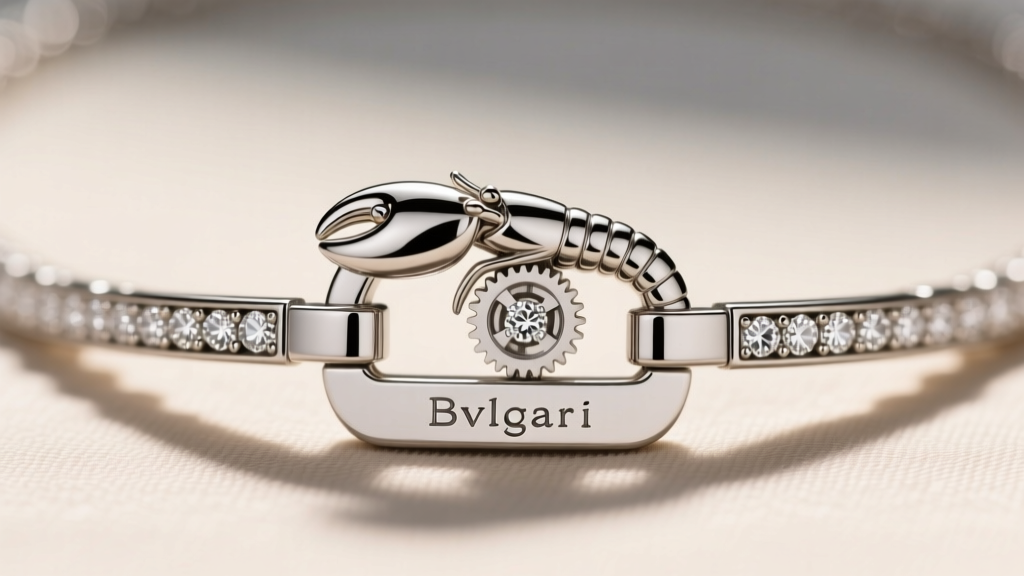
- The Lobster Clasp: The clasp should operate with a smooth, high-tension spring mechanism. It should snap shut with a definitive, crisp click. Authentic clasps are often branded with the BVLGARI logo on the flat exterior.
- Jump Rings and O-Rings: Check the jump ring connecting the clasp to the chain. On genuine pieces, the jump ring is seamlessly soldered shut or features a highly precise, flush cut. Fakes often have loosely closed jump rings with visible gaps that can easily pull apart.
- The Branded Tag: Most Bvlgari chains feature a small, flat oval or rectangular tag near the clasp stamped with the BVLGARI logo. The tag should be perfectly proportioned and soldered flat against the final chain link.
Step 4: Collection-Specific Telltale Signs
Different Bvlgari collections feature unique engineering and design elements that are notoriously difficult for counterfeiters to replicate.
Serpenti Collection
The Serpenti line is defined by its articulation and enamel work. In diamond-set Serpenti pieces, the scales should articulate fluidly but retain structural tension; they should not feel loose or rattle. If the piece features enamel (such as the iconic ruby eyes or colored scales), the enamel must be perfectly flush with the gold borders. Bvlgari uses high-fired vitreous enamel or precision-applied cold enamel that is glass-smooth. Fakes often use painted resin that sits below the metal rim and shows brush strokes or bubbling under a loupe.
B.zero1 Collection
The B.zero1 necklace with diamonds often incorporates the brand's signature tubular design. If the piece includes the central spring mechanism (in older or specific variations), it should compress and rebound smoothly. Furthermore, where the 18k gold rails meet the ceramic or diamond-set core, the transition must be completely seamless. Authentic Bvlgari manufacturing leaves no visible tool marks or adhesive seepage at these material junctions, as detailed in Bvlgari's official materials and care guidelines.
Step 5: Authentic vs. Replica Comparison Matrix
Use this quick-reference table to evaluate a potential purchase on the spot.
| Feature | Authentic Bvlgari | High-End Replica |
|---|---|---|
| Metal Stamp | Deep, sharp 'BVLGARI' and '750'; clean font | Shallow etching; blurred edges; incorrect font weight |
| Diamond Quality | F-G Color, VS Clarity; brilliant light return | H-I or lower color; SI-I1 clarity; cloudy or milky |
| Pavé Prongs | Uniform, rounded micro-prongs; no metal overlap | Irregular, flat, or 'mushroomed' prongs; glue residue |
| Serial Number | Unique alphanumeric code; deeply laser-engraved | Reused codes; shallow dot-matrix or acid etching |
| Chain Weight | Heavy, dense 18k gold; fluid drape | Lighter (hollow or gold-plated brass); stiff drape |
Step 6: Professional Verification and Documentation
If you have passed the visual and tactile inspections but still harbor doubts, professional verification is the final step.
Requesting Original Documentation
Always ask for the original Bvlgari certificate of authenticity, the original purchase receipt, and the iconic Bvlgari packaging. However, be aware that packaging and paper certificates are frequently faked. The certificate should feature a matching serial number and a detailed description of the diamond carat weight and metal type.
Third-Party Appraisal
Take the necklace to an independent, certified gemologist or a reputable luxury authentication service. A professional will use advanced tools like X-ray fluorescence (XRF) to verify the exact elemental composition of the gold, ensuring it is solid 18k and not heavily plated. They will also evaluate the anatomy of the diamonds to confirm they are natural earth-mined stones and not lab-grown or simulants like cubic zirconia, which are common in mid-tier fakes.
The Bvlgari Boutique Test
While Bvlgari boutiques do not offer verbal 'authentication services' for items bought on the secondary market, you can take the piece in for a professional cleaning or a repair estimate (such as tightening a loose prong). If the piece is a counterfeit, the boutique will politely decline service and inform you that the item is not genuine. If they accept it for service, you have your confirmation.
Final Thoughts on Buying Pre-Owned Luxury
Purchasing a Bvlgari necklace with diamonds on the pre-owned market is an excellent way to acquire iconic luxury at a better value, but it requires extreme vigilance. By systematically checking the hallmarks, scrutinizing the diamond pavé under magnification, and understanding the specific engineering of collections like Serpenti and B.zero1, you can protect your investment. When in doubt, always rely on a certified gemologist to provide the final verdict. True luxury is defined by uncompromising craftsmanship, and Bvlgari's authentic pieces will always reflect that standard in every microscopic detail.


