Octobers Very Own Necklace: Troubleshooting & Auth Guide
Troubleshoot your Octobers Very Own necklace with our expert guide. Learn to authenticate OVO pendants, fix tarnished vermeil, and repair heavy chains.

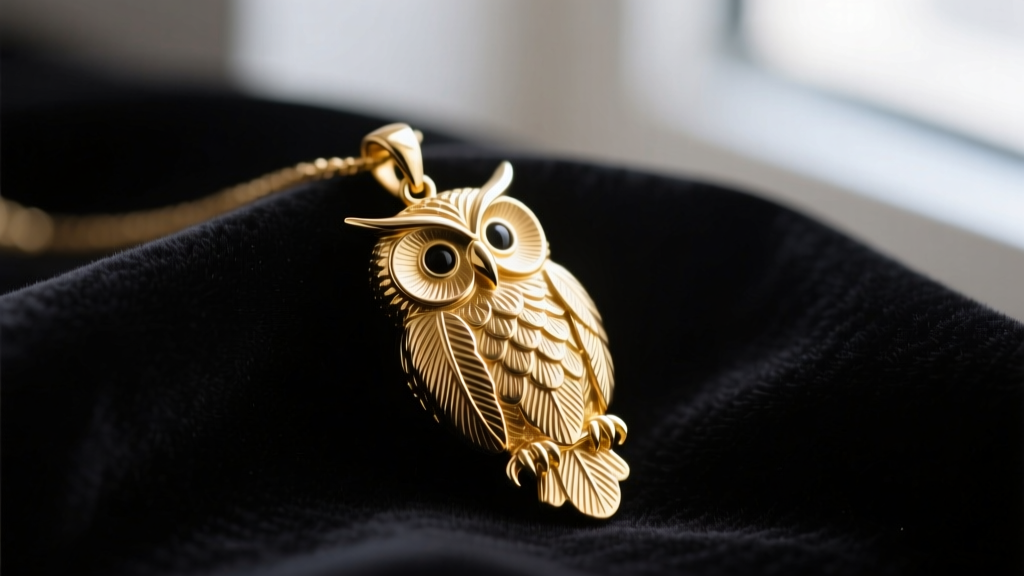
October's Very Own (OVO), the lifestyle brand founded by Drake, has successfully bridged the gap between streetwear culture and luxury jewelry. The signature OVO owl pendants and XO chain necklaces are highly coveted, but their unique construction and heavy weight often lead to specific structural and cosmetic issues. Whether you are dealing with a snapped chain, fading gold vermeil, or the anxiety of verifying a secondary-market purchase, troubleshooting an Octobers Very Own necklace requires specialized metallurgical knowledge. This guide dives deep into the structural engineering, material science, and authentication markers of OVO jewelry, providing actionable solutions to keep your pieces in pristine condition.
The Heavy Pendant Problem: Chain and Bail Failures
OVO pendants, particularly the classic owl and solid metal XO motifs, are notoriously dense. A standard medium-sized OVO owl pendant cast in 925 sterling silver can weigh anywhere from 25 to 45 grams. When suspended on a delicate chain, this concentrated mass creates severe structural vulnerabilities that standard jewelry is not engineered to withstand.
Diagnosing Bail Friction and Metal Fatigue
The bail (the loop connecting the pendant to the chain) bears the brunt of kinetic friction. If you pair a 40-gram OVO pendant with a thin 2mm rope chain, the constant micro-movements will act like a saw against the interior of the bail. Over time, this friction will wear through the 925 silver core, leading to a catastrophic snap. Inspect the bail monthly using a 10x triplet jeweler's loupe. If you notice a groove deeper than 0.5mm, take it to a professional jeweler for a laser weld reinforcement or a complete bail replacement. Do not attempt to bend the bail closed with pliers, as this will work-harden the silver and cause it to fracture.
Upgrading Your Chain Hardware
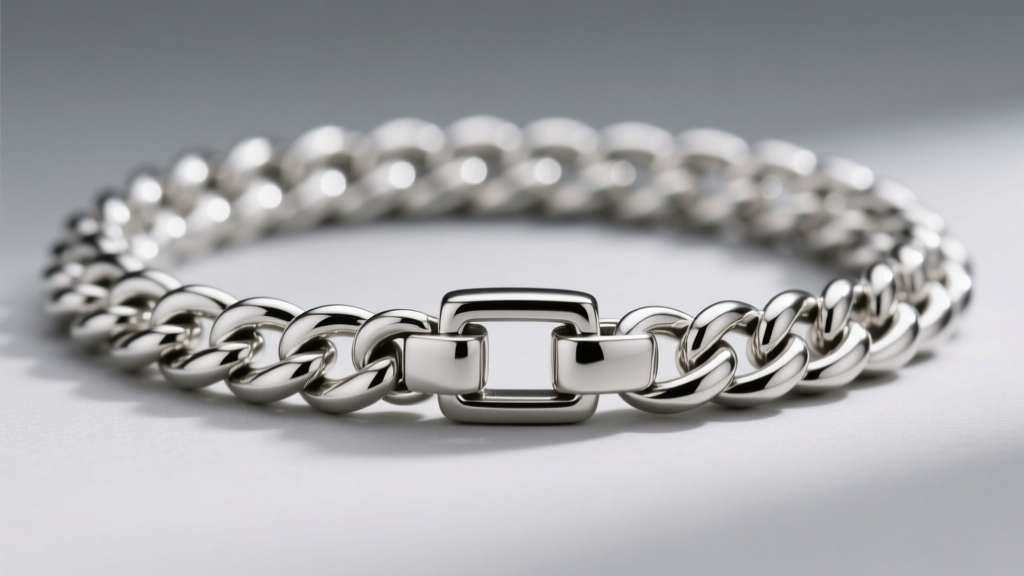
To properly support an Octobers Very Own necklace, abandon chains under 3mm in width. Opt for a 4mm to 5mm solid Cuban or curb link chain. Ensure the chain is rated for at least 60 pounds of tensile strength. Solid 14k gold chains are preferable for high-tier OVO drops, as 925 silver is softer and more prone to link stretching under heavy, swinging loads. When a silver link stretches, it thins out, creating a weak point that will eventually snap under the pendant's dynamic weight.
Tarnish and Plating Wear on OVO Vermeil
While OVO releases solid 14k gold pieces for premium drops, the majority of their accessible collections utilize gold vermeil. According to the Gemological Institute of America (GIA), true vermeil requires a base of 925 sterling silver plated with a minimum of 2.5 microns of 10k, 14k, or 18k gold. OVO typically uses a rich 14k or 18k gold bath. However, skin acidity, sweat, and friction will inevitably wear down this micron layer, exposing the silver core which then oxidizes and tarnishes.
Step-by-Step Vermeil Restoration Protocol
Never use ultrasonic cleaners, silver dip solutions, or abrasive polishing cloths on an Octobers Very Own necklace. These methods will strip the remaining gold microns instantly, leaving you with a raw silver pendant. Follow this safe cleaning protocol:
- Gentle Cleansing: Mix a few drops of pH-neutral dish soap with lukewarm distilled water. Tap water contains minerals that can leave micro-scratches.
- Soft Agitation: Use a baby-soft toothbrush to gently dislodge sebum and dirt from the intricate feather engravings of the owl pendant. Brush in a single direction to avoid matting the gold layer.
- Controlled Drying: Pat dry with a lint-free microfiber cloth. Air drying leaves hard water spots that can etch into the gold layer over time.
If the silver core is already exposed and the pendant looks brassy or dull, DIY fixes will not work. You must send the pendant to a professional jewelry plating service for a re-dip. Expect to pay between $45 and $85 for a high-quality 3-micron 18k gold re-plating, which will restore the piece to factory specifications.
Environmental Damage and Improper Storage
A common troubleshooting complaint among OVO owners is sudden, severe tarnishing after storing the necklace. This is almost always caused by storing the jewelry in the original cardboard presentation box or in a humid bathroom environment. Cardboard and paper products contain sulfur compounds that off-gas and rapidly accelerate silver oxidation, even through thick gold vermeil layers if microscopic pores exist in the plating.
To solve this, store your Octobers Very Own necklace in an airtight, anti-tarnish ziplock bag with a 3M anti-tarnish strip. The strip will absorb ambient sulfur and moisture, preserving the gold plating and preventing the underlying 925 sterling silver from turning black. Never store multiple OVO chains tangled together, as the heavy links will scratch the vermeil plating off one another.
Authenticating Your Octobers Very Own Necklace
The secondary market for streetwear jewelry is saturated with high-quality counterfeits. As of early 2026, counterfeiters have begun using 3D scanning to replicate OVO molds, making visual inspection alone insufficient. Authenticating an Octobers Very Own necklace requires looking past the packaging and examining the metallurgy, casting quality, and precise hallmark depth. Fakes often utilize brass or zinc alloy bases with a thin flash-plating of gold, resulting in a piece that feels suspiciously light and smells metallic when warmed by body heat.
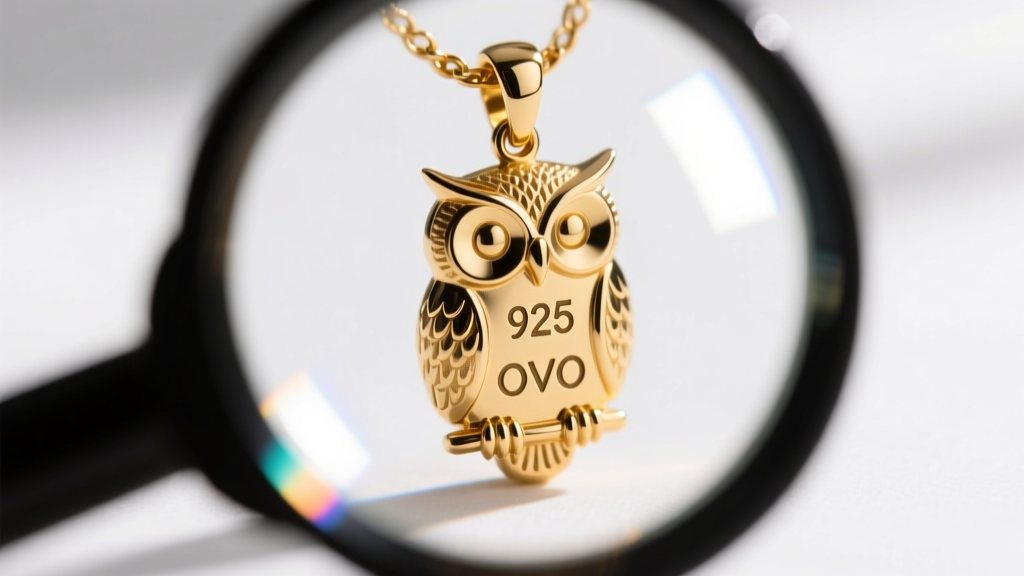
| Feature | Authentic OVO | Counterfeit |
|---|---|---|
| Base Metal | 925 Sterling Silver | Brass, Copper, or Zinc Alloy |
| Pendant Weight | 25g to 45g (Dense and heavy) | 10g to 18g (Hollow or light) |
| Hallmark Stamps | Deep, crisp laser engraving ('925', 'OVO') | Shallow, blurred, or cast into the mold |
| Gold Tone | Warm, rich 14k/18k hue | Overly yellow, greenish, or brassy |
| Casting Lines | Seamless, hand-polished edges | Visible seam lines on the pendant edges |
To verify the base metal without damaging the piece, use a precious metal tester or consult a certified gemologist who can perform a non-destructive XRF (X-ray fluorescence) scan. This will instantly reveal if the core is genuine 925 silver or a cheap brass alloy.
Clasp Malfunctions and Upgrades
The standard lobster clasp included with many OVO chains is often the weakest link in the assembly. The heavy torque exerted by a swinging 40-gram owl pendant puts immense lateral pressure on the tiny internal spring mechanism of the clasp. Over time, this spring fatigues, leading to accidental unclasping and lost jewelry.
The Hardware Fix
Upgrade your clasp hardware immediately after purchase. Replace the standard lobster clasp with a double-safety box clasp or a heavy-duty magnetic clasp featuring a secondary figure-8 safety catch. When having a jeweler solder the new clasp, ensure they use a laser welder rather than a traditional butane torch. Torch soldering near the chain links can easily melt the delicate 925 silver jump rings and ruin the heat-treated temper of the surrounding links, causing them to become brittle and snap.
Conclusion
Maintaining an Octobers Very Own necklace requires respecting the physics of heavy jewelry. By upgrading your chain gauge, implementing strict vermeil-safe cleaning protocols, and rigorously verifying hallmarks, you can protect your investment. Treat your OVO pieces not just as streetwear accessories, but as fine jewelry requiring specialized structural care.


