2026 Gift Guide: Choosing a Protection Crystal Necklace
Discover the perfect protection crystal necklace for every milestone. Our 2026 gift guide covers stone durability, chain gauges, and occasion matching.

The Shift Toward Intentional Gifting in 2026
In recent years, the jewelry market has seen a massive pivot toward intentional, meaning-driven accessories. As we navigate 2026, gifting a protection crystal necklace is no longer just a niche spiritual gesture; it has become a mainstream way to offer emotional support, grounding, and a tangible reminder of resilience to loved ones. Whether you are shopping for a recent graduate stepping into a demanding career, a friend embarking on a cross-country move, or a partner navigating a challenging life transition, matching the right crystal to the occasion requires more than just aesthetic intuition. It demands an understanding of gemological durability, metal alloys, and structural jewelry design.
This comprehensive guide moves beyond generic crystal lore. We will break down the exact Mohs hardness ratings, chain gauge requirements, and setting styles necessary to ensure your meaningful gift survives daily wear while maintaining its energetic and physical integrity.
Decoding Protection Crystals: Mohs Hardness & Wearability
The most common mistake buyers make when selecting a protection crystal necklace is ignoring the Gemological Institute of America (GIA) Mohs scale of mineral hardness. A stone's spiritual properties are irrelevant if it shatters or scratches within a week of wear. Necklaces sit on the chest, an area prone to accidental impacts against desks, steering wheels, and doorframes.
According to the Mindat.org mineral database, crystals with a Mohs rating below 5.0 possess significant cleavage planes or conchoidal fractures, making them highly susceptible to chipping. Furthermore, porous stones can absorb skin oils, perfumes, and lotions, leading to irreversible discoloration. When selecting a stone for a daily-wear pendant, you must factor in how the jeweler has secured the stone.
| Crystal | Mohs Hardness | Fracture / Cleavage | Ideal Setting | Avg. Price (14k Gold) |
|---|---|---|---|---|
| Black Tourmaline | 7.0 - 7.5 | Indistinct / Uneven | Prong or Bezel | $180 - $350 |
| Obsidian | 5.0 - 5.5 | Conchoidal (Glass-like) | Full Bezel | $120 - $250 |
| Malachite | 3.5 - 4.0 | Perfect Cleavage | Sealed Bezel | $200 - $450 |
| Smoky Quartz | 7.0 | None / Conchoidal | Prong or Bezel | $150 - $300 |
Matching the Stone to the Occasion
The efficacy of a crystal gift lies in the alignment between the stone's traditional intention and the recipient's current life chapter. Here is how to match specific protection stones to major 2026 milestones.
Milestone Birthdays & Career Transitions
For a recipient entering a high-stress corporate environment or launching a startup, Black Tourmaline and Smoky Quartz are the premier choices. Black Tourmaline is renowned for its grounding properties, acting as an energetic shield against workplace stress and external negativity. Because it ranks at a 7.0 to 7.5 on the Mohs scale, it is highly durable for daily office wear. Smoky Quartz offers a similar grounding effect but with a sophisticated, translucent brown-to-black aesthetic that pairs beautifully with both 14k yellow gold and platinum settings, making it ideal for professional environments where understated elegance is key.
Relocation, Travel, and New Beginnings
Moving to a new city or traveling extensively requires a stone associated with transit safety and adaptability. Malachite, often called the ultimate traveler's stone, features striking concentric green bands that make for a visually stunning pendant. However, malachite is soft (3.5 Mohs) and contains copper, meaning it can react to sweat and acidic environments. If gifting malachite, ensure the jeweler has used a sealed bezel setting with a protective lacquer or a solid backplate to prevent skin contact and moisture ingress.
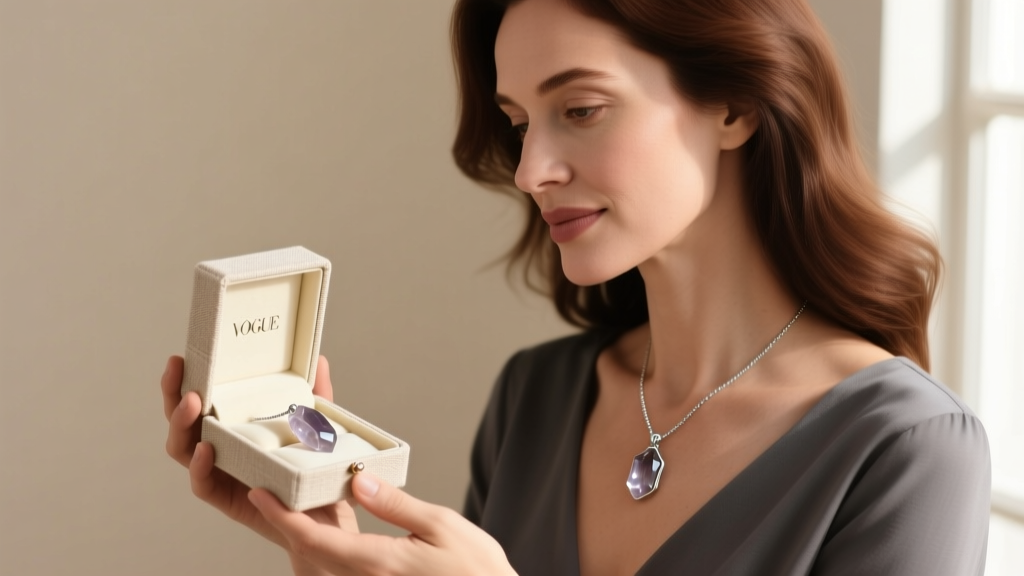
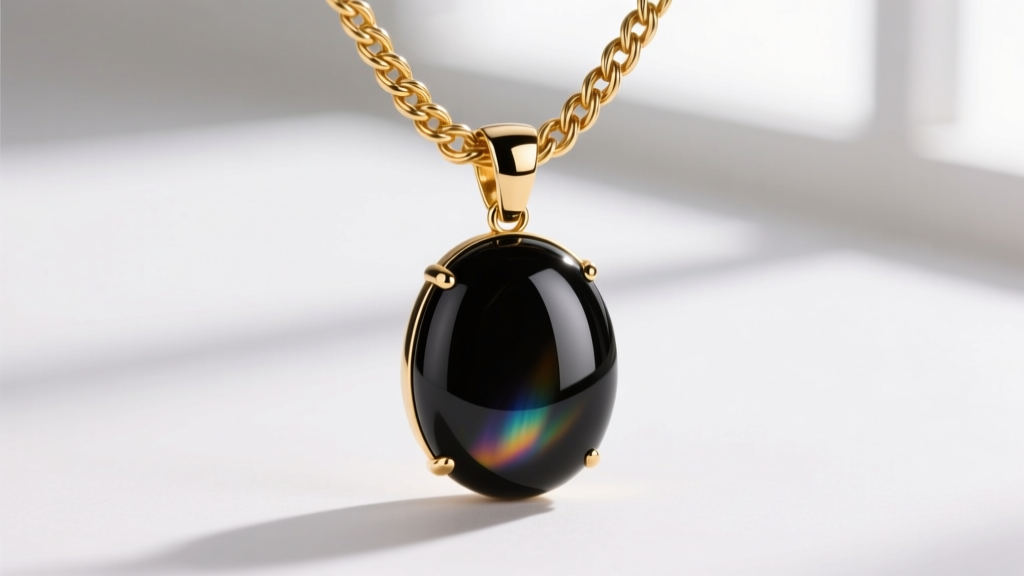
Alternatively, Obsidian (volcanic glass) is traditionally carried for protection during physical travel. Because it is essentially glass, it will chip if struck. A thick, rolled-edge bezel setting in sterling silver or white gold is mandatory to protect the stone's girdle from impact.
Chain Gauges, Clasps, and Metal Alloys
A protection crystal necklace is only as strong as its weakest structural component. The chain, clasp, and jump rings must be engineered to support the specific weight and dimensions of the crystal pendant.
Selecting the Right Chain Gauge
Crystal pendants, particularly raw or uncut specimens like Black Tourmaline, can be surprisingly heavy. A delicate 0.7mm cable chain will eventually snap under the pendulum-like motion of a heavy stone. For pendants weighing between 5 and 15 grams, opt for a 1.2mm to 1.5mm rope or wheat chain. These weaves distribute tension evenly across multiple interlocking links. Furthermore, ensure the pendant is attached to the chain via a soldered jump ring. An open jump ring will inevitably twist and separate over time, leading to the loss of the pendant.
Hypoallergenic Metals and Findings
When gifting jewelry, skin sensitivities must be a primary consideration. Standard sterling silver (925) contains 7.5% copper, which can oxidize and cause green discoloration or irritation for some wearers. For a premium, low-maintenance gift, seek out Argentium Silver (935 or 960). Argentium replaces some of the copper with germanium, making it highly tarnish-resistant and hypoallergenic. If your budget allows for solid gold, 14k gold (58.5% pure gold) offers the perfect balance of rich color and structural rigidity, whereas 18k gold may be too soft to securely hold prongs over a hard crystal like tourmaline.
Care, Cleansing, and Maintenance
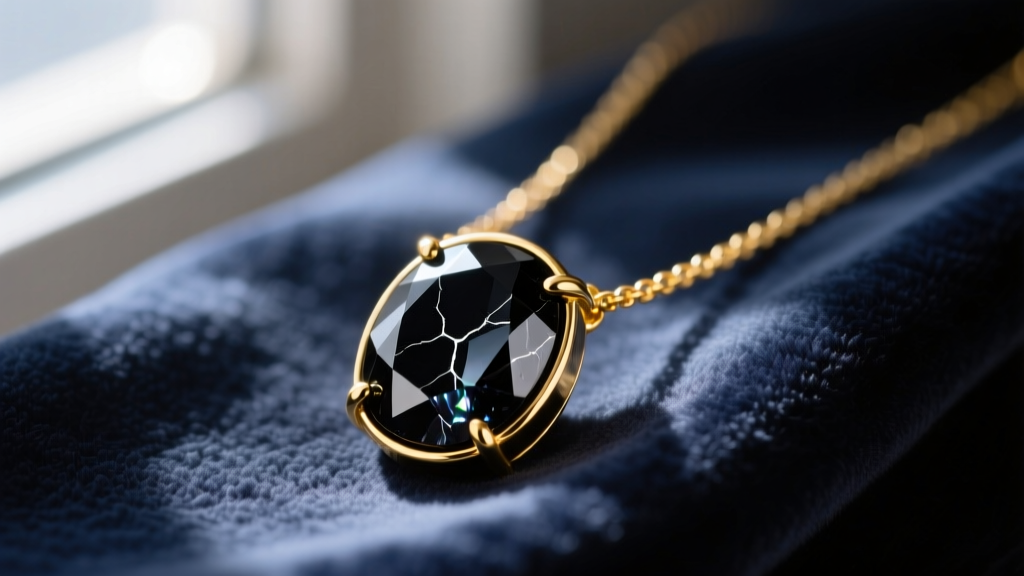
To ensure your gift remains pristine, include a care guide tailored to the specific crystal. A common mistake is placing crystal jewelry in an ultrasonic cleaner. While ultrasonic waves are safe for diamonds and sapphires, they will cause micro-fractures in Obsidian and completely dissolve the polished surface of Malachite.
Gemologist's Note: 'Never cleanse porous or low-Mohs crystals with salt water, harsh soaps, or ultrasonic machines. For energetic cleansing of a protection crystal necklace, use sound frequencies (like a singing bowl) or brief exposure to morning sunlight. Prolonged UV exposure will bleach the rich brown hues of Smoky Quartz and fade the deep greens of Malachite.'
For physical cleaning, a soft, dry microfiber cloth is sufficient for Obsidian and Tourmaline. Instruct the recipient to always put their necklace on after applying perfumes, lotions, and hairsprays, and to remove it before showering or swimming. Chlorine and saltwater are highly corrosive to both the metal alloys and the crystalline structures of protection stones.
Final Thoughts on Gifting Intention
Gifting a protection crystal necklace in 2026 is a profound way to show you care about someone's well-being and personal journey. By prioritizing gemological durability, selecting the appropriate chain gauge, and matching the stone's traditional properties to the recipient's life events, you are giving a piece of jewelry that is both structurally enduring and deeply meaningful. Choose wisely, prioritize quality craftsmanship, and your gift will serve as a lasting talisman for years to come.