How to Authenticate & Find Retired James Avery Necklaces
Learn how to authenticate, source, and restore retired James Avery necklaces. Expert tips on hallmarks, pricing, and patina care for collectors.


The secondary market for vintage and discontinued jewelry has seen a massive resurgence, and at the center of this collector's boom are retired James Avery necklaces. Founded in 1954 in Kerrville, Texas, James Avery Artisan Jewelry built a legacy on deeply symbolic, meticulously crafted pieces using the traditional lost-wax casting method. As the brand has modernized its catalog over the decades, hundreds of beloved designs have been retired, pushing collectors to the secondary market to find these wearable artifacts. However, navigating estate sales, online auctions, and vintage jewelry shops requires a sharp eye. Counterfeits are increasingly common, and improper cleaning can destroy a piece's historical and monetary value.
Whether you are hunting for a rare 1970s lapis lazuli pendant or a discontinued 1990s nature-themed charm, this comprehensive guide will walk you through the exact steps to authenticate, source, and preserve retired James Avery necklaces.
Step 1: Decoding the Hallmarks (Authentication Guide)
The most critical step in evaluating any retired James Avery necklace is verifying the hallmarks. Because Avery pieces are cast rather than stamped from sheet metal, the hallmarks are integrated into the wax model before casting. This means the stamps should appear slightly soft and organic, not laser-sharp or perfectly machine-aligned. According to the official James Avery history archives, the brand's markings have evolved significantly since the 1950s.
The Evolution of the Avery Stamp
Early pieces from the 1950s and 1960s may only feature the word "AVERY" or "STERLING" in a simple block font. By the late 1960s and early 1970s, the brand introduced its iconic candlestick logo, symbolizing the light of Christ and the brand's spiritual roots. Later, the copyright symbol (©) was added to protect against the very counterfeits we see today. When examining a retired piece, you should look for a combination of these elements.
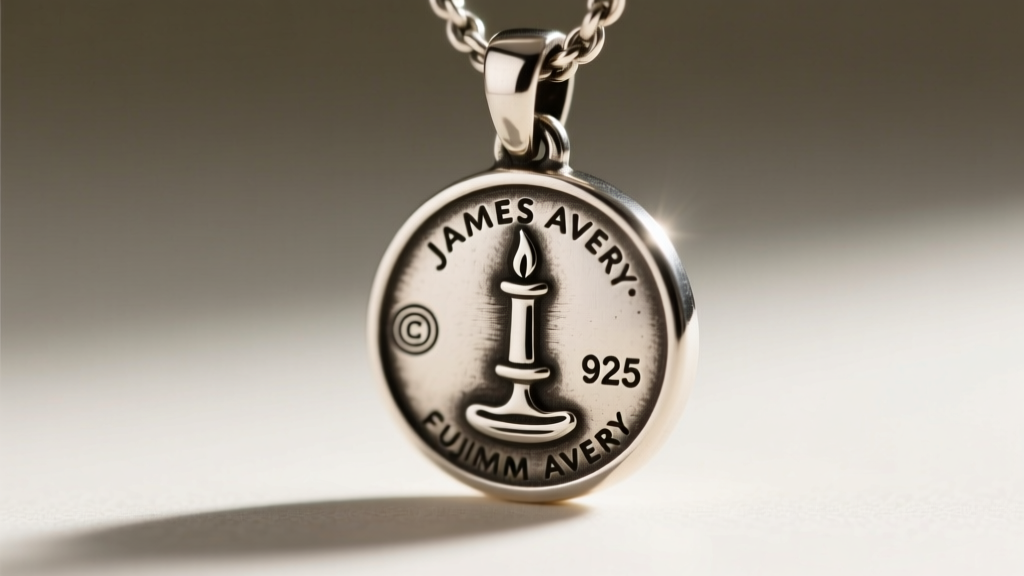
| Era | Primary Markings | Font & Style Notes |
|---|---|---|
| 1950s - 1960s | AVERY, STERLING | Block letters, no logo, deep cast impressions. |
| 1970s - 1980s | Candlestick Logo, STERLING | Introduction of the candlestick; script "Avery" begins to appear. |
| 1990s - 2000s | ©, Candlestick, 925 | Standardized script font, copyright symbol added, 925 replaces STERLING. |
| Gold Pieces | 14K, 585, 18K | Gold pieces will feature the candlestick and karat weight, not 925. |
Step 2: Verifying the Chain and Clasp
A common mistake novice collectors make is ignoring the chain. A genuine retired James Avery pendant is frequently separated from its original chain by sellers looking to part out the set for higher profits. Vintage Avery chains are notably heavy and substantial. A sterling silver rope chain from the 1980s will typically measure between 3mm and 5mm in thickness and possess a satisfying weight.
Inspect the clasp closely. Original Avery chains usually feature a heavy lobster claw or a robust spring-ring clasp. The flat metal tab of the clasp should bear a tiny, often microscopic, stamp of the candlestick logo or the word "AVERY." If a seller lists a retired pendant on a lightweight, flimsy chain with a generic, unstamped clasp, it is a replacement chain. This does not mean the pendant is fake, but it does lower the overall collector value of the necklace by 15% to 20%.
Step 3: Sourcing Authentic Retired Pieces
Finding genuine retired James Avery necklaces requires knowing where serious collectors and estate liquidators congregate. While you can occasionally stumble upon a treasure at a local thrift store, your best odds lie in specialized digital and physical marketplaces. Platforms like Ruby Lane are excellent for vetted vintage jewelry, as sellers are generally required to adhere to strict authenticity guidelines.
- Ruby Lane & Etsy: Use highly specific boolean search terms. Instead of searching "James Avery cross," search "vintage James Avery candlestick cross" to filter out modern mass-produced listings and hone in on older, retired inventory.
- Specialized Facebook Groups: Groups dedicated to James Avery collectors are goldmines for retired pieces. Members often sell directly to one another, bypassing auction fees. Always request high-resolution macro photos of the hallmarks before purchasing.
- Regional Estate Sales: James Avery has deep roots in Texas and the American South. Estate sales in these regions frequently yield large, unlisted lots of vintage Avery jewelry. Arrive early and look for heavy, oxidized silver in the jewelry cases.
- Auction Houses: For ultra-rare, early gemstone pieces (like 1970s turquoise or coral pendants), regional auction houses in the Southwest often handle high-end estate liquidations.
Step 4: Evaluating Condition and Preserving Patina
The most frequent—and tragic—mistake made by well-meaning collectors is improperly cleaning a retired James Avery necklace. James Avery's signature aesthetic relies heavily on intentional oxidation. The brand uses liver of sulfur to darken the recessed areas of the lost-wax castings, creating a stark, beautiful contrast against the high-polish raised edges. This dark patina is not dirt or tarnish; it is a deliberate design element that highlights the intricate textures of the piece.
The "Dip" Warning
Never use liquid silver dips, such as Tarn-X, on any James Avery jewelry. These harsh chemical baths will instantly strip the intentional oxidation from the crevices, leaving the piece looking flat, chalky, and unnaturally white. Stripping the patina can reduce the value of a rare retired piece by up to 30% among serious collectors. Furthermore, avoid using stiff brass brushes or abrasive polishing pastes, which can scratch the soft sterling silver and erase the subtle casting marks that prove its vintage origin.
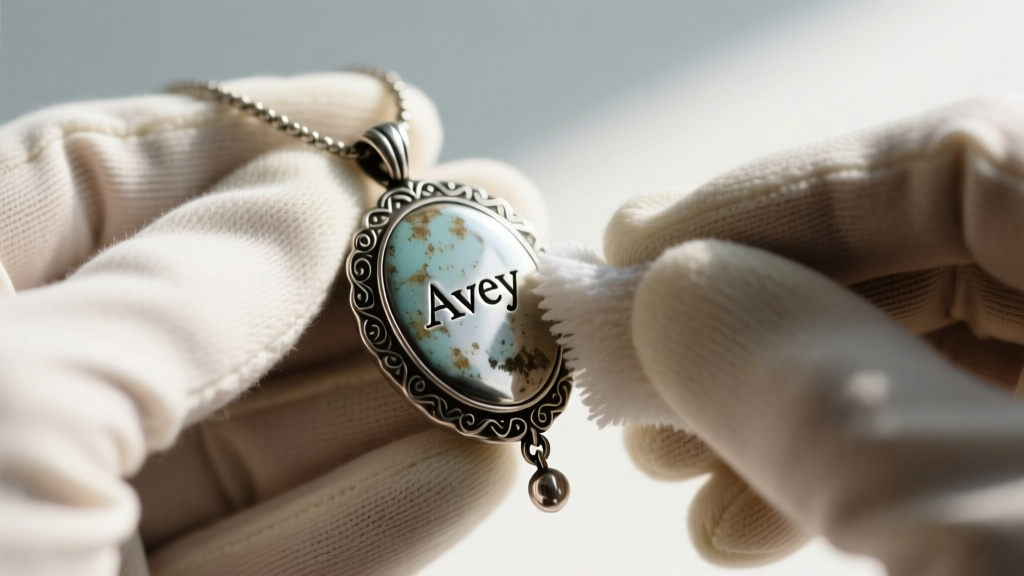
Proper Cleaning Technique: Use a high-quality jeweler's polishing cloth (such as a Sunshine cloth). Gently rub only the raised, high-polish areas of the pendant and chain. Avoid pressing into the grooves, crevices, and textured backgrounds. This maintains the dark contrast while restoring the brilliant shine to the silver edges.
Step 5: Pricing and Valuation Framework
The market for retired James Avery necklaces is driven by rarity, era, and material. While simple retired crosses from the late 1990s are relatively common, early artisan pieces and large statement pendants command premium prices. Below is a general valuation framework for the 2026 collector's market.
| Category | Era | Estimated Market Value | Key Value Drivers |
|---|---|---|---|
| Common Retired Pendants | 1990s - 2000s | $120 - $250 | Small crosses, simple nature charms, standard rope chains. |
| Vintage Gemstone Drops | 1970s - 1980s | $350 - $700 | Lapis lazuli, turquoise, coral, heavy bezel settings. |
| Rare Statement Pieces | 1960s - 1970s | $800 - $1,500+ | Large pectoral crosses, early block-letter hallmarks, original heavy chains. |
| Retired Gold Designs | 1980s - 1990s | $600 - $2,000+ | 14K or 18K gold, discontinued floral or religious motifs. |
Final Thoughts on Building Your Collection
Collecting retired James Avery necklaces is a rewarding pursuit that connects you to decades of American artisan jewelry history. By focusing on the nuances of the hallmarks, demanding original chains, and respecting the brand's signature oxidized patina, you can build a collection that is both historically significant and financially sound. Always buy the piece, not just the name, and let the heavy, tactile quality of the lost-wax casting guide your authentication process.


