Did Bronwyn Buy the Necklace? A Value & Budget Assessment
Discover the truth behind viral jewelry drama. We break down the budget, intrinsic value, and material grades of trending statement necklaces.

The Viral Question: Decoding Reality TV Jewelry Drama
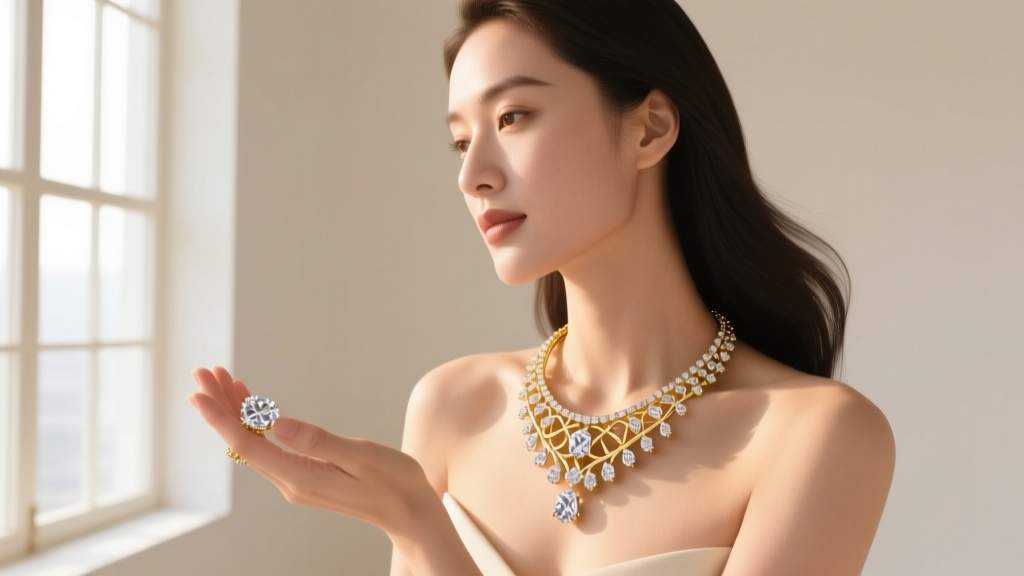
Whenever a high-profile reality star or influencer debuts a jaw-dropping piece of jewelry, the internet immediately begins to play detective. Recently, the search query did bronwyn buy the necklace has been trending across fashion forums and social media platforms. Viewers are obsessed with uncovering whether a viral statement piece was a self-funded investment, a strategic brand loan, or a gifted promotional item. But beyond the gossip, this viral fascination highlights a much more critical conversation for jewelry consumers: how do you accurately assess the true financial and stylistic value of a trending statement necklace?
As senior analysts at Jewel Style Radar, we look past the reality TV drama to evaluate the actual budget and intrinsic worth of these viral pieces. In the 2026 jewelry market, where luxury markups are higher than ever and lab-grown alternatives are flooding the market, understanding the anatomy of a necklace's price tag is essential. Whether you are inspired by Bronwyn's rumored six-figure pendant or simply want to invest in a high-quality chain, this guide will teach you how to conduct a rigorous budget and value assessment.
The Anatomy of Necklace Valuation
To determine if any viral necklace purchase was a 'smart buy,' you must separate the intrinsic material value from the brand premium. A luxury statement necklace typically consists of three cost centers: the precious metal weight, the gemstone quality, and the brand markup.
Calculating Melt Value and Metal Purity
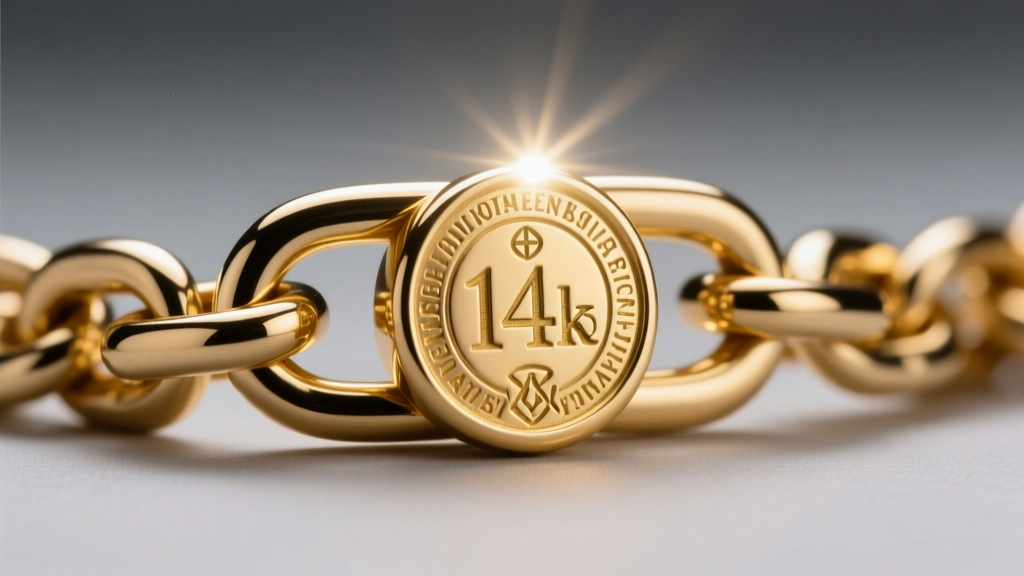
The foundation of any valuable necklace is its metal content. If a viral star is wearing a heavy 18-karat gold chain, the baseline value is dictated by the daily spot price of gold. Pure gold is 24k, meaning 18k gold is 75% pure gold, while 14k is 58.5% pure. A substantial statement chain weighing 40 grams in 18k gold contains roughly 30 grams of pure gold. With gold prices fluctuating around $75 per gram in early 2026, the raw 'melt value' of the metal alone is approximately $2,250. If a brand is selling a similar 40-gram chain for $12,000, you are paying a nearly 450% brand premium for the logo on the clasp.
Gemstone Grading: The 4Cs in Pendants
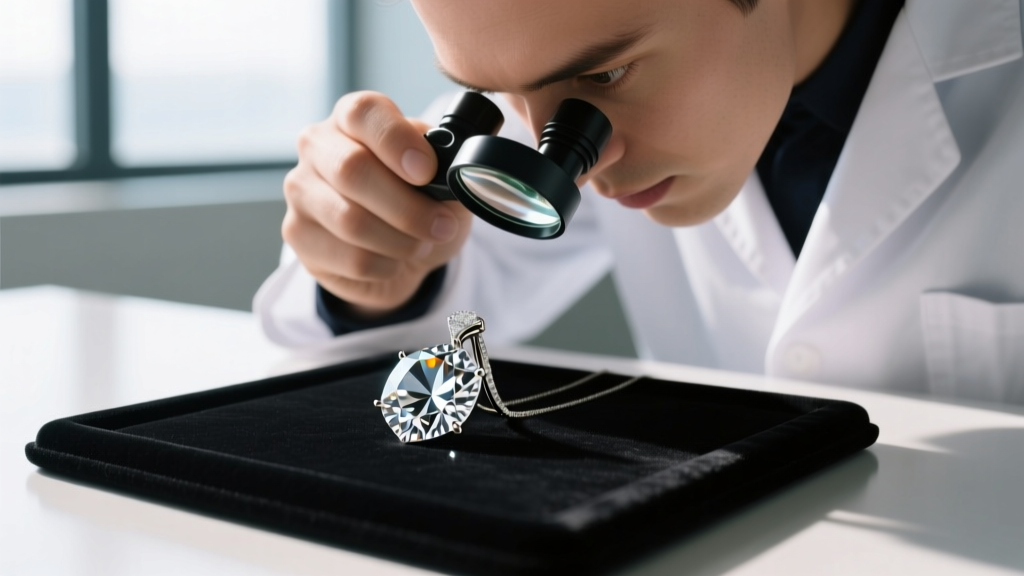
When assessing a diamond-encrusted pendant, the value hinges on the Gemological Institute of America (GIA) grading standards. According to the GIA, a diamond's value is determined by Cut, Color, Clarity, and Carat weight. A viral 3-carat natural diamond pendant with VS1 clarity and D-color grading can easily command a wholesale price of $45,000 to $60,000. However, if the necklace features lower-grade commercial diamonds (I1 clarity, J-K color), the intrinsic stone value drops by over 70%, even if the carat weight remains the same. Always demand a GIA or AGS grading report for any diamond pendant exceeding $5,000.
The 'Viral Markup' vs. Intrinsic Value
When fans ask 'did bronwyn buy the necklace,' they are often questioning the financial logic of the purchase. Below is a comparative breakdown of what you actually pay for when buying a trending luxury statement necklace versus a bespoke, direct-to-consumer equivalent.
| Value Metric | Luxury Brand 'Viral' Necklace | Bespoke / Direct-to-Consumer Equivalent |
|---|---|---|
| 18k Gold Chain (35g) | $4,500 (High Markup) | $2,400 (Near Melt Value + Labor) |
| Center Diamond (2ct, VS1, G) | $28,000 (Retail Premium) | $14,500 (Wholesale Market Rate) |
| Melee Diamond Pave (0.5ctw) | $3,500 | $800 |
| Brand / Marketing Premium | $15,000+ | $0 |
| Total Estimated Retail | $51,000 | $17,700 |
As the data illustrates, the 'viral markup' can account for more than 50% of the final retail price. If a reality star purchased the luxury piece out-of-pocket at full retail, it represents a poor financial investment from a pure asset-valuation perspective, as luxury jewelry depreciates the moment it leaves the boutique.
Material Longevity: Vermeil vs. Gold Plated
Not all viral necklaces are solid gold. Many influencers promote 'demi-fine' jewelry, which bridges the gap between cheap costume jewelry and solid gold. If you are trying to replicate a viral look on a strict budget, you must understand the legal definitions of gold finishes to avoid wasting money.
- Gold Plated: The Federal Trade Commission (FTC) notes that standard gold plating can be as thin as 0.175 microns. It is usually applied over brass or copper. This will tarnish, chip, and turn your skin green within months of daily wear.
- Gold Vermeil: To be legally classified as vermeil in the US, the base must be sterling silver (925), and the gold plating must be at least 10k purity and a minimum of 2.5 microns thick. Vermeil is an excellent budget alternative for statement pendants, offering the look of solid gold with significantly better longevity.
- Gold Filled: This involves mechanically bonding a thick layer of gold (at least 5% of the total weight) to a base metal. It is vastly superior to plating and can last decades, making it the smartest budget choice for heavy chain necklaces.
Lab-Grown vs. Natural Diamonds in 2026
If the necklace in question features massive, flawless diamonds, there is a high probability it utilizes lab-grown stones. In 2026, Chemical Vapor Deposition (CVD) and High Pressure High Temperature (HPHT) lab-grown diamonds are optically, chemically, and physically identical to mined diamonds. However, their market value has diverged drastically.
A 4-carat natural diamond pendant might cost $80,000, while an identical lab-grown version can be sourced for under $4,000. From a budget assessment perspective, lab-grown diamonds offer unparalleled visual impact for a fraction of the cost. However, they possess virtually zero resale value. If your goal is to wear a massive, eye-catching pendant for events and social media, lab-grown is the ultimate budget hack. If your goal is wealth preservation and asset accumulation, you must stick to natural, GIA-certified stones with high color and clarity grades.
Red Flags When Buying 'As Seen on TV' Jewelry
When attempting to purchase the exact necklace spotted on your favorite reality star, beware of these common traps:
- The 'Custom' Excuse: Brands often claim a piece is 'custom-made' to justify a 300% markup and avoid providing standard wholesale pricing comparisons.
- Missing Hallmarks: If a piece is marketed as solid 14k or 18k gold but lacks a stamped hallmark on the clasp or pendant bail, it is likely plated. Always inspect the clasp under a jeweler's loupe.
- Vague Gemstone Descriptions: Terms like 'diamond chips,' 'promotional grade,' or 'salt and pepper' are often used to disguise heavily included, low-value stones that lack structural integrity.
Final Verdict: How to Assess Your Own Jewelry Budget
So, did Bronwyn buy the necklace? Whether she did or didn't, the more important question is whether you should buy a similar one. A smart jewelry budget allocates 70% of the funds toward intrinsic material value (solid gold weight and certified gemstones) and no more than 30% toward brand prestige and design labor. By focusing on metal gram weight, demanding independent gemological lab reports, and understanding the legal thresholds of gold vermeil, you can build a high-value, luxurious necklace collection that outlasts any fleeting reality TV trend.


