Metallurgy of a Rose Gold Silver Necklace: Expert Guide
Discover the metallurgy behind a rose gold silver necklace. Learn about vermeil thickness, PVD coatings, copper alloys, and how to prevent tarnish.

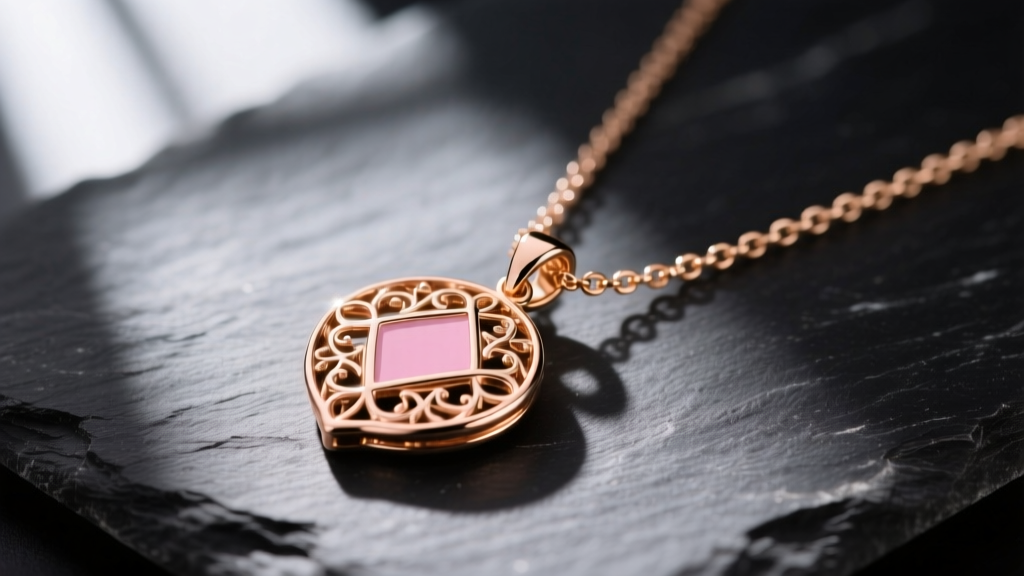
When evaluating a rose gold silver necklace, consumers often focus solely on the warm, romantic hue of the finish, rarely considering the complex metallurgical engineering required to fuse these two distinct metals. A true rose gold silver necklace is not a solid alloy; rather, it is a composite piece featuring a sterling silver core encapsulated by a rose gold exterior. Understanding the science behind this layering process—from micron-thickness standards to galvanic corrosion risks—is essential for making an informed, long-lasting investment in fine jewelry.
The Anatomy of the Base and the Finish
To understand how these necklaces perform over time, we must first deconstruct their chemical composition. The foundation of a high-quality piece is 925 sterling silver. This alloy consists of 92.5% pure silver and 7.5% copper. The copper is added to provide structural integrity, as pure silver is too malleable for daily wear. However, this exact copper content is what makes the base metal susceptible to tarnishing when exposed to sulfur compounds in the air.
The exterior finish is rose gold, which is itself an alloy. According to the Gemological Institute of America (GIA), standard 18-karat rose gold comprises 75% pure gold, 22.25% copper, and 2.75% silver. The high copper content is responsible for the signature pinkish-red hue. When a manufacturer creates a rose gold silver necklace, they are essentially bonding a copper-heavy gold alloy over a copper-heavy silver base. This metallurgical similarity aids in adhesion but introduces specific wear characteristics that buyers must understand.
Application Methods: Electroplating vs. PVD
The longevity of the rose gold finish depends entirely on the application method used by the manufacturer. There are two primary techniques utilized in modern jewelry production: electrolytic deposition (plating) and Physical Vapor Deposition (PVD).
The Vermeil Standard and Micron Thickness
Electroplating involves submerging the sterling silver base into an electrolyte bath containing dissolved gold and copper ions. An electrical current binds the ions to the silver surface. For a piece to be legally classified as 'vermeil' in the United States, the Federal Trade Commission (FTC) Jewelry Guides mandate that the gold layer must be at least 10-karat purity and possess a minimum thickness of 2.5 microns.
Many mass-market necklaces utilize 'flash plating,' which applies a mere 0.01 to 0.5 microns of gold. While visually identical on day one, flash-plated necklaces will experience friction wear at the clasp, jump rings, and chain links within weeks, exposing the underlying silver. A genuine 2.5-micron vermeil coating provides a substantial physical barrier that can withstand years of light friction.
Physical Vapor Deposition (PVD)
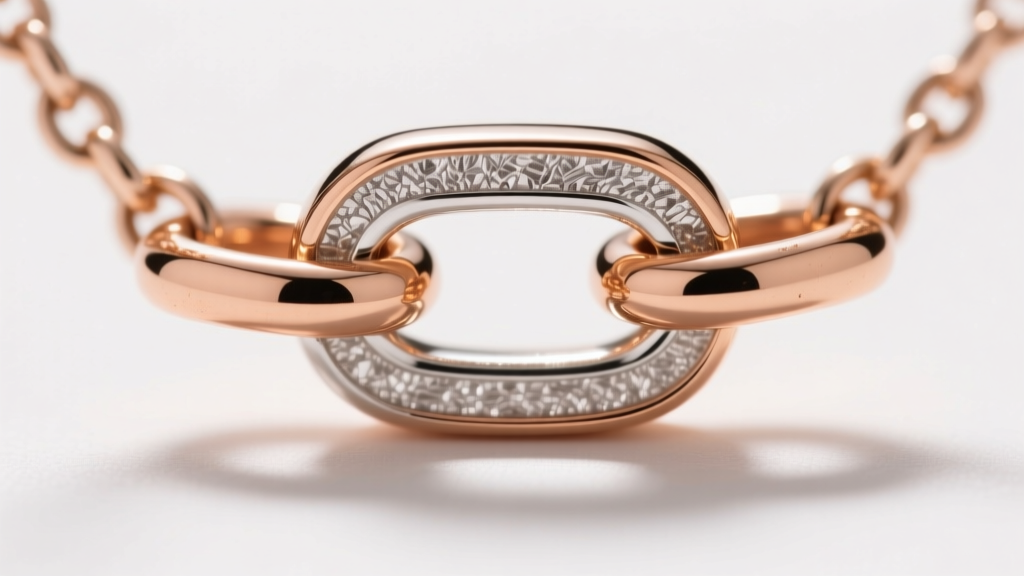
PVD is an advanced vacuum-coating process where solid gold and copper targets are bombarded with argon ions, vaporizing the metal and depositing it onto the silver substrate at a molecular level. PVD coatings are significantly harder than electroplated layers, often achieving a Vickers Hardness (HV) of over 2000, compared to the 120-150 HV of traditional electroplated gold. While PVD rose gold silver necklaces are highly resistant to scratching and sweat-induced degradation, they are more expensive to produce and less common in traditional fine jewelry markets.
Comparative Durability and Pricing Matrix
When shopping, it is crucial to identify the manufacturing method, as it directly dictates the lifespan and price point of the jewelry. The table below outlines the technical specifications you should expect across different market tiers.
| Finish Type | Coating Thickness | Hardness / Durability | Expected Lifespan (Daily Wear) | Market Price Range |
|---|---|---|---|---|
| Flash Plated | < 0.5 microns | Low (Prone to rapid friction wear) | 1 - 6 Months | $30 - $80 |
| Heavy Vermeil | 2.5 - 3.0 microns | Moderate (Requires careful maintenance) | 2 - 5 Years | $120 - $350 |
| PVD Coated | 0.5 - 1.0 microns (Dense) | High (Highly scratch and sweat resistant) | 5 - 10+ Years | $200 - $500 |
The Copper Factor: Galvanic Corrosion and Skin Acidity
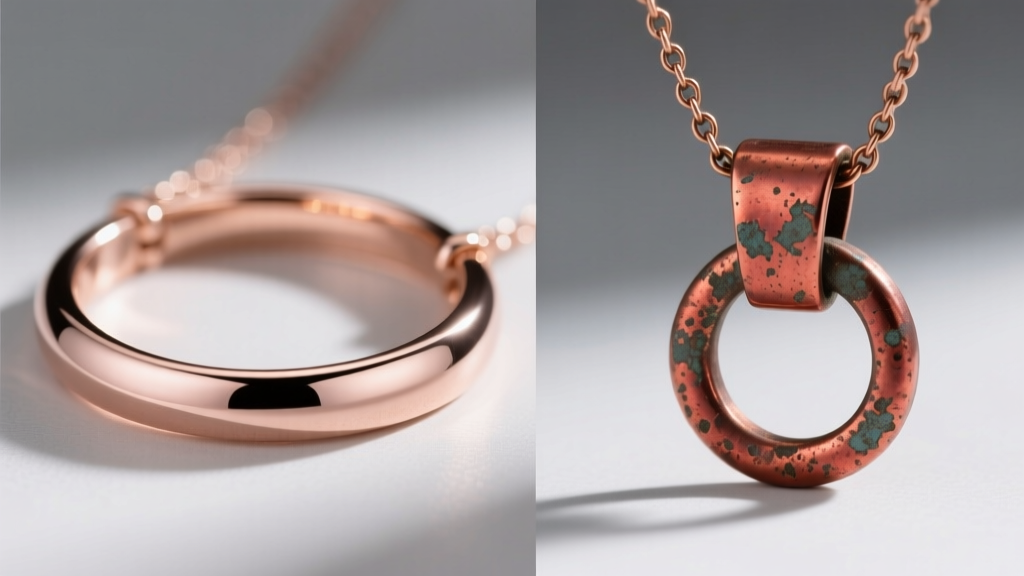
The most frequent complaint regarding rose gold jewelry is the development of a dark, brassy patina or the occurrence of 'green skin.' Both phenomena are directly tied to copper. Because both the 925 silver base and the 18k rose gold top layer contain significant copper, the necklace is highly reactive to environmental acids.
Human sweat contains lactic acid, urea, and salts. When a rose gold silver necklace rests against the collarbone, it creates a micro-environment of high humidity and acidity. If the outer gold layer is compromised—even microscopically—the sweat acts as an electrolyte, creating a galvanic cell between the different metal alloys. This galvanic corrosion accelerates the oxidation of the copper, resulting in copper oxide (black) or copper chloride (green) transferring to the skin. Buyers with highly acidic skin pH (below 5.5) should opt for PVD-coated options or ensure they remove vermeil necklaces before exercising.
Tarnish Mechanics and Chemical Vulnerabilities
Sterling silver tarnishes when it reacts with hydrogen sulfide in the atmosphere, forming silver sulfide ($Ag_2S$), which appears as a black film. In a perfectly plated rose gold silver necklace, the gold layer completely encapsulates the silver, preventing sulfur from reaching the base metal. However, at the microscopic gaps in chain links or the friction points of the lobster clasp, the silver is often exposed.
Expert Warning: Never use commercial liquid silver dips (which contain thiourea) on a rose gold silver necklace. Thiourea is highly aggressive and will strip the copper from the rose gold alloy, leaving behind a porous, pale yellow gold layer and permanently ruining the rose color.
Expert Care and Maintenance Protocol
To maximize the lifespan of the micron plating and prevent galvanic degradation, implement the following technical care protocol:
- Ultrasonic Avoidance: Never place plated or vermeil jewelry in an ultrasonic cleaner. The cavitation bubbles generated by high-frequency sound waves create microscopic shockwaves that will physically blast the 2.5-micron gold layer off the silver substrate.
- pH-Neutral Cleansing: Clean the necklace using only warm distilled water and a pH-neutral, phosphate-free dish soap. Agitate gently with a baby-soft toothbrush, focusing on the jump rings where dead skin cells and lotions accumulate.
- Friction Mitigation: Store the necklace completely flat or suspended. Coiling a plated chain tightly into a jewelry box causes the links to grind against one another, accelerating mechanical wear at the contact points.
- Barrier Creams: Apply perfumes, hairsprays, and lotions at least 15 minutes before putting on the necklace. The alcohol and volatile organic compounds (VOCs) in cosmetics can degrade the microscopic sealants often applied over vermeil.
By understanding the precise metallurgical realities of a rose gold silver necklace, you can move beyond aesthetic appeal and evaluate pieces based on their structural integrity, plating thickness, and long-term chemical stability. Whether you choose a traditional heavy vermeil piece or a modern PVD-coated chain, respecting the science of the alloys will ensure your jewelry retains its signature warmth for years to come.


