The Love of the Sea Necklace: A 2026 Buying Guide
Discover what to look for when buying the love of the sea necklace. Our 2026 guide covers marine gems, saltwater-safe metals, and pricing tiers.

The Allure of Oceanic Jewelry in 2026
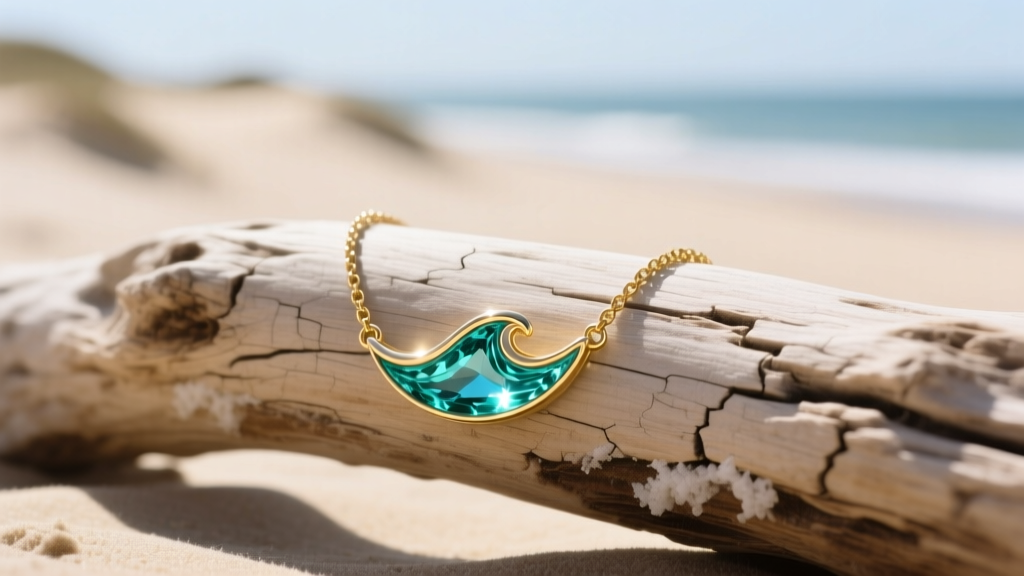
In recent years, marine-inspired fine jewelry has transitioned from seasonal resort wear to a year-round staple in luxury collections. When enthusiasts and collectors search for the love of the sea necklace, they are typically looking for a highly specific aesthetic: talismanic, nature-driven pieces that incorporate authentic oceanic materials, fluid wave motifs, and coastal color palettes. In 2026, this category has matured significantly, moving away from cheap, mass-produced shell charms into the realm of heirloom-quality fine jewelry. Whether you are seeking a genuine sea glass artifact wrapped in precious metals or a masterfully cut aquamarine pendant, understanding the material science and craftsmanship behind these pieces is critical. This comprehensive buying guide will help you navigate the market, authenticate marine gemstones, and select a necklace that can withstand both the test of time and the harsh realities of a coastal lifestyle.
Decoding the Materials: What Makes a Genuine Marine Piece?
The foundation of any authentic oceanic necklace lies in its gemstones. The market is currently saturated with synthetic imitations, making it vital to know exactly what you are paying for.
Aquamarine and Blue Topaz: The Ocean's Echo
Aquamarine, a member of the beryl family, is the undisputed queen of marine gemstones. With a Mohs hardness rating of 7.5 to 8, it is durable enough for everyday wear. When evaluating an aquamarine pendant, look for stones that are 'eye-clean' (free of visible inclusions to the naked eye). The most prized color is a deep, moderately strong blue to slightly greenish-blue, often referred to as 'Santa Maria' grade. According to the Gemological Institute of America (GIA), virtually all aquamarine on the market is heat-treated to remove greenish undertones; this is a standard, permanent, and widely accepted practice. Blue topaz (Mohs 8) is a more budget-friendly alternative, but it lacks the subtle dichroism and natural rarity of fine aquamarine. Always request a lab report for stones over 2 carats to ensure you are not purchasing synthetic spinel or colored glass.
Sea Glass: Tumbled by Nature vs. Tumbled by Machine
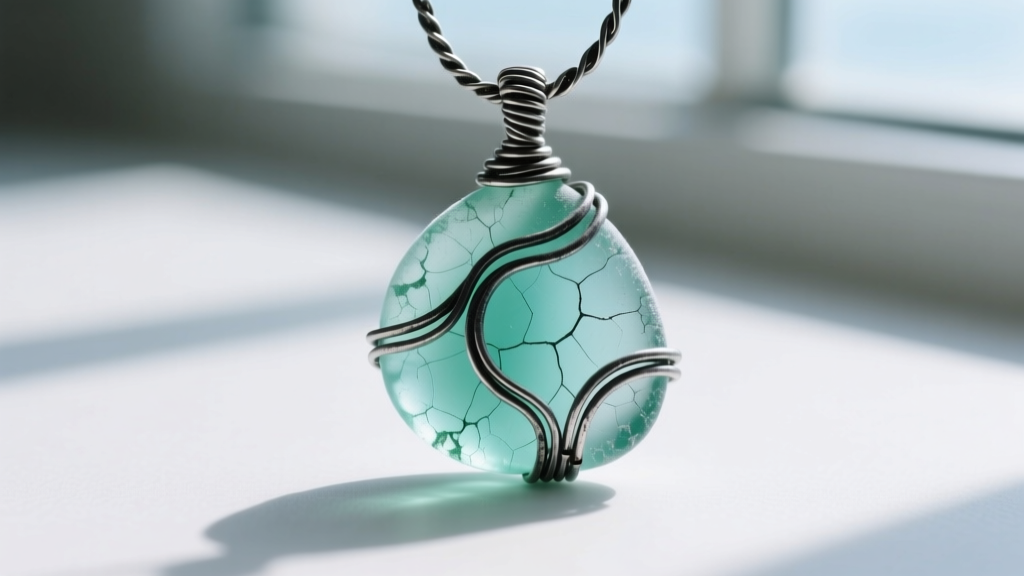
Genuine sea glass is a historical artifact, created when discarded glass is tumbled by ocean waves and sand for decades. Authentic pieces feature a distinct, powdery frost and microscopic 'C-shaped' stress marks on the surface. In contrast, mechanically tumbled glass (often sold deceptively in fast-fashion jewelry) is perfectly smooth, uniformly shaped, and lacks the deep, pitted texture of true ocean-tumbled glass. When buying a sea glass necklace, ask the artisan about the glass's provenance. Cobalt blue, red, and orange are the rarest and most valuable colors, while kelly green and brown are more common and should be priced accordingly.
Pearls: Saltwater Authenticity
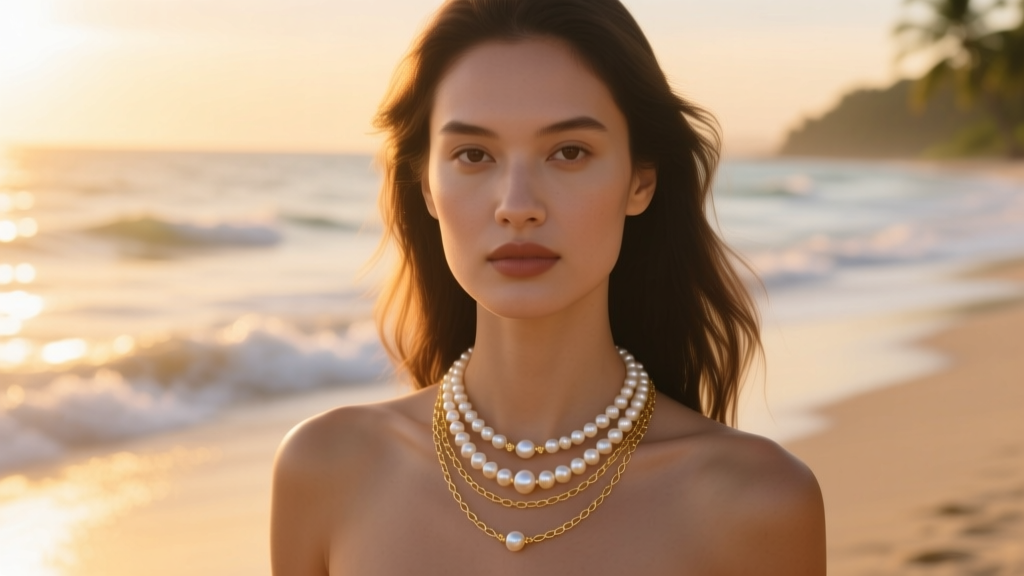
A true love of the sea necklace often features saltwater pearls, such as Akoya or South Sea varieties. Unlike freshwater pearls, which are often tissue-nucleated and can appear slightly off-round, saltwater pearls are bead-nucleated, resulting in perfect spheres with a sharp, mirror-like luster. Look for 'orient'—the iridescent rainbow effect that dances just beneath the pearl's surface. The GIA Pearl Guide emphasizes that luster is the single most important value factor for pearls. Avoid 'shell pearls,' which are merely ground oyster shells coated in synthetic lacquer; they are heavy, perfectly round, and completely devoid of natural value.
Metal Selection for Coastal Lifestyles
If you plan to wear your necklace near the ocean, the metal you choose is just as important as the gemstone. Saltwater is highly corrosive and can rapidly degrade inferior alloys. Below is a comparison of the most common metals used in marine-themed jewelry.
| Metal Type | Saltwater Resistance | Maintenance Level | Price Tier | Best For |
|---|---|---|---|---|
| 14k Solid Gold | Excellent | Low | Mid-High | Everyday beachwear, active lifestyles |
| 18k Solid Gold | Excellent | Low | High | Heirloom pieces, luxury collectors |
| Sterling Silver (925) | Poor (Tarnishes quickly) | High | Low-Mid | Occasional wear, oxidized artisan designs |
| Platinum | Flawless | Very Low | Premium | High-end diamond/gemstone accents |
| Gold-Plated Brass | Terrible (Will corrode) | High | Low | Avoid for coastal/marine jewelry |
For those who frequently swim in the ocean, solid 14k or 18k gold is non-negotiable. Sterling silver will oxidize and turn black when exposed to sulfur and salt, requiring constant polishing. Never wear gold-plated or gold-vermeil jewelry in the sea; the saltwater will strip the microscopic gold layer within a single season, leaving you with a corroded brass base.
Evaluating Craftsmanship and Motif Detailing
The craftsmanship of a marine-themed pendant dictates its longevity and visual impact. When evaluating the setting, consider your lifestyle. Prong settings elevate the stone, allowing maximum light return, but they leave the gemstone's girdle exposed to impacts against rocks or surfboards. For active beachgoers, a bezel setting is vastly superior. A well-crafted bezel wraps a thin rim of metal entirely around the stone's edge, protecting it from lateral blows while providing a sleek, modern silhouette that mimics the smooth edges of sea-tumbled stones.
Pay close attention to the bail (the loop that connects the pendant to the chain). Hidden bails create a seamless look where the pendant appears to float on the chain, but they can restrict the thickness of the chain you can use. Standard loop bails are more versatile. Furthermore, if the necklace features intricate wave or shell motifs cast in metal, inspect the underside of the pendant. High-end artisans will 'fretwork' or hollow out the back of the casting to reduce weight and allow light to pass through, whereas mass-produced items will have thick, flat, and heavy backs that trap sweat and sunscreen.
Pricing Tiers and Authentication
Understanding the market value of the love of the sea necklace styles will protect you from inflated pricing and deceptive marketing. In 2026, the market is segmented into three distinct tiers:
- The Artisan & Fashion Tier ($80 - $250): This bracket features genuine, hand-collected sea glass, small freshwater pearls, and sterling silver or 14k gold-filled chains. The value here lies in the artisan's wire-wrapping skill and the rarity of the sea glass color. Beware of sellers charging over $150 for mechanically tumbled glass.
- The Fine Jewelry Tier ($400 - $1,200): Here, you will find solid 14k gold settings paired with genuine, earth-mined aquamarine (typically 1 to 3 carats) or high-luster Akoya saltwater pearls. Pieces in this range should come with a certificate of authenticity and feature precision stone cutting (such as Portuguese or fantasy cuts that enhance the gem's internal light reflection).
- The Luxury & Heirloom Tier ($2,500 - $10,000+): Reserved for master jewelers, this tier includes 18k gold or platinum, AAA-grade Santa Maria aquamarines, and large South Sea pearls. These pieces often feature micro-pavé diamond accents that mimic sea foam and are backed by lifetime craftsmanship warranties.
Care and Maintenance for Oceanic Gems
Proper care is essential to maintain the integrity of marine-inspired jewelry. The GIA Gem Care and Cleaning guidelines strongly advise against using ultrasonic cleaners for pearls, emeralds, or opals, as the high-frequency vibrations can shatter these delicate organic and heavily included stones. Instead, use a soft, lint-free cloth and a mild solution of warm water and phosphate-free dish soap. For sea glass and aquamarine, a soft-bristled baby toothbrush can gently remove sunscreen and salt buildup from the back of the setting. Always put your necklace on after applying perfumes, lotions, and sunscreens, as the chemicals in these products can permanently dull the luster of saltwater pearls.
Final Verdict: Securing Your Oceanic Heirloom
Investing in a high-quality marine necklace is about capturing the essence of the coast in a tangible, wearable form. By prioritizing solid, saltwater-resistant metals, demanding authentic gemological properties, and insisting on protective settings like the bezel, you ensure that your piece will survive countless summers by the shore. Whether you are drawn to the historical romance of genuine frosted sea glass or the crystalline perfection of a deep-blue aquamarine, approaching your purchase with a critical, educated eye will guarantee that your necklace remains a cherished talisman of the sea for generations to come.


