Expert Guide to Authenticating an Antique Jade Necklace
Discover how to authenticate, grade, and value an antique jade necklace. Learn the technical differences between Type A, B, and C jadeite and nephrite.

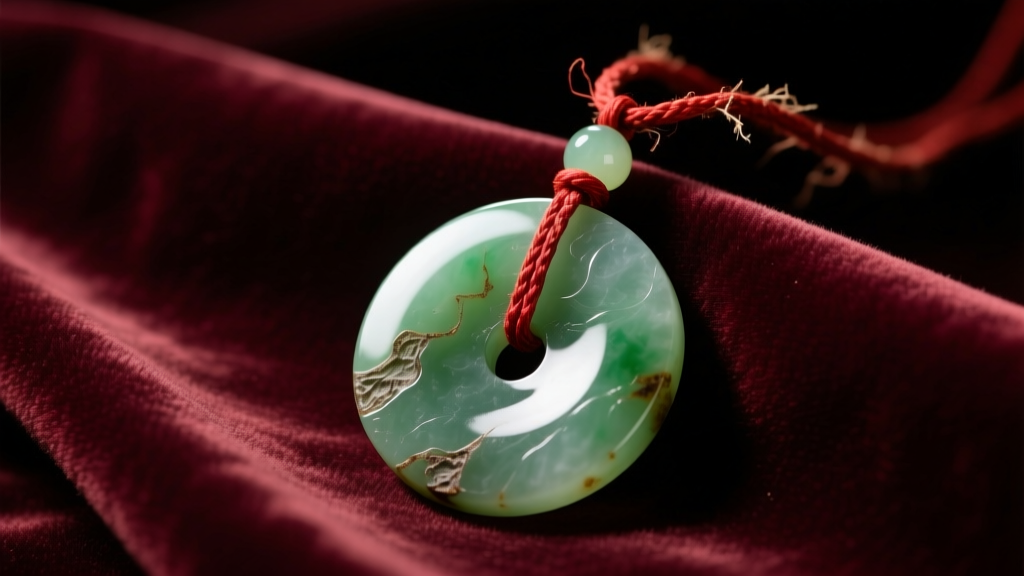
The Mineralogy of Antique Jade: Nephrite vs. Jadeite
When evaluating an antique jade necklace, the first critical step is distinguishing between the two entirely different minerals that share the commercial name 'jade': nephrite and jadeite. Historically, Chinese jade carving relied almost exclusively on nephrite, specifically the highly prized 'mutton fat' (yangzhi) Hetian nephrite sourced from the Kunlun Mountains. Nephrite is a calcium magnesium iron silicate characterized by a dense, interlocking fibrous crystal structure that gives it exceptional toughness, making it ideal for intricate, openwork antique carvings.
Jadeite, a sodium aluminum silicate, was introduced to China in significant quantities only after the Qianlong Emperor's military campaigns in Burma (now Myanmar) in the late 18th century. Jadeite features a granular, interlocking crystal structure and boasts a higher refractive index and greater vitreous luster compared to the greasy, matte luster of nephrite. According to the Gemological Institute of America (GIA), identifying the specific mineral is paramount, as the valuation metrics for a Qing Dynasty nephrite necklace differ vastly from those of a Republican-era jadeite bead necklace.
Specific Gravity and Refractive Index Testing
Non-destructive gemological testing is essential for antique jewelry. Nephrite typically exhibits a specific gravity (SG) of 2.95 to 3.10, while jadeite is noticeably denser, ranging from 3.30 to 3.38. Using a precise hydrostatic balance, an expert can determine the SG without unmounting the piece, provided the metal findings are accounted for. Furthermore, spot readings using a refractometer will yield an RI of 1.606-1.632 for nephrite and 1.654-1.667 for jadeite. These baseline metrics immediately separate authentic antique jade from common simulants like serpentine, aventurine, or dyed chalcedony.
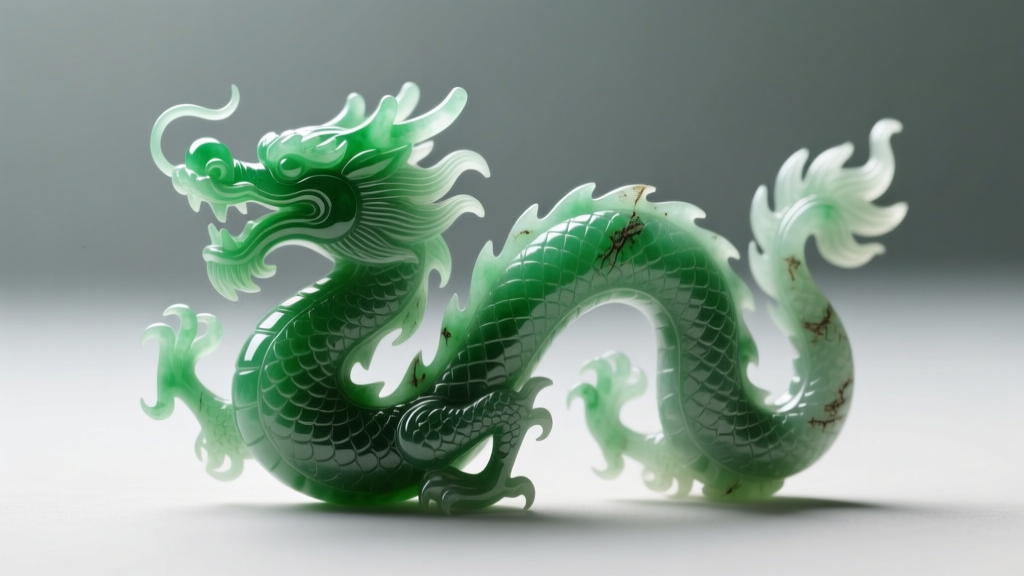
Decoding the Treatment Spectrum: Type A, B, and C
A genuine antique jade necklace must, by definition, be Type A (completely untreated, save for traditional surface waxing). However, the secondary market is flooded with 'antique-style' pieces manufactured in the 1970s and 1980s that have undergone severe chemical treatments. Understanding the treatment spectrum is vital for structural and financial appraisal.
| Treatment Grade | Process Description | Gemological Detection Method | Impact on Antique Value |
|---|---|---|---|
| Type A | Untreated; traditional plum wax polishing only. | Visual inspection; no FTIR polymer peaks. | Retains 100% of historical and intrinsic value. |
| Type B | Acid-bleached to remove brown/yellow impurities, then polymer-impregnated. | FTIR spectroscopy detects polymer resins; UV fluorescence. | Destroys antique value; structurally compromised over time. |
| Type C | Chemically dyed to simulate Imperial Green or lavender hues. | Chelsea filter; magnification reveals dye in grain boundaries. | Considered a fake; zero collector value. |
| Type B+C | Both bleached/polymer-filled and artificially dyed. | Combination of FTIR and spectroscopic dye analysis. | Fraudulent; often sold to unsuspecting tourists. |
To detect Type B treatments in suspect 'antique' pieces, gemologists utilize Fourier Transform Infrared (FTIR) spectroscopy. The acid-bleaching process destroys the natural silicate matrix, requiring the infusion of Opticon or epoxy resins. FTIR easily identifies the carbon-hydrogen absorption bands of these polymers, instantly disqualifying the piece as a true, untouched antique.
Evaluating Antique Carving Techniques and Provenance
The method of carving provides crucial clues regarding the age and authenticity of an antique jade necklace. Before the introduction of modern diamond-tipped rotary tools in the mid-20th century, jade was shaped using abrasive slurries (crushed quartz, garnet, or corundum) and string saws. Under 40x magnification, antique carving grooves exhibit a smooth, 'U-shaped' profile with uneven, organic undulations caused by the manual application of abrasives.
Conversely, modern reproductions feature sharp, 'V-shaped' grooves with parallel, mechanical striations left by high-speed diamond burs. Furthermore, the Metropolitan Museum of Art notes that Qing Dynasty motifs—such as the ruyi scepter, bats (symbolizing good fortune), and dragons—adhere to strict iconographic rules. Anachronistic blending of motifs or poorly executed openwork (reticulation) is a hallmark of 20th-century tourist-trade reproductions.
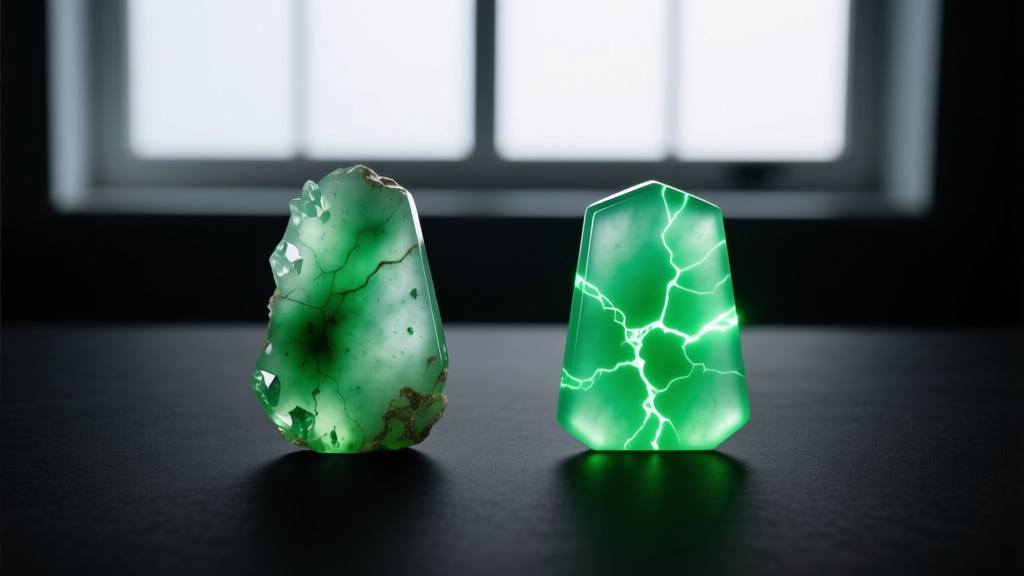
Stringing Materials and Structural Integrity
The structural integrity of an antique jade necklace is heavily dependent on its stringing material. Historically, jade beads and pendants were strung on hand-spun silk or animal gut cord. Over decades, silk degrades, losing its tensile strength due to exposure to UV light, skin oils, and environmental humidity. Wearing a valuable antique Hetian nephrite necklace on its original 19th-century silk cord is a catastrophic risk.
Expert conservation dictates that antique jade necklaces be professionally re-strung using modern, high-tensile nylon-core silk threads. These contemporary materials mimic the drape and aesthetic of historical silk while providing the necessary load-bearing strength to prevent a sudden break. Additionally, traditional Chinese knotting techniques—where a knot is placed between every single bead—must be employed. This not only preserves the historical aesthetic but ensures that if the cord fails, only one bead is lost rather than the entire necklace scattering across a hard floor.
Market Valuation and Pricing Tiers
Valuing an antique jade necklace requires a synthesis of gemological quality, historical provenance, and current market dynamics. As noted by Sotheby's, the top tier of the market is dominated by Imperial Green jadeite from the 'old mines' of Myanmar, characterized by high translucency (water head) and a vivid, evenly distributed emerald-green hue caused by trace amounts of chromium.
- Imperial Green Jadeite (Type A, Qing/Republican Era): $50,000 to $500,000+ per necklace, heavily dependent on bead diameter (over 10mm commands massive premiums) and provenance.
- Spinach Green Nephrite (Hetian, 18th/19th Century): $5,000 to $25,000. Valued for its deep, solemn green and historical significance in imperial court attire.
- Mutton Fat White Nephrite (Hetian, Qianlong Period): $10,000 to $40,000. Prized for its creamy, translucent texture and lack of visible grain structure.
- Lavender or Ice-Species Jadeite (Early 20th Century): $3,000 to $15,000. Highly sought after by modern collectors for its subtle, ethereal coloration.
Conclusion
Acquiring and maintaining an antique jade necklace is an exercise in both historical preservation and rigorous gemological science. By relying on objective data—specific gravity, FTIR spectroscopy, and microscopic tool-mark analysis—collectors can confidently navigate a market fraught with sophisticated reproductions and chemical treatments. True antique jade is not merely a piece of jewelry; it is a mineralogical time capsule that demands expert handling, conservative stringing, and a deep respect for its cultural provenance.


