Avon Butterfly Necklace Guide: Value & Styles in 2026
Discover the history, value, and styling tips for the vintage Avon butterfly necklace. Learn to identify hallmarks and avoid damaged pieces.

The Enduring Appeal of the Avon Butterfly Necklace
When exploring the rich history of American costume jewelry, few motifs capture the imagination quite like the butterfly. For decades, the avon butterfly necklace has served as a staple in vintage collections, bridging the gap between affordable everyday elegance and highly sought-after collector's items. While Avon is globally recognized for its cosmetics, its foray into fashion jewelry—particularly during the 1970s and 1980s—produced pieces that rival high-end boutique designs in craftsmanship and visual impact.
For beginners stepping into the world of vintage costume jewelry, the butterfly motif offers a perfect entry point. These pieces are widely available, relatively affordable, and boast a fascinating variety of materials, from cold-painted enamels to intricate Aurora Borealis (AB) rhinestone pavé. However, navigating the secondary market in 2026 requires a keen eye for authenticity, condition, and era-specific design markers. This comprehensive guide will equip you with the exact specifications, pricing data, and inspection frameworks needed to build a pristine collection.
Identifying Authentic Vintage Avon Pieces
The first step in evaluating any vintage piece is verifying its provenance. Avon began marking its jewelry in the early 1970s, and understanding these hallmarks is critical to distinguishing genuine vintage items from modern reproductions or unbranded knockoffs.
Decoding the Hallmarks
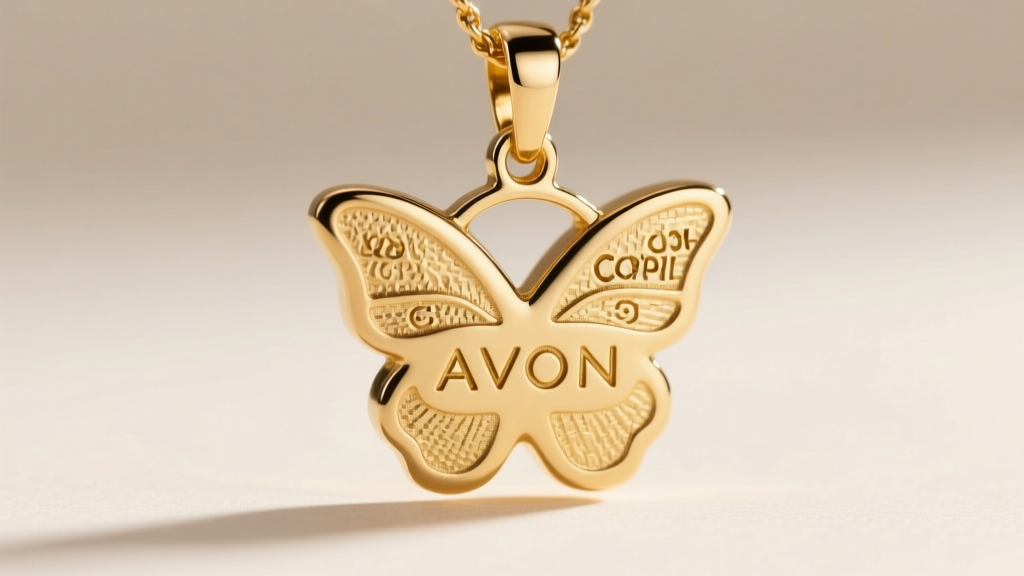
Authentic vintage Avon jewelry will typically feature one of the following stamps on the reverse of the pendant or the clasp tag:
- ©AVON: The most common hallmark, introduced in the 1970s. The copyright symbol is crucial; its absence on a purported 1970s piece is a major red flag.
- AVON: Some early transitional pieces or specific limited-edition runs may lack the copyright symbol, though this is less common.
- A◎: A stylized 'A' inside a circle, often found on pieces from the late 1980s and early 1990s.
According to the extensive mark databases cataloged by Invaluable's Costume Jewelry Guide, the depth and clarity of the stamp are just as important as the text itself. Genuine stamps are cast into the mold or cleanly die-struck, whereas fakes often feature shallow, laser-etched, or messy markings.
Material Composition
Vintage Avon butterfly pendants were rarely made of solid precious metals. Instead, they utilized high-quality base metals—primarily pewter and brass—which were then heavily electroplated with gold-tone or silver-tone finishes. The weight is a dead giveaway: genuine vintage pieces have a substantial, dense heft due to the pewter core, whereas modern mass-produced replicas feel hollow and unnaturally light.
Popular Eras and Styles (1970s–1990s)
The design language of the avon butterfly necklace shifted dramatically across three distinct decades. Understanding these eras will help you accurately date pieces and determine their fair market value in today's collector economy.
| Era | Dominant Materials | Key Design Features | 2026 Market Value (Excellent Condition) |
|---|---|---|---|
| 1970s | Gold-tone pewter, cold enamel | Slider chains, nature-inspired textures, vibrant opaque enamel wings | $35 – $65 |
| 1980s | Silver/Gold-tone, AB rhinestones | Bold pavé settings, marquise-cut stones, oversized statement pendants | $50 – $120 |
| 1990s | Lucite, matte gold-tone, pastel enamel | Minimalist silhouettes, translucent wings, lighter-weight chains | $20 – $45 |
The 1970s: Enamel and Earth Tones
The 1970s saw the rise of the "ladylike" aesthetic. Avon's butterfly necklaces from this era frequently featured a slider mechanism, where the butterfly pendant could be moved up and down a snake or box chain to adjust the neckline. The wings were often filled with cold enamel in earthy tones like mustard yellow, turquoise, and burnt orange. These pieces are highly prized by collectors who focus on 70s bohemian fashion.
The 1980s: The Rhinestone Boom
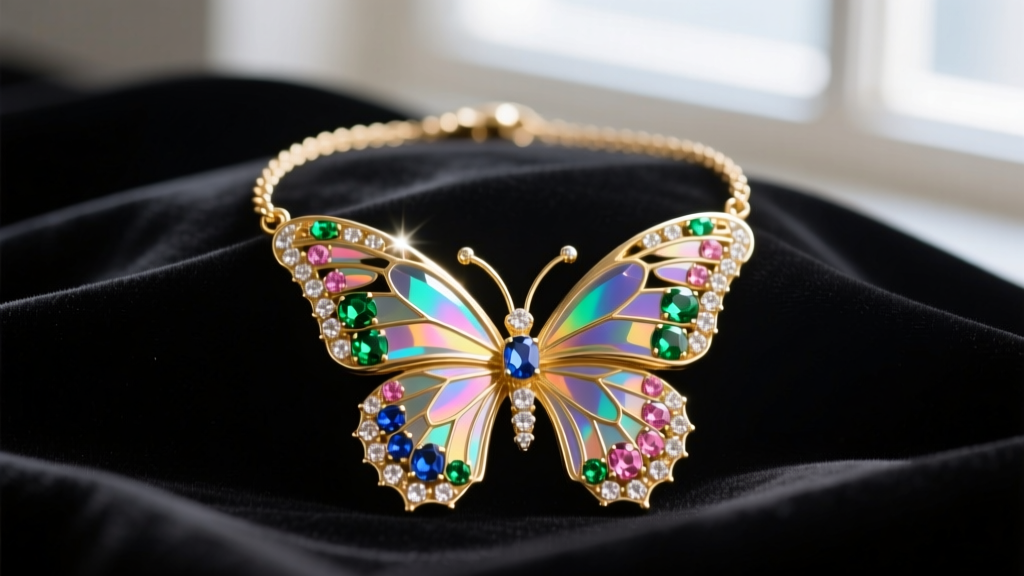
As fashion shifted toward power dressing and maximalism in the 1980s, Avon responded with heavily embellished pieces. The butterfly necklaces of this era are characterized by intricate pavé settings using glass chaton and marquise-cut rhinestones. Many featured Aurora Borealis (AB) coatings, giving the stones a mesmerizing, iridescent oil-slick effect under direct light. These remain the most valuable and sought-after iterations on platforms like Ruby Lane.

Condition Checklist: Critical Failure Modes to Inspect
Buying vintage costume jewelry requires a meticulous inspection process. Because these pieces are made of base metals and glued components, they are susceptible to specific failure modes that can drastically reduce their value. Before purchasing an avon butterfly necklace, run through this expert checklist:
1. Rhinestone Degradation ("Dead Stones")
Glass rhinestones rely on a delicate silver or gold foil backing to reflect light. If moisture penetrates the setting, this foil oxidizes, turning the stone grey, black, or cloudy—a condition collectors call a "dead stone." Inspect the pavé wings under a bright LED light. If even one stone is dead, the piece's value drops by at least 40%, as replacing foil-backed vintage stones is incredibly difficult and often cost-prohibitive.
2. Enamel Crazing and Flaking
Cold enamel is essentially a hardened resin. Over decades of exposure to temperature fluctuations and UV light, it can develop microscopic cracks (crazing) or chip away from the metal recesses. Run your fingernail gently over the enameled wings; any roughness or lifting indicates structural failure of the enamel.
3. Slider Friction and Plating Loss
On 1970s slider necklaces, the constant friction of the metal pendant sliding against the chain often wears away the gold electroplating on the inside of the bail (the loop holding the pendant). Examine the bail closely for exposed brass or dark grey pewter, which indicates heavy wear.
4. Clasp Fatigue
Vintage spring-ring clasps often suffer from weakened internal springs or dried-out lubricants. Test the clasp mechanism multiple times. It should snap back swiftly and flush against the jump ring. If it sticks or leaves a gap, the clasp will need to be replaced by a jeweler, adding to your total investment cost.
Proper Care and Maintenance Protocols
Preserving a vintage avon butterfly necklace requires abandoning modern jewelry cleaning habits. The most common mistake beginners make is using ultrasonic cleaners or harsh chemical dips. Never put vintage rhinestone jewelry in an ultrasonic cleaner. The high-frequency vibrations will shatter the glass stones and instantly dissolve the vintage adhesive holding them in their prongs.
"The secret to maintaining the brilliance of 1980s AB rhinestones is keeping them completely dry. Moisture is the absolute enemy of the foil backing." — Vintage Costume Jewelry Conservation Society
Safe Cleaning Method:
- Mix a few drops of pH-neutral dish soap (like Dawn) into a bowl of lukewarm distilled water.
- Dip a soft-bristled baby toothbrush into the solution and gently tap it on a paper towel to remove excess moisture. You want the brush damp, not wet.
- Gently brush the metal settings and the tops of the stones, avoiding the base where the glue sits.
- Immediately dry the piece with a clean microfiber cloth, using a hairdryer on the "cool" setting to blow out any trapped moisture from under the settings.
Styling Your Vintage Butterfly Piece in 2026
The beauty of the butterfly motif is its incredible versatility. For a contemporary 2026 aesthetic, avoid wearing your vintage Avon piece as a solitary, isolated item. Instead, embrace the art of layering. Pair a delicate 1970s gold-tone enamel butterfly slider with a modern, chunky paperclip chain and a simple pearl pendant. This juxtaposition of vintage charm and modern industrial chains creates a curated, eclectic look that feels intentional rather than dated. Whether you are a seasoned collector or a beginner looking for your first statement piece, the Avon butterfly necklace remains a testament to an era when costume jewelry was crafted with uncompromising attention to detail.


