Avon Cameo Necklace Value: 2026 Pricing & Collector Guide
Discover the true market value of your Avon cameo necklace in 2026. Learn to identify materials, spot reproductions, and price vintage pieces accurately.

The Nostalgia Premium: Understanding Avon Cameo Valuations
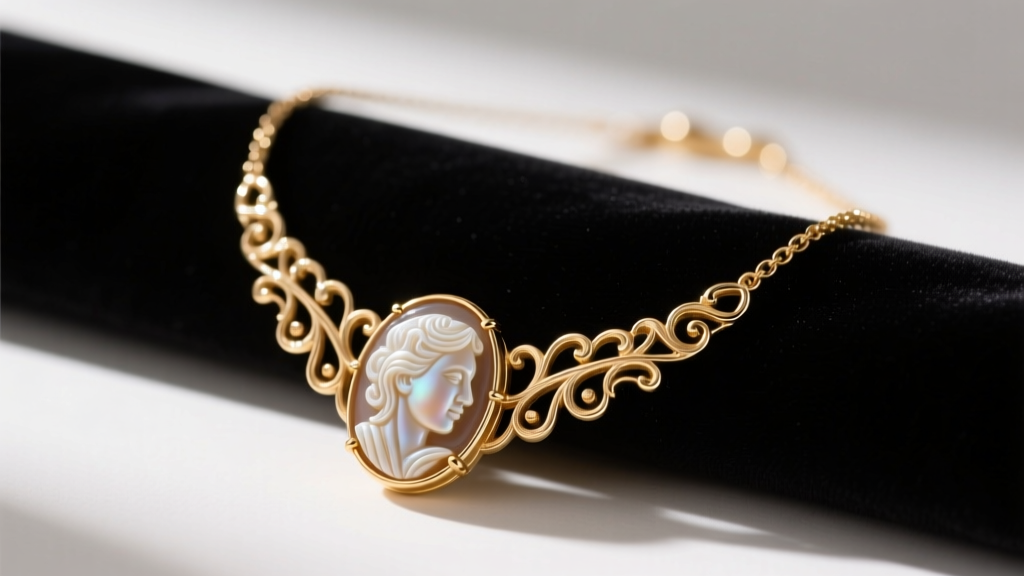
When assessing the budget and value of an Avon cameo necklace, collectors and vintage jewelry enthusiasts must separate intrinsic material worth from collectible nostalgia. Avon Products, Inc. was a titan of direct-selling, and their jewelry catalogs from the 1970s through the early 2000s featured extensive cameo collections. Unlike fine jewelry, where value is dictated by precious metal weight and gemstone carat, Avon costume jewelry derives its market value from rarity, condition, material authenticity, and the specific collection it belongs to.
In 2026, the vintage costume jewelry market has matured. Buyers are no longer just looking for a pretty accessory; they are hunting for specific historical markers, such as the highly sought-after 1989 "Memories" collection or the intricate Victorian reproductions from the late 1970s. Understanding the exact manufacturing techniques Avon employed is the first step in accurately pricing these pieces.
Material Breakdown: Shell vs. Resin vs. Glass
The single most critical factor in determining the value of an Avon cameo is the material of the carved profile. Avon utilized three primary materials across their decades of production, each occupying a distinct pricing tier.
1. Genuine Carved Shell
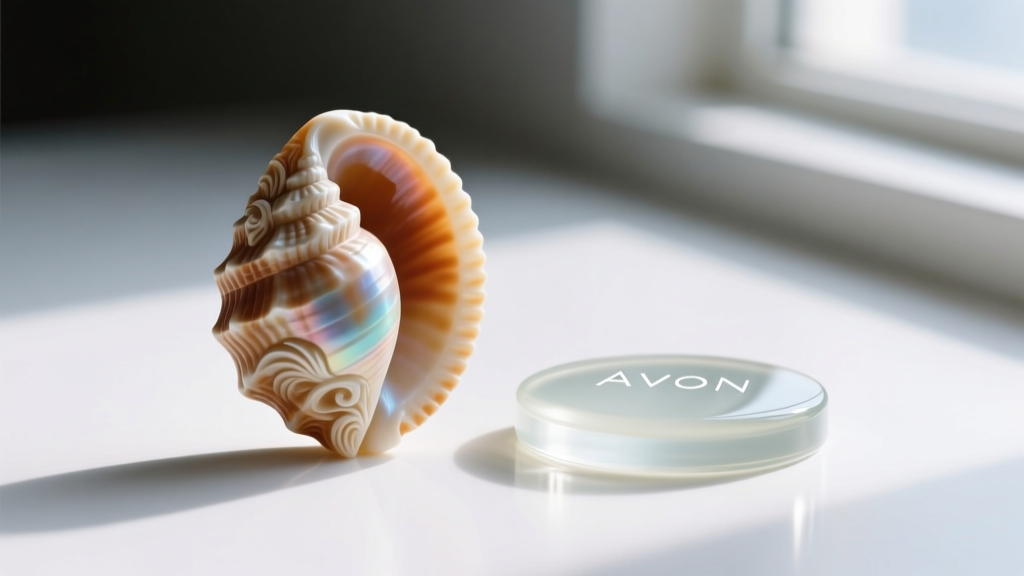
The highest-tier Avon cameos were carved from natural marine shell, often Cassis madagascariensis or Cypraecassis rufa, sourced from Italian or Asian carving centers. These pieces feature a naturally concave back and subtle tool marks visible under 10x magnification. Shell is thermally conductive; it will feel distinctly cold to the touch when first picked up and will take time to warm to body temperature. In the current market, intact, marked Avon shell cameos command a premium.
2. Molded Resin and Plastic
The vast majority of Avon cameo necklaces produced in the 1980s and 1990s were mass-produced using molded resin or plastic. These pieces are easily identified by their perfectly flat backs, uniform coloration without natural banding, and microscopic seam lines along the edges from the molding process. Resin warms to the touch almost instantly. While charming, these hold the lowest market value and are considered standard costume pieces.
3. Glass Intaglios
Often mistakenly listed as cameos by amateur sellers, Avon also produced glass intaglios. While a cameo features a raised (positive) profile, an intaglio is carved or molded into the glass (negative). Avon's glass intaglios, often backed with foil or mother-of-pearl paint to create depth, hold a moderate collector value, sitting between resin and genuine shell.
2026 Market Pricing Tiers for Avon Cameos
To accurately assess your piece, compare it against the current market data. The following table outlines the 2026 pricing landscape based on material, era, and condition. Data is synthesized from recent sold listings on major vintage platforms and collector forums.
| Material / Type | Era / Collection | Condition | Estimated 2026 Market Value |
|---|---|---|---|
| Molded Resin / Plastic | 1980s - 1990s (Standard) | Excellent (No brassing) | $8 - $18 |
| Glass Intaglio (Foil Backed) | 1970s - 1980s (Victorian Revival) | Very Good (Minor wear) | $25 - $45 |
| Carved Shell (Standard Setting) | 1970s - 1980s | Excellent (Intact shell) | $45 - $85 |
| Carved Shell (Sterling / Heavy Plate) | 1990s (Limited / Memories) | Mint (Original box/papers) | $110 - $180+ |
Identifying Authentic Avon Hallmarks and Maker's Marks
Authentication is vital, as the secondary market is flooded with unbranded vintage cameos mistakenly or deceptively attributed to Avon. According to the Antique Jewelry University by Lang Antiques, maker's marks on costume jewelry evolved significantly over the decades.
- The "AVON" Stamp: Early pieces (1970s) often feature a simple, block-letter "AVON" stamp on the reverse of the pendant or on the clasp.
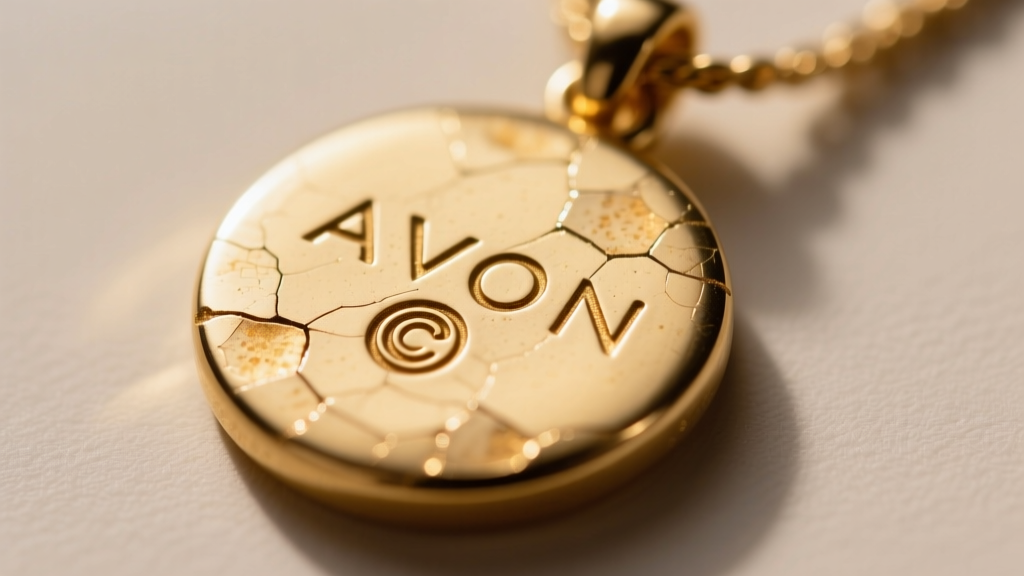
- The Copyright Symbol: By the late 1970s and 1980s, Avon began including the copyright symbol (©AVON). This is the most common hallmark you will encounter.
- Patent Numbers: Some highly specific designs include a design patent number (e.g., "DES PAT 254893"). Cross-referencing these numbers with USPTO databases can definitively date the piece.
- The "A" Mark: In some limited runs, a stylized "A" inside a specific geometric shape was used, though this is less common on standard cameo lines.
Expert Note: A missing hallmark does not automatically render a piece fake. Electroplating wear can obscure shallow stamps, and original clasps (which often held the mark) were frequently replaced by owners over the last 40 years.
Chain and Clasp Hardware Assessment
When evaluating an Avon cameo necklace, the chain and clasp hardware account for roughly 20% to 30% of the total value assessment. Avon typically utilized base metal chains (brass or zinc alloy) with gold-tone or silver-tone electroplating.
Pay close attention to the chain style. The 1.5mm herringbone chains popular in the 1980s are notoriously fragile. A herringbone chain that has been kinked or bent suffers an immediate 40% value deduction, as it cannot be repaired to its original factory lay. Conversely, a sturdy 2.0mm cable chain or a rope chain in pristine condition adds to the overall desirability. Furthermore, higher-end Avon pieces featured fold-over clasps with secondary safety chains; the presence of an intact safety chain is a strong indicator of a premium-tier original set.
Common Flaws and Condition Deductions
As detailed by vintage experts at Morning Glory Antiques, condition is paramount in costume jewelry. When inspecting your Avon cameo necklace, look for these specific failure modes:
- Brassing: The wearing away of the gold-tone electroplating to reveal the yellowish base metal underneath. Heavy brassing on the high points of the filigree setting drops the value to the bottom of its tier.
- Verdigris: The green, powdery corrosion that forms on copper and brass alloys when exposed to moisture and skin acids. While mild verdigris can be carefully cleaned with a dry wooden pick and gentle brushing, deep pitting caused by corrosion is permanent.
- Shell Fractures: A hairline crack in a genuine shell cameo is a fatal flaw for serious collectors. Because shell is organic and brittle, a crack compromises the structural integrity, reducing the piece's value by 70% to 90%.
- Missing Rhinestones: Many 1980s Avon settings featured small glass rhinestone accents. Missing stones create empty, dark sockets that severely detract from the visual appeal and market price.
Sourcing and Selling: Maximizing Your Return
If you are looking to sell an authenticated, high-tier Avon shell cameo necklace, platform selection is crucial. General marketplaces like eBay offer the highest volume but require you to filter through "sold" listings rather than active, overpriced ones to gauge true value. For premium vintage pieces (those exceeding $100), curated platforms like Ruby Lane or specialized Etsy vintage storefronts attract serious collectors willing to pay for properly photographed, accurately described items.
Conversely, if you are a buyer looking to acquire an Avon cameo necklace on a budget, focus your search on estate sales and local thrift stores. Because many generalists cannot distinguish between a molded resin piece and a carved shell piece, genuine Avon shell cameos are frequently mislabeled and sold for the $10-$15 resin price, offering an excellent opportunity for the educated collector.


