2026 Value: Medical Alert Necklace for Women Guide
Discover how to evaluate a medical alert necklace for women in 2026. Compare material costs, engraving durability, and hidden fees.

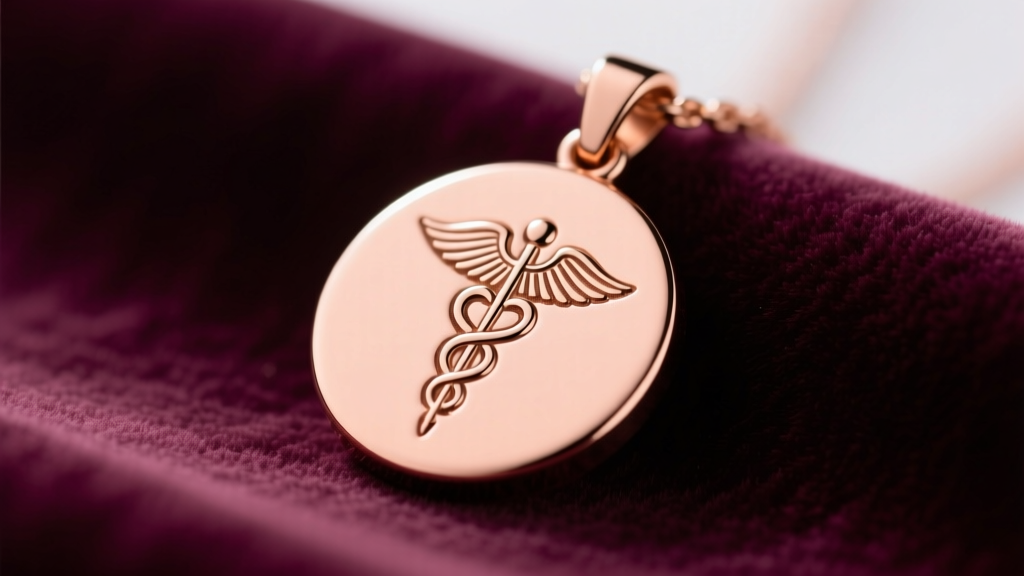
When navigating health emergencies, the jewelry you wear can speak for you when you cannot. However, the market for a medical alert necklace for women has become increasingly saturated, blurring the lines between genuine life-saving tools and overpriced fashion accessories. As we move through 2026, evaluating the true budget and long-term value of these pieces requires looking past the initial price tag. A cheap pendant that fades or a chain that snaps under pressure compromises your safety, while overpriced subscription-based smart IDs can drain your wallet over time. This comprehensive value assessment breaks down material grades, engraving permanence, structural failure modes, and hidden costs to help you invest wisely in a piece that protects you without breaking the bank.
The True Cost Breakdown: Upfront vs. Long-Term Value
The initial sticker shock of a high-quality medical ID can deter budget-conscious shoppers, but assessing value requires a 'cost-per-wear' and 'longevity' mindset. A $25 pendant might seem like a bargain, but if the laser engraving wears off after 18 months of daily friction and sweat exposure, you are forced to replace it. Conversely, a $75 pendant with deep rotary engraving and a durable chain will last a decade or more. According to Verywell Health, the primary purpose of medical jewelry is immediate recognition by first responders; if the text is illegible due to material degradation, the item has failed its core purpose, rendering your initial investment entirely wasted.
Material Grades: Where to Save and Where to Spend
The base metal of your pendant dictates its price, weight, and skin compatibility. Understanding metallurgical grades is essential for budget assessment.
316L Surgical Stainless Steel (The Budget Champion)
Priced between $20 and $40, 316L steel is the workhorse of the medical ID world. It contains low carbon and high chromium, making it highly resistant to tarnish and corrosion. While it is generally hypoallergenic, individuals with severe nickel sensitivities should proceed with caution, as trace amounts of nickel can still cause contact dermatitis over prolonged exposure. For the average buyer, 316L offers the highest upfront value.
Grade 23 Titanium (The Premium Standard)
Costing between $45 and $85, Grade 23 Titanium (Ti-6Al-4V ELI) is the gold standard for biocompatibility. It is completely nickel-free, incredibly lightweight, and will not trigger airport metal detectors. If you have sensitive skin or work in environments with strict metal-detection protocols, the $30 premium over steel is a non-negotiable value add.
925 Sterling Silver (The Aesthetic Compromise)
Ranging from $60 to $150, sterling silver offers a high-end jewelry aesthetic. However, from a strict utility standpoint, it is a poor value. Silver is a soft metal (Mohs hardness of 2.5 to 3). Daily wear leads to micro-scratches that can eventually obscure shallow engravings. Furthermore, it requires regular polishing to prevent oxidation, which can darken the engraved text and reduce legibility.
Engraving Quality: The Hidden Value Metric
The most critical, yet frequently overlooked, aspect of pricing a medical alert necklace for women is the engraving method. Retailers rarely disclose this, but it dictates the lifespan of your ID.
Laser Engraving vs. Rotary Engraving
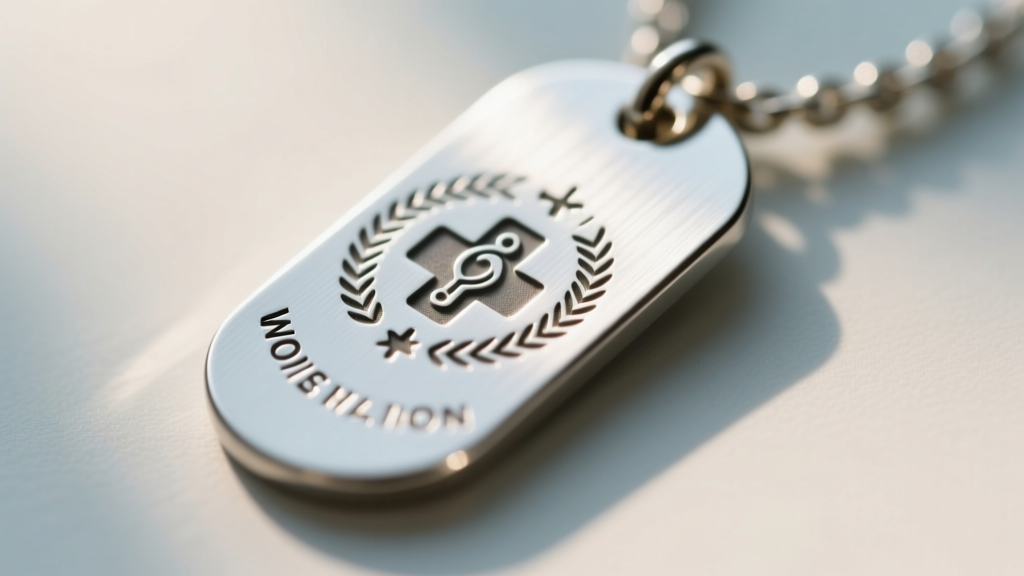
Most budget-friendly options (under $30) use laser engraving. This process alters the surface color of the metal but only penetrates to a depth of about 0.05mm. Over two to three years, friction from clothing and acidic sweat will literally erase your medical conditions from the tag.
High-value options utilize rotary or diamond-drag engraving, which physically carves into the metal to a depth of 0.3mm to 0.5mm. Top-tier brands like American Medical ID often fill these deep grooves with a contrasting enamel (like black or red) to ensure first responders can read the text instantly, even in low-light emergency scenarios. Always pay the $10 to $15 premium for deep rotary engraving; it is the single most important factor in the jewelry's long-term value.
Chain Durability vs. Aesthetics: Avoiding Failure Modes
A pendant is useless if it sits on your dresser because the chain broke or irritated your neck. When budgeting, allocate at least 30% of your total spend to a high-quality chain.
Gauge Thickness and Tensile Strength
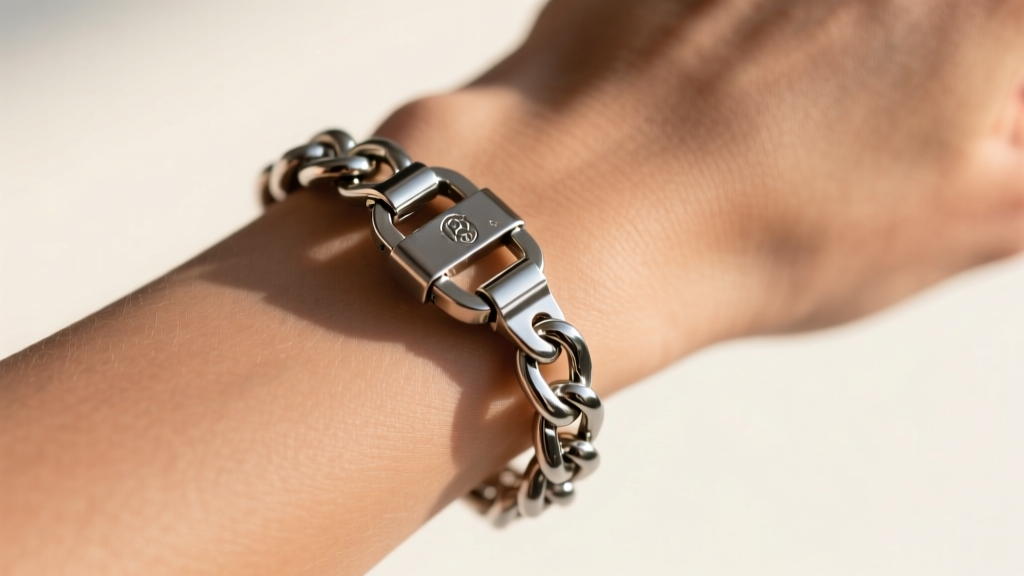
Many budget retailers pair heavy pendants with flimsy 22-gauge or 20-gauge cable chains. These thin chains have a low tensile strength and can snap under 3 to 4 pounds of pressure—easily achieved if the pendant gets caught on a sweater or a seatbelt. For reliable daily wear, insist on an 18-gauge or 16-gauge box chain or rope chain. These styles distribute weight evenly and can withstand 8 to 12 pounds of tension without deforming.
Clasp Mechanics
Avoid spring-ring clasps at all costs. They are notoriously difficult to operate for individuals with arthritis or reduced fine motor skills, and their internal springs are prone to rusting and failing. A stainless steel lobster claw clasp is vastly superior, offering a secure lock and a larger lever that is easy to grip. Brands like Lauren's Hope excel at pairing elegant women's designs with robust, accessible clasps, proving that safety and style do not have to compromise one another.
Pricing Tiers and the Subscription Trap
In recent years, the market has seen an influx of 'Smart Medical IDs' featuring QR codes or NFC chips that link to a digital health profile. While technologically impressive, they introduce recurring costs that severely impact long-term value.
| ID Type | Average Upfront Cost | Hidden / Recurring Fees | Long-Term Value Rating |
|---|---|---|---|
| Basic Laser-Engraved Steel | $20 - $35 | $0 | Poor (Fades quickly) |
| Deep-Engraved Titanium | $55 - $85 | $0 | Excellent (Lifetime use) |
| Sterling Silver Fashion ID | $80 - $150 | $0 | Fair (Prone to scratching) |
| Smart QR/NFC Pendant | $30 - $60 | $30 - $50 / year | Poor (High lifetime cost) |
As the table illustrates, a smart ID might seem affordable at $40 upfront. However, if the hosting platform charges a $40 annual subscription fee to keep your digital profile active, your five-year cost balloons to $240. Furthermore, first responders are trained to look for the universally recognized caduceus or medical star symbol and physical text. They rarely have the time or protocol clearance to scan a QR code and wait for a webpage to load during a critical trauma response. Traditional, deeply engraved physical text remains the undisputed king of both utility and budget efficiency.
Final Value Verdict for 2026
To maximize your budget when shopping for a medical alert necklace for women, prioritize function over fleeting fashion trends. The ultimate value proposition in 2026 is a Grade 23 Titanium or 316L Stainless Steel pendant featuring deep rotary engraving with enamel fill, paired with an 18-gauge box chain and a lobster claw clasp. Expect to invest between $60 and $90 upfront for this configuration. By avoiding soft metals, shallow laser etching, and predatory digital subscription models, you secure a life-saving tool that remains legible, durable, and entirely yours without any hidden recurring costs.


