Boa Necklace Troubleshooting: Fix Shedding, Tangles & Clasps
Fix common boa necklace issues like feather shedding, chain tangling, and clasp breakage. Expert troubleshooting and styling tips for statement necklaces.

The Anatomy of a Boa Necklace: Why They Fail
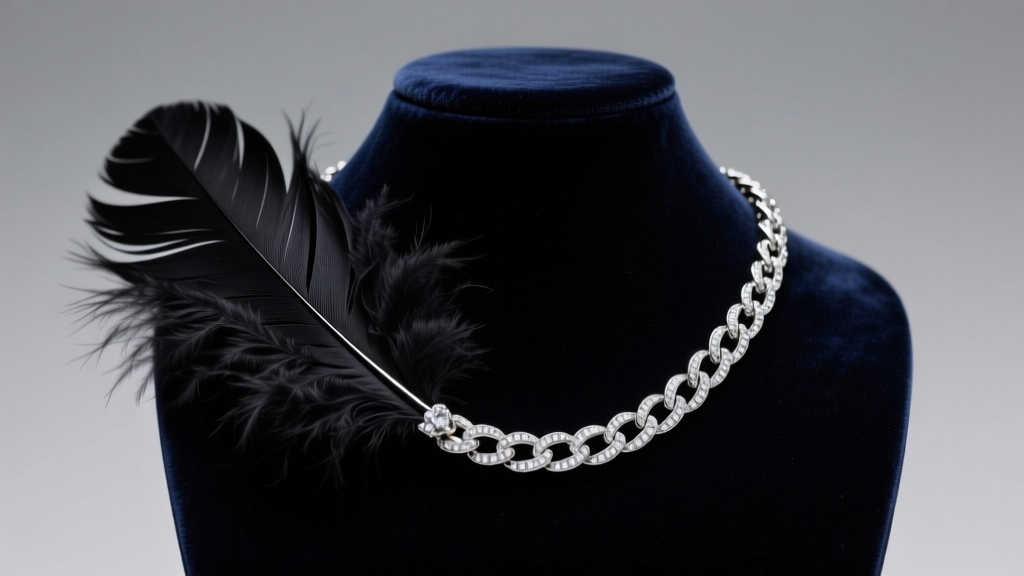
As we move through 2026, the resurgence of avant-garde, festival-inspired, and neo-flapper fashion has brought the boa necklace back into the spotlight. Unlike standard chain or pendant necklaces, a boa necklace is a complex hybrid of textiles (marabou feathers, tulle, or fringe) and metalwork (chain links, beads, or wire armatures). This mixed-media construction is precisely why they are so prone to structural failure.
The most common complaints we see at the studio involve three distinct failure modes: excessive feather shedding, metal chains tangling in the textile base, and hardware snapping under dynamic weight. A typical marabou and chain-link boa necklace weighs between 80 and 150 grams. When you factor in the kinetic movement of walking or dancing, the dynamic stress on the clasp and the friction on the feathers can quickly destroy a poorly constructed piece. Below is our master troubleshooting guide to diagnosing, repairing, and maintaining your statement boa necklaces.
Troubleshooting Feather and Tulle Shedding
Marabou feathers are prized for their wispy, kinetic movement, but their delicate barb structure makes them notorious for shedding. If your boa necklace is leaving a trail of fluff on your dark clothing, the issue is usually a lack of base sealing or poor quill binding.
The Acrylic Sealant Method
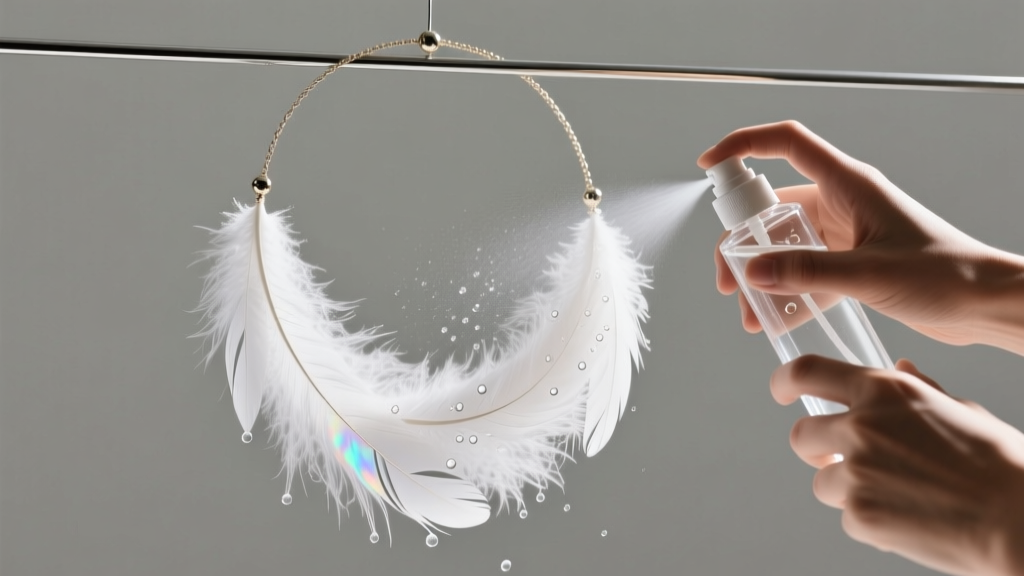
For mild to moderate shedding, you can stabilize the feather barbs using a clear acrylic sealer. We recommend Krylon UV-Resistant Clear Coating (matte finish). Do not use standard hairspray, as the alcohol and moisture content will degrade the natural quill over time and attract dust.
- Preparation: Suspend the necklace on a wire frame or hanger in a well-ventilated area.
- Application: Hold the can exactly 12 inches away from the feathers. Apply a very light, sweeping mist. Do not soak the feathers, or they will clump and lose their volume.
- Curing: Allow 24 hours for the acrylic to fully cure before wearing. This creates a microscopic flexible shell over the barbs, reducing shedding by up to 80%.
Wire-Wrapping the Core
If the feathers are falling out from the base (the quill is detaching from the chain), you need a mechanical fix. Use 24-gauge dead-soft craft wire (copper or silver-plated) to bind the quills to the central chain link. Wrap the wire tightly around the base of the quill and the chain, twisting it off at the back. This is a permanent fix that secures the structural integrity of the piece.
Fixing Chain Tangling and Snagging
When metal chains are integrated directly into feather or tulle bases, friction causes the metal to snag the textiles. This not only ruins the fabric but can also cause the chain to kink and snap. To solve this, you must reduce the coefficient of friction between the two materials.
| Troubleshooting Method | Best For | Application Process | Durability |
|---|---|---|---|
| Silicone Jewelry Lubricant | Smooth metal chains | Apply a micro-drop to a cotton swab and wipe the chain links. Buff off excess. | High (Reapply every 3 months) |
| Tulle Barrier Wrapping | Textured or bead chains | Wrap the chain in a 1/4-inch strip of illusion tulle before attaching feathers. | Permanent |
| Micro-Wax Coating | Vintage or oxidized chains | Rub a thin layer of Renaissance Wax over the metal to seal pores and smooth edges. | Medium (Reapply after cleaning) |
If your chain has already kinked due to tangling, do not pull it. Lay the necklace flat on a glass surface and use two pairs of flat-nose jewelry pliers to gently massage the kinked link back into an oval shape. Pulling will cause metal fatigue and eventual breakage.
Clasp and Hardware Failures
The standard 10mm spring-ring clasp included on most mass-produced boa necklaces is entirely inadequate for the weight and movement of the piece. The dynamic load of a 120-gram necklace swinging during wear will easily warp the spring mechanism, causing the clasp to pop open or the jump ring to pull apart.
Upgrading to Heavy-Duty Findings
To secure a heavy boa necklace, you must upgrade the hardware. According to jewelry manufacturing standards outlined by suppliers like Rio Grande, you should match the clasp size to the weight and thickness of the chain.
- The 14mm Lobster Clasp: For boas weighing 80-150g, swap the spring ring for a 14mm or 16mm 316L stainless steel lobster clasp. The 316L grade ensures the clasp will not tarnish or trigger nickel allergies, while the larger gate mechanism can handle thicker jump rings.
- Neodymium Magnetic Tube Clasps: If you struggle with dexterity when fastening a thick, bulky necklace at the nape of your neck, a magnetic tube clasp is the ultimate solution. Ensure the magnets are encased in stainless steel and rated for at least 5 lbs of pull force to prevent accidental detachment.
- Jump Ring Security: Never use open jump rings to connect a heavy boa clasp. Always use soldered jump rings or split rings (which look like miniature key rings) to ensure the connection point cannot be pulled apart under stress.
Sizing and Choking Hazards
A frequent styling complaint is that a boa necklace feels too tight, even when purchased in a standard 18-inch princess length. This is due to interior bulk displacement. The thick layer of feathers, tulle, or beads on the inside of the necklace takes up physical space against your collarbone, effectively reducing the interior circumference by 1 to 2 inches.
The Fix: Always add a 2-inch to 3-inch extender chain to the back of a boa necklace. If the piece features a continuous feather design without a distinct back chain, you can carefully snip the base wire at the center-back, insert a segment of 14k gold-filled or sterling silver cable chain, and secure it with 22-gauge wire wraps. This allows you to adjust the drop based on the neckline of your garment, preventing the choking sensation while maintaining the dramatic front drape.
Cleaning and Maintenance Protocol
You cannot submerge a boa necklace in water or use commercial silver dips, as moisture will permanently ruin the marabou feathers and cause the textile core to mildew. Proper maintenance requires a split-protocol approach.
Dry Cleaning the Feathers
To remove body oils, makeup, and environmental dust from the feathers, use the cornstarch method. Place the necklace in a large paper bag, add two tablespoons of plain cornstarch, and gently shake. The cornstarch will absorb the oils and lift the dirt. Remove the necklace and use a hair dryer on the cool, low-speed setting to blow the excess powder away. Never use heat, as it will singe the delicate barbs.
Spot Cleaning the Metalwork
For the chain and metal beads, use a barely damp microfiber cloth with a drop of mild dish soap (like Dawn). Wipe the metal carefully, avoiding contact with the feather quills. Dry immediately with a separate lint-free cloth. For deep textile stains that cornstarch cannot lift, consult a professional textile conservator or a specialized jewelry cleaner listed through organizations like Jewelers of America, as DIY chemical spot treatments will likely bleach or dissolve the delicate marabou fibers.


