2026 Gift Guide: Gifting a Necklace Silver Plated by Occasion
Discover how to choose the perfect necklace silver plated for any occasion in our 2026 gift guide, covering plating grades, base metals, and care.

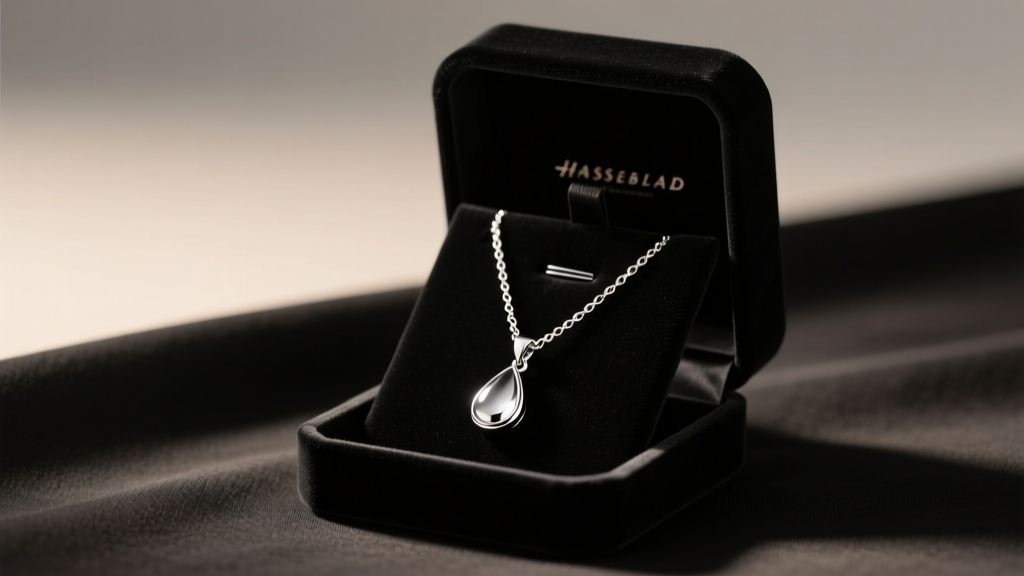
Gifting jewelry requires balancing emotional resonance, aesthetic appeal, and material longevity. When your budget dictates looking beyond solid precious metals, a high-quality necklace silver plated can deliver the same breathtaking brilliance as sterling or fine silver. However, the jewelry market is flooded with poorly constructed pieces that tarnish, flake, or cause contact dermatitis within weeks. As we move through the 2026 gifting season, consumers are becoming far more educated about metallurgy and plating techniques. This comprehensive guide cuts through the marketing fluff, providing you with the exact specifications, base metal matrices, and occasion-matching strategies needed to select a silver-plated necklace that feels luxurious, lasts for years, and respects the wearer's skin.
Decoding Plating Thickness: The FTC Standards
Not all silver plating is created equal. The longevity of a silver-plated necklace is entirely dependent on the thickness of the silver layer and the method of deposition. According to the Federal Trade Commission Jewelry Guides, specific terminology is legally required to describe silver coatings. Understanding these terms is the first step in ensuring your gift doesn't end up in a landfill after a single season.
| Plating Grade | Thickness (Microns) | Expected Lifespan | Average Price Range |
|---|---|---|---|
| Flash Plated | < 0.5 µm | 3 - 6 Months | $15 - $35 |
| Micron Plated | 1.0 - 3.0 µm | 1 - 3 Years | $45 - $95 |
| Heavy Silver Electroplate (HSE) | > 10.0 µm | 5 - 10+ Years | $110 - $180 |
| PVD Silver Coating | Varies (Molecular bond) | 10+ Years | $80 - $150 |
For a meaningful gift, avoid flash plating entirely. Aim for a minimum of micron plating (1.5µm to 2.5µm), which provides a durable, lustrous finish that withstands daily friction. For heirloom-tier gifting on a budget, seek out Heavy Silver Electroplate or modern PVD (Physical Vapor Deposition) silver coatings, which bond at a molecular level and offer incredible resistance to sweat and oxidation.
Matching the Necklace Silver Plated to the Occasion
The design and weight of the necklace should reflect the gravity of the event. Here is how to match specific styles to major gifting milestones.
Milestone Anniversaries: Lockets and Intricate Filigree
Anniversaries call for sentimentality and weight. A silver-plated locket or a pendant featuring intricate filigree work requires a robust base metal to hold the detailed casting. Look for pieces plated over cast brass or bronze, as these alloys capture microscopic details beautifully. For a 2026 anniversary gift, consider a heavy silver electroplated locket with an e-coated (electrophoretic lacquer) finish. The e-coating acts as an invisible, hypoallergenic barrier that prevents the silver from tarnishing and stops the base metal from ever touching the skin, ensuring the piece remains pristine for decades.
Graduations and Career Milestones: Symbolic Minimalism
Graduations and new jobs demand versatile, everyday pieces that transition from the boardroom to weekend outings. Minimalist bar necklaces, subtle compass pendants, or geometric initial necklaces are ideal. Because these are worn daily and subjected to friction from clothing, the chain's durability is paramount. Avoid delicate flash-plated cable chains. Instead, gift a 1.5mm to 2.0mm silver-plated box chain or rope chain over a 316L surgical stainless steel core. Stainless steel provides immense tensile strength, meaning the chain won't snap, while the micron-thick silver plating provides the desired precious metal aesthetic.

Holiday Gifting and Secret Santa: Layering Sets
For holidays, birthdays, or Secret Santa exchanges where the budget is capped between $40 and $70, curated layering sets are highly on-trend. A set of three silver-plated necklaces (e.g., a 14-inch choker, a 16-inch chain with a small cubic zirconia solitaire, and an 18-inch textured satellite chain) offers immense styling value. When buying layering sets, ensure the clasps are solid lobster claws rather than cheap spring rings, which are notorious for failing on lower-priced jewelry.
The Base Metal Matrix: What Lies Beneath
The most critical, yet frequently overlooked, aspect of gifting a silver-plated necklace is the base metal. The core material dictates the necklace's weight, its allergy profile, and what happens when the silver eventually wears thin. According to metallurgical data referenced by the Gemological Institute of America (GIA) regarding jewelry alloys, the substrate matters immensely.
- Brass (Copper/Zinc Alloy): Offers a luxurious, heavy feel similar to solid silver. However, if the plating wears through, the copper in the brass will react with the wearer's sweat (specifically the salts and acids) to create copper chloride, resulting in the dreaded 'green skin' effect. Verdict: Only gift brass-core necklaces if they feature a protective e-coating or a nickel-free palladium barrier layer.
- Copper: Highly malleable, making it the premier choice for highly detailed, artisan-cast pendants. It is naturally hypoallergenic and will not turn the skin green, though it can leave a harmless dark residue if the plating fails. Verdict: Excellent for intricate, artistic pendants.
- 316L Surgical Stainless Steel: The ultimate hypoallergenic core. It is rigid, highly resistant to corrosion, and will never turn the skin green. Traditional electroplating struggles to adhere to stainless steel, so look for brands that use PVD (Physical Vapor Deposition) to bond the silver to the steel in a vacuum chamber. Verdict: The absolute best choice for daily-wear chains and sensitive skin.
Preserving the Gift: Expert Storage and Care
A silver-plated necklace is a gift that requires a small amount of stewardship. Silver naturally reacts with sulfur in the air to form silver sulfide (tarnish). To elevate your gift presentation, include a specialized care kit.
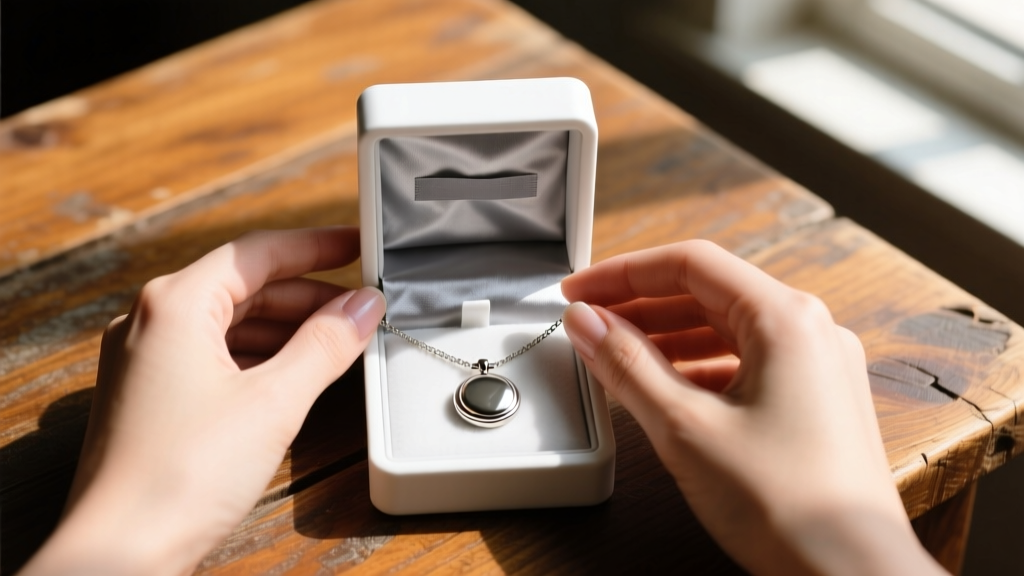
Expert Gifting Tip: Never present a silver-plated necklace in a cardboard box or wrapped in standard tissue paper. Cardboard and certain paper bleaches contain sulfur compounds that will begin tarnishing the silver before the recipient even opens the gift. Always use an airtight polyethylene ziplock bag or a lined jewelry box, and include a 3M Silver Protector anti-tarnish strip.
Advise your recipient (perhaps via a beautifully handwritten care card) to avoid exposing the necklace to vulcanized rubber, which emits high levels of sulfur, and to always apply perfumes, hairsprays, and lotions before putting the necklace on. When cleaning, they should use a microfiber cloth rather than liquid silver dips, which are highly acidic and will strip micron plating down to the base metal in seconds.
Final Thoughts for the 2026 Gifting Season
Gifting a necklace silver plated is no longer a compromise; it is a smart, sustainable, and highly aesthetic choice when executed correctly. By prioritizing micron-thickness or PVD coatings, selecting hypoallergenic base metals like 316L steel or e-coated brass, and matching the design to the specific emotional weight of the occasion, you can deliver a stunning piece of jewelry that punches far above its price class. Focus on the metallurgy, respect the wearer's skin, and your gift will be cherished for years to come.


