Troubleshooting a 555 Necklace: Tarnish, Alloys, and Care
Discover how to troubleshoot a 555 necklace. Learn about 555 silver alloys, tarnish removal, skin reactions, and repair tips for vintage jewelry.

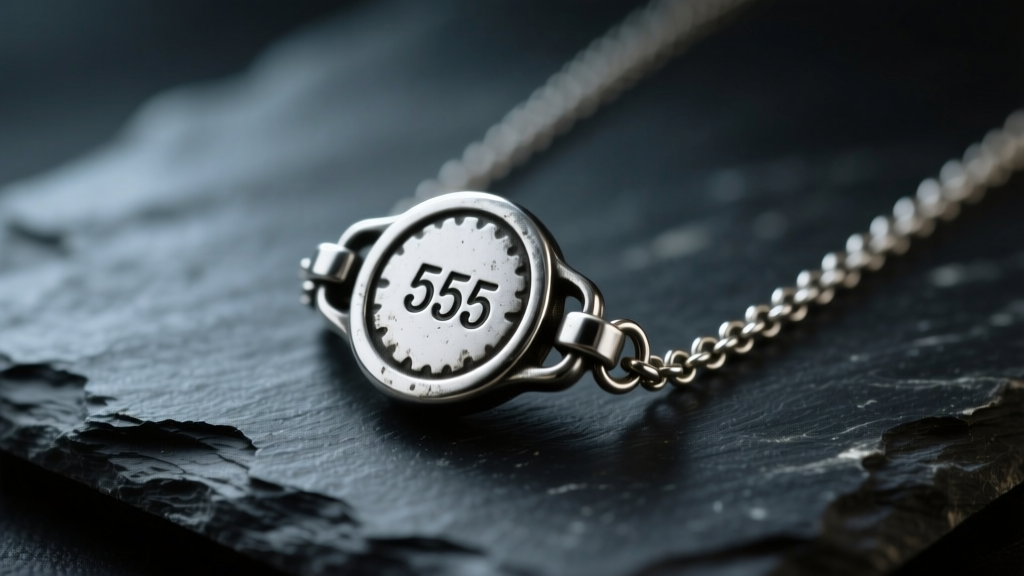
The Metallurgy of a 555 Necklace: What Does the Stamp Mean?
Finding a vintage 555 necklace at an estate sale, antique market, or inherited from a relative often sparks immediate curiosity. While the 925 stamp for sterling silver is globally recognized, the 555 hallmark indicates a very different metallurgical profile. A 555 stamp means the piece is composed of 55.5% pure silver and 44.5% base metals—typically copper, zinc, or nickel.
This specific alloy ratio was highly prevalent in vintage European jewelry, most notably German Reichssilber produced between the 1920s and 1940s, as well as in certain mid-century Asian and Middle Eastern pieces. According to The Silver Institute, while 92.5% is the modern standard for sterling, historical and regional variations like 555, 800, and 835 were legally recognized fineness marks in their respective countries. Because nearly half of a 555 necklace is made of reactive base metals, it presents a unique set of troubleshooting challenges regarding tarnish, skin reactions, and structural repairs.
Troubleshooting Issue #1: Accelerated Tarnish and Black Oxidation
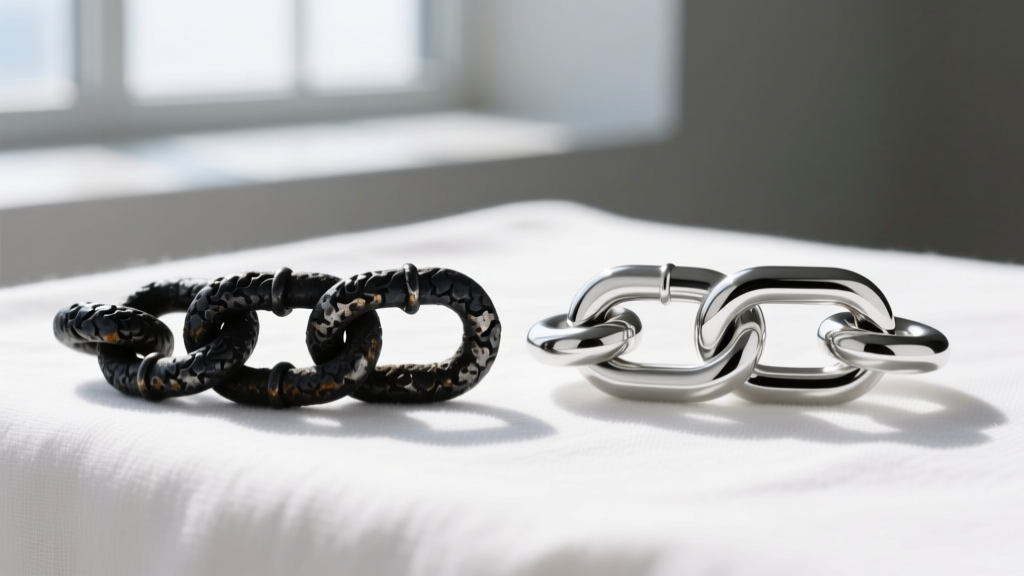
The most common complaint among owners of 555 silver jewelry is aggressive, dark tarnishing. While standard 925 sterling silver (which contains 7.5% copper) develops a yellowish-brown patina over time, the massive 44.5% copper and zinc content in a 555 necklace reacts rapidly with sulfur and oxygen in the air, often turning the metal a deep, bruised black or even a mottled greenish-gray.
The Danger of DIY Galvanic Baths
A popular internet hack for cleaning silver involves soaking the jewelry in a bath of boiling water, baking soda, and aluminum foil. Do not use this method on a 555 necklace. This creates a galvanic electrochemical reaction that strips sulfur from silver sulfide. However, because 555 silver has such a high copper content, this harsh chemical stripping can cause micro-pitting on the copper molecules, leaving the surface of your necklace looking frosted, porous, and chalky white. Once the surface is pitted, it will re-tarnish twice as fast.
The Correct Cleaning Protocol
- For Light Tarnish: Use a mild, ammonia-free dish soap and a soft microfiber cloth. Ammonia can react with the copper alloys and cause stress cracking in vintage chain links.
- For Heavy Black Oxidation: Use a micro-abrasive polish specifically formulated for high-copper silver alloys, such as Wright’s Silver Cream. Apply with a damp sponge, working in small circular motions to mechanically lift the copper oxide without stripping the underlying metal.
- For Deep Crevices: Use a soft-bristled baby toothbrush dipped in a paste of baking soda and distilled water (avoiding the aluminum foil method), gently scrubbing the chain links, then rinse immediately and dry with a hair dryer on a cool setting to prevent water spots.
Troubleshooting Issue #2: Skin Discoloration and Allergic Reactions
If your 555 necklace is leaving a green or black ring around your neck, you are experiencing a chemical reaction between your sweat and the high copper content in the alloy. When copper mixes with the chlorides and fatty acids in human perspiration, it forms copper chloride, a vivid green compound that stains the skin. Furthermore, if the 44.5% base metal mixture includes nickel, it can trigger contact dermatitis in sensitive individuals.
Practical Solutions for the 'Green Neck' Syndrome
- Rhodium Plating: The most permanent and professional solution is to take the necklace to a jeweler for rhodium plating. This electroplating process coats the 555 silver in a microscopic layer of rhodium (a platinum-group metal), creating a hypoallergenic, tarnish-resistant barrier. Expect to pay between $45 and $85 in 2026, depending on the chain's thickness and length.
- Polyurethane Coating: For a budget-friendly, at-home fix, lightly coat the back of the pendant and the inner links of the chain with a thin layer of clear, water-based polyurethane or specialized jewelry shield sprays. This must be reapplied every 3 to 4 months as it wears off from friction.
- Moisture Management: Never wear a 555 necklace while swimming, showering, or exercising. Chlorine and saltwater will accelerate copper corrosion exponentially, potentially causing irreversible structural weakening of the chain links.
Comparative Analysis: 555 Silver vs. Standard Jewelry Alloys
Understanding how your 555 necklace stacks up against modern standards helps set realistic expectations for maintenance and value.
| Metal Standard | Silver Content | Base Metals | Tarnish Rate | Soldering Difficulty | Approx. Vintage Value |
|---|---|---|---|---|---|
| 555 Silver | 55.5% | 44.5% (Cu/Zn/Ni) | Very High (Black/Green) | High (Requires Laser/Flux) | $40 - $150 (Antique) |
| 800 Coin Silver | 80.0% | 20.0% (Cu) | Moderate (Brown/Black) | Moderate | $60 - $250 |
| 925 Sterling | 92.5% | 7.5% (Cu) | Low/Moderate (Yellow) | Low (Standard Torch) | $80 - $500+ |
| 999 Fine Silver | 99.9% | 0.1% (Trace) | Extremely Low | High (Too soft for chains) | Melt Value + Craft |
Troubleshooting Issue #3: Soldering and Repair Nightmares
If the clasp on your vintage 555 necklace breaks or a chain link snaps, you may encounter resistance from traditional bench jewelers. Soldering high-copper alloys with a standard oxy-acetylene or butane torch is notoriously difficult. When exposed to high heat, the copper in the 555 alloy rapidly oxidizes, forming a thick layer of cuprous oxide (firestain) that prevents the silver solder from flowing and bonding.
"When repairing 555 or 800 silver, traditional torch soldering often results in melted, pitted links because the melting point of the base metals can be unpredictably lower than the silver matrix. Laser welding is the only safe method for high-value antique pieces." — Bench Jeweler Metallurgy Guidelines
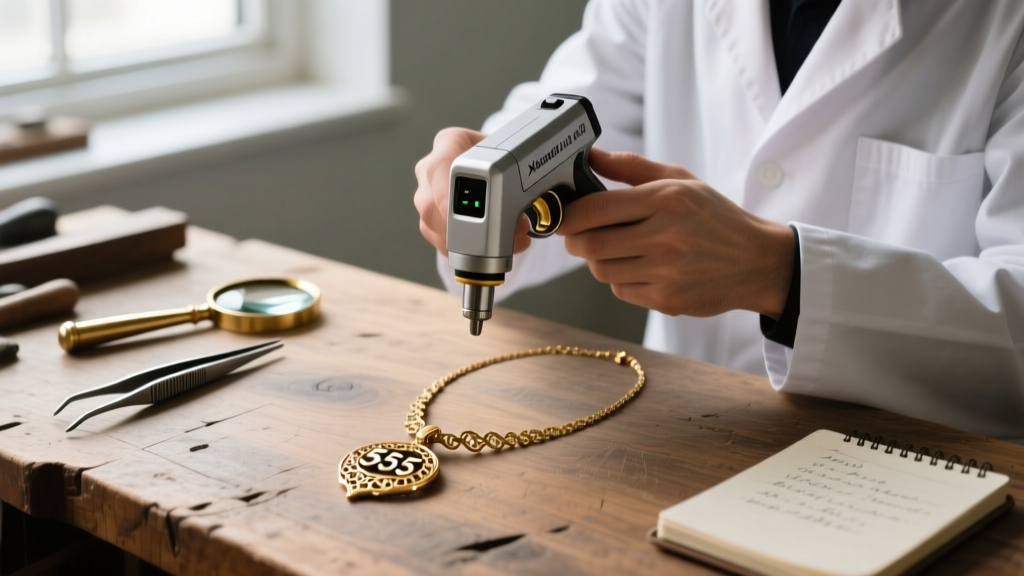
The Fix: Seek out a jeweler equipped with a laser welder. Laser welding uses concentrated pulses of light to fuse metal in a fraction of a second, bypassing the prolonged heat exposure that causes firestain and structural collapse in 555 alloys. If a laser welder is unavailable, the jeweler must heavily coat the piece in a boric acid and denatured alcohol flux solution before torching to inhibit oxygen reach.
How to Verify if Your 555 Necklace is Genuine
As vintage aesthetics have surged in popularity, the market has been flooded with modern, fast-fashion replicas stamped with fake hallmarks. Some manufacturers stamp "555" on zinc-alloy or brass pieces simply as a model number or to mimic European antiques. Here is how to troubleshoot authenticity:
- The Magnet Test: Pure silver and copper are non-magnetic. If your 555 necklace snaps to a neodymium magnet, it contains a high percentage of iron or steel and is a modern fake.
- Acid Testing: Using a standard silver testing kit, apply a drop of 0.900 fineness testing acid (nitric acid and potassium dichromate) to a discreet, filed area of the chain. On genuine 555 silver, the acid will turn a dark brown or greenish-brown. If it turns bright red, it is 925 sterling; if it turns blue or clear, it is base metal plated.
- XRF Analysis: For absolute certainty without damaging the piece, visit a professional appraiser or pawn shop equipped with an X-Ray Fluorescence (XRF) analyzer. As noted by the Gemological Institute of America (GIA), XRF technology provides a non-destructive, exact elemental breakdown of the alloy, instantly confirming the 55.5% silver content.
Final Verdict: Preserving Your 555 Silver
A 555 necklace is a wearable piece of history, but it demands respect for its unique chemical makeup. By abandoning harsh internet cleaning hacks, managing moisture exposure to prevent copper chloride reactions, and insisting on laser welding for repairs, you can preserve the structural integrity and historical patina of your vintage jewelry for decades to come.


