Avon Heart Necklace Authentication & Material Deep Dive
Expert guide to authenticating vintage and modern Avon heart necklaces. Learn hallmark identification, plating grades, and clasp mechanics.

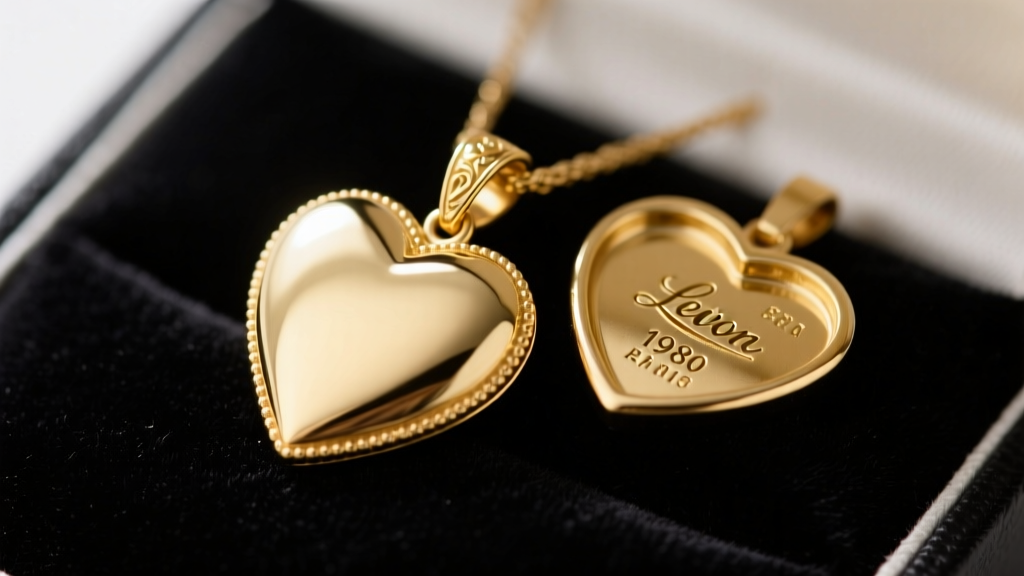
The Metallurgy of Avon Costume Jewelry
When evaluating an Avon heart necklace, understanding the underlying metallurgy is the first step in authentication and grading. Unlike fine jewelry that relies on solid karat gold or sterling silver, Avon’s costume lines predominantly utilize base metal alloys. The most common substrate is Zamac—a zinc-aluminum-magnesium-copper alloy—or standard brass (a copper-zinc alloy). These alloys are chosen for their excellent castability, allowing for the intricate filigree and detailed heart motifs Avon became known for in the 1970s and 1980s.
The gold or silver appearance is achieved through electroplating. According to industry standards documented by National Jeweler, vintage costume pieces typically feature 'flash plating,' which deposits a microscopic layer of gold (often less than 0.5 microns) over a nickel or copper strike layer. Later 1990s and 2000s pieces often received a clear e-coat (electro-coating) to prevent oxidation and extend the lifespan of the thin plating. Identifying the wear patterns on these layers is critical for dating and valuing the piece.

Hallmark Identification & Dating Matrix
The hallmark stamped on the reverse of the heart pendant or the clasp tag is the most definitive authentication marker. Avon's stamping conventions evolved significantly over the decades. As detailed by the Lang Antiques University, tracking these micro-stamps helps narrow down the manufacturing era to a specific decade.
| Era | Hallmark Stamp | Typical Base Metal | Plating Style |
|---|---|---|---|
| 1970s | ©AVON | Pewter / Brass | Matte Gold Electroplate |
| 1980s | AVON | Zamac Alloy | High-Polish Flash Gold |
| 1990s | AVON (with collection name) | Pewter / Brass | E-coated Gold/Silver Tone |
| Collaborations | KJL for AVON / Trifari for AVON | Heavy Brass | Heavy Gold Electroplate (HGE) |
Expert Note: Collaboration pieces, particularly those designed by Kenneth Jay Lane (stamped KJL for AVON), command a massive premium in the 2026 collector's market. Always verify the font of the 'AVON' stamp; counterfeit pieces often feature seriffed or overly thick lettering compared to the crisp, sans-serif stamps used by Avon's official manufacturers.
Heart Pendant Typologies & Structural Vulnerabilities
Avon produced hundreds of heart-themed variations, but they generally fall into three structural categories, each with specific failure modes that collectors must inspect.
1. The Pave Heart
These feature glass or crystal rhinestones set into cast-in-place prongs. Early 1970s pieces often used foil-backed stones glued into the setting. The primary vulnerability here is moisture ingress, which causes the foil backing to oxidize and turn black (a condition known as 'stone death'). Modern pieces use open-back settings with aurora borealis (AB) coated chaton stones, which are far more stable.
2. The Locket Heart
Avon’s heart lockets are notorious for hinge degradation. The hinges are typically constructed from a soft brass tubing crimped around a steel pin. Over time, the dissimilar metals undergo galvanic corrosion, especially if exposed to skin oils and humidity. When inspecting a locket-style Avon heart necklace, always test the tension of the interior latch; a weak latch indicates the internal spring steel has fatigued.
3. The Open / Cut-Out Heart
Structurally the most durable, these rely on negative space rather than moving parts or glued stones. The main issue to look for is casting porosity—tiny pits or holes on the surface of the metal that occurred during the original manufacturing process, which can trap polishing compounds and accelerate localized tarnishing.
Chain Mechanics & Clasp Failure Modes
The chain and clasp assembly of an Avon heart necklace are often the first components to fail. Vintage Avon necklaces predominantly utilize delicate 22-gauge or 20-gauge cable chains. While aesthetically pleasing, these thin chains have a low tensile strength and are prone to snapping at the jump rings.
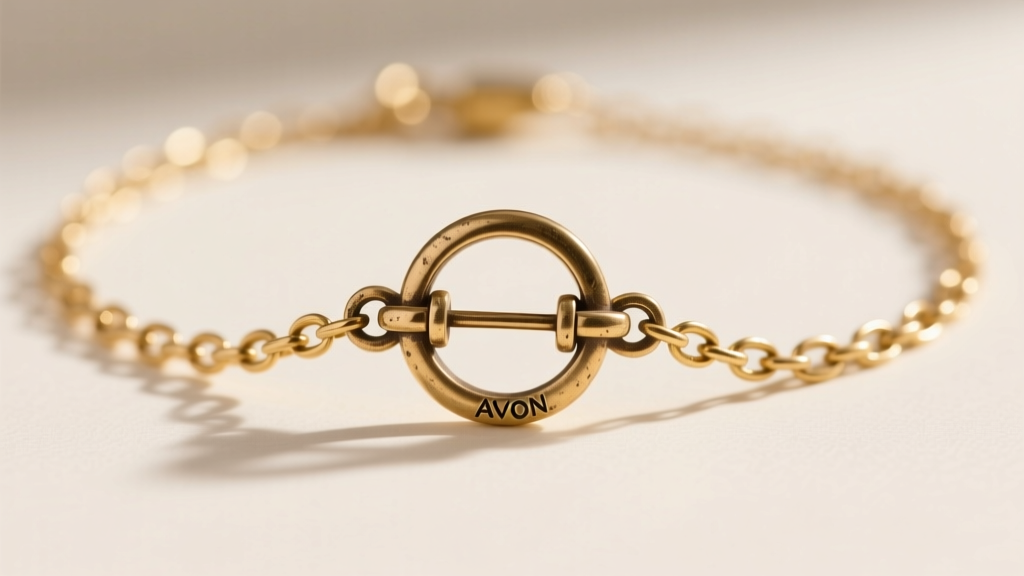
The clasp hardware also evolved. Pieces from the 1970s and 1980s almost exclusively feature spring ring clasps. A common failure mode is the loss of tension in the internal coil spring, causing the clasp to remain open. By the late 1990s, Avon transitioned to lobster claw clasps, which offer superior security but can suffer from lever-arm fatigue. Furthermore, the jump ring connecting the clasp to the chain on vintage pieces is often unsoldered. If the gap in the jump ring has widened beyond 1mm, it requires immediate repair with a jeweler's laser welder to prevent the loss of the pendant.
- Spring Ring Clasps: Check for lateral wobble in the trigger mechanism.
- Lobster Clasps: Ensure the internal return spring provides a sharp, audible 'click' upon closure.
- Jump Rings: Inspect for galvanic corrosion at the seam, which weakens the structural integrity of the wire.
Conservation and Storage Protocols
Proper conservation is essential to preserve both the financial and historical value of your Avon heart necklace. Because these pieces rely on thin electroplating over reactive base metals, traditional silver polishing cloths or ultrasonic cleaners are strictly prohibited. Abrasive compounds will strip the flash plating down to the Zamac or brass substrate in seconds, causing irreversible damage.
For routine cleaning, use a mild, non-detergent soap (such as pure Castile soap) and a soft-bristled makeup brush to gently dislodge sebum and cosmetic residue from the crevices of the heart pendant. Dry immediately with a microfiber cloth. For long-term storage and tarnish prevention, apply a micro-thin layer of microcrystalline wax (such as Renaissance Wax) using a lint-free swab. This creates an inert, oxygen-impermeable barrier that halts oxidation without altering the optical properties of the gold or silver tone. Store the necklace flat in an acid-free, archival-quality polyethylene bag with an activated charcoal anti-tarnish strip to absorb ambient sulfur compounds.
Market Valuation & Collector Insights
As of 2026, the vintage costume jewelry market has seen a resurgence, driven by collectors who appreciate the artistry of mid-century and late-century manufacturing. While a standard 1980s Avon gold-tone heart necklace might trade in the $15 to $35 range, rare collaboration pieces, unworn 'new old stock' (NOS) items with original retail packaging, and pieces featuring intact, unclouded rhinestones can fetch upwards of $150 to $300 at specialized auction houses. Understanding the technical nuances of the metallurgy, hallmarks, and structural integrity is what separates the casual thrift-store flipper from the serious archival collector.


