B Zero1 Necklace Materials: Gold, Ceramic & Diamonds
Explore the material properties of the B zero1 necklace. Compare 18k gold alloys, high-tech ceramics, and diamond pavé for authenticity and care.

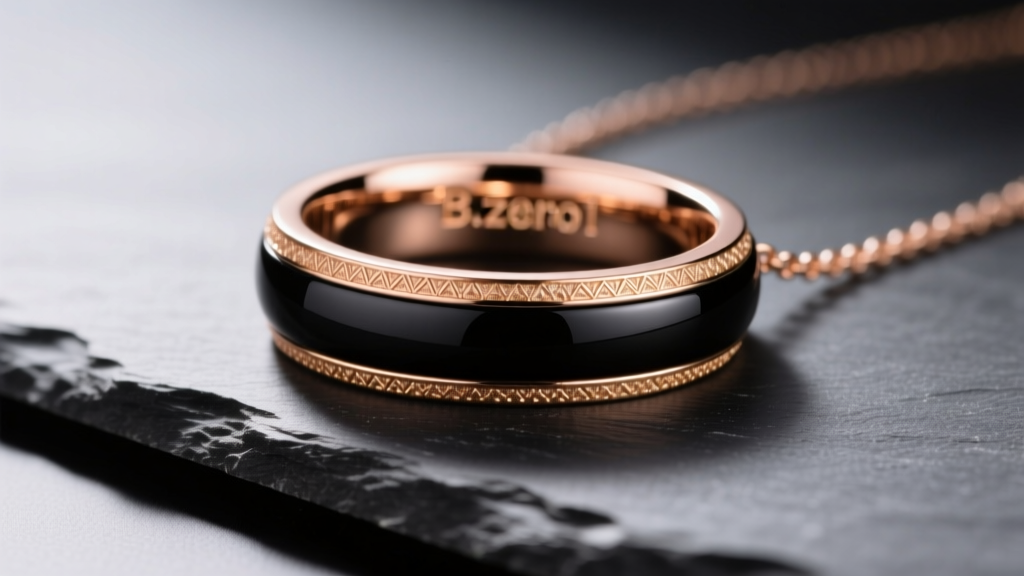
The B zero1 necklace is more than a piece of luxury jewelry; it is an architectural marvel inspired by the sweeping curves of the Roman Colosseum. Since its inception, the collection has been defined by its bold, tubular geometry and its innovative use of contrasting materials. For collectors, investors, and daily wearers alike, understanding the specific metallurgical and mineralogical properties of these materials is essential. In this comprehensive guide, we deconstruct the core materials used in the B zero1 necklace—18k gold alloys, high-tech ceramics, and diamond pavé—to help you make informed decisions regarding authenticity, durability, and long-term care.
The Metallurgy of Bvlgari: 18K Gold Alloys
At the heart of the B zero1 necklace is 18k gold, stamped with the '750' hallmark to denote 75% pure gold content. The remaining 25% consists of alloying metals that dictate the necklace's color, tensile strength, and resistance to deformation. Because the B.zero1 design relies on a spring-like internal mechanism (in older multi-band models) and rigid tubular rails, the alloy must possess high structural integrity.
Yellow Gold: The Classic Balance
Bvlgari’s 18k yellow gold achieves its rich, warm hue through a precise balance of silver and copper. Typically comprising roughly 12.5% silver and 12.5% copper, this alloy provides a Vickers hardness (HV) of approximately 125. This makes it malleable enough for the intricate milling of the outer 'BVLGARI' logo rails, yet rigid enough to maintain the pendant's structural geometry over decades of wear.
Rose Gold: The Copper Ratio
The highly sought-after 18k rose gold variant relies on a higher copper content—often up to 20%—with a smaller fraction of silver. This increased copper not only yields the distinct blush-pink tone but also marginally increases the alloy's tensile strength. However, copper is more reactive than silver, meaning rose gold B zero1 necklaces may develop a subtle patina if exposed to high sulfur environments or harsh cosmetics over time.
White Gold: Rhodium Plating and Wear
To achieve the bright, silvery finish of 18k white gold, Bvlgari alloys pure gold with white metals like palladium and silver. Because the natural color of this alloy is a faintly warm grey, the finished necklace is electroplated with a layer of rhodium (typically 0.75 to 1.0 microns thick). Over years of daily friction against the skin and clothing, this rhodium layer will wear thin, revealing the warmer alloy beneath. Re-plating by a certified jeweler every 3 to 5 years is necessary to maintain the original factory finish.
High-Tech Ceramic: Sintered Zirconium Dioxide
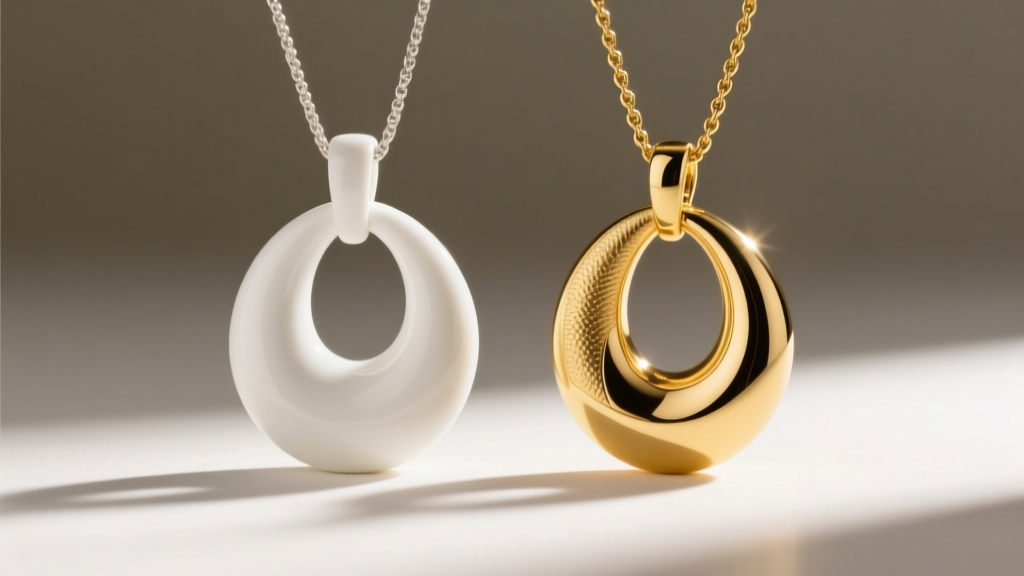
One of the most defining features of the modern B zero1 necklace is its integration of high-tech ceramic. Unlike traditional kiln-fired pottery or fragile enamel, Bvlgari utilizes a zirconium dioxide (ZrO2) based composite. This material is created through a process called sintering, where ceramic powder is compressed and heated to extreme temperatures (up to 1500°C) until it fuses into a dense, non-porous solid.
Hardness and Scratch Resistance
The primary advantage of high-tech ceramic in the B zero1 necklace is its exceptional scratch resistance. On the Vickers hardness scale, 18k gold sits around 125 HV, while sintered zirconium dioxide ceramic boasts a rating of approximately 1200 HV. This means the ceramic bands will not scratch from contact with steel, keys, or everyday surfaces, keeping the black or white bands perpetually pristine. Furthermore, unlike black enamel which can chip or crack upon impact, high-tech ceramic is highly shatter-resistant and completely impervious to UV fading.
Thermal Properties and Weight
Ceramic possesses a lower thermal conductivity than metal, meaning a ceramic B.zero1 pendant will feel distinctly cool to the touch and will not rapidly heat up against the skin in warm weather. Additionally, ceramic is roughly 30% lighter than 18k gold, making the ceramic-hybrid models significantly more comfortable for all-day wear compared to their solid gold counterparts.
Diamond Pavé: Tubular Setting Mechanics
For the diamond-encrusted iterations of the B zero1 necklace, Bvlgari employs brilliant-cut melee diamonds, typically ranging from 0.01 to 0.05 carats per stone. The brand strictly adheres to high gemological standards, generally utilizing diamonds in the F-G color range (colorless to near-colorless) and VVS-VS clarity grades. According to the Gemological Institute of America (GIA), melee diamonds of this caliber ensure maximum light return, which is critical for the tubular, curved surface of the B.zero1 pendant.
Setting diamonds on a curved, tubular band requires advanced micro-pavé techniques. The beads of gold holding each stone must be uniform and perfectly flush to prevent snagging on silk or knitwear. A standard one-band diamond B.zero1 pendant contains approximately 25 to 30 melee diamonds, totaling around 0.25 to 0.30 carats, depending on the exact millimeter width of the band.
Material Comparison Matrix
The following table breaks down the physical properties and market positioning of the primary B zero1 necklace materials as of 2026:
| Material | Vickers Hardness (HV) | Approx. Weight (1-Band) | Price Tier (2026 Est.) | Maintenance Need |
|---|---|---|---|---|
| 18k Yellow/Rose Gold | ~125 HV | 9.0 - 11.0 grams | $2,400 - $2,800 | Polishing every 2-3 years |
| 18k White Gold | ~130 HV | 9.0 - 11.0 grams | $2,600 - $3,000 | Rhodium plating every 3-5 years |
| Gold & Black/White Ceramic | Gold: 125 / Ceramic: 1200 | 6.5 - 8.0 grams | $1,300 - $1,600 | Low (Wipe clean) |
| 18k Gold with Diamond Pavé | ~125 HV (Diamond: 10000) | 9.5 - 11.5 grams | $4,500 - $5,200 | Ultrasonic cleaning (caution) |
Authentication: Reading the Material Hallmarks
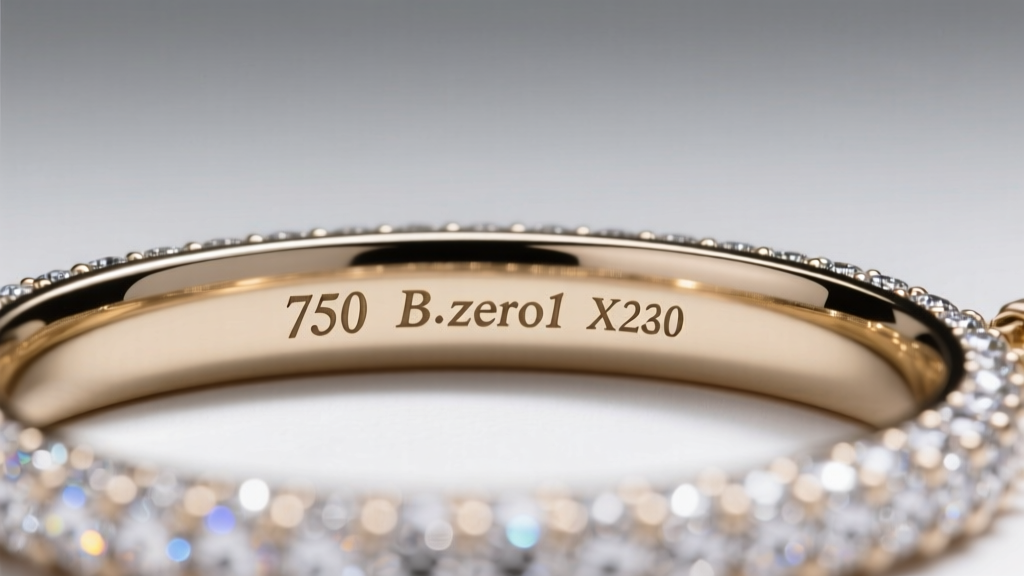
Because the B zero1 necklace is one of the most counterfeited luxury pendants globally, material inspection is a primary authentication vector. Counterfeiters often use gold-plated brass or low-grade steel, which can be identified by weight discrepancies and magnetic testing. A genuine 18k gold B.zero1 pendant will be completely non-magnetic and will exhibit the precise heft of dense precious metal.
Engraving Depth and Font
On an authentic piece, the 'BVLGARI' logo on the outer rails is not merely laser-etched; it is deeply milled or stamped with sharp, clean edges. The spacing between the letters is mathematically uniform. Inside the inner band, you will find the '750' stamp, the 'BVLGARI' hallmark, and a unique serial number (typically a two-letter, four-digit format on modern pieces). According to Bvlgari's official jewelry care and authentication guidelines, these hallmarks should be crisp, with no bleeding or blurred edges, which are common in cast counterfeit molds.
Ceramic Seam Inspection
In ceramic-hybrid models, the transition between the 18k gold rails and the ceramic core must be perfectly seamless. High-tech ceramic is precision-machined to the exact micrometer. If you feel a lip, gap, or visible adhesive line where the gold meets the ceramic, the piece is almost certainly a forgery utilizing painted resin or low-grade enamel inserts.
Longevity and Care Protocols by Material
To preserve the structural and aesthetic integrity of your B zero1 necklace, care routines must be tailored to the specific materials present:
- Full Gold Models: Clean with a soft-bristled brush and mild dish soap in warm water. Avoid harsh chemical dips, which can degrade the copper alloys in rose gold and cause surface pitting.
- Ceramic Models: Ceramic is impervious to chemicals, but the gold rails are not. Wipe the ceramic bands with a microfiber cloth and use a targeted approach for the gold edges. Avoid dropping the pendant on hard tile surfaces; while sintered ceramic is tough, extreme point-impact can cause micro-fractures.
- Diamond Pavé Models: Do not use ultrasonic cleaners on older or heavily worn pavé pieces, as the high-frequency vibrations can loosen the micro-beads of gold holding the melee diamonds. Instead, use a gentle jewelry pen or a soft brush with a specialized diamond cleaning solution to remove sebum buildup from beneath the stones.
By understanding the precise material science behind the B zero1 necklace, you can confidently navigate the secondary market, authenticate your pieces, and ensure your jewelry retains its architectural brilliance for generations.


