The Ultimate Ball Necklace Buying Guide: Styles & Sizing
Discover how to choose the perfect ball necklace. Compare bead diameters, stringing materials, clasp types, and metal ball chain gauges for 2026.

Decoding the Ball Necklace: Strung Spheres vs. Metal Bead Chains
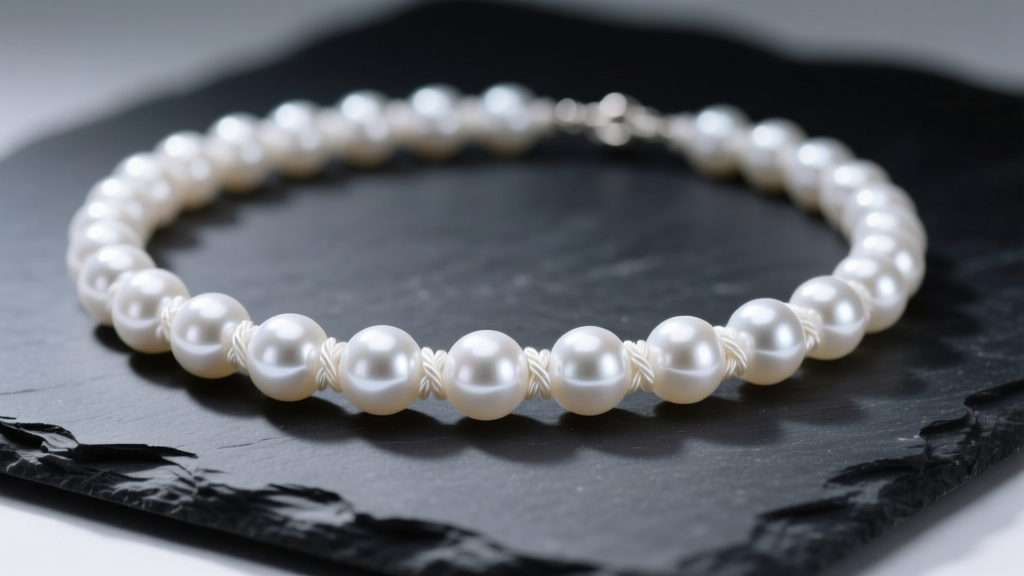
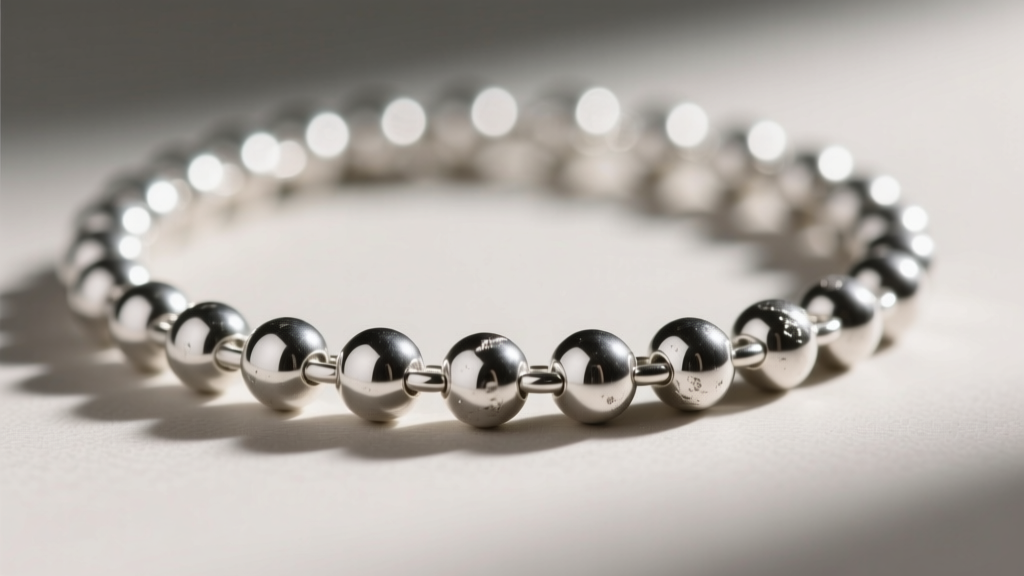
When jewelry enthusiasts and collectors search for a "ball necklace," they are typically referring to one of two distinct structural categories. The first is the strung spherical bead necklace, encompassing pearl strands, gemstone beads, and glass orbs threaded onto silk or wire. The second is the metal ball chain (often called a bead chain), constructed from small metallic spheres connected by short wire links. As we navigate the 2026 jewelry market, understanding the structural and material differences between these two styles is critical for making an informed purchase that balances aesthetics, durability, and value.
Metal ball chains originated in military and industrial applications but have been elevated by contemporary jewelers using solid 14k gold, sterling silver, and platinum. Conversely, strung ball necklaces rely on the precision of the bead drilling, the quality of the stringing medium, and the knotting technique. According to the GIA Gem Encyclopedia, the longevity of any strung bead necklace is entirely dependent on the tensile strength of its core material and the abrasion resistance of the bead holes. This guide will break down exactly what to look for, ensuring your investment withstands daily wear.
The Millimeter Matrix: Choosing the Right Bead Diameter
The diameter of the spheres dictates the drape, weight, and formality of the necklace. A 2mm ball necklace will behave like a delicate liquid chain, while a 10mm strand will sit stiffly and make a bold statement. Below is a comprehensive sizing matrix to help you match the bead diameter to your intended use case.
| Bead Diameter | Visual Drape & Weight | Best Use Case & Neckline Pairing | Typical Stringing Requirement |
|---|---|---|---|
| 2mm - 3mm | Fluid, lightweight, lays flat against the collarbone. | Everyday layering, V-necks, office wear. | Size 0 silk or 7-strand micro wire. |
| 4mm - 6mm | Classic drape, moderate weight, versatile movement. | Standalone statement, crew necks, bridal. | Size 2 silk or 19-strand nylon-coated wire. |
| 7mm - 9mm | Heavy, structured, sits prominently on the décolletage. | Formal events, evening wear, scoop necks. | 49-strand heavy wire or double-knotted Size 4 silk. |
| 10mm+ | Rigid, bold, chunky, requires structural support. | High-fashion editorial, minimal clothing. | Stainless steel cable or heavy-gauge nylon cord. |
For metal ball chains, the sizing scale is slightly different. A 1.5mm to 2.5mm metal bead chain is ideal for holding lightweight pendants or wearing as a subtle choker. Chains measuring 4mm to 6mm are substantial enough to be worn alone as a masculine or gender-neutral statement piece, provided the connecting links are soldered rather than merely crimped.
Stringing Materials & Structural Integrity
The unseen core of a strung ball necklace is just as important as the beads themselves. In 2026, advanced synthetic threads and multi-strand wires have largely replaced traditional single-strand methods for heavy gemstones, though pure silk remains the gold standard for high-end pearls.
The Knotting Debate: To Knot or Not to Knot?
For pearl and soft gemstone ball necklaces (like opals or emeralds), individual knotting between each bead is non-negotiable. Knotting serves two vital purposes: it prevents the beads from rubbing against each other (which degrades the nacre or polish), and it ensures that if the strand breaks, you only lose a single bead rather than the entire necklace. However, knotting adds significant labor costs and slightly increases the overall length and stiffness of the strand.
"Always inspect the drill holes of a gemstone ball necklace. If the edges are sharp and unpolished, they will eventually saw through a silk thread or nylon-coated wire, leading to catastrophic strand failure."
For harder gemstones like quartz, onyx, or sapphire, jewelers often use Beadalon 49-strand stainless steel wire coated in nylon. This wire offers the drape of silk but the tensile strength of steel, resisting kinking and snapping under the heavy weight of 8mm+ stone beads. When buying a metal ball chain, ensure the spheres are seamlessly soldered. Unsoldered ball chains will easily pull apart if caught on clothing, a common failure mode in fast-fashion jewelry.
Clasp Mechanics for Spherical Strands
The clasp on a ball necklace must balance security with ease of use, especially since spherical beads can roll and tangle when placed on a surface. The traditional spring-ring clasp is often inadequate for heavier strands, as the small soldered jump ring can warp under tension.
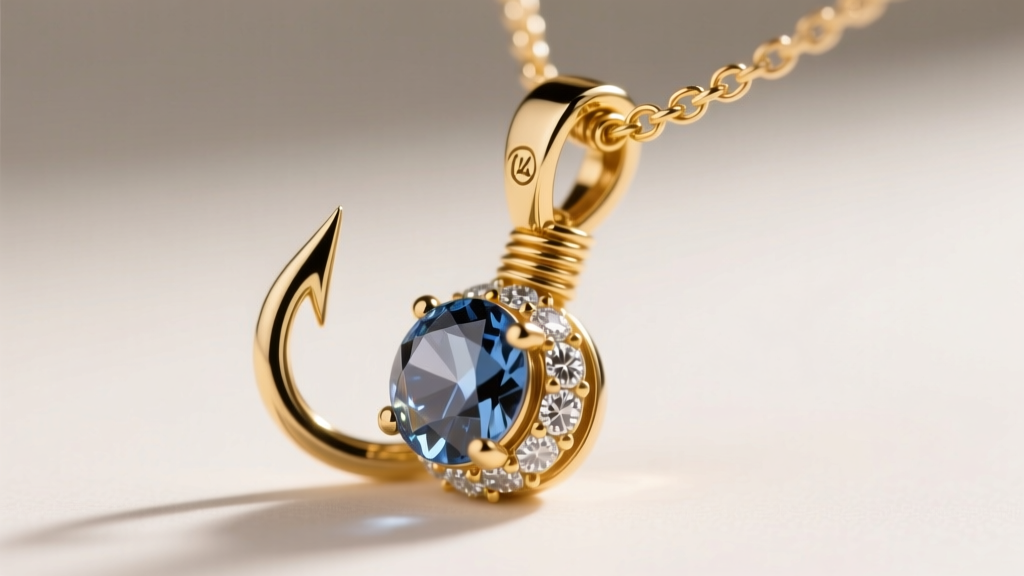
- The Fishhook Clasp: The premier choice for pearl and high-end gemstone ball necklaces. It features a hook that slides into a decorative barrel or oval box, secured by a tension latch and a secondary figure-eight safety catch. It distributes weight evenly and hides the mechanism within the design.
- Magnetic Clasps: Highly popular in 2026 for accessibility and ease of use. However, ensure the magnets are encased in solid metal with a secondary locking mechanism (like a twist-lock or safety chain). Rare-earth neodymium magnets are strong, but a sudden sideways yank can separate them.
- Toggle Clasps: Ideal for heavy, chunky 10mm+ ball necklaces or thick metal bead chains. The T-bar must be at least 20% wider than the interior diameter of the receiving ring to prevent accidental slipping.
Freshwater vs. Saltwater: A Note on Pearl Ball Necklaces
If your target is a pearl ball necklace, understanding the origin is crucial for pricing and longevity. According to the GIA Pearl Quality Factors, saltwater Akoya pearls offer superior luster and perfect roundness, making them the traditional choice for classic strands. However, modern Edison freshwater pearls have narrowed the quality gap significantly, offering near-perfect spheres with metallic overtones at a fraction of the cost.
When examining a pearl ball necklace, look for "matching." A high-quality strand will feature beads that are uniform in diameter (within 0.2mm of each other), body color, and overtone. Jewelers achieve this by sorting thousands of pearls, a labor-intensive process that justifies the premium price of fine strands.
2026 Pricing Tiers & Value Indicators
Navigating the pricing landscape requires an understanding of material costs versus craftsmanship. Use this framework to evaluate if a ball necklace is priced fairly:
- $50 - $150 (Entry-Level): Expect glass beads, synthetic pearls, or semi-precious stones like dyed agate. Metal ball chains in this tier will be hollow, unsoldered, and plated over brass. Stringing will likely be basic monofilament or cotton thread.
- $300 - $800 (Mid-Tier / Artisan): High-quality freshwater pearls, genuine unheated gemstones (garnet, lapis lazuli), and solid sterling silver or 14k gold-filled metal ball chains. Strands will be individually knotted with French wire (bullion) protecting the silk at the clasp.
- $1,500 - $5,000+ (Fine Jewelry): Saltwater Akoya or South Sea pearls, premium ruby or sapphire beads, and solid 14k/18k gold soldered ball chains. You are paying for exceptional luster, precise calibration of bead sizes, and master-level stringing techniques.
Final Verdict: Matching the Necklace to Your Lifestyle
A ball necklace is a masterclass in geometric simplicity, but its execution dictates its lifespan. For daily wearers who prioritize durability, a solid 14k gold soldered metal ball chain or a gemstone strand strung on 49-strand nylon-coated wire is the most pragmatic choice. For collectors and formal occasions, a hand-knotted Akoya pearl strand with a secure fishhook clasp remains an unmatched heirloom investment. Always inspect the drill holes, test the clasp tension, and verify the stringing material before purchasing. By focusing on these structural details, you ensure your necklace remains a staple in your collection for decades to come.


