Ballet Shoe Necklace Repair: Fixing Ribbons, Bows & Tarnish
Learn how to troubleshoot and repair common ballet shoe necklace issues, from frayed ribbons and broken bows to stubborn alloy tarnish.

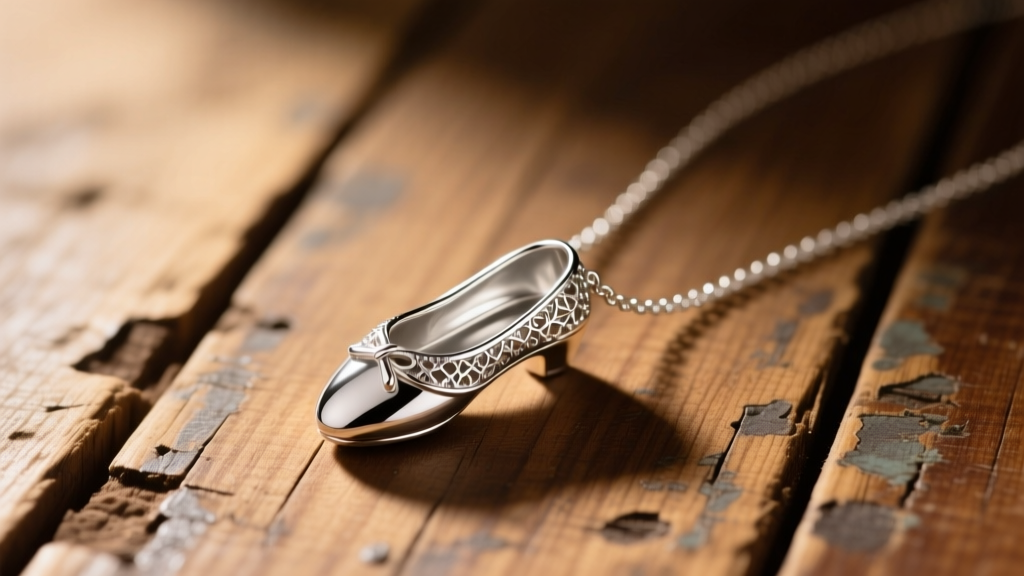
For dancers and dance enthusiasts, a ballet shoe necklace—specifically a replica of a pointe shoe—is more than just an accessory; it is a badge of honor and a symbol of years of grueling studio work. However, because these pendants mimic the intricate, delicate anatomy of a real pointe shoe (complete with tiny ribbons, elastic loops, and shank detailing), they are notoriously fragile. If you have ever pulled your favorite dance jewelry from your pouch only to find the ribbon loop snapped or the metal tarnished beyond recognition, you are not alone.
In this comprehensive troubleshooting guide, we will diagnose the most common structural and material failures of ballet shoe pendants and provide professional, bench-level repair techniques to restore them.
Diagnosing Common Ballet Shoe Pendant Failures
Before attempting a repair, it is crucial to understand why these specific charms fail. The anatomy of a pointe shoe charm directly dictates its weak points.
The 'Snapped Ribbon' Syndrome
Real pointe shoes rely on thick satin ribbons for ankle support. In jewelry, these ribbons are often cast as ultra-thin loops of metal extending from the heel or vamp of the shoe. Because they protrude outward and lack structural backing, they easily catch on leotards, terry-cloth towels, or dance bags. When caught, the sheer leverage applied to the thin metal loop usually results in a clean shear at the solder joint or a snap at the cast base.
Asymmetrical Weight and Chain Knotting
A ballet shoe is inherently asymmetrical; the toe box (vamp) is significantly wider and heavier than the heel. When strung on a standard cable chain, this uneven weight distribution causes the pendant to constantly slide to one side. As the heavy toe box pulls the chain through the bail, the chain links twist upon themselves, leading to microscopic knotting that eventually weakens and snaps the chain.
Material Grade Breakdown: Why Your Pendant Tarnished
Not all ballet shoe necklaces are created equal. Many novelty dance pendants are manufactured using base metals that react poorly to the acidic environment of a dancer's skin (sweat). Below is a breakdown of common materials and their specific failure modes.
| Material Grade | Typical Price Range | Tarnish & Corrosion Risk | Repairability |
|---|---|---|---|
| Zamak (Zinc Alloy) | $10 - $25 | High. Turns skin green; develops a white, powdery oxidation that pits the surface. | Poor. Cannot be traditionally soldered; requires cold connections or epoxy. |
| 925 Sterling Silver | $45 - $120 | Moderate. Develops black silver sulfide tarnish, especially in the intricate ribbon crevices. | Excellent. Can be soldered, polished, and professionally refinished. |
| Gold Vermeil (Silver Base) | $60 - $150 | Low to Moderate. The gold layer protects the silver, but friction from the chain bail will wear it away over time. | Good. Requires careful polishing to avoid stripping the gold layer. |
| Enameled Brass | $20 - $40 | Low (if enamel is intact). If chipped, the exposed brass will quickly oxidize and turn green. | Moderate. Enamel chips cannot be easily repaired at home. |
According to the Gemological Institute of America (GIA), porous base metals like Zamak should never be cleaned with harsh chemical dips, as the chemicals will seep into the microscopic pores and accelerate internal degradation.
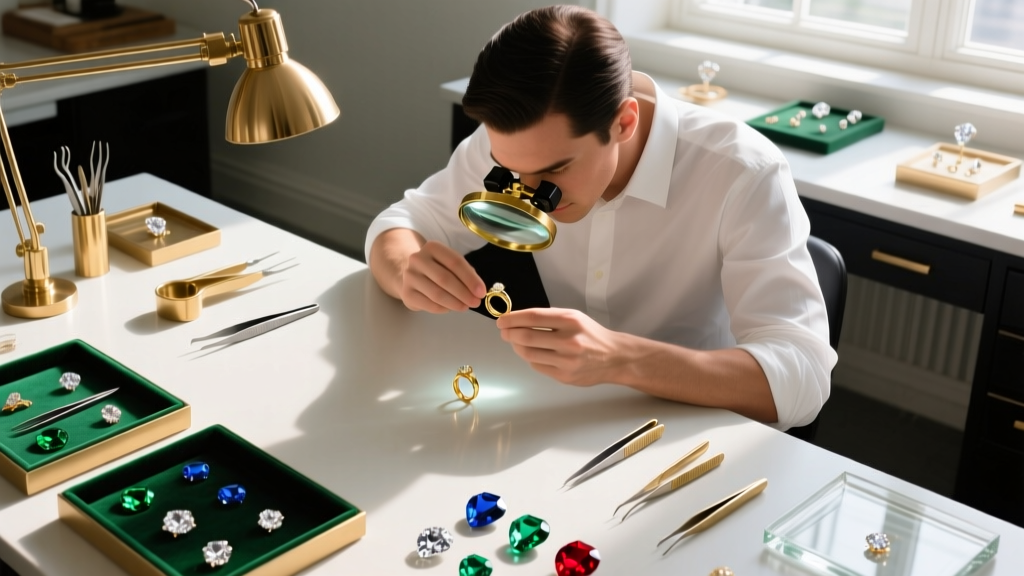
Step-by-Step Troubleshooting & DIY Repairs
When your favorite pointe shoe charm breaks, avoid the urge to reach for standard household superglue. Here is how to properly address the most frequent issues.
Reattaching a Broken Pointe Shoe Ribbon
The biggest mistake consumers make when fixing a broken jewelry ribbon loop is using cyanoacrylate (commonly known as Superglue). As cyanoacrylate cures, it releases vapors that settle on the surrounding metal and gemstones, creating a permanent, cloudy white film known as 'blooming.' This will completely ruin the polished finish of your ballet shoe.
The Professional Fix: Use a specialized jeweler's adhesive like G-S Hypo Cement or a two-part clear epoxy.
- Clean both the broken ribbon loop and the attachment point on the shoe with a cotton swab dipped in isopropyl alcohol to remove skin oils.
- Apply a microscopic dot of G-S Hypo Cement to the joint using the needle applicator.
- Use a pair of fine-tipped tweezers to hold the loop in place for 60 seconds.
- Allow the piece to cure undisturbed on a flat surface for a full 24 hours before wearing.
Removing Tarnish from Intricate Shoe Crevices
Pointe shoe charms feature criss-cross ribbon detailing and tiny bow knots that a standard silver polishing cloth simply cannot reach. If your 925 sterling silver shoe has turned black in the crevices, you need to use an electrochemical reaction rather than abrasion.
The Aluminum Foil Bath Method:
- Line a small glass bowl with aluminum foil, shiny side facing up.
- Place your tarnished silver ballet shoe pendant on the foil.
- Sprinkle one tablespoon of baking soda and one tablespoon of kosher salt over the pendant.
- Pour boiling water into the bowl until the pendant is fully submerged. You will see bubbles and smell sulfur—this is the silver sulfide (tarnish) transferring from the jewelry to the aluminum foil.
- Leave it for 3 to 5 minutes, then remove with wooden tongs, rinse in distilled water, and pat dry with a microfiber cloth.
For more advanced metal care and ultrasonic cleaning warnings, professional jewelry suppliers like Rio Grande advise against using ultrasonic cleaners on oxidized or enameled dance jewelry, as the high-frequency vibrations can shatter delicate cast details.

Solving the 'Off-Center' Chain Problem
If your ballet shoe necklace constantly slides to the side, causing the chain to knot and the pendant to flip upside down, you are dealing with a bail-to-chain ratio issue combined with asymmetrical weight.
To troubleshoot this, you must introduce friction to the chain without damaging the metal. The most effective solution is to thread a silicone pendant stabilizer bead (often sold as 'O-rings' or 'chain stoppers') onto the chain directly behind the pendant's bail. This tiny, invisible piece of silicone grips the chain links, preventing the heavy toe box from pulling the chain through the bail and keeping the pointe shoe perfectly centered on your collarbone.
Preventative Maintenance for Dance Jewelry
To ensure your ballet shoe necklace survives the rigors of dance life, adopt these specific storage and wearing habits:
- The 'Leotard First' Rule: Always put your dance jewelry on after you have changed into your leotard and styled your hair. Taking off a tight leotard over your head is the number one cause of snagged ribbon loops and broken chains.
- Sweat Mitigation: Sterling silver and gold vermeil will degrade rapidly when exposed to the high pH of studio sweat. Remove your necklace before rehearsal and wipe it with a dry, lint-free cloth before storing.
- Hardcase Storage: Never throw a ballet shoe pendant into a soft velvet pouch where it can be crushed against heavier items. Store it in a rigid, compartmentalized jewelry box to protect the protruding bow and heel details.
By understanding the metallurgy and structural vulnerabilities of your dance jewelry, you can easily troubleshoot common failures and keep your pointe shoe necklace looking as flawless as your technique.


