A Beginner's Guide to Buying a Classic St John Necklace
Discover everything a beginner needs to know about the St John necklace, from authenticating vintage pieces to styling luxury fashion jewelry.

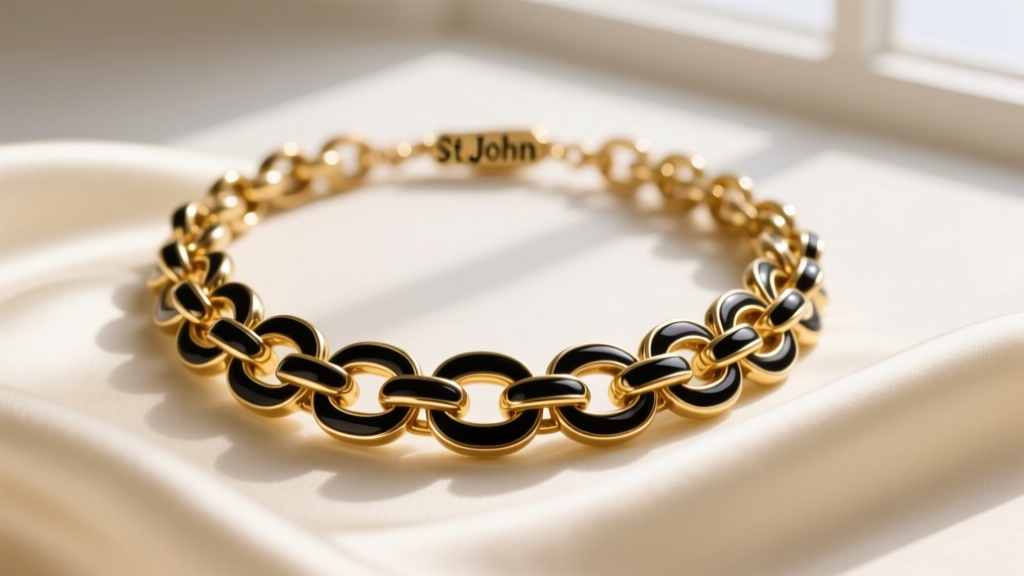
The Heritage of St. John Fashion Jewelry
When beginners enter the world of luxury fashion jewelry, the St John necklace often emerges as a highly coveted piece. Founded in 1962 by Robert and Marie Gray, St. John Knits began as a premium American womenswear brand famous for its elegant knit dresses. To complement these sophisticated garments, the brand introduced a line of couture-level fashion jewelry. Unlike fine jewelry, which relies on the intrinsic value of solid gold and precious gemstones, St. John jewelry is celebrated for its bold architectural designs, substantial weight, and European-inspired opulence. According to the St. John Knits Official Heritage archives, the jewelry was specifically engineered to sit perfectly against the brand's signature Milano knit fabrics, requiring pieces with enough visual weight and physical heft to not get lost in the textile's texture.
Decoding the Materials: What is a St John Necklace Made Of?
A common misconception among beginners is that vintage St. John pieces are solid gold due to their rich color and heavy drape. In reality, they are masterclasses in high-end fashion jewelry manufacturing. Understanding the material composition is critical for setting proper expectations and care routines.
- Base Metals: Authentic vintage pieces primarily use jeweler's brass or high-grade pewter. These alloys are chosen for their density, allowing the necklaces to have a luxurious, heavy drape without the prohibitive cost of solid precious metals.
- Plating Thickness: While standard fast-fashion jewelry uses a 'flash' plating of less than 0.5 microns, vintage St. John necklaces often feature 2 to 3 microns of 18k or 22k gold-tone plating. This thick layer is what gives older pieces their enduring, buttery gold luster that resists fading for decades.
- Enamel and Accents: The brand frequently utilizes vitreous (glass-based) enamel in deep blacks, rich burgundies, and navy blues. Later eras incorporated high-grade cold enamel, Swarovski crystals, and hand-knotted faux pearl strands.
How to Authenticate a Vintage St John Necklace
Because the secondary market for vintage St. John is vast, authentication is a vital skill. Counterfeiters often produce lightweight, hollow alloys with thin plating that quickly turns green. When evaluating a vintage piece on the resale market, use this four-point expert checklist:
1. The Weight and Drape Test
Authentic St. John collars and link necklaces possess a distinct, substantial heft. If a chunky gold-tone link necklace feels surprisingly light or hollow, it is likely a modern reproduction using cheap zinc alloys. The links should move fluidly but with a heavy, deliberate swing.
2. Hallmarks and Signatures
Look for the brand's hallmark. On 1980s and 1990s pieces, you will typically find the words 'St. John' or the interlocking 'S' logo. This is either deeply stamped into the back of the pendant, engraved on a custom metal hangtag attached to the clasp, or molded into the resin of a faux pearl.

3. Clasp and Hardware Quality
St. John rarely used cheap fold-over clasps on their premium lines. Expect to see sturdy, spring-loaded lobster claws, custom box clasps with figure-eight safety catches, or heavy-duty spring rings. The soldering points where the jump rings meet the clasp should be smooth, flush, and free of messy glue or rough welding.
4. Stone Setting and Enamel Borders
In authentic pieces, rhinestones and crystals are typically prong-set or bezel-set into the metal, not merely glued into shallow recesses. Furthermore, the enamel work should be perfectly flush with the surrounding metal borders (cloisonné style), with no bleeding, bubbling, or sloppy overpainting.
Iconic Motifs and Eras: A Quick Reference Table
The design language of the St John necklace has evolved over the decades. Use this table to identify the era of a piece you are considering purchasing.
| Era | Defining Motifs | Typical Materials | Current Resale Value Range |
|---|---|---|---|
| 1980s | Maltese crosses, lion heads, Byzantine links, large cabochons | Heavy brass, thick 22k gold-tone plating, vitreous enamel | $120 - $350 |
| 1990s | Interlocking S, faux pearls, floral clusters, coin motifs | Pewter bases, 18k gold-tone, rhodium accents, resin pearls | $80 - $200 |
| 2000s-Present | Geometric shapes, crystal pavé, sleek collars, minimalist bars | Mixed alloys, Swarovski crystals, cold enamel, mixed metals | $60 - $150 |
Styling Your St John Necklace for Modern Wardrobes
The bold, maximalist nature of 1980s and 1990s St. John jewelry can feel intimidating to beginners accustomed to delicate, minimalist chains. The secret to styling these statement pieces in the 2020s lies in the 'Rule of Proportions' and intentional contrast.
Matching Necklines to Necklace Lengths
St. John necklaces are designed to sit on the fabric, not against bare skin. A 16-inch choker or 18-inch princess-length collar works beautifully over a high-necked silk blouse or a fine-gauge cashmere turtleneck. For deep V-necks or scoop necks, opt for a 24-inch opera-length pendant or a multi-strand matinee necklace that mirrors the angle of the neckline.

The Modern Contrast Technique
To prevent a vintage gold-tone collar from looking dated or costume-like, pair it with modern, structured tailoring. A heavy, enameled St. John Maltese cross pendant looks incredibly chic when layered over a crisp, oversized white poplin button-down shirt or a sharp, charcoal wool blazer. Avoid pairing heavy gold fashion jewelry with bohemian, unstructured fabrics, which can make the overall look feel cluttered.
Care and Maintenance for Gold-Plated Fashion Jewelry
Because these pieces rely on thick metal plating rather than solid gold, improper care can strip the finish or cloud the enamel. Follow these strict maintenance protocols to preserve your investment:
- The 'Last On, First Off' Rule: Always apply your perfumes, hairsprays, and lotions before putting on your necklace. The alcohol and chemicals in cosmetics can rapidly degrade gold-tone plating and cause cold enamel to crack or cloud.
- Proper Cleaning: Never use ultrasonic cleaners, silver dips, or abrasive polishing cloths on fashion jewelry. Instead, use a soft, dry microfiber cloth to gently buff away skin oils after each wear. For stubborn dirt, use a slightly damp cloth with a drop of mild, phosphate-free dish soap, and dry immediately.
- Storage: Store your necklaces flat or hung individually in anti-tarnish flannel pouches. Never toss multiple heavy link necklaces into a single jewelry box drawer, as the friction will scratch the plating and crush delicate enamel accents.
Final Thoughts for the Beginner Collector
Investing in a St John necklace is an exercise in appreciating mid-century and late-century American luxury. By focusing on material weight, verifying hallmarks, and styling these bold pieces with modern tailoring, beginners can build a sophisticated jewelry wardrobe that bridges the gap between vintage glamour and contemporary elegance. Whether you are hunting for an 80s Byzantine link collar or a sleek 90s faux pearl strand, understanding the brand's DNA ensures you will recognize quality the moment you hold it in your hands.


