Baltic Amber Teething Necklace: 2026 Baby Shower Gift Guide
Gifting a Baltic amber teething necklace? Discover 2026 safety guidelines, authentic succinic acid testing, and parent-worn alternatives for baby showers.

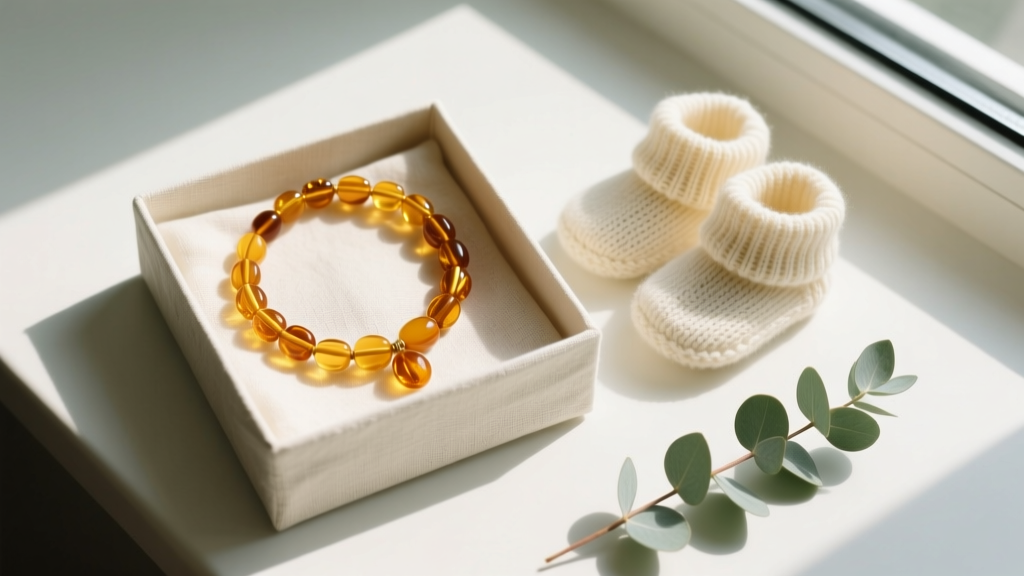
The Allure and the Controversy: Gifting Amber in 2026
When it comes to baby shower gifts and first birthday presents, few items spark as much debate and fascination as the Baltic amber teething necklace. For centuries, Baltic amber—fossilized tree resin from the prehistoric forests of the Baltic Sea region—has been revered in European folk medicine. Proponents claim that when worn against the skin, the amber warms and releases trace amounts of succinic acid, a natural analgesic that soothes inflamed gums during the grueling teething phase.
However, as we navigate the gifting landscape of 2026, modern jewelers and pediatric experts must address the elephant in the room: safety. While the aesthetic appeal of honey, lemon, and cognac amber beads is undeniable, gifting a traditional baby-worn teething necklace requires a deep understanding of both gemological authenticity and stringent pediatric safety guidelines. This guide will equip you with the expertise to gift Baltic amber responsibly, ensuring your present is both beautiful and safe.
The Safety Reality: What Every Gifter Must Know
Before purchasing any teething jewelry for an infant, it is critical to understand the stance of leading medical organizations. The American Academy of Pediatrics (AAP) strongly advises against the use of teething necklaces, bracelets, and anklets due to the severe risks of strangulation and choking. Similarly, the U.S. Food and Drug Administration (FDA) has issued explicit warnings regarding these products, noting that beads can break off and become a fatal airway obstruction.
"As a jewelry expert, my mandate is to prioritize safety without dismissing the rich cultural and aesthetic traditions of amber. The key to gifting Baltic amber in 2026 is pivoting away from infant-worn necklaces and toward supervised, parent-worn, or modified sensory alternatives."
Does this mean you shouldn't gift Baltic amber? Absolutely not. Baltic amber is a stunning, lightweight, and historically significant organic gemstone. The secret lies in how you gift it and the specific construction of the piece you choose.
Gemology 101: Sourcing Authentic Succinite
The market is flooded with counterfeit amber. Copal (immature, semi-fossilized resin) and dyed plastics are frequently passed off as genuine Baltic amber. True Baltic amber, known gemologically as Succinite, contains between 3% and 8% succinic acid. When shopping for a high-quality gift, look for sellers who source directly from Lithuania or Poland and provide certificates of authenticity.
How to Verify Authenticity
If you are buying from an artisan or a boutique, you can verify the material using methods endorsed by the Gemological Institute of America (GIA):
- The Saltwater Test: Genuine Baltic amber has a specific gravity of 1.05 to 1.10. It will sink in fresh water but float in a saturated saltwater solution (1 part salt to 2.5 parts water). Plastics and copal will typically sink.
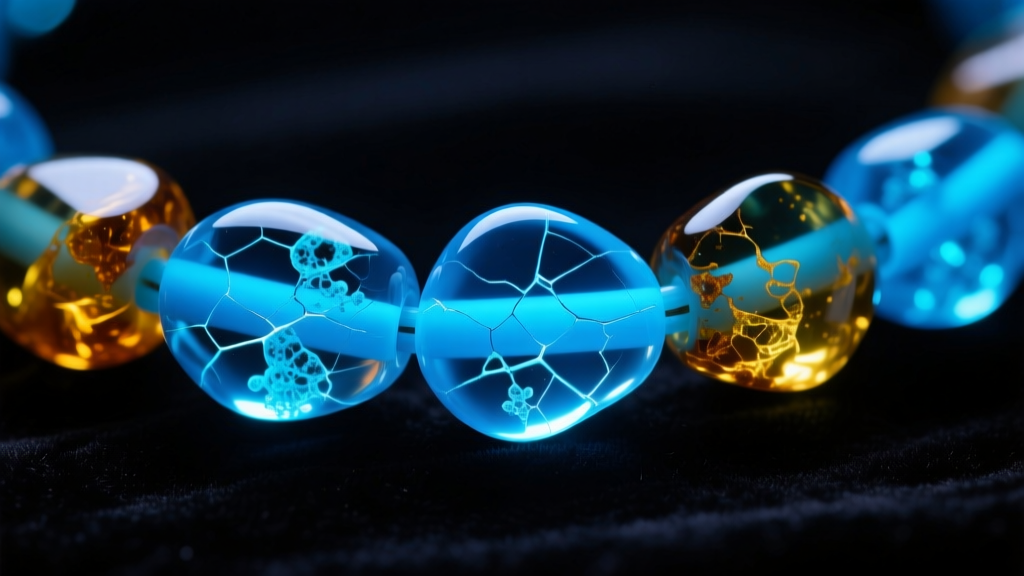
- The UV Fluorescence Test: Under a standard ultraviolet blacklight, authentic Baltic amber exhibits a distinct, bright fluorescent blue or greenish-blue glow. Copal glows a dull white, and plastic shows no fluorescence.
- The Static Test: Rubbing genuine amber vigorously against a natural wool cloth generates a static charge, allowing it to pick up small pieces of tissue paper.
Hardware and Construction: The Non-Negotiables
If you are purchasing a piece of amber jewelry that will ever be in the vicinity of a child, the hardware must meet rigorous safety standards. A standard jewelry clasp is entirely unacceptable for infant or nursing jewelry.
| Feature | Standard Jewelry | Safe Amber Teething/Nursing Jewelry |
|---|---|---|
| Clasp Type | Lobster claw or spring ring | Pop-open barrel safety clasp |
| Breakaway Force | Withstands 15+ lbs of pull | Engineered to snap open at 5-7 lbs of pressure |
| Stringing Method | Continuous wire or single thread | Individually knotted between every single bead |
| Bead Size | Varies widely (often 8mm+) | Small, uniform rounds (approx. 4mm - 5mm) |
The individual knotting is a vital safety feature. If the cotton or silk cord snaps under pressure, the knotting ensures that only a single 4mm bead is released, drastically minimizing the choking hazard compared to a continuous string where dozens of beads would scatter.
The 2026 Pivot: Safe Ways to Gift Baltic Amber
To honor the tradition of gifting amber for teething while strictly adhering to modern pediatric safety guidelines, consider these three expert-approved alternatives for your baby shower or first birthday gift.
1. The Parent-Worn Nursing Necklace
This is the gold standard for safe amber gifting. A nursing necklace is designed to be worn by the mother or caregiver, not the baby. Measuring between 36 and 42 inches in length, it rests safely against the parent's chest during nursing or bottle-feeding. The infant can safely reach out, touch, and gently chew on the large, securely knotted amber beads while being held, providing sensory stimulation and proximity to the succinic acid without the strangulation risk of a baby-sized necklace.

2. Baltic Amber Anklets (Worn Under Clothing)
If the parents are set on the baby wearing the amber, an anklet is a widely accepted compromise in the amber community. When worn securely on the ankle and tucked beneath a sock or footed pajama, the risk of the infant pulling it to their mouth is virtually eliminated. Ensure the anklet features a soft, stretch-free cord and a secure, child-proof barrel clasp.
3. Sensory Wristlets for Caregivers
Similar to the nursing necklace, a Baltic amber wristlet worn by the parent provides a safe, chewable surface for the baby during tummy time or cuddling. These are often crafted with larger, polished amber stones and food-grade silicone spacers for dual-texture sensory relief.
Gifting Etiquette: The Importance of the Safety Card
When presenting a Baltic amber teething necklace or nursing alternative at a baby shower, the presentation is just as important as the piece itself. In 2026, responsible gifting means providing education alongside the aesthetic.
Always include a safety instruction card. This card should explicitly state:
- The jewelry is not a toy and should never be used for unsupervised chewing.
- Infants should never sleep while wearing any jewelry.
- For traditional baby-sized necklaces, include a gentle, printed summary of the AAP guidelines, suggesting the parents transition the piece to a parent-worn nursing necklace or keep it as a keepsake until the child is older.
Final Verdict for the Modern Gifter
A Baltic amber teething necklace remains a deeply meaningful, culturally rich, and visually stunning gift for new parents. The warm, sunlit hues of raw and polished succinite carry a weight of history that mass-produced plastic teethers simply cannot match. By prioritizing authentic Lithuanian sourcing, demanding pop-open safety clasps with individual knotting, and pivoting toward parent-worn nursing designs, you can confidently gift a piece of jewelry that bridges ancient tradition with modern pediatric safety. When chosen with an expert's eye and gifted with a safety-first mindset, Baltic amber becomes a cherished heirloom rather than a hazard.


