2026 Gift Guide: Choosing a Safe Baltic Teething Necklace
Gifting a Baltic teething necklace? Learn crucial safety standards, authenticity tests, and AAP guidelines to make an informed, responsible choice.

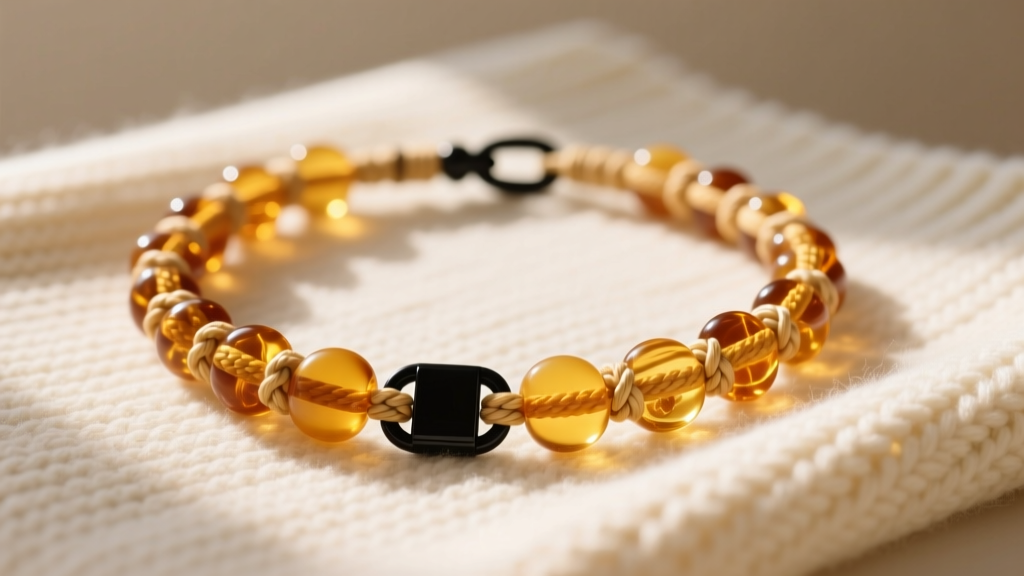
The Gifting Dilemma: Tradition Meets Modern Safety Standards
When searching for the perfect baby shower or first birthday gift, a Baltic teething necklace often tops the list for its blend of natural beauty, historical tradition, and aesthetic appeal. Crafted from fossilized tree resin dating back 44 million years to the Eocene epoch, Baltic amber (Succinite) has been used in European folk medicine for centuries. Proponents claim that when worn against the skin, the warmth of the body releases trace amounts of succinic acid, a natural analgesic that soothes inflamed gums.
However, as we navigate the 2026 gifting season, it is imperative for jewelry enthusiasts and gift-givers to balance this rich tradition with modern pediatric safety standards. Gifting a teething necklace is no longer just about picking the prettiest honey-colored beads; it requires a deep understanding of material authenticity, structural engineering, and harm reduction. This guide will walk you through the critical safety warnings, how to spot counterfeit amber, and the responsible gifting etiquette expected of informed buyers today.
Understanding the Medical Consensus: Heeding the Warnings
Before purchasing a Baltic teething necklace as a gift, you must be aware of the medical consensus regarding teething jewelry. Both the American Academy of Pediatrics (AAP) and the U.S. Food and Drug Administration (FDA) strongly advise against the use of teething necklaces. The primary concerns are twofold: strangulation and choking. According to the FDA's official consumer safety alerts, necklaces worn by infants pose a severe risk if they become snagged on a crib or play equipment, or if the string breaks and beads are aspirated.
As an expert gifter, ignoring these warnings is irresponsible. However, many parents still choose to use amber jewelry under strict supervision or in alternative ways. If you are determined to gift Baltic amber, your focus must shift entirely to harm reduction, premium safety features, and rigorous authenticity verification.
How to Verify Authentic Baltic Amber (Succinite)
The market is currently flooded with counterfeit amber. Unscrupulous manufacturers often sell Copal (immature, sub-fossilized resin that is only a few hundred years old) or dyed plastics masquerading as Baltic amber. Copal lacks the high succinic acid content of true Baltic amber and will melt or become sticky when exposed to body heat or friction. When gifting, you must ensure the piece comes with a certificate of authenticity from a recognized body, such as the International Amber Association (IAA).

The 3-Point Authenticity Test
If you are evaluating a necklace in a boutique or verifying one upon delivery, use this quick reference table to ensure you are gifting genuine Succinite.
| Test Method | Genuine Baltic Amber Result | Fake (Copal / Plastic) Result |
|---|---|---|
| UV Light Test | Glows a bright, fluorescent pale blue or green under a 365nm UV flashlight. | Remains dull, or glows a weak, milky white (plastic). |
| Saltwater Float | Floats in a solution of 1 part salt to 2 parts warm water. | Sinks immediately due to higher density (especially glass or heavy resins). |
| Friction / Static | Rubbing it on wool generates a static charge that picks up tiny pieces of paper; emits a faint pine scent. | No static charge; smells like burning plastic or sweet chemicals if heated. |
Anatomy of a Safely Constructed Amber Necklace
If you accept the responsibility of gifting a teething necklace, you must scrutinize its physical construction. A safe Baltic teething necklace is an engineering marvel designed to fail safely under pressure. Do not purchase mass-produced, cheaply strung alternatives. Look for these three non-negotiable safety features:
1. Individual Hand-Knotting
Every single bead must be separated by a tight, hand-tied knot. This is the most critical anti-choking feature. If the necklace is subjected to a sudden tug and the cotton or silk cord snaps, the knotting ensures that only one single bead is released, rather than a cascade of small, round choking hazards. The knots should be tight against the bead holes, leaving no gaps where a baby's tiny fingernail could snag the thread.
2. The Breakaway Clasp Mechanism
Never gift a necklace with a standard metal screw clasp or a lobster claw clasp. A safe teething necklace must feature a specialized plastic breakaway pop-clasp or a safety screw clasp engineered to release at approximately 15 pounds of pressure. If the necklace is pulled or caught on a crib rail, the clasp must pop open instantly to prevent strangulation. Always test the clasp yourself with a firm tug before wrapping it.
3. Precise Sizing and Bead Shape
Length matters immensely. A proper infant teething necklace should measure exactly 32 to 33 centimeters (12.5 to 13 inches). It should sit high on the baby's chest and be completely impossible for the child to lift to their mouth. Furthermore, opt for baroque or raw, unpolished shapes rather than perfectly round beads. Round beads pose a higher choking risk and roll easily on hard floors if dropped, whereas irregular shapes are safer and provide better tactile stimulation.

Responsible Gifting Etiquette for 2026
How you present the gift is just as important as the item itself. Because of the well-documented safety warnings, handing a new parent a teething necklace without context can cause anxiety or offense. Here is how to gift Baltic amber responsibly and thoughtfully:
- Include an Educational Care Card: Write a note explicitly stating that the necklace is for supervised wear only and must never be worn while the baby is sleeping, in a car seat, or unattended.
- Suggest the Anklet Alternative: Many pediatricians and parents prefer using amber jewelry as an anklet. It provides the same traditional skin-contact benefits but completely eliminates the strangulation risk. You can gift a dual-purpose set that includes a longer necklace (for the mother to wear as a nursing necklace) and a matching, securely knotted anklet for the baby.
- Pair with a Safe Teething Toy: Balance the traditional gift with a modern, FDA-approved silicone teething ring or a natural, untreated wooden teething toy. This shows you prioritize the child's immediate, safe relief alongside the sentimental value of the amber.
Caring for Baltic Amber
To ensure your gift lasts through the teething years, include a brief care guide. Baltic amber is a soft, organic gemstone (ranking 2-2.5 on the Mohs hardness scale). It should be cleaned only with a soft, damp cloth and warm water. Never use ultrasonic cleaners, steamers, or harsh chemical soaps, as these will strip the natural oils and cause the amber to become brittle and cloudy over time. Keep the necklace out of direct, prolonged sunlight when not in use to prevent the resin from degrading.
Conclusion
A Baltic teething necklace remains a deeply sentimental, historically rich gift for a new baby. By prioritizing verified succinic acid content, demanding individual knotting and breakaway clasps, and framing your gift with responsible, safety-first etiquette, you can honor this beautiful tradition while respecting modern pediatric guidelines. In 2026, the best gifts are those that blend heritage with an unwavering commitment to safety.


